

Understanding the Blue Heron Bird: Characteristics and Behavior
The blue heron is hard to miss because of its beautiful blue feathers and long body. These features help it hunt well in wetland areas.
When you watch a blue heron hunt, you'll see some interesting behaviors. It stands very still and waits for fish to come close. Then, with a quick movement, it grabs its food. This method helps the heron catch its meals effectively.
Blue herons also have special ways to attract partners. Their mating dances show how social they are. Understanding these behaviors helps us see how important they are to the wetland ecosystem. Blue herons help keep nature balanced by controlling fish populations.
Learning about blue herons is fun and shows us how they fit into the world around them.
A Quick Overview
The blue heron has beautiful blue feathers. It has a long, thin body and long legs. These features help the heron hunt and move in water.
Blue herons live in wetlands across North America, Central America, and the Caribbean. They help keep these ecosystems healthy.
These birds are great hunters. They wait patiently and use their sharp beaks to catch fish, frogs, and small animals.
When it's time to mate, blue herons show off with courtship dances. They build nests together in trees or reeds, which shows how strong their partnerships are.
It's important to protect blue herons. They face problems like losing their homes, pollution, and climate change, which can hurt their chances of survival.
Physical Characteristics of the Blue Heron
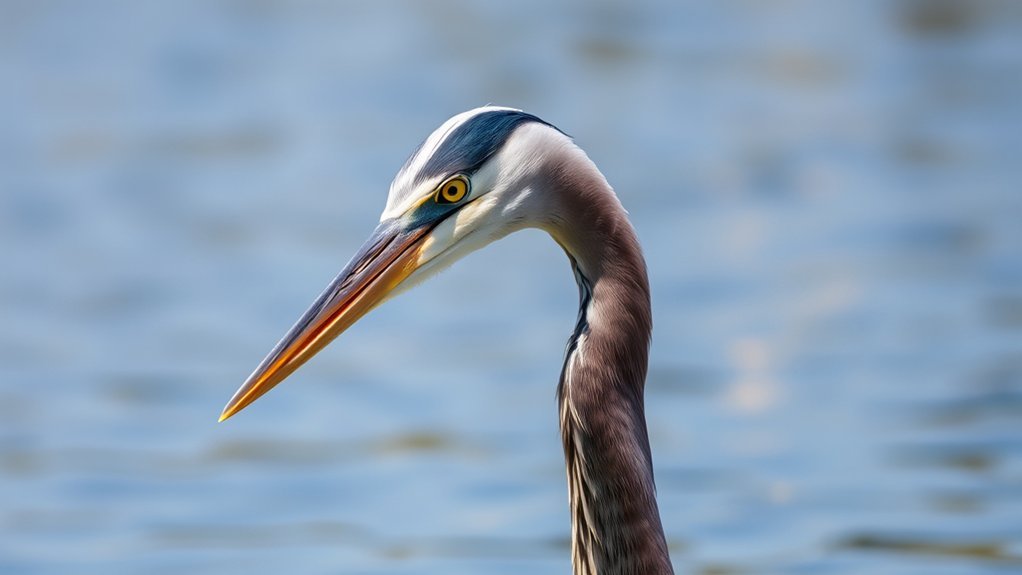
The blue heron is a beautiful bird with bright blue feathers and a long, slender body.
These birds can show different colors, like deep blues and light grays, depending on the light and where they are. This variety in color helps them blend into their surroundings, making it easier for them to hide from predators and sneak up on their food.
Blue herons have long legs that help them walk easily through shallow water. Their long necks allow them to quickly catch fish and other small animals while keeping their balance.
All these special features help blue herons survive in their habitats.
Habitat and Range
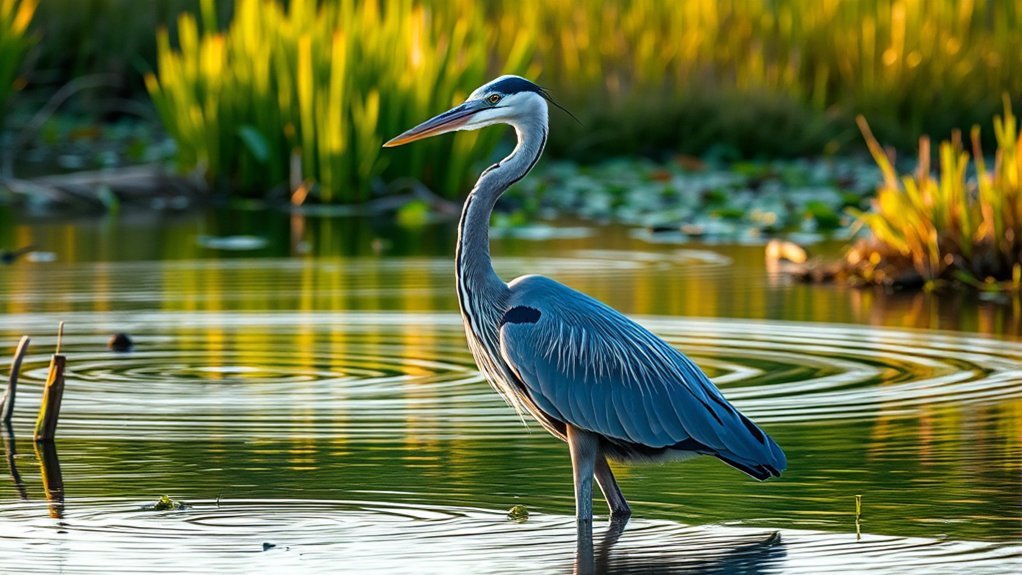
Blue herons like to live in wet places. You can find them all over North America, Central America, and even some parts of the Caribbean. They prefer locations like freshwater lakes, marshes, and coastal areas.
These birds are very flexible and do well where there's plenty of food and good places to build their nests. Their homes stretch from cooler areas to warmer, tropical spots. You might even see blue herons in city parks.
Knowing where they choose to live helps us see why they matter to nature. They help keep wetlands healthy and support animal variety. By learning about where blue herons live, we can connect more with our local nature and help protect their homes.
Hunting and Feeding Techniques
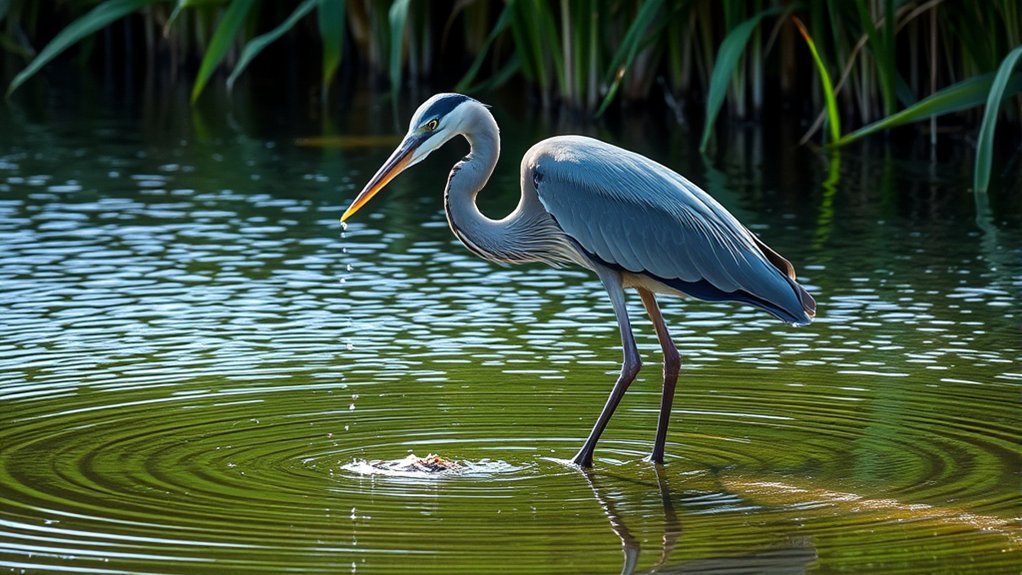
Blue herons live in wetlands and are great hunters. They've smart ways to catch food. These birds know how to adjust their hunting to find meals in different places.
First, they're very patient. They can stand still for a long time, waiting for just the right moment to grab their food.
Blue herons usually eat fish, but they also catch frogs, crabs, and small animals. They choose their food based on what's available around them.
When they hunt, they use their sharp beaks to strike quickly and accurately. Watching these skilled hunters can help you appreciate the beauty of nature and the behaviors of these amazing birds.
It's a fun way to connect with the outdoors!
Mating Rituals and Breeding Behavior
During the breeding season, blue herons show interesting behaviors that stand out. You can see them do special courtship displays like bill clapping and moving together. These actions help them attract mates and form strong bonds in their group.
Once they find a partner, blue herons start building nests together. They pick good spots, like trees or reeds, and gather sticks and reeds to make their homes. This teamwork helps them breed successfully and builds a sense of community among the herons.
Learning about these behaviors helps us appreciate blue heron relationships during breeding season. It's amazing to see how they work together to keep their families and groups strong!
Nesting Habits and Parental Care
Blue herons are dedicated parents. They choose safe and food-rich places to build their nests, like tall trees or wetlands. A female heron usually lays three to seven eggs. She and the male take turns keeping the eggs warm and safe for about 28 days.
After the eggs hatch, both parents continue to care for their chicks. They provide food and help the young birds learn how to hunt. This teamwork helps their chicks survive and grow strong.
The herons' nesting and parenting habits show how they adapt to their surroundings and care for their young.
Migratory Patterns
Blue herons migrate to find food that changes with the seasons. Their journey shows how climate and available habitats affect them. Usually, these birds leave their homes in late summer or early fall. They fly to warmer places with plenty of food.
Blue herons depend on wetland areas for their migration paths. If the wetlands are healthy, they can find fish and other prey easily.
By timing their trips with when food is most available, blue herons can hunt better.
Knowing about these migration patterns helps you see the strong link between herons and their homes. This understanding can make you feel more connected to the nature around you.
Social Behavior and Communication
When you watch blue herons, you can see how they behave and communicate. This helps them survive and raise their young.
These birds often gather in groups during breeding seasons. They work together to claim their territories and show their ranks through their movements.
Blue herons make different sounds to communicate. They call out to each other to show they're nearby, to warn of danger, or to find a mate.
They also perform special displays, like flying in sync or bobbing their heads, to interact with each other.
Learning about how blue herons act and communicate helps us appreciate their social lives. It makes us feel more connected to these wonderful birds and their natural surroundings.
Conservation Status and Threats
Blue herons are amazing birds, but they need our help because they face many problems. They're losing their homes because of things like city building, pollution, and changes in the climate. These issues make it harder for them to find places to breed and food to eat.
To help blue herons, we must take action. Protecting wetlands and using smart practices can make a big difference. These areas are essential for their survival.
Getting involved in community projects, like restoring habitats, is also important. It helps everyone learn about the challenges blue herons face and brings us together.
The Role of Blue Herons in Ecosystems
Blue herons are important birds that help keep their habitats healthy. They eat fish and control how many of them are in the water. By doing this, they help balance the environment, letting different types of plants and animals grow.
When blue herons are around, it often means the water is clean. If they've baby birds and their population is strong, it shows that their home is healthy and free from pollution.
By looking at blue herons, we can see how well the ecosystem works. These amazing birds play a key role in supporting life in their areas.
Understanding their importance helps us appreciate nature more.
Frequently Asked Questions
What Is the Lifespan of a Blue Heron in the Wild?
In the wild, a blue heron usually lives between 15 and 20 years. Their lifespan can change based on where they live. Things like how much food is available and how stable the environment is play a big role in how long they live.
You can often find blue herons near rivers, lakes, and marshes. They are great at catching fish, which is a big part of their diet. The better their home is, the healthier they can be. If conditions are good, they can live longer and thrive in the wild.
Blue herons are fascinating birds to watch. They stand tall with long legs and have a graceful way of moving. Their life in the wild is full of challenges, but that also makes it interesting. Each heron faces its own adventures every day.
Do Blue Herons Have Any Natural Predators?
Blue herons have very few natural predators in the wild. They are smart and use careful strategies to avoid danger. They can see well and move quietly, which helps them stay safe from larger animals that might want to harm them. These birds are great hunters, but they also know how to keep out of trouble.
Can Blue Herons Swim, and if So, How?
Yes, blue herons can swim! They use special techniques to move through the water. When they swim, they are graceful and make it look easy. This helps them find food in both water and on land. Blue herons are skilled hunters, and swimming is just one way they get their meals.
What Sounds Do Blue Herons Make?
Blue herons make different sounds when they are mating or nesting. They use loud croaks and gentle coos. These sounds help them talk to each other and stay close to their group. You might hear these calls when you see a blue heron in its home. The noises show their feelings and help build connections within their flock. It's interesting to listen to these beautiful birds!
How Do Blue Herons Care for Their Young?
Blue herons are caring parents. They make sure their young birds grow up strong and healthy.
First, they bring food to their chicks. This helps the chicks grow and stay strong. Next, they teach their young how to hunt. Learning to hunt is important for when they are on their own. Lastly, blue herons watch over their young. They protect them from other animals that might want to harm them.

Joyce is the passionate founder of Chirping Hearts, a website dedicated to sharing her love for birds and providing valuable information about avian life. With a background in ornithology and years of experience in birdwatching, Joyce aims to inspire others to appreciate the beauty and diversity of birds. Through her engaging articles and guides, she hopes to foster a community of bird enthusiasts who share her enthusiasm for these incredible creatures. When she’s not writing, Joyce enjoys exploring nature trails and observing birds in their natural habitats.


