
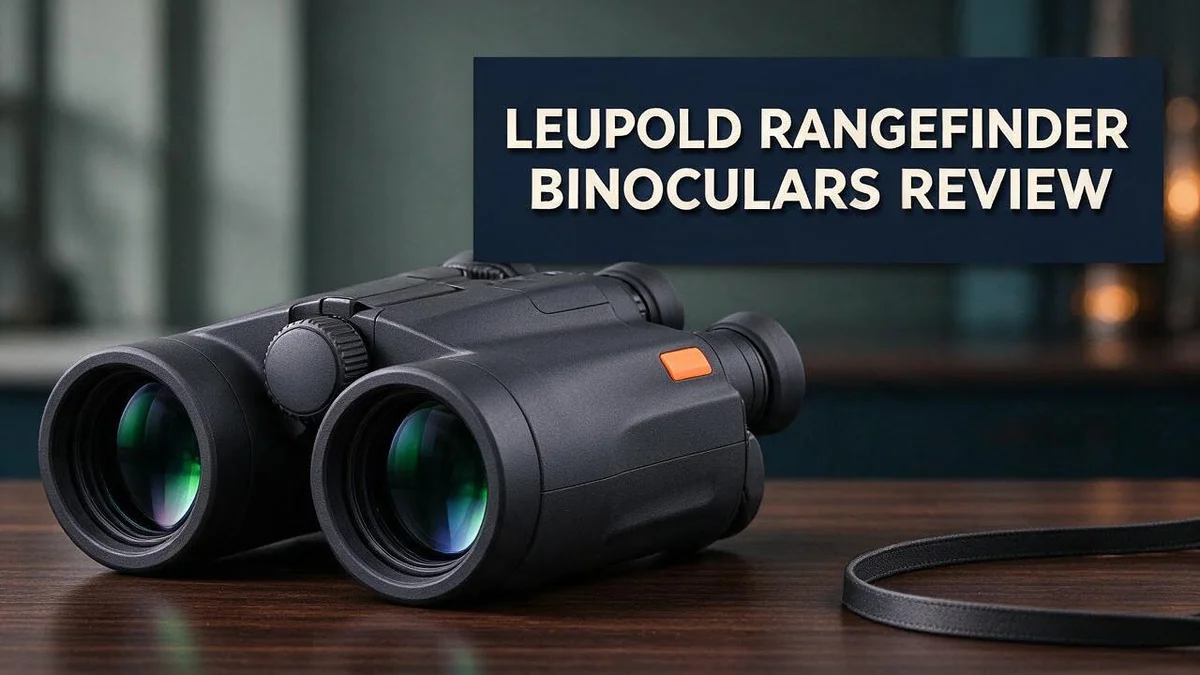
Leupold Rangefinder Binoculars Review: Live Up To The Hype?
Ever wondered how far that deer stands? Rangefinder binoculars give you the answer in one glance. Leupold builds some of the most popular models available today.
You look through the lens, press a button, and read the distance. The BX-4 Range HD offers 10x42mm optics with a red OLED display. One reviewer ranged trees and rocks out to 1,800 yards.
Want more reach? The BX-6 Range HD measures up to 6,000 yards. It also adds GPS pinning and real-time ballistics for long shots.
This guide covers what works well and where these binoculars fall short. Reviewers praise the image quality and edge-to-edge clarity. They also note that the laser reads reflective targets at about half the stated distance in ideal conditions.
In a Nutshell
-
Ranging works on natural targets. One reviewer measured trees and rocks out to 1,800 yards with the BX4 Range HD.
-
Shiny surfaces can throw off readings. Reflective targets may show about half the stated distance in ideal conditions. Test your setup on a known object first.
-
Weather can block the laser. Brush or fog may interfere with ranging, so check conditions before you trust a number.
-
The BX6 adds ballistic tools. Real time ballistics and GPS pinning help you adjust for longer shots.
-
Range HD Gen 2 improves light. Its Elite Optical System boosts light transmission and reduces glare, so details stand out in tricky light.
-
Build quality earns praise. A 2024 review called these binoculars durable and easy to use. In a 2014 comparison, they placed a close second to the top-ranked model.
Optical Performance and Image Quality

- Model #182883 - BX-4 Range HD TBR/W 10x42mm Shadow Gray
- Leupold’s Elite Optical System delivers the light transmission, glare reduction, and resolution diehard...
Last update on 2026-11-10 / Affiliate links / Images from Amazon Product Advertising API
Clear views matter most when you range a distant target. The optics decide whether you can spot the animal before you press the button. Good glass helps you see details first.
Magnification and field of view shape what you see. A 10x magnification brings distant objects close without much shake. The wide view also helps you find a target quickly.
The objective lens size plays a role too. The 42mm lenses gather more light than smaller models. That extra light supports brighter images at dawn and dusk.
Exit pupil is simple math. Divide the lens size by the magnification. For 10x42mm binoculars, that gives an exit pupil of 4.2mm. This size suits most light conditions, so the image stays comfortable to view.
Multicoated lenses reduce reflections and keep colors true. Good contrast helps you spot a deer in thick cover. Check the view on a cloudy day too.
Eye relief matters for eyeglass wearers. A comfortable distance lets you see the full image without pressing your eyes against the eyecups. Try this before a long hunt.
Focus speed also affects the experience. A smooth focus wheel helps you sharpen the image quickly. Fast focus matters when animals move fast.
Test the optics in real conditions. Look at a tree line or a fence post. Check for color fringing along high contrast edges. Clean edges show strong lens coatings.
Shade and sunlight tell a lot. Glare from bright snow or water can wash out detail. Try the binoculars in both bright sun and deep shade for a fair test.
Your own vision matters most in the end. Each person sees differently, so compare the view with a friend if possible. A clear image should feel natural and relaxed.
Laser Rangefinding Accuracy and Limits
Laser rangefinding sounds simple, but it has real limits. The laser sends out a light pulse and waits for it to bounce back. Your reading depends on how much of that signal returns.
Choose targets the laser can read. A small target at long range may not return enough light. Thin branches, narrow wires, and dark animals can drop out of the reading. Pick a larger, brighter target when you need a solid number.
Watch the target angle. A tilted surface sends light back at a different angle. The laser may read the nearest edge instead of the spot you want. Aim at the center of an animal or the front face of a tree trunk for the cleanest result.
Check steep shots carefully. Many rangefinders report the line of sight distance, not the flat distance on the ground. On a steep hill, the gap between those two numbers grows. Check the angle display if your model has one, then do the math for the horizontal distance.
Expect small changes in readings. Heat shimmer, rain, and dust can scatter the beam. A number may also shift from one press to the next. Press the button two or three times and compare the results before you trust them.
Keep the batteries strong. Low power can weaken the laser output and slow the response. A dim display often signals a power issue. Carry spare batteries on long hunts so the unit works when you need it most.
Test your binoculars at known distances. Range a fence post or a building you have measured with a tape or a map app. This quick check shows how your unit behaves in your area. You learn where it works best and where it struggles.
Keep the lenses clean. Smudges can weaken the return signal and blur your view. Wipe the lenses with a soft cloth before each outing. Clean optics help you aim and range with more confidence.
Plan around the limits. Ranging is a helpful tool, not a perfect one. Use the number as a guide, then adjust for wind, slope, and bullet drop. Hunters and birders who understand these limits make better calls in the field.
Ballistic Pinning and Targeting Features
Ballistic pinning helps you choose where to hold on a target. After you range a distant animal, the binoculars show the aiming point. This step cuts guesswork at longer distances.
The BX6 model lists a precision pinning rating of less than 2 degrees. That tight number matters because small errors grow with distance. A close hold keeps your shot on track.
Use a simple routine for every shot. First, range the target. Next, read the pinned point on the display. Then, settle your breath and take the shot.
Location data adds another layer. GPS pinning uses your position to support the aiming solution. Check the manual to learn exactly how your model applies this data.
Ballistic results depend on accurate inputs. Enter the bullet type, muzzle speed, and sight height your rifle actually uses. Generic chart values can throw off your hold.
Practice in daylight first. Learn the menu before you head into the field. Cold fingers struggle with small buttons, so test your presses with gloves on.
Target size changes the process too. A larger animal gives you a bigger margin for error. A small target demands a steadier hold and a careful read of the pinned point.
Write down your results after each outing. Note the distance, the pinned hold, and the actual impact. Over time, these notes reveal patterns in your setup and help you refine your inputs.
Ballistic pinning has limits too. Wind, temperature, and altitude still shift your bullet path. Some setups let you add these factors, but only accurate numbers help.
Pinning also reduces stress in the field. You spend less time doing mental math. That focus leaves more room to watch the animal and judge the shot.
Pinning works best for prepared shooters. It saves time and reduces mental load. Build the habit early, and the tool becomes a natural part of your hunt.
Top 3 Alternatives
Looking for a strong option besides the Leupold? These three laser rangefinder binoculars offer clear views and fast distance readings. Each one suits a different type of hunter or outdoor fan.
Vortex Fury HD 5000

- The Fury HD 5000 with 10x magnification and 42mm objective lenses, is an extremely effective...
- The primary HCD mode displays an angle compensated distance that is ideal for the majority of hunters and...
Last update on 2026-11-10 / Affiliate links / Images from Amazon Product Advertising API
The Fury HD 5000 offers the longest range in this group. It measures distances up to 5,000 yards on reflective targets. Its bright, sharp optics help you spot game in low light. Many hunters and shooters choose this model for open terrain where distant targets are common.
Bushnell Fusion 1 Mile

- Superb ranging accuracy and advanced optics combine to make the best of both worlds in Bushnell’s...
- The Fusion X give you the all-day viewing comfort of 10x42 binoculars while giving you the ability to...

Last update on 2026-11-10 / Affiliate links / Images from Amazon Product Advertising API
The Fusion 1 Mile keeps things simple. It ranges targets up to one mile away. Its angle compensation feature shows the true horizontal distance when you shoot uphill or downhill. This helps you aim with more confidence on steep ground.
Vortex Fury HD 3000
- The Fury HD 5000 with 10x magnification and 42mm objective lenses, is an extremely effective...
- The primary HCD mode displays an angle compensated distance that is ideal for the majority of hunters and...
Last update on 2026-11-10 / Affiliate links / Images from Amazon Product Advertising API
The Fury HD 3000 works well for shorter shots in dense woods or brush. It measures distances up to 3,000 yards. Its compact size keeps it easy to carry on long hikes. Beginners often find this model easy to learn.
Display and Controls
The display shows every reading you need. The BX4 Range HD uses a red OLED screen. Numbers appear clearly in the eyepiece view.
Red light has a helpful side effect. It helps your eyes stay adjusted to low light. Dawn and dusk hunters often value this benefit.
Red text also contrasts well with green and brown backgrounds. Your eyes can pick out the numbers without strain.
Good controls matter just as much as clear numbers. Your thumb should find the main button by touch alone. This keeps your eyes on the target.
Cold weather brings thick gloves. Test every button with gloves on before a trip. Small buttons can feel hard to press through thick material.
Practice switching between modes at home. Moving from ranging to viewing should feel natural. Hesitation in the field costs time and focus.
Brightness settings change the experience in bright sun and deep shade. Set the display so numbers look sharp without glare. A dim screen can hide small digits.
At night, a dim display protects your night vision. Lower brightness helps your eyes adjust faster after you look away.
Short glances work best. Read the distance in one look, then return to your view. Long stares at the screen can pull your attention away from the target.
Watch for confirmation when the laser locks on. A clear signal tells you the reading is valid. Without it, you may guess at the distance.
Cold mornings can fog the eyepiece lenses. Wipe the lenses gently before you range, so the display stays readable.
Keep the controls dry and clean. Water and dirt can make buttons stick or respond slowly. A quick wipe after each outing helps.
Familiar controls build confidence. Spend a few minutes with the display and buttons before your first outing. Muscle memory will guide you when the moment arrives.
Durability and Field Conditions
Field gear takes a beating. Rocks, mud, and long hikes test every part of your binoculars.
Reviewers often describe these Leupold models as durable and well made. That feedback matters for hunters who carry them all day.
Brush can block the beam. Thick branches and tall grass may interfere with ranging. Step to a clearer gap before you measure a target.
Reflective targets need extra care. The laser can read reflective targets to only about half the stated distance in ideal conditions. Metal signs and windows reflect strongly, so test them first.
Protect the lenses from grit. Dirt on the lens covers can scratch the glass over time. Wipe the lenses with a soft cloth after each trip.
Keep the seals clean. Sand or grit near the seals can wear them down. Rinse off mud and let the outside dry before storing the binoculars.
Use the case every time. A padded case guards against bumps in the truck or pack. Store the binoculars in a dry spot at home too.
Glare can hide details. The Elite Optical System on the Range HD Gen 2 boosts light transmission and reduces glare. That helps when sunlight bounces off open ground.
Build a short check routine. Look over the lenses, strap, and case before each outing. A quick check prevents surprises when you need the gear most.
Respect the warranty terms. Read the coverage details before you head out. Keep your proof of purchase and registration information in a safe place.
Think about weight and balance. Heavier binoculars can strain your neck on long walks. A good harness spreads the load across your shoulders.
Handle them with care. Set them down gently on hard surfaces. A quick drop can shift the alignment, so test the view after any fall.
Plan for repairs. Find a service center near your hunting area before the season starts. Quick access keeps your plans on track.
Pros and Cons
Pros
- The image stays sharp from edge to edge, so the whole view feels clear.
- The BX4 Range HD showed no low light complaints in reviews.
- One review reported the BX4 Range HD ranging trees and rocks out to 1,800 yards.
- The BX6 Range HD reaches up to 6,000 yards for long distance hunters.
- A 2014 comparison placed a Leupold model a close second to the top ranked pick.
Cons
- Shiny targets can give a short reading, even in ideal conditions.
- Heavy fog can disrupt ranging on damp mornings.
- Some key praise comes from older reviews, so check newer feedback too.
Who Should Buy It
These binoculars suit a specific crowd. Hunters, wildlife guides, and sport spotters often want one tool that does two jobs. This design fits people who prefer speed and simplicity.
Someone who carries two separate tools may appreciate having one device instead. A single unit means fewer items to pack and fewer items to lose.
First time buyers gain the most. New hunters often struggle to judge distance by eye. A built in ranging feature gives them real numbers from the start.
Land managers and ranch staff can use the ranging feature every day. They can check distances to fences, gates, and property markers without walking the line.
Trail guides who lead groups across open ground can also benefit. Clear numbers help groups plan their pace and route. Anglers who fish wide lakes may find the feature useful for judging shore distances too.
Bird watchers and nature photographers may not need ranging at all. For them, a standard pair of binoculars with strong viewing quality may make more sense.
Dense timber users may use the ranging feature less. Tight woods limit clear lines of sight. Open terrain gives this tool more chances to shine.
Shoppers who like detailed specs should compare models side by side. The BX4 and BX6 serve different ranges and needs. Reading each spec sheet helps you match the right model to your plans.
Buyers who also consider SIG SAUER, GPO, Leica, or Vortex should compare ranging speed, display clarity, and comfort. Hold each option in your hands if you can.
Pick the model that fits your main outdoor activity. Think about where you will use them most often, and let that guide your choice. Your everyday use matters more than any single feature.
Final Verdict
Leupold rangefinder binoculars make a strong choice for the right buyer. They pair clear optics with built in ranging. That mix saves space and weight in your pack.
Your best pick depends on how you plan to use them. Think about your usual terrain first. Consider how far you need to measure and how often you carry them. Open country favors long range tools, while tighter spaces call for simpler setups.
Durability stands out as a major strength. Reviewers describe these units as sturdy and easy to handle. Solid build quality often means fewer repairs later.
Ranging results work best as guides, not guarantees. Conditions shape every reading you take. Keep a map, a compass, or a backup method close at hand.
Test before you commit. Hold the binoculars in a shop or at a range day. Check focus speed, eye relief, and grip comfort. Your hands will tell you a lot.
Plan your time for practice. Spend a few sessions learning the display and the ranging button. Smooth use builds trust in the readings over time.
Weigh comfort against features. Extra functions matter less when the binoculars feel awkward in your hands. Comfort keeps you glassing longer and more often.
Look at the bigger picture. Your gear should fit your habits, not the other way around. Choose the tool that you will actually carry every day.
Think of them as a smart companion. They handle everyday distance checks with ease. For extreme shots, many experienced users still carry a dedicated rangefinder.
Final thought: Leupold delivers dependable optics with helpful ranging features. Match the model to your terrain, test the feel, and you can choose with confidence. Good gear makes every trip feel more rewarding.
Frequently Asked Questions
What makes these binoculars different from regular binoculars?
They combine clear optics with a laser rangefinder in one body. You can view a target and read its distance without carrying a second tool. This setup helps most on open ground.
Which model suits a first time buyer?
The BX4 Range HD is a practical starting point. It uses 10x42mm optics and a red OLED display. Its controls stay simple, so you can learn the basics quickly.
Does the Elite Optical System help in dim light?
The Range HD Gen 2 includes the Elite Optical System. It boosts light transmission and reduces glare. This can help when light fades at dawn or dusk, so check the specs before you decide.
What extra features does the BX6 Range HD add?
The BX6 Range HD adds GPS pinning, real time ballistics, and precision pinning under 2 degrees. These features give experienced users more data. Beginners may not need them right away.
How do Leupold models compare with top rivals?
The main rivals include SIG SAUER, GPO, Leica, and Vortex. Each brand mixes optics and ranging features in its own way. Compare displays, weight, and ranging range side by side before you choose.

Joyce is the passionate founder of Chirping Hearts, a website dedicated to sharing her love for birds and providing valuable information about avian life. With a background in ornithology and years of experience in birdwatching, Joyce aims to inspire others to appreciate the beauty and diversity of birds. Through her engaging articles and guides, she hopes to foster a community of bird enthusiasts who share her enthusiasm for these incredible creatures. When she’s not writing, Joyce enjoys exploring nature trails and observing birds in their natural habitats.