
The Blue Indian Ringneck Bird: Care and Characteristics
The Blue Indian Ringneck Bird is a stunning pet. This bird stands out with its bright blue feathers and lively personality. They love to be social, which makes them fun companions. To keep them happy and healthy, you need to know how to care for them.
First, they need a good home. A spacious cage with toys can help them feel safe and entertained. Make sure they have places to climb and explore. This will keep them active and happy.
Next, diet is important. Feed them a mix of seeds, fruits, and vegetables. This variety helps them get the nutrients they need. Fresh food keeps their feathers shiny and their energy up.
Spend time with your Blue Indian Ringneck. Talk to them, play with them, and let them out of their cage for some exercise. Building a bond is key to having a happy pet.
Want to know more about making your bird's life better? Keep learning and enjoy your time with your colorful feathered friend!
A Quick Overview
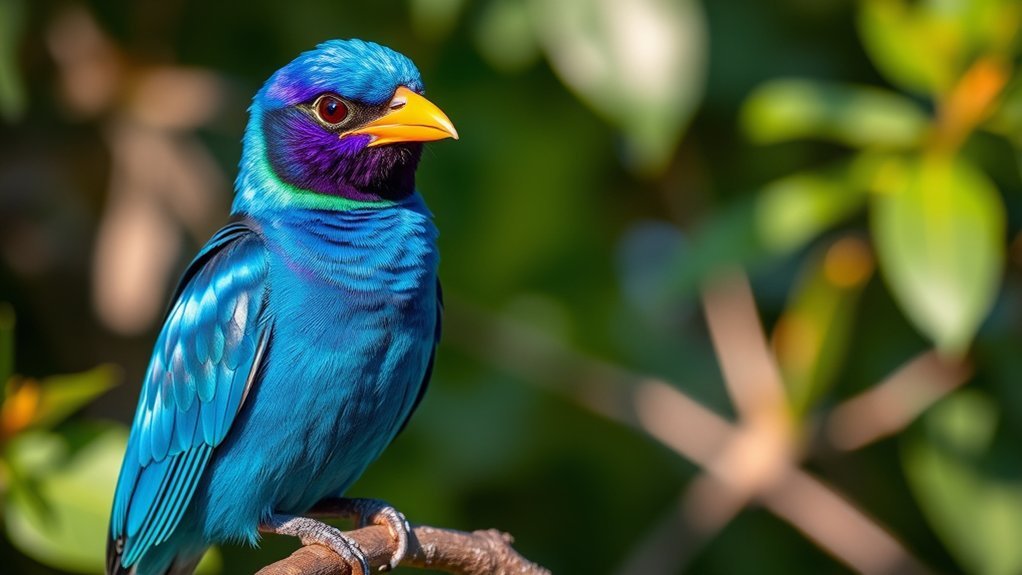
The Blue Indian Ringneck is a beautiful bird with bright blue feathers. Male Ringnecks have a black neck ring and striking orange or red eyes that make them stand out. These birds are friendly and need plenty of space to fly, play, and have fun with people and other birds.
To keep them healthy, give them a balanced diet. This should include high-quality pellets along with fresh fruits and vegetables. Only give them a small amount of fatty seeds.
It's important to check their health regularly. Look at their behavior, droppings, and weight. You might also need to provide calcium supplements to keep their bones strong.
These birds are smart and love to interact. They enjoy chatting, playing, and bonding with their owners. Spending time with your Blue Indian Ringneck will make them happy and healthy.
Unique Physical Features of the Blue Indian Ringneck

When you see a Blue Indian Ringneck, the first thing you notice is their bright blue feathers. These birds really stand out, especially when the light hits them just right. Some may have a mix of colors, like turquoise, green, or even yellow, depending on their type.
One of their coolest features is the black ring around the neck of the males. This ring pops against their colorful feathers and makes them look even more special.
Their eyes are usually a deep orange or red, which adds to their unique look.
These special features aren't just pretty to see; they help you appreciate how amazing these birds are. Spending time learning about them can make you feel closer to their beauty.
Personality Traits and Social Behavior

The Blue Indian Ringneck looks fancy and graceful, but they've a fun and lively personality.
These birds love to interact and have a playful side, making them great friends.
Here are some key things to know about their behavior:
- Affectionate: They like to cuddle and be close to you.
- Curious: They love to explore their surroundings and play with toys.
- Intelligent: Ringnecks can learn tricks and follow commands, which helps you bond with them.
- Social: They enjoy being around other birds and people.
These traits show just how fun and engaging Blue Indian Ringnecks can be as companions!
Vocalization and Communication Skills
Blue Indian Ringnecks are friendly birds that love to chat. They can copy sounds from their surroundings, like human voices and everyday noises. This ability helps them change their sounds based on how they feel or what's happening around them. You might hear them talking or calling out to grab your attention. This shows how smart and social they are.
When you bond with your Ringneck, they want to communicate even more with you. Interacting with them is fun and rewarding.
Habitat and Environmental Needs
To help your Blue Indian Ringneck feel happy and safe, it's important to create the right home for it.
Here are some simple tips to set up a great space:
- Space: Make sure your bird has enough room to fly around. Aim for a space that's at least 6 feet long.
- Temperature: Keep the temperature between 65°F and 80°F (18°C to 27°C) so your bird stays comfy.
- Fun and Games: Add perches, toys, and branches for your bird to play with. This will keep it active and happy.
- Fresh Air: Ensure good airflow in the aviary. This helps keep the air from getting stale and keeps your bird healthy.
Nutrition and Health Care Essentials
A balanced diet is key to keeping your Blue Indian Ringneck healthy and happy. They need good quality pellets, fresh fruits, and vegetables to get the right nutrients. You can give them some seeds, but try not to offer too many fatty ones.
Keep an eye on their health by watching how they act, checking their droppings, and weighing them regularly. Adding calcium supplements is important for strong bones and beak health.
Always have fresh water available for them. You can also treat them with small amounts of nuts and cooked grains sometimes.
Watch for any changes in how much they eat or how active they are. These changes might mean they aren't feeling well. By keeping an eye on your Blue Indian Ringneck's health, you'll build a strong bond and help them thrive under your care.
Frequently Asked Questions
What Is the Average Lifespan of a Blue Indian Ringneck Bird?
The average lifespan of a blue Indian Ringneck bird is about 15 to 25 years. This means with good care, they can live for a long time. Their health can depend on their breeding habits and bright feather colors. Providing the right food, a clean home, and lots of love helps them stay happy and healthy. If you take good care of them, they can be great companions for many years!
Are Blue Indian Ringnecks Good Pets for Beginners?
Yes, blue Indian ringnecks can be great pets for beginners. They enjoy being around people and love to play. These birds need training and plenty of love. With patience, you can build a strong bond with them. They are smart and fun, making them a nice choice if you want a pet that will keep you entertained. Just remember, they do need time and attention to be happy!
How Much Space Do They Need in Their Cage?
For a Blue Indian Ringneck, your cage should be at least 24 inches wide and 36 inches tall. This size gives them enough space to fly and move around. A bigger cage is better because it helps them be happier and act like they would in the wild. So, make sure their home is cozy and spacious!
Can Blue Indian Ringnecks Learn Tricks or Behaviors?
Yes, blue Indian ringnecks can learn tricks! You can teach them using positive reinforcement. This means giving them a reward, like a treat or praise, when they do a good job. Training should be fun and consistent. This helps them learn better and makes your bond stronger. Plus, it keeps their minds active with fun challenges. Enjoy training your feathered friend!
What Common Health Issues Affect Blue Indian Ringnecks?
Blue Indian Ringnecks can face a few health issues. One common problem is obesity, which often comes from not having the right diet. Another issue may arise from genetics, meaning some birds are more likely to get certain health problems.
To keep your Blue Indian Ringneck healthy, watch what it eats closely. Give them a balanced diet with fruits, veggies, and seeds. Regular visits to the vet are also important. This helps make sure they stay healthy and happy. Taking these simple steps can help your bird live a long and joyful life!

Joyce is the passionate founder of Chirping Hearts, a website dedicated to sharing her love for birds and providing valuable information about avian life. With a background in ornithology and years of experience in birdwatching, Joyce aims to inspire others to appreciate the beauty and diversity of birds. Through her engaging articles and guides, she hopes to foster a community of bird enthusiasts who share her enthusiasm for these incredible creatures. When she’s not writing, Joyce enjoys exploring nature trails and observing birds in their natural habitats.