The Blue Birds of Michigan: Identifying Local Species
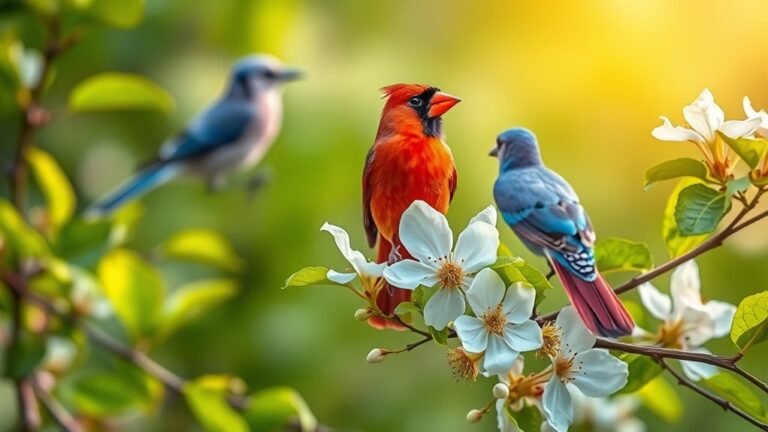
In Michigan, you can see beautiful blue birds. Each type has its own special traits and behaviors. The Eastern Bluebird is bright with blue and orange feathers and sings sweet songs. The Blue Jay is also colorful and very smart.
To enjoy birdwatching more, it helps to know where these birds like to live and what they do. You might wonder what small details can help you tell them apart. Also, it's fun to know how to bring them to your backyard.
If you want to attract these lovely blue birds, consider adding bird feeders or planting some native plants. These actions can make your yard a welcoming place for them. Just watching these birds can bring joy and peace to your day. Happy birdwatching!
A Quick Overview
Eastern Bluebird: The Eastern Bluebird has bright colors and sweet songs. You can find it in open fields and wooded areas. Look for it sitting on fence posts.
Blue Jay: The Blue Jay is easy to spot. It has bright blue feathers and a big crest on its head. This bird is known for its loud calls and clever ways to store food.
Indigo Bunting: The Indigo Bunting is a small bird with stunning blue feathers, especially in the summer. It migrates far distances and comes back in spring, bringing joy to many.
Tree Swallow: The Tree Swallow has shiny blue-green feathers. It loves to fly high and catch insects in the air. These birds build nests in small holes and birdhouses in open spaces for safety.
Social Behavior: In Michigan, blue birds like jays and swallows love to interact with each other. Their lively behavior makes birdwatching fun and exciting.
Overview of Blue Birds in Michigan

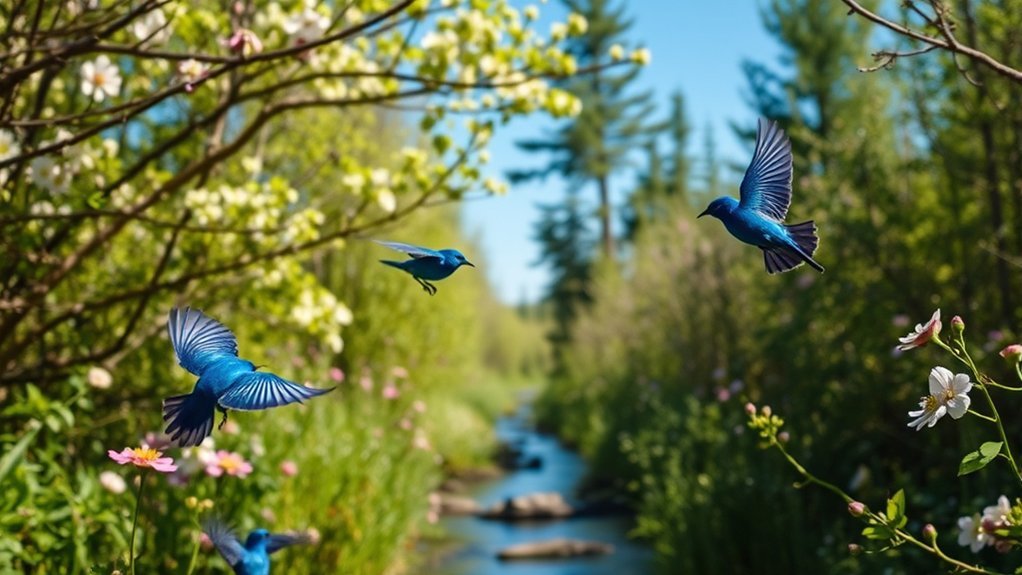
If you take a look at the birds in Michigan, you'll see some amazing blue birds.
Look out for blue jays, tree swallows, and blue grosbeaks. These birds are special because they've bright colors and interesting behaviors.
Blue jays travel in groups when they migrate, which makes for an exciting sight. They usually build their nests high in trees.
On the other hand, tree swallows like to nest in holes or even in man-made birdhouses.
Each bird plays an important role in nature. Watching how they act and where they live can help you connect with them and other birdwatchers.
Enjoy the colorful blue birds of Michigan!
Eastern Bluebird: The Iconic Species
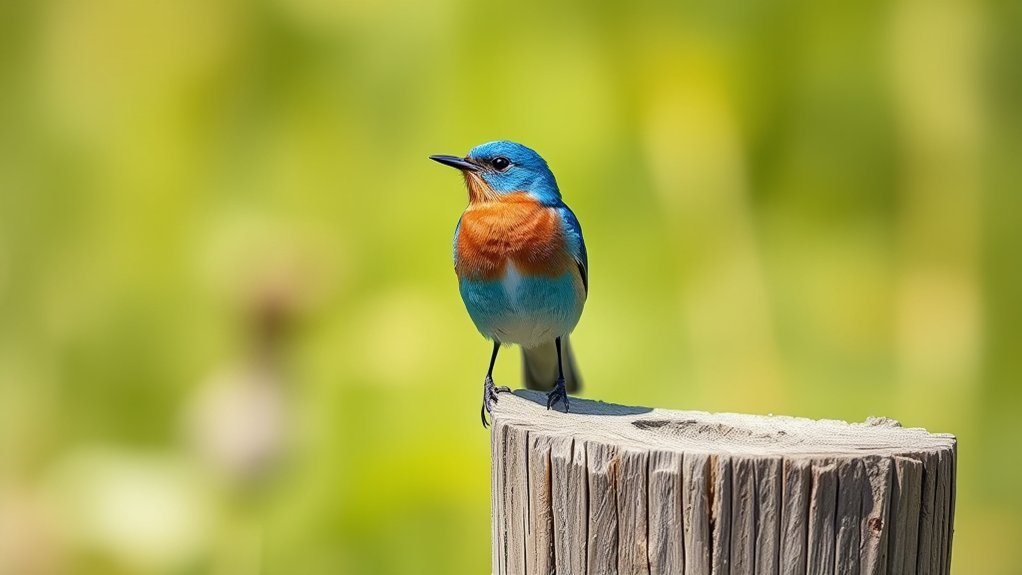
The Eastern Bluebird is a special bird in Michigan. With its bright colors and sweet song, it catches the attention of many bird lovers. These birds like to live in open fields, orchards, and near wooded areas. This kind of habitat is perfect for them to hunt for insects and find a place to build their nests.
You can often see Eastern Bluebirds sitting on fence posts or low branches. They look around for food like insects and berries. In the spring, they make loud calls to mark their territory and show interest in mates.
After they breed, you might notice them in small family groups. Learning about where these birds live and how they behave makes watching them even more enjoyable.
Plus, this knowledge helps protect their homes and supports the birdwatching community. It's a great way to feel connected to nature and other people who love birds!
Blue Jay: A Bold and Intelligent Bird
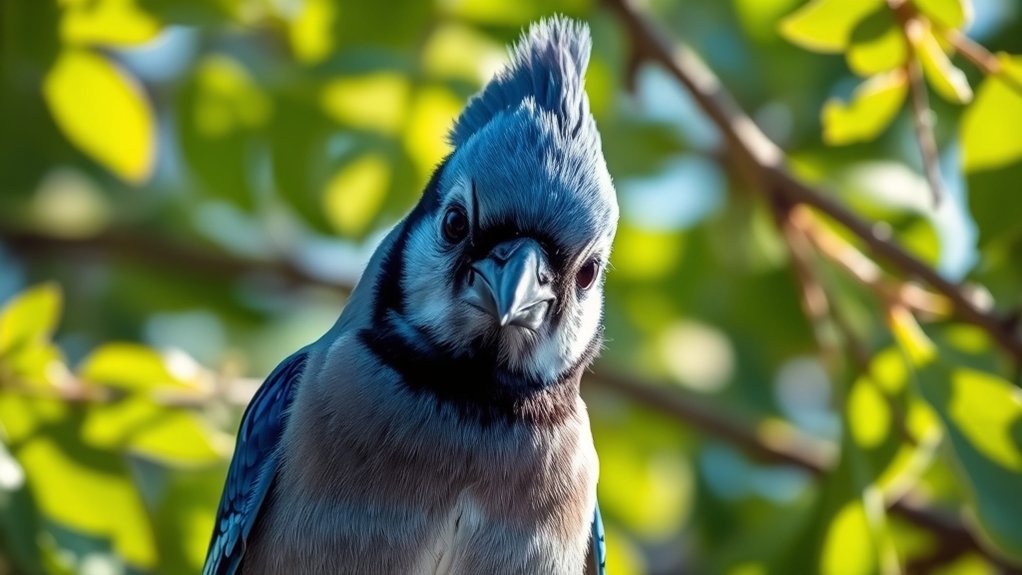
Blue Jays are some of the most well-known and fun birds in Michigan. Their bright blue feathers and fancy crest make them easy to spot.
These smart birds live in many places like forests, neighborhoods, and parks. They love to search for food like acorns, berries, and bugs.
Blue Jays make all kinds of sounds, from sharp calls to sweet whistles. They use these sounds to talk to each other.
You can often see them with other birds, showing off how friendly and bold they can be. They also store food for later, which shows how clever they are.
Watching Blue Jays can help you learn more about them and feel more connected to nature.
They aren't just pretty to look at; they're interesting creatures that add life to our world.
Indigo Bunting: The Small and Striking Blue Beauty
Indigo Bunting: A Bright Blue Bird
Indigo Buntings are beautiful birds that shine with bright blue feathers. In the summer, you can see them in Michigan's fields and forests.
They're fun to watch because they've interesting ways of acting. Here are some cool things about them:
- Breeding Display: Male Indigo Buntings fly high in the sky to show off their blue color and attract female birds.
- Feeding Patterns: These birds like to search for seeds and insects on the ground. They change what they eat with the seasons.
- Migration Habits: Indigo Buntings travel long distances to Central America. They find their way using the stars and the sun.
Learning about how Indigo Buntings live helps us see their importance in nature. Every spring, they come back, and watching them is a joy for many people in Michigan.
Tree Swallow: A Blue-Hued Aerialist
The Tree Swallow is a beautiful bird that you can often see flying over wetlands and fields. Its feathers shine in blue and green colors, making it easy to spot. These birds are great at catching insects while they fly, showcasing their amazing skills.
Tree Swallows like to nest in small holes. They often use empty woodpecker holes or birdhouses. This makes them popular with bird lovers.
They enjoy open areas where they can find food and safe places to build nests. During breeding season, they're very social and create a lively scene.
Barn Swallow: Identifying the Blue-Black Beauty
The Barn Swallow is a beautiful bird that stands out with its shiny blue-black feathers. These feathers shimmer in the sunlight, making it easy to spot in Michigan's skies.
Here's how to recognize a Barn Swallow:
- Nesting Habits: Barn Swallows like to build nests with mud. You'll often find their nests under roofs, bridges, or ledges. They enjoy staying close to people, so look near buildings.
- Migration Patterns: In winter, Barn Swallows fly to Central and South America. In spring, they come back to North America to breed.
- Flight Style: These birds are graceful flyers. They swoop and dive to catch insects while flying. It's fun to watch them in action!
When you learn these traits, you can appreciate the Barn Swallow and its role in Michigan's nature.
Keep an eye out for this charming bird!
American Robin: The Blue-Gray Counterpart
Seeing an American Robin is always a nice treat! This bird has a lovely blue-gray back and a bright orange-red belly. It can live in many places, like cities, forests, and suburbs.
American Robins like to be social. You may notice them foraging in groups, looking for insects and berries on the ground.
In early spring, you'll hear their beautiful songs as they announce their presence and mark their territory.
These birds play an important role in nature, helping keep the ecosystem balanced. As you watch them, you can enjoy their beauty and see how they fit into your neighborhood.
Common Grackle: Dark and Iridescent
The American Robin has a bright orange-red belly and a blue-gray back. In contrast, the Common Grackle has dark, shiny feathers that can change color in the sunlight. These beautiful birds catch the eye of many onlookers.
Here are some interesting facts about Common Grackles:
- Social Groups: Common Grackles like to hang out in big groups, especially when it isn't breeding season. This helps them interact with each other more.
- Eating Habits: They eat many different foods. Their diet includes insects, seeds, and even small animals. This shows how good they're at finding food.
- Sounds: Grackles are known for making a lot of different sounds. They use these calls to talk with each other in their groups.
Common Grackles are fascinating birds that display both beauty and interesting behaviors!
Habitat Preferences of Michigan's Blue Birds
Michigan's blue birds have some favorite places they like to live and raise their young. They enjoy open woodlands, shrubby areas, and meadows.
These spots give them plenty of food and safe places to hide. Blue birds like to nest in tree cavities or near wooded edges where they can stay safe from predators.
When blue birds migrate, they choose places rich in insects and berries. This helps them keep their energy up for their long trips.
Knowing where blue birds like to live helps us appreciate the important role they play in nature.
You can help these beautiful birds by making your backyard a friendly place for them. By planting flowers and providing food, you can support their natural behaviors and life cycles.
It's a simple way to enjoy and protect these vibrant creatures!
Tips for Spotting Blue Birds in Your Backyard
To bring blue birds to your backyard, make a space they like. Here are three easy steps:
- Put Feeders in Safe Spots: Hang bird feeders close to thick bushes. This gives the birds a safe place to hide from cats and other predators while they eat.
- Plant Native Shrubs: Choose plants that grow naturally in your area, like blueberry bushes, serviceberries, and dogwoods. These plants give birds food and places to build their nests.
- Provide Fresh Water: Make sure you have a clean birdbath. Blue birds need water to drink and bathe, and a birdbath can be a great attraction for them.
Frequently Asked Questions
What Are the Best Months to See Blue Birds in Michigan?
The best time to see bluebirds in Michigan is late spring to early summer. During these months, bluebirds are busy building nests and feeding their young. You can watch them flying around and enjoying the sunny days. This is a great time for birdwatching because you will see their bright colors and lively activities. So, grab your binoculars and look for bluebirds during this fun time of year!
Do Blue Birds Migrate, and Where Do They Go?
Yes, bluebirds migrate every year. In winter, they travel south to find warmer places. When spring comes, they come back to their homes. Bluebirds like open areas with low shrubs or fields for nesting. They follow the same routes each year. It's exciting to see them return!
What Food Attracts Blue Birds to My Yard?
If you want to attract bluebirds to your yard, put up bluebird feeders and fill them with fruits they love. Blueberries and sliced oranges are great choices. Make sure your feeders are safe and in a quiet spot. Keep the area nice and inviting. This way, bluebirds will feel welcome in your yard!
Are Blue Birds Social or Solitary Creatures?
Bluebirds show interesting behavior. They often like to be around other bluebirds, especially during breeding seasons. They form groups and work together when there is a fight over food or territory. While bluebirds usually like to be alone, they enjoy being social when they need to.
How Can I Help Preserve Blue Bird Habitats?
To help bluebirds, you can put up nesting boxes in safe spots. Make sure these boxes are away from dangers like predators. You can also join local efforts to restore their habitats. This means planting trees, bushes, and flowers in areas where bluebirds live.
These steps help bluebirds find homes and food. When you help bluebirds, you support their population and allow them to thrive in nature. Enjoy watching these beautiful birds as they make your area their home!

Joyce is the passionate founder of Chirping Hearts, a website dedicated to sharing her love for birds and providing valuable information about avian life. With a background in ornithology and years of experience in birdwatching, Joyce aims to inspire others to appreciate the beauty and diversity of birds. Through her engaging articles and guides, she hopes to foster a community of bird enthusiasts who share her enthusiasm for these incredible creatures. When she’s not writing, Joyce enjoys exploring nature trails and observing birds in their natural habitats.