

The Blue Hen Bird: A Look at This Unique Breed
The Blue Hen is a special bird with a story that goes back to the early 1700s. This breed stands out not just because it looks amazing, but because it shows strength and can adapt well to different situations. Let's dive into what makes the Blue Hen important to people, especially in Delaware.
What are its physical traits? The Blue Hen has smooth, blue feathers that catch the eye. It also has a strong body and a confident stance. These features help it thrive in both farms and backyards.
The Blue Hen is known for being friendly and smart. It can learn quickly and get along well with other animals. Many farmers and homesteaders choose Blue Hens for these traits. They are not just pretty; they also lay eggs and can provide food.
In today's agriculture, understanding the Blue Hen's qualities can help people who want to raise chickens. These birds are a great choice for anyone looking to start their own flock. The Blue Hen is more than just a bird; it is a part of history and a useful friend on the farm. Whether you are in Delaware or elsewhere, raising Blue Hens can be a fulfilling experience.
A Quick Overview
The Blue Hen is a special chicken breed that started in the early 1700s in the U.S. It is a symbol of bravery, especially for the state of Delaware.
These birds have pretty feathers that mix blue and gray colors, and they stand out with a bright red comb on their heads. Blue Hens are friendly and social. They enjoy being around people and other chickens, making them great pets.
Blue Hens do well in different weather. They help with sustainable living too. They eat pests and provide fresh eggs for families.
Culturally, the Blue Hen stands for strength, community, and loyalty. This makes people proud to support them.
History and Origins of the Blue Hen
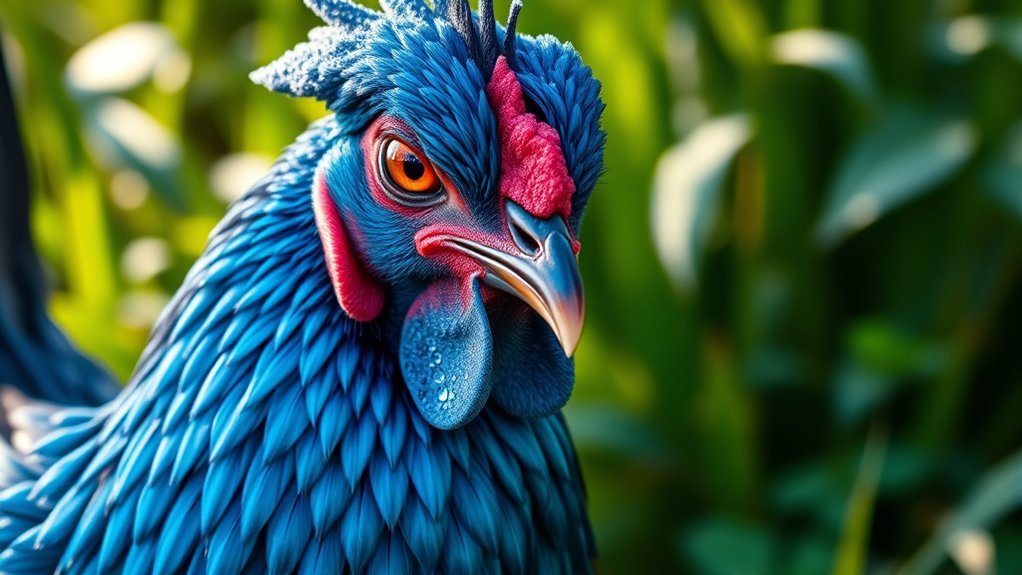
The Blue Hen has an interesting story that goes back to the early 1700s in the United States. It became a symbol of courage, especially for the state of Delaware. During the Revolutionary War, soldiers used the Blue Hen as a mascot, which made it even more special.
To develop this breed, people practiced selective breeding. They aimed to create birds that were strong and good fighters. These traits were respected by those who loved chickens.
As you learn more about the Blue Hen, you see how it connects to the culture and values of the people in the area. Knowing this history helps you appreciate the breed even more and feel like you're part of its story.
Physical Characteristics of the Blue Hen
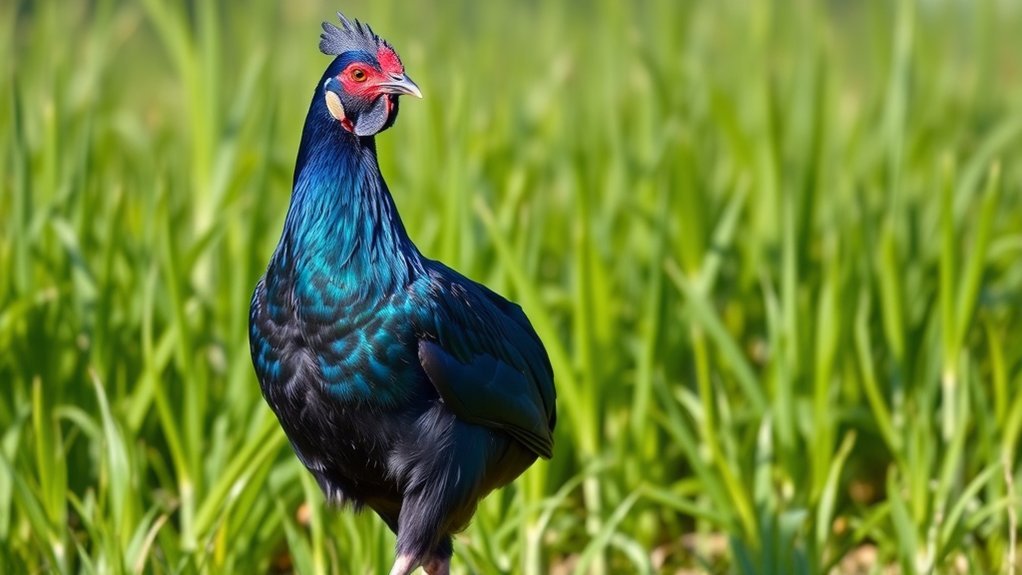
The Blue Hen is a beautiful chicken breed that stands out from the others. Its feathers are a mix of rich blue and gray colors, and these colors can change from chicken to chicken. You might see shades that are deep and dark or soft and light. This makes each Blue Hen look unique and pretty.
Their feathers look smooth and shiny, which adds to their charm. The comb, which is the fleshy part on the top of their head, is usually bright red. This color goes well with their feathers and makes them even more attractive.
The Blue Hen has a strong and well-formed body. This shape gives it a solid look. All these features show the history of this breed and make people who love chickens proud.
The Blue Hen can be a great addition to any flock!
Temperament and Behavior
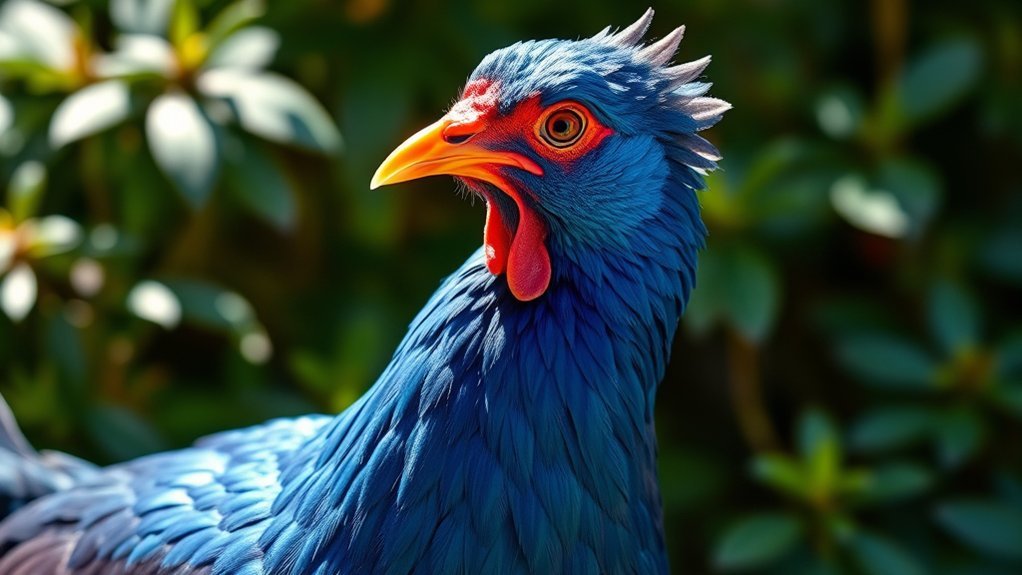
Blue Hens aren't just pretty to look at; they're also great pets. They've a friendly personality that makes them fun to be around. You'll enjoy spending time with them because they like to interact with people and other birds. This social nature helps keep them happy and calm.
Blue Hens love being in groups. They feel better when they're with friends, whether those friends are other chickens or humans. This means they help create a peaceful and happy flock.
These birds are smart and curious, so they can learn new things easily. They stay calm in different situations, making them a great choice for your home.
Role in Agriculture and Homesteading
Blue Hens are more than just pretty birds. They're great helpers for people who love farming and homesteading.
These birds are tough and can live well in different weather, which means you won't have to worry too much about taking care of them.
Blue Hens also love to scratch around in the yard. This helps get rid of bugs and weeds, keeping your garden healthy and happy.
Plus, they lay delicious eggs. Fresh eggs can make your meals tastier, and using them can help reduce your carbon footprint.
By adding Blue Hens to your homestead, you're choosing a way of life that's good for you and the planet.
You get to grow your own food and support your community. It's a win-win!
Cultural Significance and Symbolism
Blue Hens are more than just birds; they carry a lot of meaning in different cultures. They often stand for resilience, community, and resourcefulness. In places like Delaware, the Blue Hen isn't just a mascot; it shows the strength and unity of its people.
Stories about Blue Hens tell of triumph and survival, highlighting their role in local traditions. Their bright blue feathers remind us of loyalty and strength during tough times.
By embracing the Blue Hen, you connect with a rich history that fosters a sense of belonging and pride in communities everywhere.
Frequently Asked Questions
What Is the Average Lifespan of a Blue Hen?
The average lifespan of a blue hen is usually between five to ten years. This range can change based on a few important things like genetics, what they eat, and how they live. Knowing these factors can help you take better care of your blue hen and make sure it lives a long and happy life. Remember, just like us, the environment and proper nutrition really matter for their health!
How Do Blue Hens Adapt to Different Climates?
Blue hens can live in many different climates. They have special feathers that keep them warm or cool. This helps them stay comfortable whether it is hot, cold, or humid outside.
In hot weather, blue hens fluff up their feathers to help stay cool. They might also seek shade or drink more water. When it is cold, their feathers trap heat and keep them warm. They might gather together to share body heat.
No matter where they are, blue hens quickly learn to adapt their behavior. They find ways to thrive in their environment, showing they can handle different temperatures with ease.
What Is the Typical Diet of a Blue Hen?
Blue hens eat a variety of foods. They enjoy grains, seeds, insects, and greens. This mix helps them get the nutrients they need to be healthy and grow strong. Blue hens are good at finding food in different places, which makes them easy to care for. So, feeding them a balanced diet is simple and can be fun!
Are Blue Hens Prone to Any Specific Health Issues?
Yes, blue hens can get sick just like other chickens. They might have common problems like breathing issues and parasites. It's important to take them to the vet for check-ups. Keeping up with shots and giving them good food helps keep them healthy. This way, you can have a happy, strong flock!
Can Blue Hens Be Kept With Other Poultry Breeds?
You can keep blue hens with other types of poultry. These hens are friendly and get along well with other birds. However, it's important to watch how they behave together. Check on them often to make sure everyone is happy and safe. This way, you can create a peaceful home for all your birds.

Joyce is the passionate founder of Chirping Hearts, a website dedicated to sharing her love for birds and providing valuable information about avian life. With a background in ornithology and years of experience in birdwatching, Joyce aims to inspire others to appreciate the beauty and diversity of birds. Through her engaging articles and guides, she hopes to foster a community of bird enthusiasts who share her enthusiasm for these incredible creatures. When she’s not writing, Joyce enjoys exploring nature trails and observing birds in their natural habitats.


