
Do Birds Eat Spiders? Understanding Insectivorous Behaviors in Birds
Many birds eat spiders. Birds like the American Robin and Eastern Bluebird look for spiders, especially during breeding season. They change how they hunt based on where spiders are found. This diet choice isn't just about food; it also affects nature in important ways. What does this mean for our ecosystems?
A Quick Overview
Many birds, like robins and bluebirds, eat spiders as part of their diet. Spiders provide important protein and fats. This is especially crucial when birds are raising their young.
Birds have different ways to catch spiders. They might flip over leaves or snatch them out of the air. The number of spiders can change with the seasons. Birds tend to eat more spiders in spring when they are breeding.
By eating spiders, birds help control their population. This helps keep the environment balanced. Plus, when birds digest food, they return nutrients to the soil through their waste. This supports the ecosystem where they live.
The Role of Insects in Avian Diets

Birds need food to stay healthy and grow, and insects are a big part of their diet. Insects give birds the protein and fats they need to survive and have babies.
Different birds like to eat different insects, depending on what's available and the time of year. For example, some birds might eat caterpillars when they're raising their young, while others might go for beetles or ants at different times.
It's important to know what birds eat because it shows how they fit into nature. Birds and insects are connected, so if we want to keep bird populations strong, we also need to protect insects.
Keeping insects safe helps ensure that birds have enough food to thrive.
A Closer Look at Spiders as Food Sources
Spiders are important food for birds! These eight-legged creatures help many bird species stay healthy.
Birds find spiders in different ways. Some birds, like flycatchers, catch them in the air. Others, like thrushes, look for spiders on the ground under leaves.
Birds are good at adapting to different places to find food. They learn to get better at catching spiders as they explore.
Understanding how spiders fit into what birds eat shows us how birds survive and find food. Plus, it helps us see the connections in nature.
The Nutritional Value of Spiders for Birds

Birds eat many different kinds of food, and spiders are an important part of their diet. Spiders give birds a great source of protein, which helps them grow and stay strong.
Besides protein, spiders are packed with good fats and important vitamins and minerals that keep birds healthy.
When birds eat spiders, they get more energy, which is especially helpful during breeding seasons or when other food is hard to find. Eating spiders can help birds do better in raising their young and staying active.
Spiders help birds in their daily lives and support the balance of nature. So, when we look at what birds eat, we see that spiders aren't just food; they're a vital part of their survival and the environment around them.
Bird Species Known for Eating Spiders
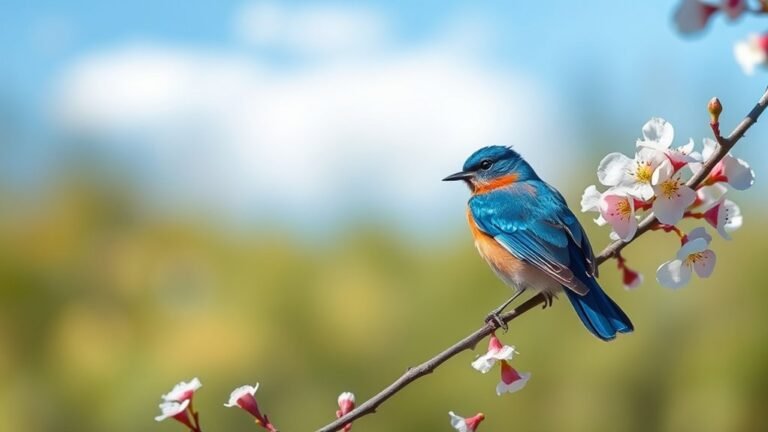
Many birds like to eat insects, but some really love to feast on spiders. The American Robin and the Eastern Bluebird are two birds that hunt for these eight-legged creatures. You can find them in places where spiders are plentiful, like gardens and forests.
Other birds, such as warblers and wrens, also enjoy eating spiders, especially when they've chicks to feed. Spiders are a great source of protein for baby birds.
These birds have special ways of finding and catching spiders to help them grow strong and healthy.
Hunting Techniques: How Birds Capture Spiders

Many birds use clever ways to catch spiders. They show how good they're at being hunters. When you watch these birds, you see them using different techniques. For example, wrens and sparrows flip over leaves and sticks to find hidden webs or egg sacs.
Flycatchers are known for their quick movements in the air. They can grab spiders while flying. Some bird species also work together. They signal each other to scare spiders out of their hiding spots.
Each of these methods helps the birds in their specific homes. The birds understand how spiders act. This shows us the interesting tug-of-war between the birds and the spiders. Watching birds hunt spiders can be a fun way to learn about nature.
Seasonal Variations in Spider Consumption
Birds and spiders have a unique relationship that changes with the seasons. Each season brings different spider populations, which affects how much birds can eat.
- Spring: When it gets warmer, spiders come out. Birds take advantage of this time, as they need food to feed their young during nesting.
- Summer: Spiders are most active in summer. Birds find many spiders to eat in green, healthy places. This helps them stay strong and healthy.
- Fall and Winter: As the weather cools down, there are fewer spiders. Birds must find other foods to survive, showing how adaptable they are.
The Impact of Spiders on Bird Health and Reproduction
Birds eat a lot of spiders. This makes spider health very important for birds. Spiders give birds the proteins and fatty acids they need to stay healthy and strong, especially during breeding season. When there are plenty of spiders, birds can find tasty food for themselves and their babies.
Spiders also help control pests, which keeps the ecosystem balanced. This balance is good for birds because it helps create a healthy environment.
But if spider numbers go down, birds can face problems. They mightn't find enough food, which can make them weak and sick. It can also lead to fewer healthy baby birds.
Spiders in Different Habitats: A Bird's Perspective
Birds need spiders to eat, and where they find spiders depends on the type of habitat.
Let's look at three main places where birds look for spiders:
- Forests: In forests, trees and bushes create homes for spiders. Birds that eat insects love to hunt for spiders in these areas.
- Wetlands: Wetlands have lots of water, which draws in different kinds of spiders. Birds find plenty to eat here, and the water helps them stay hydrated.
- Grasslands: In open grasslands, many spiders live in the grass and wildflowers. This space gives birds many chances to find food and build their nests.
By knowing how birds and spiders depend on each other in different places, we can appreciate nature more.
It's important to protect these varied habitats, as both spiders and birds rely on them to thrive.
Behavioral Adaptations in Insectivorous Birds
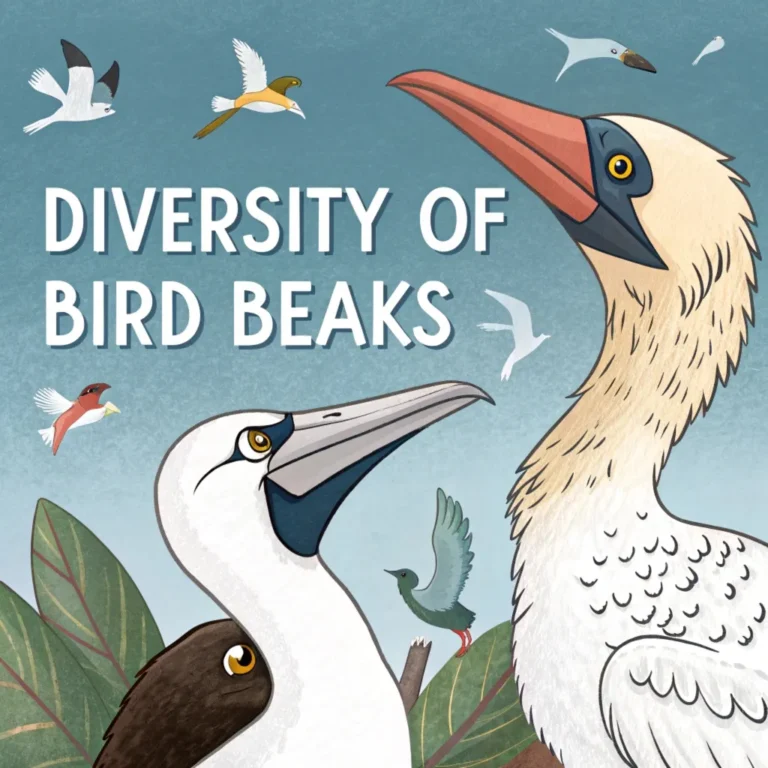
Insectivorous birds are interesting creatures with unique hunting skills. They've special beaks that help them eat insects. For example, some have sharp, curved beaks that can pull insects out of tree bark. Others have long, thin beaks that help them find bugs hiding in leaves.
These birds also use different methods to find their food. Some, like flycatchers, sit still and wait for insects to fly by before they jump up to catch them. Other birds, like warblers, move around a lot. They search through leaves quickly to find hidden insects.
These skills help them survive and fit well into their environment. Each bird finds its place and interacts with other birds and nature in their own way.
It's amazing to see how these birds work hard to find food and live together in their habitat.
The Ecological Importance of Birds Eating Spiders
Birds eating spiders play an important role in nature. They help keep the balance in our ecosystems. Here are three simple reasons why this is so crucial:
- Pest Control: Birds eat spiders, which helps control the number of bugs that spiders usually catch. This keeps everything healthy and balanced in the environment.
- Nutrient Cycling: When birds eat, they produce waste. This waste turns into nutrients for the soil. Good soil helps plants grow better.
- Habitat Diversity: Birds eating spiders helps create different types of habitats. This allows many kinds of animals and plants to live together, increasing the variety of life.
In these ways, birds help keep our ecosystems strong and stable.
It's fascinating to see how every creature, big or small, plays a part in nature!
Observing Birds and Their Spider Diets in the Wild
When you watch birds in nature, you'll see something interesting: many of them eat spiders. This makes bird watching a fun adventure!
Different birds have different ways to catch these little creatures. Some birds look for spider webs and wait to snatch spiders that come too close. Other birds flip over leaves or tap on tree bark to find hidden spiders.
Birds like warblers and wrens eat spiders because they're full of protein. This is important for their muscles and helps them when they're building nests.
Learning about how birds hunt for spiders can help people who love bird watching connect with each other. It also shows how birds help control spider numbers.
Frequently Asked Questions
Do All Birds Eat Spiders or Just Specific Species?
Not all birds eat spiders. Some birds do hunt them, but many others prefer different kinds of food. Each bird species has its own way of finding meals based on what it needs to live. For example, some birds catch spiders because they are a tasty snack, while others might eat seeds, fruits, or insects instead. It all depends on the bird and where it lives. Birds can be interesting to watch as they search for food!
How Do Birds Locate Spiders in Their Environment?
Birds look for spiders using their sharp eyes and clever hunting skills. They notice colors, shapes, and movements in their environment. Their nesting habits help them find spiders more easily. By paying attention to where spiders might hide, birds can catch these tricky little creatures in their homes. It's all about being observant and using what they know to spot and grab their next meal!
Are There Dangers for Birds Eating Venomous Spiders?
Birds eating venomous spiders can face some risks. Different birds react differently to spider venom. Some birds can handle the venom without problems. Others might get very sick, which can harm their health and ability to have babies.
It's important for birds to find food that is safe. If a bird eats a spider that is too poisonous, it could cause big issues. This can affect not just the bird but also its future offspring. So, while some birds might enjoy a spider snack, they need to be careful about what they eat!
What Other Food Do Birds Prefer Besides Spiders?
Birds have different tastes when it comes to food. Many birds love seeds, especially sunflower seeds. Others prefer to eat bugs. They enjoy munching on caterpillars, beetles, and ants. This shows that birds can eat a variety of foods to stay healthy.
Besides seeds and insects, some birds also eat fruits, berries, and nuts. They might snack on apples, grapes, or peanuts when they can find them. Each bird type has its favorites, and they adapt their diets based on what's available. It's interesting to see how different birds choose their meals!
Do Weather Conditions Influence Spider Accessibility for Birds?
Weather conditions have a big effect on how many spiders are around. On warm and humid days, there are usually more spiders. This means birds can find plenty of these tasty treats. When the air is moist and the sun is shining, it's a great time for birds to hunt spiders. So, if you see a lot of spiders, it's likely a nice day for birds to eat.

Joyce is the passionate founder of Chirping Hearts, a website dedicated to sharing her love for birds and providing valuable information about avian life. With a background in ornithology and years of experience in birdwatching, Joyce aims to inspire others to appreciate the beauty and diversity of birds. Through her engaging articles and guides, she hopes to foster a community of bird enthusiasts who share her enthusiasm for these incredible creatures. When she’s not writing, Joyce enjoys exploring nature trails and observing birds in their natural habitats.