
31 Birds With Red Heads: Discovering the Red Elves of the Sky
Birds are amazing creatures, and there are 31 special types that have bright red heads. Some of these birds include the Red-headed Woodpecker and the Scarlet Macaw. Each of these birds has a unique job in nature. They help their homes by acting in different ways.
Let's look at where these red-headed birds live and how they make friends. This can teach us a lot about keeping nature in balance. What can we learn from these red-headed birds about how they survive and change over time?
These colorful birds are not just pretty to look at; they play important roles in their habitats. Watching them can be both fun and educational. So, let's dive into the world of red-headed birds and discover what makes them so special!
A Quick Overview
Sure! Here's a simplified and engaging version of the original text about red-headed birds:
—
Red-headed birds are easy to spot. Their bright red feathers stand out, especially against other colors in their homes. They can live in many places like tropical forests, grassy fields, wetlands, and gardens. This shows they can adapt to different environments.
When it comes to raising their young, different species of these birds have their own special ways. They choose various nesting spots to keep their babies safe and foster a sense of community among them.
Birds have unique ways of finding food. Some knock on trees to find insects hidden inside, while others look for fruits and seeds on the ground or in bushes.
Sadly, many red-headed birds are at risk. Their homes are disappearing because of human activities and changes in the environment. This makes conservation efforts very important to help protect these beautiful birds.
—
I hope you find this version clear and enjoyable!
Red-headed Woodpecker
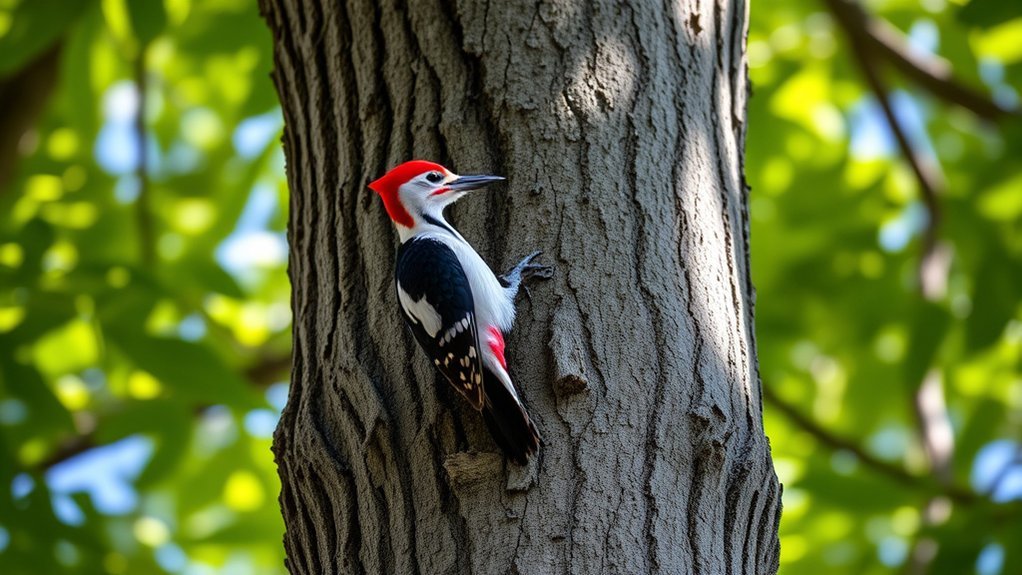
The Red-headed Woodpecker is a beautiful bird. You can easily spot it because of its bright red head and neck. Its wings are black, and its belly is white.
These woodpeckers like to live in open woods and grassy areas. They often choose dead trees to make their nests and look for food. You'll see them tapping on tree bark to find bugs like beetles and caterpillars. They're great at finding food.
In winter, Red-headed Woodpeckers store food in tree crevices. This helps them survive when food is scarce. They also help keep trees healthy by eating harmful insects.
Watching these woodpeckers can be a fun way to learn about nature. They bring a lot of color and life to their environment.
Red-crowned Parakeet
The Red-crowned Parakeet is a beautiful bird. It has bright green feathers and a special red crown on its head. This parakeet lives in New Zealand, mostly in coastal forests and scrublands. They like to build their nests in tree holes, where they're safe from predators.
These birds eat seeds, fruits, and flowers from their surroundings. They also enjoy sipping nectar from different blossoms. This helps them stay healthy and strong. Learning about their home and food habits can help us appreciate how important they're to nature.
To help protect these wonderful birds, we should respect their homes and the environments they live in. By doing this, we become part of the efforts to keep the Red-crowned Parakeet safe.
Scarlet Macaw
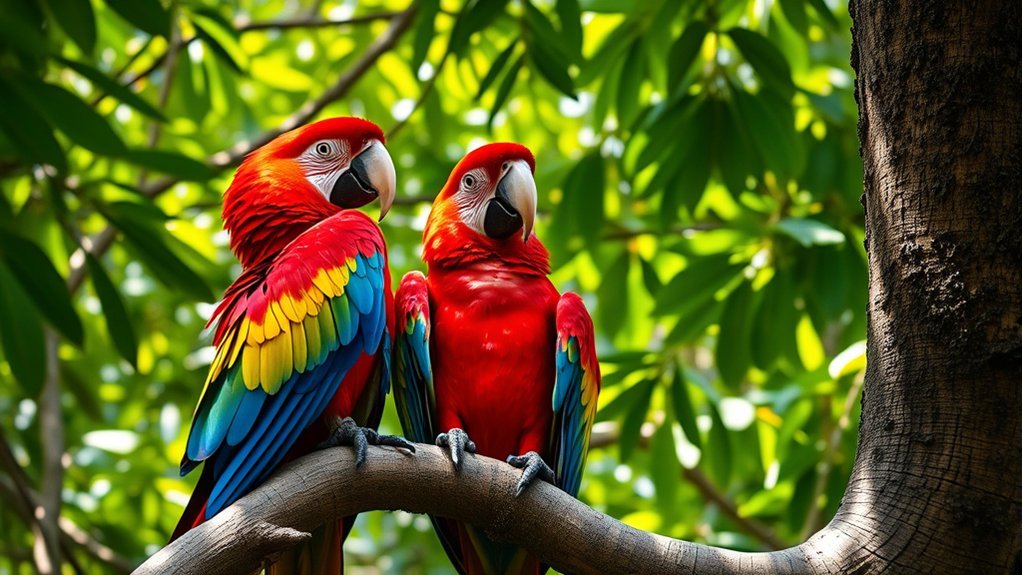
Scarlet Macaws are beautiful birds with bright red, yellow, and blue feathers. They live in the tropical rainforests of Central and South America. These birds like to stay in tall trees and near rivers. Their strong beaks help them open hard seeds and nuts, which they need to eat to survive.
Sadly, Scarlet Macaws face problems. Their homes are disappearing because of deforestation, and some people hunt them. This makes it important for us to help protect them. You can join local efforts and support areas where they're safe to live.
When you watch these amazing birds, remember that your support helps protect them and their homes.
Red-billed Quelea
The Red-billed Quelea is a really interesting bird, even though many people mightn't notice it. This bird travels in huge groups and moves around a lot to find food and good places to live. It can live in different spots, especially in sub-Saharan Africa.
One cool thing about the Red-billed Quelea is how it builds homes. These birds make nests together in large groups, usually in acacia trees. Building nests this way helps keep them safe from enemies and helps more baby birds survive.
By learning about the Red-billed Quelea's habits and what it does in nature, you can see how important it's for keeping ecosystems healthy. These birds help spread seeds and support different kinds of plants in their areas.
Red-headed Manakin
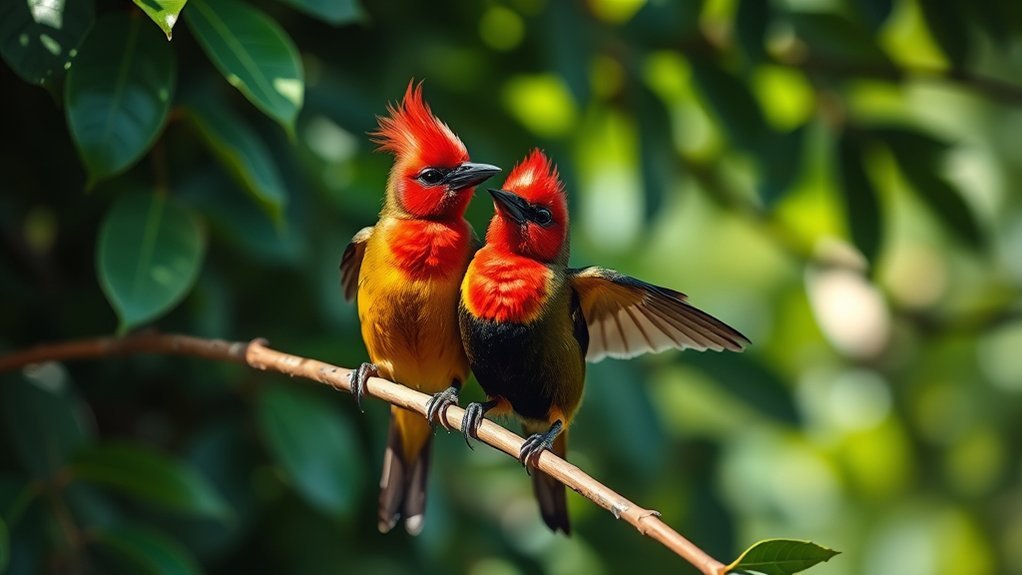
When you see a Red-headed Manakin in the wild, you're looking at a beautiful bird in the rainforests of Central and South America. These birds have bright, colorful feathers and do some fascinating things, especially when attracting a mate.
Male Red-headed Manakins show off with fast, fluttery flights and special moves to impress females. They like to hang out in thick bushes close to the ground, especially in wet places where they can hide easily.
As you watch them, notice how quickly they move. They're quick and careful, which helps them stay safe from dangers.
Learning about the Red-headed Manakin's home and how they behave is interesting. It teaches us about their lives and how they socialize, making us appreciate the wonders of nature even more.
Crimson-collared Tanager
The Crimson-collared Tanager is a colorful bird found mainly in Central America. This bird likes to live in humid, subtropical forests and shrubby areas. Its bright red head and black body make it very easy to spot, which is why many birdwatchers enjoy seeing it.
When you watch this bird, you'll hear its cheerful calls and see it move around energetically. These tanagers often travel in groups, hopping through branches as they look for fruits, insects, and nectar to eat.
Their friendly nature makes it fun to watch them, bringing joy to anyone interested in birds.
Northern Cardinal
The Northern Cardinal is a beautiful bird with bright red feathers and a special little crest on its head. You can find these birds in many places like woods, gardens, and bushes all over North America. They're really good at living in cities too.
One of the best things about Northern Cardinals is their lovely song. They sing clear notes that can help them find mates and keep their homes safe from other birds.
When you see a cardinal sitting in the trees, you can enjoy its beauty and know that it plays an important role in nature. These birds make our surroundings more colorful and bring joy to bird watchers and nature lovers.
Red-breasted Nuthatch
You might see a Red-breasted Nuthatch hopping up and down tree trunks. This small bird is lively and found in coniferous forests all over North America. It has some cool skills that make it fun to watch.
- Climbing Skill: It can go down tree trunks headfirst, which is special for birds.
- Storing Food: It hides seeds and nuts in crevices of tree bark to eat later.
- Social Behavior: During winter, these birds often team up with different species, which helps them stay safe.
- Bird Calls: They've unique sounds that help them communicate with each other.
The Red-breasted Nuthatch isn't just a pretty sight; it's a clever little bird that has its own way of living in the forest!
Vermilion Flycatcher
The Vermilion Flycatcher is a small, lively bird found in the American Southwest. Its bright red feathers easily catch your eye. This bird lives in open fields and near water, showing it can adapt to different places.
During spring, these colorful birds move to their breeding spots. They've specific patterns for their migration that help them have baby birds. The bright colors of the Vermilion Flycatcher are important for attracting mates.
To keep these birds safe, we need to take care of their habitats. Joining local conservation groups can help protect the Vermilion Flycatcher and its home.
Working together, we can all help these beautiful birds continue to thrive. Engaging in conservation also connects us with nature and each other, making our communities stronger.
Red-headed Finch
The Red-headed Finch is a colorful little bird with a bright red head and soft brown feathers. It lives in grasslands, where it finds food and shelter. This bird often hangs out in groups, which helps keep it safe and makes finding food easier.
Here are some neat things about the Red-headed Finch:
- Feeding habits: These birds like to eat seeds. They're good at changing their diet based on what food is around.
- Habitat preferences: You can see them in open grasslands. The grass gives them places to hide and search for food.
- Breeding behaviors: When it's time to make nests, they've special ways of building them. They hide their nests deep in the grass to keep their eggs safe.
- Conservation status: Right now, they're in danger because their homes are being lost. This is why it's important to protect their habitat.
The sounds they make fill the air with life, making it a joy to spot these lovely birds in the wild.
Red-winged Blackbird
The Red-winged Blackbird is a beautiful bird. You can easily spot them because they've shiny black feathers and bright red patches on their shoulders. These birds like to live in wet areas like marshes, wetlands, and fields filled with cattails and reeds.
Male Red-winged Blackbirds are interesting to watch. They show off by puffing up their feathers and making loud calls to scare away other birds. During the mating season, they gather in groups. This team spirit helps them have more baby birds.
Female Red-winged Blackbirds are different. They've brown feathers with streaks and are great nest builders. They create cozy nests in thick plants to keep their chicks safe.
When you learn about how these birds live and behave, you appreciate them even more. You can feel a stronger connection to the places they call home.
Red-throated Diver
Red-throated Divers, also called Red-throated Loons, are beautiful birds that live in northern areas during the summer. They've bright red throats and stream-lined bodies, which makes them fun to watch for bird lovers.
- Breeding: During mating season, Red-throated Divers put on exciting courtship shows. They make beautiful sounds and dive together in perfect sync.
- Nesting: These birds build their nests close to fresh water where there's lots of plants. This helps them keep their eggs safe and hidden.
- Migration: After breeding, Red-throated Divers fly to the ocean for winter. They can easily adapt to different water environments.
- Feeding: They mostly eat fish and small sea creatures. They're quick divers and catch their food by diving under the water.
Learning about their mating habits and migration can help you appreciate these amazing birds even more!
Barn Swallow
Barn Swallows are small birds, about six to seven inches long. They're easy to recognize because of their forked tails and shiny blue feathers. These birds are great flyers. Every autumn, they travel a long way from North America to South America. That's thousands of miles!
Barn Swallows eat insects. They catch them while flying, making their flight deep and quick.
When it's time to build nests, they choose places made by people, like under rooftops or bridges. They use mud to make their nests.
This relationship is good for both swallows and people. It shows how we all connect in nature.
Watching Barn Swallows fly can make you feel happy. It reminds you that we share our homes with many beautiful creatures and that we all have a part in the circle of life.
Common Redstart
The Common Redstart is a small bird that catches your eye with its bright colors. It lives in many places and has different favorite spots.
- Woodland edges: You can see them jumping around trees and bushes.
- Scrubland: They like open areas with short plants.
- Urban gardens: They're good at living in places changed by people, like gardens.
These birds mainly eat insects. They look for little bugs but will also grab some berries now and then.
When they search for food, Common Redstarts flick their tails. This fun movement shows how they catch prey and adds to their charm.
Watching them can be a real treat for bird lovers and nature fans!
House Finch
The House Finch is a colorful bird that can live in many places, just like the Common Redstart.
You'll often see them in your neighborhood, especially in towns and cities. House Finches like to hang out in groups, which helps them form friendships with each other.
When you listen closely, you can hear their happy songs which brighten up the area around you. These birds are clever; they build their nests in safe spots like trees or buildings.
Male House Finches are especially eye-catching during mating season because of their bright red feathers.
These traits show us how House Finches adapt to their surroundings and stay close to one another.
Next time you see them, take a moment to enjoy their presence in your daily life!
Red-tailed Hawk
The Red-tailed Hawk is one of the most common birds of prey in North America. You can often see this beautiful bird soaring above fields and woods. It can live in many different places, which shows how adaptable it is.
This hawk has some cool ways to find food:
- Perched Ambush: It sits quietly on tree branches and waits for a small animal to come by.
- Kiting: It hovers in the air to look for movement on the ground.
- Cooperative Hunting: Sometimes, two hawks will work together to hunt. This helps them cover more area.
- Vocal Displays: The Red-tailed Hawk has a loud call that lets other hawks know where it is.
These hawks prefer open grasslands and areas close to forests.
Watching them can help you feel more connected to nature. It's a great way to enjoy and appreciate wildlife!
American Robin
Have you ever seen a bright orange and gray bird hopping around your yard? That's the American Robin! This bird is well-known and has some interesting habits. In winter, it flies thousands of miles to warmer places. Then, when spring comes, it returns north to have babies.
American Robins are smart when it comes to building nests. They can make nests in many different spots, like bushes or ledges. To make their nests, they use grass, mud, and twigs.
The female robin usually lays three to five blue eggs and sits on them to keep them warm for about two weeks.
Watching American Robins can be a joy. They remind us of nature and the changing seasons. Many people enjoy seeing these lively birds as symbols of new life and strength.
Rose-breasted Grosbeak
The Rose-breasted Grosbeak is a beautiful bird that catches the eye with its bright colors. These birds aren't just pretty; they also have interesting behaviors. Male grosbeaks sing to mark their territory and attract female mates during breeding season.
Here are some fun facts about the Rose-breasted Grosbeak:
- What They Eat: They like to eat seeds, fruits, and insects.
- Breeding Time: Their breeding season is from late spring to early summer.
- Building Nests: Female grosbeaks build nests using twigs and grass in shrubby areas.
- Migration: They migrate from North America to Central America and back, traveling with the seasons.
Learning about these facts can help you appreciate the charm of the Rose-breasted Grosbeak even more!
Red-shouldered Hawk
The Red-shouldered Hawk is a special bird. It has bright red feathers and shows interesting behaviors that help nature. You can find these hawks in forests, swamps, and even neighborhoods. They like to hunt small animals, frogs, and other birds. This helps keep the balance in nature.
In winter, some Red-shouldered Hawks travel to warmer places. Others stay in one place all year if they can find enough food. Watching these hawks can help you see how different animals depend on each other. Learning about them lets you feel more connected to nature.
Costa's Hummingbird
Let's take a look at the Costa's Hummingbird! This colorful little bird is known for its bright purplish-red crown and throat. You can usually find it in desert areas.
Here are some cool facts about the Costa's Hummingbird:
- Where They Live: They like dry places, especially near plants that have flowers.
- What They Eat: They love drinking nectar from flowers, especially those that look like tubes, like trumpet vines and sage.
- How They Eat: These hummingbirds can be fierce! They often guard their feeding spots from others.
- Travel Habits: Costa's Hummingbirds move between southern California and Mexico during different seasons to find food.
These little birds bring color and energy to gardens and natural spaces. Watching them flit around is a real treat!
Red-crowned Amazon
The Red-crowned Amazon is a colorful bird that many people love to watch. It has a bright red crown and green feathers that make it stand out. These smart birds usually live in warm, tropical forests near water, where they can find lots of tasty fruits.
Red-crowned Amazons are very social. They like to stick together in groups and enjoy chatting with each other using different sounds. They use their strong beaks to grab fruits, nuts, and seeds from trees, showing off their good skills while they eat.
When you see or hear these birds, you can tell they care about their friends and their territory. Learning about where they live and how they interact can make you appreciate these beautiful birds even more.
It's exciting to think about the life they lead and how they connect with each other and their surroundings.
Red-browed Finch
The Red-browed Finch is a colorful bird that you might enjoy learning about. This bird has a bright red stripe above its eyes and a greenish body. It likes to live in certain places and has specific food choices that are interesting.
- Habitat: The Red-browed Finch mostly lives in thick bushes and grassy areas. You can find it in eastern Australia.
- Diet: It mainly eats seeds from native grasses and sometimes fruit.
- Behavior: This bird likes to be social. You'll often see it foraging in small groups with other finches.
- Breeding: The female builds her nest in low bushes, often in safe, hidden spots.
Learning about the Red-browed Finch's home and food helps us appreciate this lovely bird. It plays an essential role in its ecosystem and can help us feel closer to nature.
Crimson Rosella
The Crimson Rosella is a bright and beautiful parrot that lives in eastern and southeastern Australia.
These birds are famous for their colorful feathers, which impress many bird watchers. You can find Crimson Rosellas in woodlands, forests, and gardens. They like places with lots of eucalyptus trees because these trees give them shelter and food.
Crimson Rosellas mainly eat seeds, fruits, and berries. They prefer to munch on plants that grow naturally in their areas.
When they search for food, they help spread seeds around, which is important for the environment.
Watching these parrots in the wild connects you to nature. It also helps you see how valuable it's to protect birds and their habitats.
Enjoying the sight of a Crimson Rosella can make you appreciate all the wonderful birds around us and the need to care for them.
European Goldfinch
If you see a European Goldfinch, you'll likely notice its bright colors and friendly nature.
These small birds live in many places like gardens, parks, and farms. They love to eat seeds, especially from thistles and dandelions.
Here are some fun facts about them:
- Behavior: Goldfinches are very playful. They often hang upside down when they eat.
- Sounds: They sing beautiful songs and make different calls to talk to each other.
- Mating: In spring, male goldfinches show off their bright feathers to impress the females.
- Nesting: They build their nests in thick bushes to keep their babies safe.
It's important to take care of these lovely birds as their homes change.
Let's help protect them!
American Redstart
American Redstarts are small birds that are easy to spot because of their bright colors. The males have a striking mix of orange and black feathers. You can mostly find them in leafy forests, especially when they're breeding.
During breeding time, male American Redstarts perform fun courtship displays. They sing songs and show off their pretty tail feathers to catch the attention of female birds. They typically build their nests low to the ground in shrubs or on tree branches. This choice helps keep their babies safe.
These birds are also known for their long migrations. Every year, they fly thousands of miles to warmer places like Central America for the winter. Learning about how they travel helps us appreciate the important role these birds play in connecting different ecosystems.
American Redstarts are charming animals that add beauty to our natural world.
Red-faced Corman
Red-faced Cormorants are interesting birds that have bright red patches on their faces. These colors get even brighter during mating season, which shows they're ready to find a mate.
Let's look at where they live and what they do:
- Where They Live: Red-faced Cormorants like to stay near rocky shores and cliffs. They need the ocean to find food.
- How They Hunt: They're great divers and can catch fish very well.
- Living Together: These birds often build their nests in groups. They like to stick together in communities.
- How They Talk: They use their bright face colors to show their feelings, like when they're excited or stressed.
Red-faced Cormorants show how birds adapt to their homes and surroundings. They're strong and resourceful in their coastal environment.
Red-tailed Tropicbird
The Red-tailed Tropicbird is a beautiful bird that many people find fascinating. This bird has a unique look and interesting behaviors.
During the breeding season, Red-tailed Tropicbirds like to gather in groups on quiet islands. They perform special dances in the air to attract their mates. You can see them flying gracefully, showing off their long tail feathers.
When it comes to feeding, these birds are experts at catching fish. They fly over the ocean, looking for fish swimming near the water's surface. When they spot one, they dive down to catch their meal.
Learning about the Red-tailed Tropicbird helps us understand the important role they play in their environment.
They're part of a lively ecosystem, and their actions show how all living things are connected. Knowing more about them makes us appreciate the world around us even more!
Fire-bellied Toad
The Fire-bellied Toad (Bombina orientalis) is a colorful frog found mostly in East Asia. It likes to live in ponds, streams, and marshes. These toads have green backs and bright orange tummies, which warn animals that they might be poisonous.
Here are some important facts about Fire-bellied Toads:
- Habitat: They enjoy warm, shallow waters with lots of plants around.
- Diet: They eat insects, worms, and small creatures.
- Breeding: During mating season, the male toads make loud calls to attract females.
- Conservation: Fire-bellied Toads face problems from pollution and losing their homes. It's important to protect them.
Learning about these frogs helps us understand the variety of life in their environment. They aren't just interesting; they're part of a bigger ecosystem.
Black-throated Green Warbler
Fire-bellied Toads are colorful animals found in many ecosystems.
In North America, we also find the Black-throated Green Warbler (Setophaga virens). These warblers are easy to spot because of their bright olive-green feathers and their black throat.
Black-throated Green Warblers like to live in mature deciduous and mixed forests. They often stay close to coniferous trees. You can find their nests in thick leaves, which help keep them safe from predators.
During migration, you might see them in suburban areas because they can adapt to living near people.
Knowing where these warblers like to live can help us protect them. When we take care of their habitats, we help keep our ecosystems balanced.
These lovely birds remind us to appreciate the beauty of nature.
Greater Flamingo
The Greater Flamingo is a beautiful bird. With bright pink feathers and a long neck, it catches people's attention easily. You can find these birds near coastal lagoons, salt marshes, and shallow lakes. Learning about how they act helps us understand their groups and how they find food.
Here are some important facts about the Greater Flamingo:
- Courtship Role: Flamingos have fun and interesting dances to attract their partners.
- Feeding Method: Their special bills help them catch tiny creatures from the water.
- Group Living: They live in large groups, which makes them safer and allows them to help each other.
- Long Legs: Their long legs let them walk in water to find food at different depths.
These facts show how amazing the Greater Flamingo is and why it's fun to learn about them!
Red-footed Booby
The Red-footed Booby is a colorful bird with bright red feet and a blue bill. You can find these birds mostly in tropical areas. They've interesting behaviors that help them survive.
When it comes to nesting, Red-footed Boobies prefer trees and shrubs instead of nesting on the ground. This choice keeps their young safe from predators. They often nest in groups and like to use the same sites year after year.
During courtship, these birds show off with fun dances and moves to strengthen their pair bonds. They mainly eat fish and dive brilliantly from the air to catch their meals.
Watching Red-footed Boobies can teach us a lot about the ocean and how everything in nature works together. They remind us how delicate and balanced nature can be.
Frequently Asked Questions
What Habitats Do Red-Headed Birds Prefer for Nesting?
Red-headed birds like to nest in places like forests and wetlands. These areas give them a safe home to raise their young. Keeping these habitats safe is very important. Without good places to nest, red-headed birds can struggle to survive and have babies. Protecting their homes helps keep their populations strong. So, we should take care of forests and wetlands to support these beautiful birds.
How Can I Attract Red-Headed Birds to My Backyard?
To attract red-headed birds to your backyard, start by putting up bird feeders. Fill these feeders with seeds that red-headed birds love. Make sure to hang these feeders in a quiet spot where the birds feel safe.
You can also set up nesting boxes. These boxes should look like the birds' natural homes. Place them close to the feeders. This makes the birds feel comfortable and encourages them to visit your yard more often.
With a bit of care and attention, you'll create a friendly space for red-headed birds to come and stay in your backyard! Happy birdwatching!
Are Red-Headed Birds Endangered or Threatened Species?
Some red-headed birds are facing problems that put them at risk, but not all of them are endangered. Many groups work hard to keep an eye on these birds and help protect them. This helps ensure that they stay safe and that the natural world around them stays healthy. It's important for us to care about these birds and their homes.
What Do Red-Headed Birds Typically Eat?
Red-headed birds have a varied diet. They mainly eat seeds, fruits, and insects. Their food choices can change depending on the season. This helps them get the nutrients they need. By eating what is available, they play an important role in their environment. Isn't that interesting?
How Can I Differentiate Between Similar-Looking Red-Headed Species?
To tell apart red-headed birds that look alike, pay attention to their feather patterns and listen to their sounds. Every type of bird has unique colors and calls. By observing these details closely, you can confidently spot the differences. This will help you enjoy and appreciate the variety of birds around you even more!

Joyce is the passionate founder of Chirping Hearts, a website dedicated to sharing her love for birds and providing valuable information about avian life. With a background in ornithology and years of experience in birdwatching, Joyce aims to inspire others to appreciate the beauty and diversity of birds. Through her engaging articles and guides, she hopes to foster a community of bird enthusiasts who share her enthusiasm for these incredible creatures. When she’s not writing, Joyce enjoys exploring nature trails and observing birds in their natural habitats.