All About Gray Catbirds: Habitat, Diet, Migration Patterns, and More
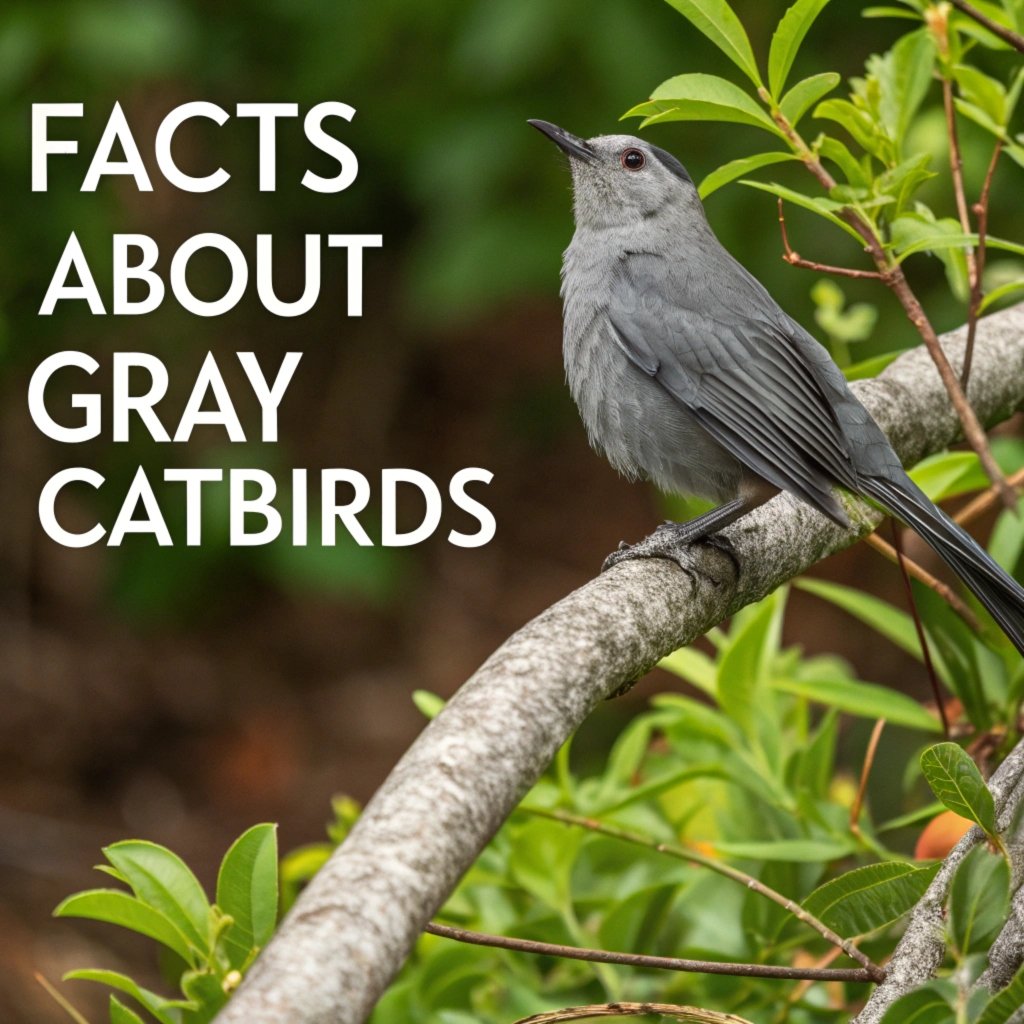
Gray catbirds are fascinating songbirds that captivate bird enthusiasts with their unique traits and behaviors. These medium-sized birds, part of the mimid family, stand out for their distinctive calls and adaptable nature.
In this comprehensive guide, we explore the world of gray catbirds, delving into their physical features, habitats, vocalizations, and daily habits.
Let’s uncover the secrets of the gray catbird, from its cat-like mew to its impressive mimicry skills.
Key Takeaways: Gray Catbird Essentials
- Scientific name: Dumetella carolinensis
- Family: Mimidae (mockingbirds and thrashers)
- Size: 8.1 to 9.4 inches in length
- Wingspan: 8.7 to 11.8 inches
- Weight: 23.2 to 56.5 grams
- Distinctive features: Gray plumage, black cap, rust-colored undertail coverts
- Habitat: Dense shrubs, thickets, and woodland edges
- Diet: Omnivorous, consuming insects and fruits
- Vocalization: Cat-like mew and ability to mimic other sounds
- Breeding: Typically two broods per season
- Lifespan: Up to 17 years in the wild
- Conservation status: Not threatened, widespread across North America
The gray catbird, with its melodious songs and distinctive appearance, has long been a favorite among bird enthusiasts. These adaptable creatures thrive in a variety of habitats, from dense suburban gardens to remote woodland edges.
Their remarkable ability to mimic other birds and even mechanical sounds sets them apart in the avian world, making them a subject of fascination for both casual observers and seasoned ornithologists alike.
Let’s explore the captivating life of the gray catbird in all its feathered glory.
Physical Characteristics of Gray Catbirds

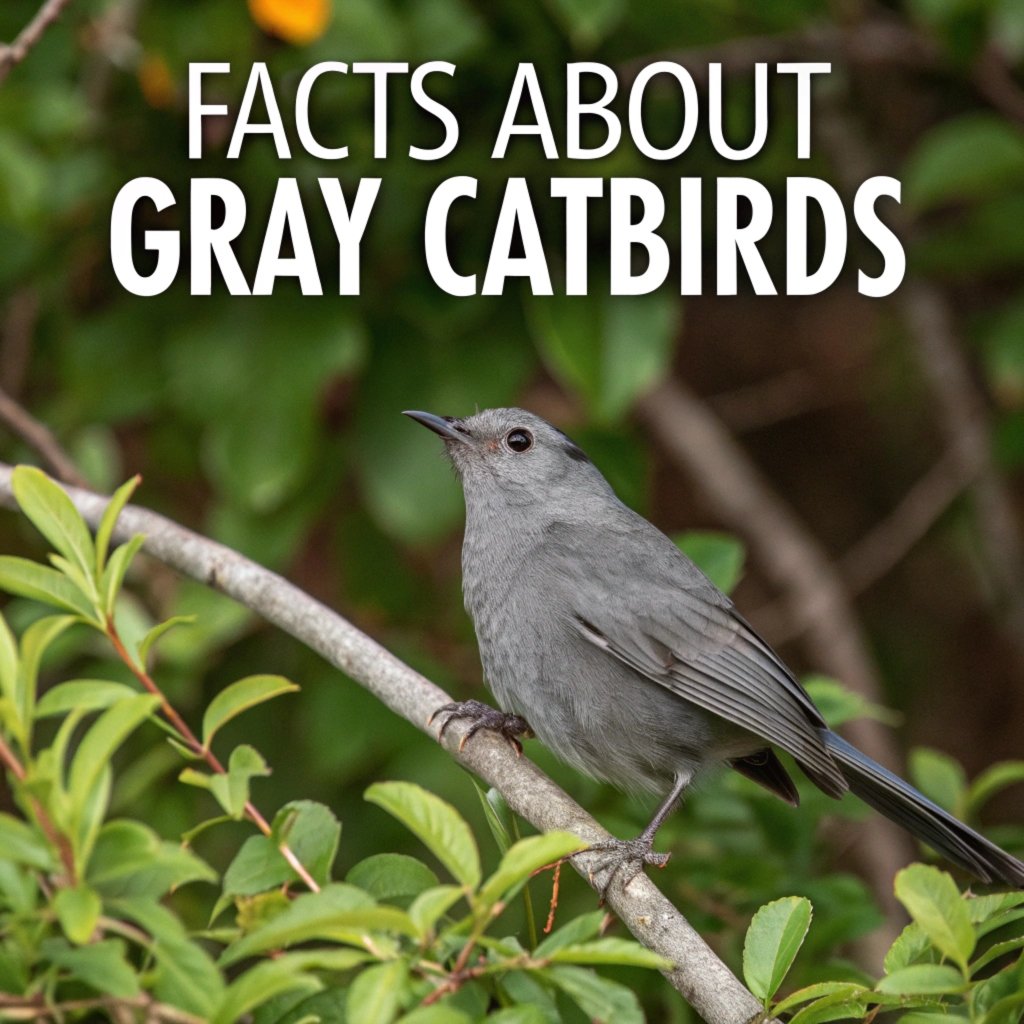
Gray catbirds possess a unique appearance that sets them apart from other songbirds. These birds feature a sleek, gray body with a distinctive black cap on their head.
Their undertail coverts display a rust-colored hue, adding a subtle contrast to their overall appearance.
Adult gray catbirds measure between 20.5 to 24 cm in length, with a wingspan ranging from 22 to 30 cm. Their weight varies from 23.2 to 56.5 grams, with an average of 35-40 grams. The slim bill, eyes, legs, and feet are all blackish in color.
One interesting aspect of gray catbirds is that males and females look virtually identical. Observers can only distinguish between the sexes by observing their behaviors during the breeding season.
The physical adaptations of gray catbirds play a crucial role in their survival and success as a species. Their slender build allows them to navigate through dense vegetation with ease, while their strong legs enable them to forage effectively on the ground.
The dark coloration of their eyes enhances their visual acuity, particularly useful for spotting insects and predators in low-light conditions within their preferred habitats.
Despite their name, gray catbirds are not entirely gray. The subtle variations in their plumage, including the black cap and rust-colored undertail coverts, serve important functions.
The black cap may play a role in communication and mate selection, while the rust-colored feathers underneath the tail can be flashed as a warning signal to potential predators or rivals.
Habitat and Distribution
Gray catbirds thrive in dense vegetation and prefer habitats with ample cover. They commonly inhabit:
- Thickets of young trees
- Vine tangles
- Shrubby areas
- Forest edges
- Overgrown fields
- Hedgerows
These birds are widespread across North America, breeding in the eastern United States, southern Canada, and parts of the western United States.
During winter, they migrate to the southeastern United States, eastern Mexico, and the Caribbean islands.
The adaptability of gray catbirds to various habitats has contributed significantly to their widespread distribution.
These birds have shown a remarkable ability to thrive in urban and suburban environments, often making their homes in parks, gardens, and other green spaces within cities.
This flexibility has allowed them to maintain stable populations even as natural habitats face increasing pressure from human development.
Gray catbirds’ preference for dense vegetation is not just a matter of habitat choice but a crucial aspect of their survival strategy.
The thick cover provides protection from predators, offers suitable nesting sites, and harbors a rich variety of insects and fruits that form the basis of their diet.
This habitat preference also influences their behavior, as they often remain hidden within the foliage, revealing themselves mainly through their distinctive calls and songs.
Vocal Abilities and Communication
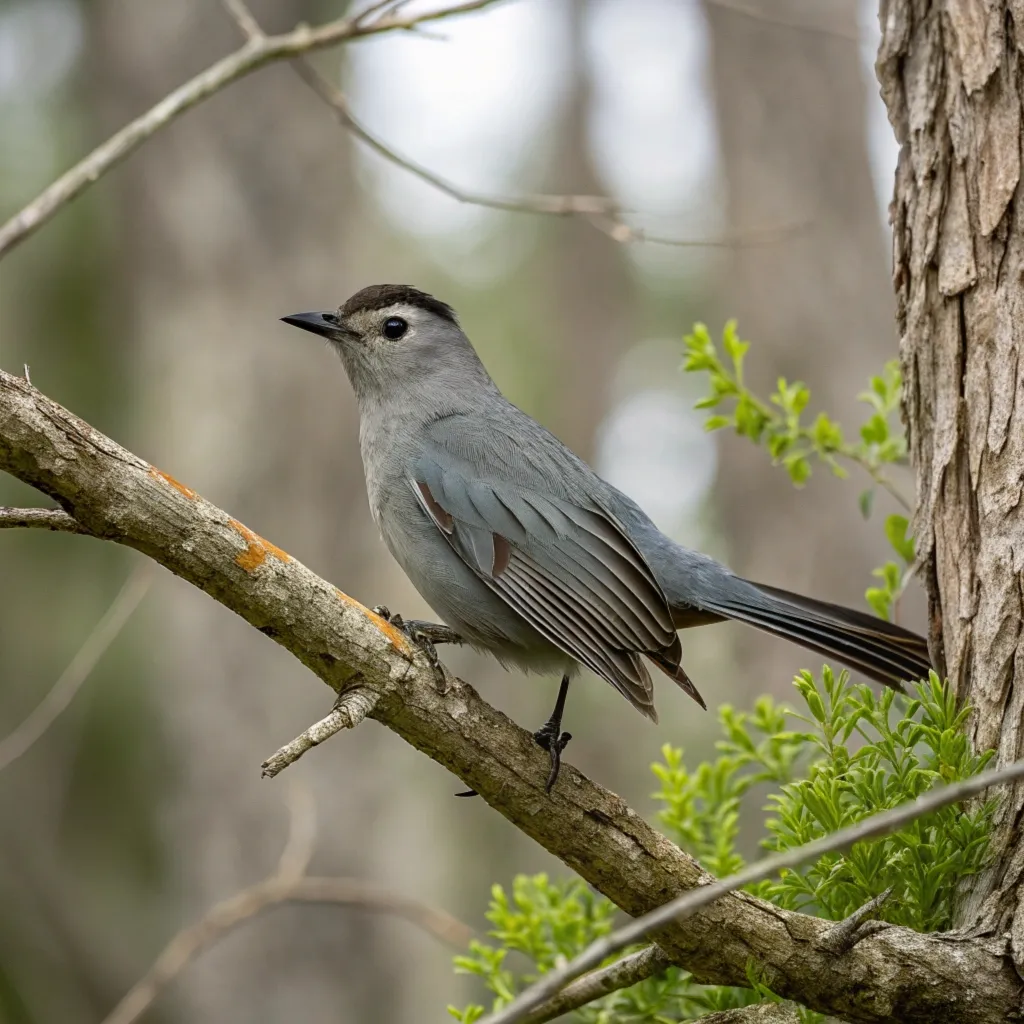
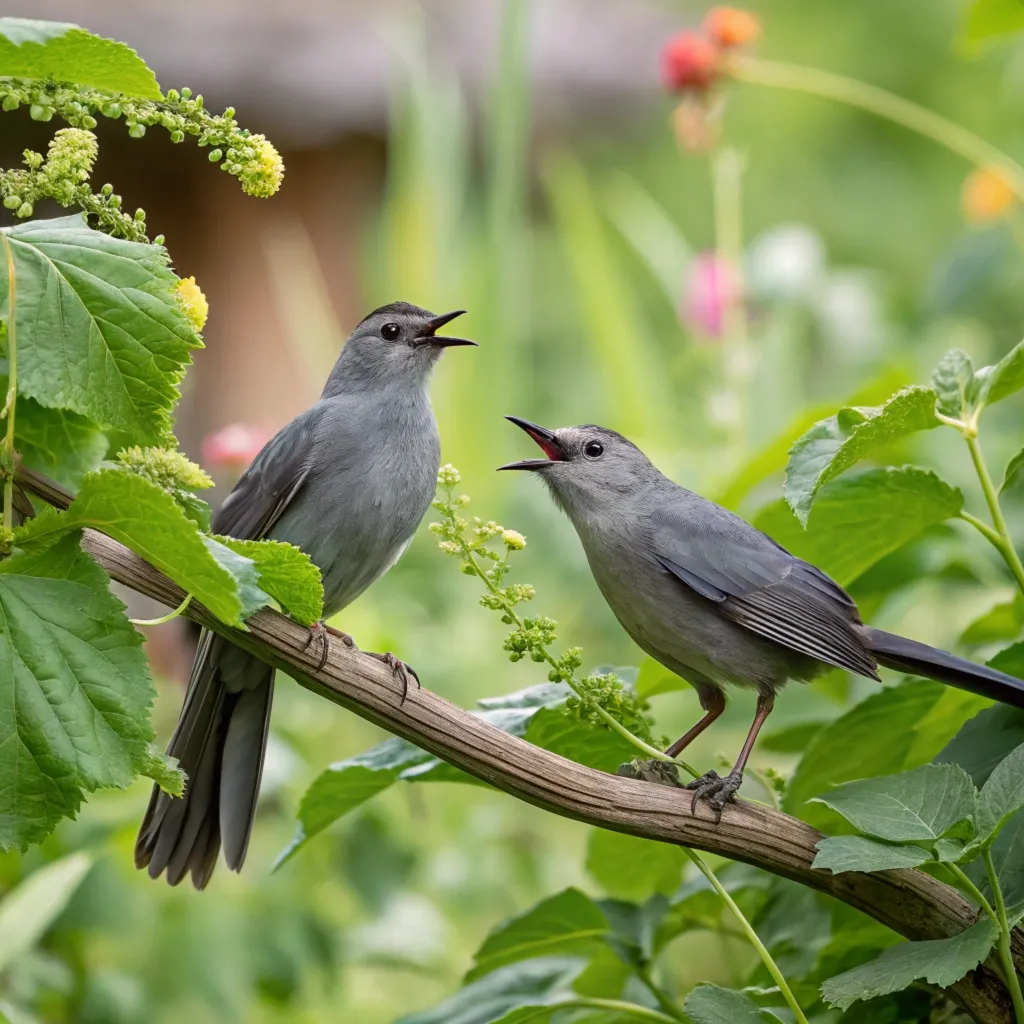
The gray catbird’s vocal prowess is one of its most fascinating traits. These birds are known for their:
- Cat-like mewing call
- Ability to mimic other bird species and sounds
- Long, complex songs lasting up to 10 minutes
Gray catbirds can produce over 100 different types of sounds, including whistles, squeaks, and harsh chatters. Their unique syrinx structure allows them to sing with two voices simultaneously, adding to their impressive vocal repertoire.
The vocal abilities of gray catbirds extend far beyond their namesake cat-like mew. These birds are true avian virtuosos, capable of producing an astonishing array of sounds that serve various purposes in their daily lives.
Their songs play a crucial role in territorial defense, mate attraction, and communication with other catbirds. The complexity of their vocalizations reflects the sophistication of their social interactions and cognitive abilities.
Interestingly, gray catbirds have been observed incorporating man-made sounds into their repertoire, such as car alarms or cell phone ringtones.
This adaptability in their vocal behavior demonstrates their intelligence and ability to learn from their environment. Researchers continue to study the extent of their mimicry skills and the potential implications for understanding avian cognition and communication.
Feeding Habits and Diet
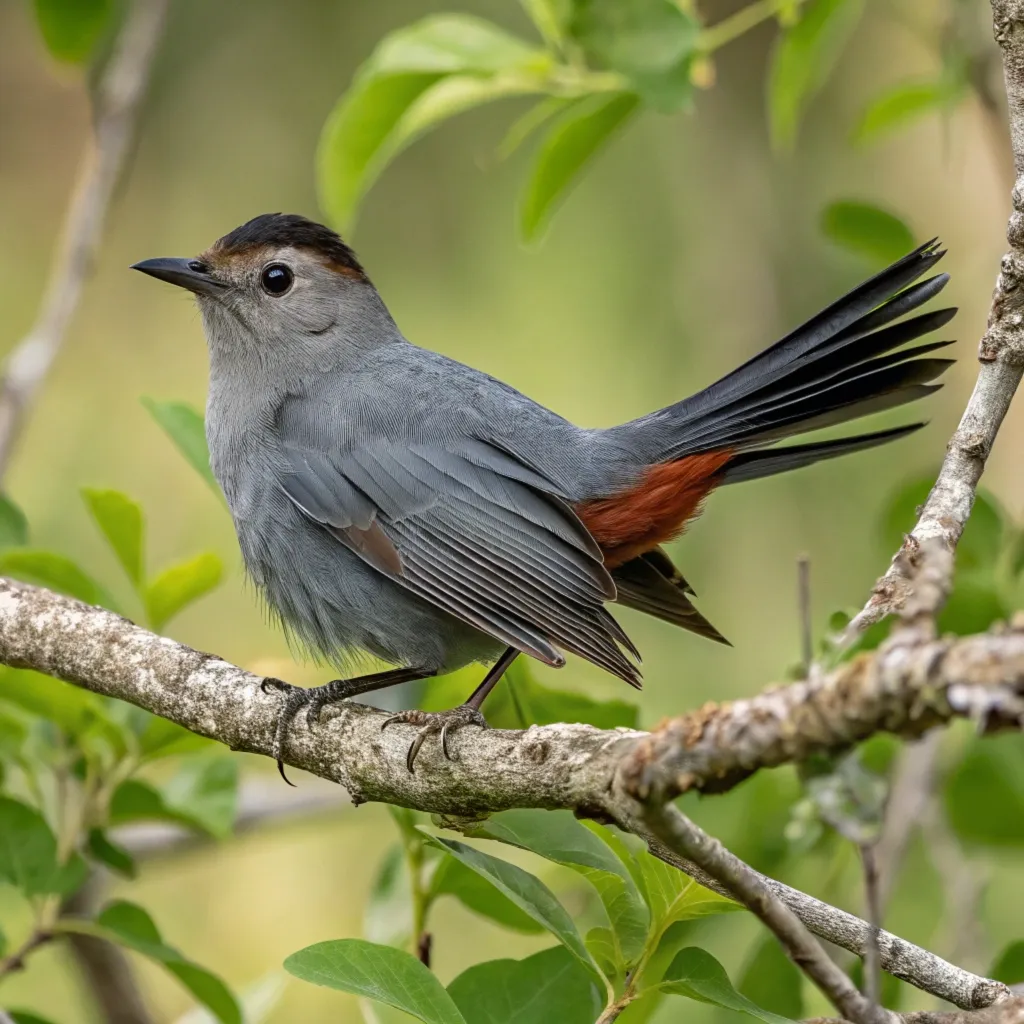
Gray catbirds are omnivorous, with a diet that varies seasonally. Their feeding habits include:
- Foraging in treetops and on the ground
- Consuming insects such as ants, beetles, caterpillars, and spiders
- Eating small fruits from various plants
- Occasionally visiting bird feeders
During early summer, insects make up the majority of their diet. As autumn approaches, they shift to a more fruit-based diet, with over half of their annual food intake consisting of berries and small fruits.
The dietary flexibility of gray catbirds is a key factor in their success as a species. Their ability to switch between insect and fruit-based diets allows them to adapt to seasonal changes in food availability.
This adaptability not only ensures their survival but also plays a crucial role in ecosystem health, as catbirds contribute to both insect control and seed dispersal.
Gray catbirds exhibit interesting foraging behaviors that reflect their diverse diet. They are often seen hopping along the ground, using their sharp eyes to spot insects among leaf litter.
In trees and shrubs, they deftly maneuver through branches, plucking berries and catching insects with precision. Their foraging activities make them valuable allies for gardeners, as they help control insect populations naturally.
Breeding and Nesting Behavior

Gray catbirds exhibit interesting breeding behaviors and nesting habits:
- Breeding season typically runs from April to early August
- Males are territorial and use songs to defend their area
- Females build bulky, cup-shaped nests in dense vegetation
- Nests are constructed using twigs, bark, mud, and sometimes trash
- Females lay 3-5 bluish-green eggs per clutch
- Incubation period lasts 12-14 days
- Both parents feed the young after hatching
- Chicks fledge 10-11 days after hatching
Interestingly, gray catbirds are one of the few bird species that can recognize and remove brown-headed cowbird eggs from their nests, protecting their own offspring from brood parasitism.
The breeding season of gray catbirds is a time of intense activity and complex social interactions. Males engage in elaborate courtship displays, showcasing their vocal abilities and agility to attract females.
These displays often involve puffing up their feathers, spreading their tails, and performing short flight demonstrations.
The strength and complexity of a male’s song can be a crucial factor in mate selection, as it may indicate his fitness and ability to defend a territory.
Gray catbirds demonstrate remarkable parental care, with both males and females contributing significantly to raising their young.
The female’s role in nest construction is a testament to her skill and patience, as she meticulously weaves together a variety of materials to create a safe haven for her eggs and chicks.
The male, while not directly involved in nest-building, plays a crucial role in defending the territory and providing food for his mate during incubation.
Migration Patterns
Gray catbirds are migratory birds, with most individuals traveling at night during their seasonal movements. Their migration patterns include:
- Breeding in North America during spring and summer
- Migrating to warmer regions in fall
- Wintering in the southeastern United States, Mexico, and the Caribbean
- Returning to breeding grounds in spring
Some populations in the northwestern parts of their range appear to migrate eastward before heading south, as they are rarely seen in southwestern regions during migration.
The migratory journey of gray catbirds is a remarkable feat of endurance and navigation. These birds undertake long-distance flights, often covering hundreds or even thousands of miles between their breeding and wintering grounds.
Their ability to navigate across such vast distances is still not fully understood, but it’s believed that they use a combination of celestial cues, magnetic fields, and landscape features to guide their way.
Migration poses numerous challenges and risks for gray catbirds. They face threats such as predation, adverse weather conditions, and the increasing impact of human activities on their stopover sites.
Climate change is also affecting migration patterns, potentially altering the timing and routes of their journeys. Despite these challenges, the majority of gray catbirds successfully complete their annual migrations, a testament to their resilience and adaptability.
Behavior and Social Interactions

Gray catbirds display various behavioral traits that make them fascinating to observe:
- Territorial defense during breeding season
- Aggressive responses to predators and intruders
- Flocking in groups of 10-15 during migration
- Preference for low, short-distance flights
- Mutual preening and pair bonding behaviors
These birds are known for their curiosity and may approach humans who make “pishing” sounds, allowing for closer observation.
The social dynamics of gray catbirds are complex and multifaceted. While they can be fiercely territorial during the breeding season, they also exhibit cooperative behaviors, particularly during migration.
The formation of small flocks during these journeys provides benefits such as increased vigilance against predators and improved foraging efficiency.
Gray catbirds engage in a variety of non-vocal communication methods. They use body language, such as tail flicking and wing displays, to convey information to other birds.
During courtship, pairs may engage in ritualized behaviors like mutual feeding and synchronized movements, strengthening their bond. These intricate social behaviors highlight the sophisticated nature of catbird interactions and their importance in the birds’ life cycles.
Conservation Status and Threats
Gray catbirds are currently not considered threatened due to their large range and stable population numbers. However, they face some challenges:
- Habitat loss due to urban development
- Predation by domestic cats and other animals
- Collisions with windows and other structures
- Climate change impacts on breeding and wintering habitats
Conservation efforts focus on protecting important habitats and reducing human-related threats to ensure the continued success of this species.
While gray catbirds are not currently at risk, conservation efforts remain crucial to maintain their population stability. The preservation of suitable habitats, particularly in urban and suburban areas, is essential for their continued success.
This includes protecting existing green spaces and encouraging the creation of bird-friendly gardens and parks that provide the dense vegetation catbirds prefer.
Climate change poses a potential long-term threat to gray catbirds, as it may alter the timing of their migrations and affect the availability of food resources.
Researchers are closely monitoring these impacts to better understand how catbirds might adapt to changing environmental conditions.
Additionally, efforts to reduce window collisions, a significant cause of mortality for many bird species including catbirds, are ongoing through the development of bird-friendly building designs and the use of window treatments that increase visibility to birds.
Gray Catbirds in Human Culture

These charismatic birds have earned a place in human culture:
- Their name derives from their cat-like mewing call
- They are popular among birdwatchers due to their unique vocalizations
- Gray catbirds often feature in literature and folklore
- They serve as important indicators of ecosystem health
The cultural significance of gray catbirds extends beyond their role in ecosystems. These birds have captured the human imagination for centuries, appearing in various forms of art, literature, and folklore.
Their distinctive call has inspired numerous stories and myths, often associating them with mystery and cleverness.
In the world of birdwatching, gray catbirds hold a special place. Their relatively common status combined with their unique behaviors and vocalizations make them a favorite among both novice and experienced birders.
Many birdwatchers consider hearing a catbird’s full repertoire of songs a memorable experience, and spotting one can be a highlight of a birding expedition.
This popularity has contributed to increased public interest in bird conservation and habitat protection, demonstrating how a single species can have a broader impact on environmental awareness.
Interesting Adaptations

Gray catbirds have developed several adaptations that contribute to their success:
- Ability to recognize and remove cowbird eggs from their nests
- Diverse diet allowing them to thrive in various habitats
- Strong flying skills for navigating dense vegetation
- Vocal mimicry for communication and territorial defense
The adaptive capabilities of gray catbirds showcase the remarkable ways in which species evolve to meet environmental challenges.
Their ability to recognize and remove cowbird eggs, a behavior known as egg rejection, is a particularly fascinating adaptation.
This skill helps protect their own offspring from brood parasitism, giving them a significant advantage in reproductive success.
The vocal mimicry of gray catbirds is not just an impressive feat but also serves important biological functions.
By incorporating a wide range of sounds into their repertoire, catbirds can more effectively defend their territories and communicate with potential mates.
This adaptability in vocalization may also help them respond to changes in their acoustic environment, such as increased urban noise.
Such adaptations highlight the complex ways in which birds interact with and adapt to their surroundings.
Tips for Attracting Gray Catbirds
To attract gray catbirds to your yard:
- Plant dense shrubs and thickets
- Offer fruit-bearing trees and bushes
- Provide a water source like a birdbath
- Maintain areas with leaf litter for foraging
- Avoid using pesticides to ensure a healthy insect population
Creating a catbird-friendly environment in your yard not only attracts these fascinating birds but also contributes to local biodiversity.
By providing a variety of native plants that produce berries and fruits, you can offer catbirds a reliable food source throughout the seasons. Species like dogwood, serviceberry, and elderberry are particularly attractive to catbirds and other fruit-eating birds.
Maintaining a natural, slightly unkempt area in your yard can be highly beneficial for catbirds. Allowing leaf litter to accumulate and keeping some areas of dense vegetation provides ideal foraging and nesting habitats.
Additionally, offering a consistent water source, such as a birdbath or small fountain, can be a major attraction for catbirds, especially during hot summer months.
Remember, creating a welcoming environment for catbirds often means creating a space that benefits a wide range of wildlife, contributing to a healthier local ecosystem.
FAQs About Gray Catbirds
What does a gray catbird sound like?
Gray catbirds are known for their cat-like mewing call, as well as a variety of other vocalizations including whistles, squeaks, and mimicked sounds from other species.
How long do gray catbirds live?
The oldest recorded gray catbird lived to be 17 years and 11 months old in the wild.
Do gray catbirds migrate?
Yes, gray catbirds are migratory birds. They breed in North America and winter in the southeastern United States, Mexico, and the Caribbean.
What do gray catbirds eat?
Gray catbirds are omnivores, eating insects, spiders, and small fruits. Their diet varies seasonally, with more insects consumed in summer and more fruits in fall and winter.
How can I attract gray catbirds to my yard?
Plant dense shrubs, offer fruit-bearing trees, provide a water source, and maintain areas with leaf litter to attract gray catbirds to your yard.

Joyce is the passionate founder of Chirping Hearts, a website dedicated to sharing her love for birds and providing valuable information about avian life. With a background in ornithology and years of experience in birdwatching, Joyce aims to inspire others to appreciate the beauty and diversity of birds. Through her engaging articles and guides, she hopes to foster a community of bird enthusiasts who share her enthusiasm for these incredible creatures. When she’s not writing, Joyce enjoys exploring nature trails and observing birds in their natural habitats.