Do Birds Eat Ticks? Exploring Their Role in Pest Control
Did you know that birds help control tick populations? Many birds eat ticks, which helps keep the ecosystem healthy. By reducing ticks, they also decrease the need for chemical pesticides.
Birds find ticks by searching in grassy areas, bushes, and trees. They use their sharp beaks to grab ticks from the ground or from animals. When birds eat ticks, they can help lower the number of tick-borne diseases.
So, next time you see a bird, remember that it might be hunting for ticks. These little creatures play a big part in keeping our environment balanced and healthy!
A Quick Overview
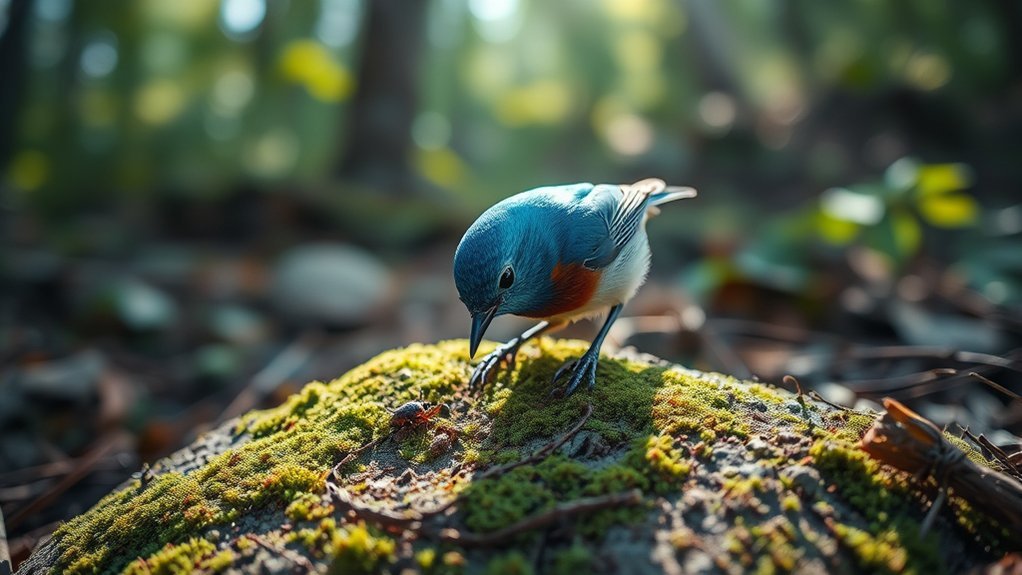
Certain birds, like Eastern Bluebirds and American Robins, eat ticks. This helps keep the number of ticks down. Fewer ticks mean a lower chance of getting tick-borne diseases for people and pets nearby.
Birds like to live in areas with fewer ticks. This helps make our spaces healthier. To support birds, we can improve their habitats. We can also use organic gardening methods. These actions can help birds thrive and control ticks naturally.
Having birds around makes gardens better. They control pests and add beauty to our gardens. Plus, watching birds can be fun and educational!
The Importance of Ticks in Ecosystems

Ticks are often seen as pests, but they actually play an important role in nature. They help keep different animal populations healthy by feeding on the blood of mammals, birds, and reptiles. This feeding helps balance species in the ecosystem.
When ticks are present, it can mean that the environment is healthy, as many different animals interact with them.
Understanding the role of ticks helps us appreciate their importance. It reminds us that every part of nature, including ticks, has a job in keeping our ecosystem running smoothly.
Birds as Natural Pest Controllers
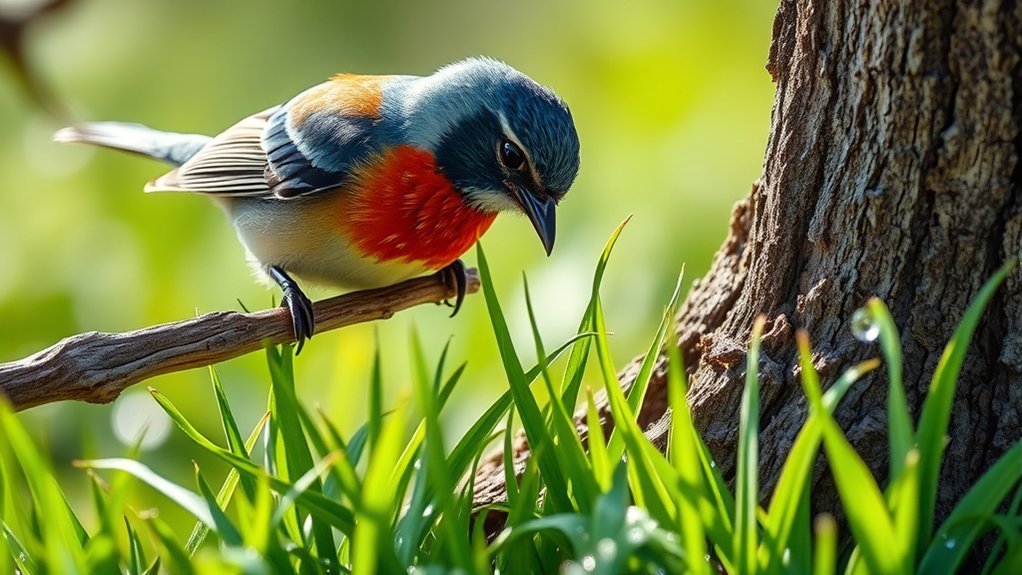
Birds help keep insect numbers down. They're natural pest controllers that play a key role in gardens and farms. When you feed birds, you do more than watch them; you help manage pests.
Birds eat lots of insects, including pests that can harm plants, crops, and even your home. Studies show that having many birds around can lower pest populations. This means you mightn't need to use chemical pesticides as much.
By inviting birds into your garden, you help create a healthy ecosystem. This natural balance keeps pests under control.
Plus, watching and listening to birds makes your yard a more beautiful and lively place. You contribute to your community's health while enjoying nature's gifts!
Species of Birds Known to Eat Ticks
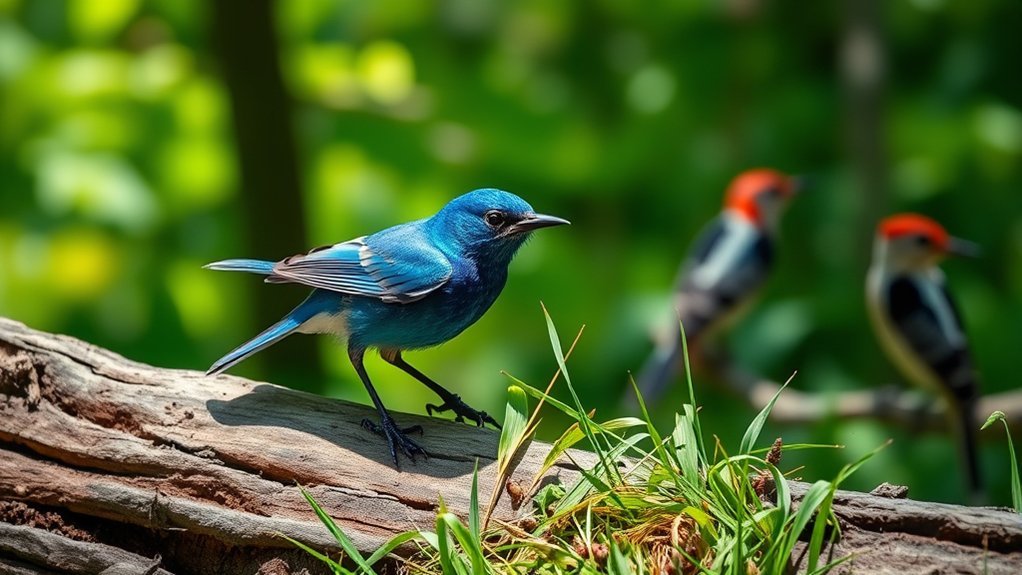
Many birds help keep ticks away, making your garden or yard a healthier place.
Birds like Eastern Bluebirds and American Robins love to eat ticks. They look for these pests in grassy areas. Woodpeckers, such as the Downy Woodpecker, also help control ticks. They search tree bark where ticks can hide. Chickadees and Thrushes enjoy eating ticks too.
By inviting these birds to your yard, you can appreciate their value. They help reduce ticks naturally, which can keep you and your pets safe.
Plus, more birds mean a richer, more lively environment. So, keep an eye out for these feathered friends, and enjoy their presence while they help you manage ticks.
How Birds Find and Catch Ticks
Birds are great at finding and catching ticks. They use their sharp eyes to see ticks on plants or animals. Some birds use their beaks to dig through leaves or grass to find ticks that are hiding. They move their beaks in a steady way, which helps them find ticks more easily.
When they look for ticks, birds follow a pattern in the area. This helps them check every spot. Birds also pay close attention to their surroundings. If they see or hear something move, they can quickly locate the tick.
The Impact of Bird Predation on Tick Populations
Birds do more than just hunt for food; they also help control tick populations. When birds eat ticks at different stages of their lives, they help keep the number of ticks down. This can lower the chance of tick-borne diseases spreading. In places where many kinds of birds live, people often notice fewer ticks.
Birds search for ticks while looking for their meals, so they play an important role in nature. By supporting bird populations, we can help create a healthier environment.
When more birds are around, they help control ticks and improve the biodiversity in our surroundings. Let's remember that helping birds is good for both them and us!
The Benefits of Encouraging Birds in Your Garden
Encouraging birds in your garden brings many helpful benefits that make your outdoor space better. When you create a home for birds, you get these great advantages:
- Pest Control: Birds eat pests like ticks, aphids, and caterpillars. They keep these annoying insects away.
- Pollination: Hummingbirds and other birds help flowers grow by spreading pollen. This helps many plants live and thrive.
- Seed Dispersal: Birds spread seeds from native plants, which helps your garden become stronger and healthier.
- Educational Fun: Watching birds can be a fun activity with family and friends. It helps everyone appreciate nature more.
You can attract birds by setting up bird feeders and planting native plants.
Doing this not only brings birds to your garden but also makes your space better for the environment.
Enjoy your garden and the birds that come to visit!
Birds vs. Other Predators: Who's More Effective?
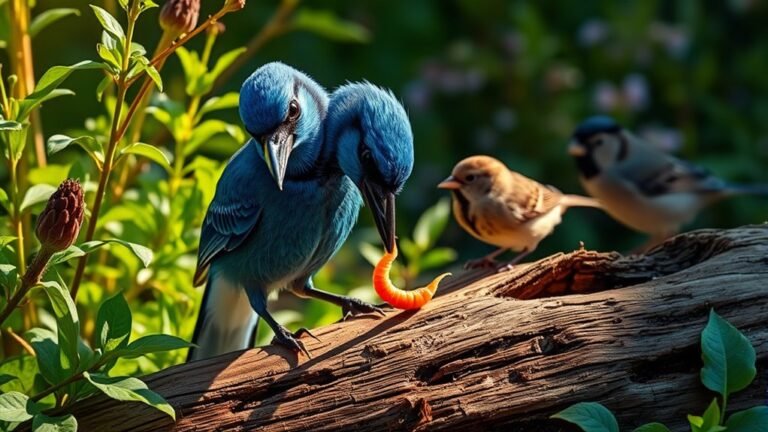
Birds are great at controlling pests like ticks, but how do they compare to other animals? Birds, like blue jays and woodpeckers, have different ways of hunting. They can fly quickly and search the ground, helping them find pests easily. This makes them quite effective at reducing tick numbers.
Other animals, like rodents and reptiles, also help control pests, but their hunting is different. Birds often catch pests better in open spaces because of their speed and skill.
However, how well a predator does its job depends on the type of animal, where it lives, and the environment around it.
In the end, birds play a big role in pest control. By learning about their work alongside other animals, we can better understand how the ecosystem works.
It's interesting to think about how all these creatures help keep nature balanced!
Factors Affecting Bird Tick Consumption
Birds eat ticks, but several things can change how much they eat.
Let's look at four main factors that affect bird tick consumption:
- Habitat Availability: Birds need different spaces to find ticks. Lots of different habitats mean more birds can live there and hunt for ticks.
- Food Resources: When birds have plenty of other food options, they mightn't bother with ticks. If they're full from seeds, fruit, or insects, they might skip the ticks.
- Seasonal Changes: The time of year matters. In some seasons, ticks are easier to spot, while in others, they blend in and become harder to find.
- Community Dynamics: Other birds can affect how well a bird hunts for ticks. If there are many birds competing for the same food, it can make it tough for some to find ticks.
Seasonal Variations in Bird and Tick Interactions
As spring and early summer arrive, the weather gets warmer, and birds start looking for ticks. This time is special for birds because they're more active, searching for food.
Many birds that eat ticks move to places where there are lots of ticks. This helps them find food quickly.
As summer turns into fall, both birds and ticks become less active. The birds don't search for ticks as much anymore.
Understanding how birds and ticks interact during different seasons helps us see their relationship better. It shows us how important timing is in nature.
This connection between birds and ticks is a neat part of our ecosystem, showing us how all living things rely on each other.
The Role of Birds in Preventing Tick-Borne Diseases
Birds help keep tick numbers low, which helps stop tick-borne diseases. Here's how they do it:
- They Eat Ticks: Many birds like to eat ticks. This means fewer ticks can bite humans or animals.
- They Live in Certain Places: Birds prefer areas where ticks don't thrive. This helps create spots where ticks are less common.
- They Fight Off Germs: Some birds can resist different germs. This means they mightn't spread ticks as much.
- They Help Other Predators: Birds play a part in a healthy environment. They support other animals that also eat ticks.
Creating Bird-Friendly Environments for Tick Control
Creating spaces that attract birds helps control ticks. When you make different bird habitats, birds can find food and help keep tick populations low.
Planting native plants in your yard creates a healthy home for many bird types. You can also add bird feeders to give them extra snacks and encourage them to visit often.
Try to make pathways that connect different natural areas. This allows birds to travel freely and live better.
Working on restoring habitats and using organic gardening helps create a safe space free from harmful pesticides.
This simple way of caring for your garden not only helps control ticks but also brings more birds. Enjoy the colorful life in your garden and feel closer to nature!
Frequently Asked Questions
Do All Birds Eat Ticks, or Just Specific Types?
Not all birds eat ticks. Only certain types of birds have found a way to include them in their diets. Some birds, like blue jays and chickens, enjoy snacking on ticks. These birds help keep tick numbers down, which is good for many places, including your backyard.
Learning about which birds like to eat ticks can help us see how they help control pests. This helps keep nature balanced and can make your outdoor space cleaner and safer. So, if you want fewer ticks around, attracting these tick-eating birds to your yard can be a smart move!
How Many Ticks Can a Bird Eat in a Day?
Birds can eat a lot of ticks each day. Some types of birds can munch on hundreds of ticks! This helps make their diet better and also helps keep nature in balance. By eating ticks, birds play an important role in controlling pests in the environment. So, next time you see a bird, remember it could be helping to keep ticks away!
Are There Any Birds That Avoid Eating Ticks?
Some birds, like certain sparrows and pigeons, don't like eating ticks. Instead, they prefer to eat insects or seeds. This shows how birds choose their food based on what they like. They play a special role in their environment, not just by controlling pests like ticks.
Can Bird Feeders Attract Ticks to Gardens?
Bird feeders can bring in lots of fun birds to your garden, but they can also attract ticks if you're not careful. To keep ticks away, you should clean your bird feeders often. It's also important to clear away any leaves and twigs on the ground. This helps reduce places where ticks can hide, making your garden a safer and more enjoyable space for everyone who loves being outdoors.
Do Environmental Changes Affect Birds' Tick-Eating Habits?
Environmental changes, like climate shifts and loss of homes for animals, can change how birds behave. One way this shows is in their eating habits, especially when it comes to ticks.
Birds help control tick populations by eating them. If these changes in the environment make it harder for birds to find food or change where they live, they might not eat as many ticks. This could lead to more ticks in your garden, which may not be good for your plants or your health.

Joyce is the passionate founder of Chirping Hearts, a website dedicated to sharing her love for birds and providing valuable information about avian life. With a background in ornithology and years of experience in birdwatching, Joyce aims to inspire others to appreciate the beauty and diversity of birds. Through her engaging articles and guides, she hopes to foster a community of bird enthusiasts who share her enthusiasm for these incredible creatures. When she’s not writing, Joyce enjoys exploring nature trails and observing birds in their natural habitats.