Hummingbirds of Ohio: Facts and Sightings
Hummingbirds, especially the ruby-throated ones, have some interesting habits and traits. You can see their bright colors and fast wing beats during the warm months in Ohio. Learning about where they go and what they like to eat can help you spot them more easily.
If you want to attract hummingbirds to your yard, you should do more than just put out feeders. Certain plants and homes can help bring these beautiful birds closer for you to enjoy. What plants can you grow, and what kinds of spaces do they like? These tips can help you see their amazing flying and feeding.
A Quick Overview
Ruby-throated hummingbirds are the most common type you will see in Ohio. They are colorful and can live in different places.
These tiny birds migrate south in late summer or early fall. They travel all the way from North America to Central America to find warmer weather.
Males usually come to Ohio first. They arrive between mid-April and early June. They are busy setting up their territories for the season.
If you want to attract hummingbirds to your yard, plant native flowers. They love these plants. It's also important to avoid using pesticides because they can harm the birds.
The best time to see hummingbirds is during summer, especially in July and August. You can find them around feeders and flowering plants. Setting up a feeder can be a fun way to watch these beautiful birds!
Overview of Hummingbird Species in Ohio
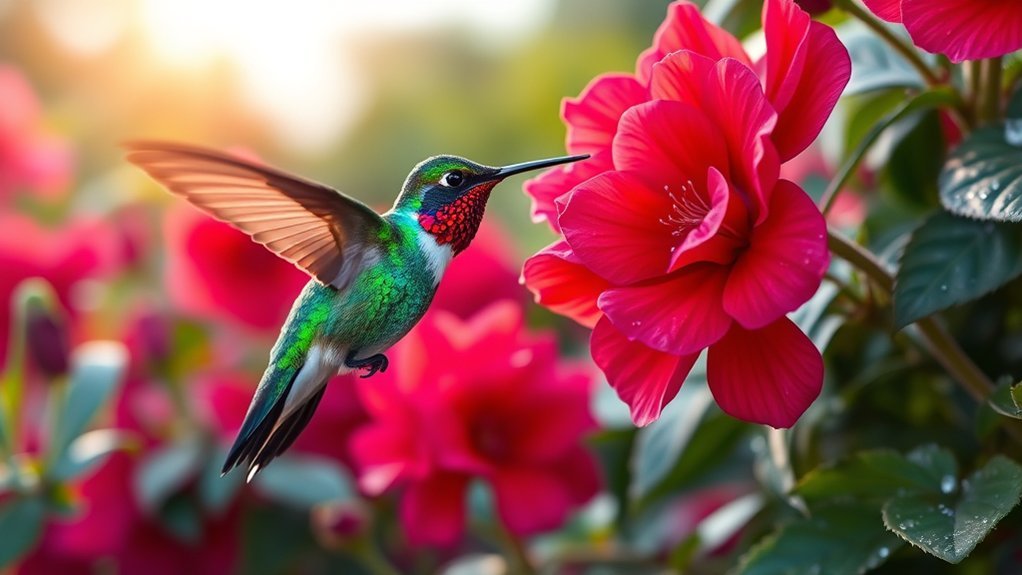
Ohio may not seem like a top spot for hummingbird lovers, but it has some interesting hummingbird species. The ruby-throated hummingbird is the most known in the state. This bird is colorful and can adapt well to different places.
These hummingbirds travel between North America and Central America. They've great skills for finding their way. Their migration depends on the changing seasons. They look for flowers rich in nectar to eat along their route.
You can see these beautiful birds in your own backyard! If you set up feeders, you can invite them to visit.
The Migration Patterns of Hummingbirds
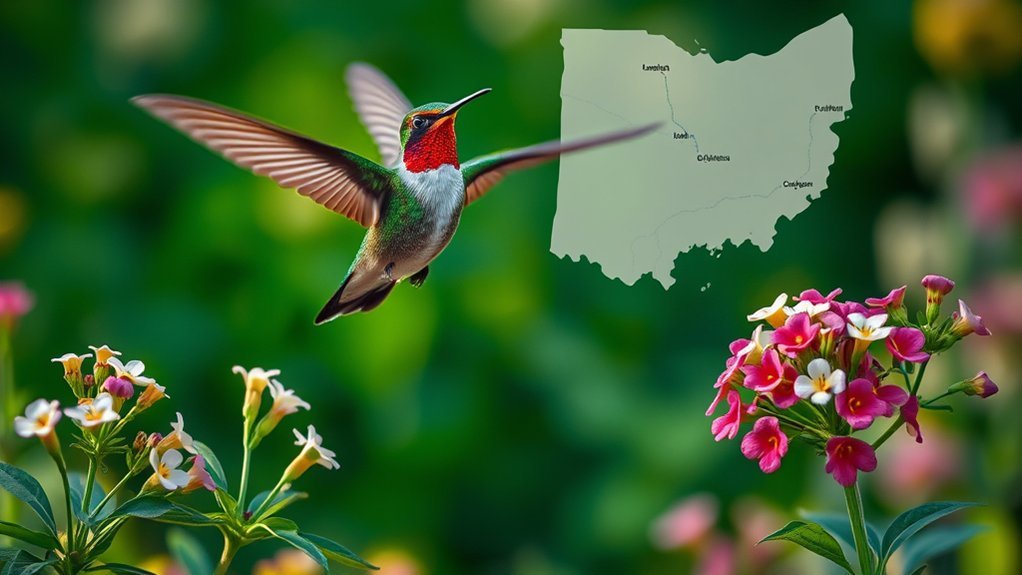
Ruby-throated hummingbirds start their big journey when it's time to migrate. They fly hundreds of miles from their homes in North America to warm places in Central America for the winter.
It's fun to learn about how they travel!
Here are some important things to know about their migration:
- They usually follow the same paths every year.
- They face dangers like bad weather and birds that might want to eat them.
- They use landmarks like mountains and the sun to find their way.
- They leave in late summer or early fall when the days start to get shorter and cooler.
Watching these tiny birds on their long trips is exciting! Knowing what they go through helps us appreciate them even more.
Best Times to Spot Hummingbirds in Ohio

Ruby-throated hummingbirds are amazing birds. They travel long distances to migrate and can be seen in Ohio at specific times of the year. In the spring, you can spot them from mid-April to early June. During this time, the male hummingbirds arrive first. They come to set up their homes and find female partners.
You'll see them behaving a bit aggressively as they protect their feeding spots.
When summer comes, you'll see even more hummingbirds. They visit feeders and flowers a lot, especially in July and August. This is when there's plenty of food for them.
Watching how they interact with each other can be really interesting.
If you want to see these beautiful birds in your yard, make sure to create a friendly environment for them. Putting out feeders and planting flowers during these times will help you attract them.
Watching hummingbirds can be a fun and exciting experience!
Ideal Habitats for Hummingbirds
To attract Ruby-throated hummingbirds, you need to create a space that meets what they need to live well. These birds do best in places with enough food and safe spots for resting and nesting.
- Native plants: Plant different flowers that are native and filled with nectar. This gives them food all season long.
- Water sources: Add shallow birdbaths or misters. These help keep hummingbirds hydrated.
- Sheltered areas: Include thick shrubs or small trees. These provide them with safety from predators and a place to relax.
- Nesting sites: Create safe spots for nesting near plants. This helps them raise their young.
Making these habitats will help hummingbirds feel at home. It also allows us to enjoy and appreciate these amazing little birds as they flit around our gardens.
How to Attract Hummingbirds to Your Backyard
To attract hummingbirds to your backyard, follow some simple steps.
First, plant flowers that hummingbirds love. Good choices are bee balm, salvia, and trumpet vine. These flowers offer tasty nectar that hummingbirds enjoy. Plant these flowers in groups, making it easy for the birds to find them.
Next, set up hummingbird feeders. Hang them in shady spots, and away from strong winds. This keeps the nectar from evaporating quickly. Use a mix of sugar and water for the nectar, and remember to keep the feeders clean. Change the nectar often so it stays fresh and tasty for the birds.
Watch the hummingbirds as they visit. This will help you know when to refill the feeders and find the best spots to place them.
Feeding Habits and Diet of Hummingbirds
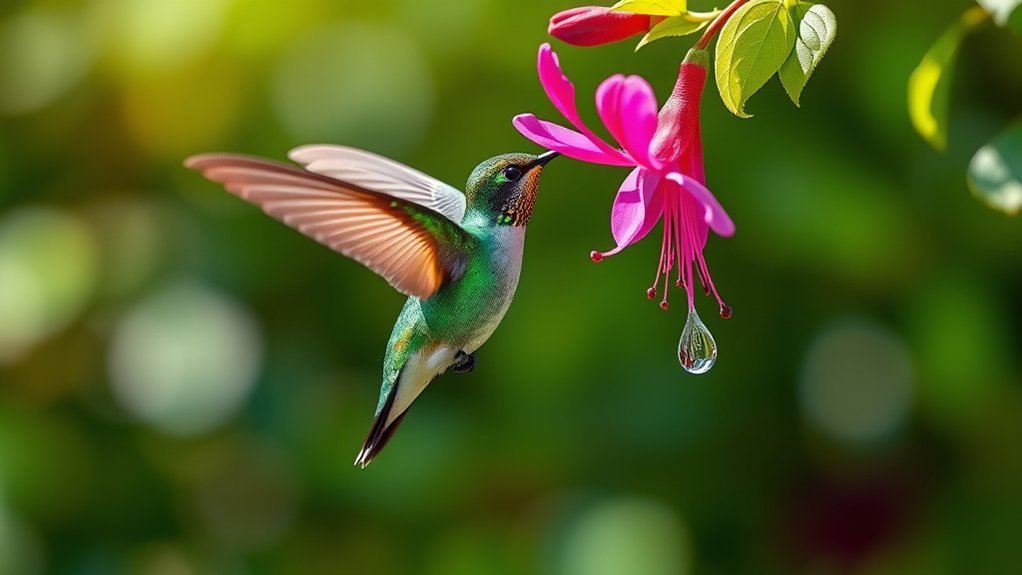
Hummingbirds are amazing little birds. They mostly eat nectar, which they get from many kinds of flowers.
Let's look at how they feed:
- Hummingbirds like flowers that have a tubular shape. Their long bills fit right into these flowers.
- They visit many flowers throughout the day. This helps them cover large areas while looking for food.
- They can be very protective of their favorite feeding spots. This means they might chase other birds away.
- Hummingbirds choose nectar with high sugar levels. This gives them lots of energy.
By watching how they eat, you can appreciate these wonderful creatures even more.
You'll see how they interact with each other and enjoy the beauty of nature. Connecting with hummingbirds in your surroundings can bring a lot of joy!
Creating a Hummingbird-Friendly Garden
Creating a garden that attracts hummingbirds is a fun way to make your yard more lively. Hummingbirds are beautiful and help plants grow by spreading pollen. To bring these lovely birds to your garden, use native plants. These plants provide the food and homes that hummingbirds need.
Good options for your garden include bee balm, trumpet vine, and salvia. These plants give hummingbirds nectar to drink and places to rest. When you plant, try to group these flowers together. Hummingbirds like to see lots of flowers in one spot.
Also, skip the pesticides. These chemicals can scare away hummingbirds and other helpful insects. By planning your garden well, you'll make a welcoming space for hummingbirds. This not only beautifies your garden but also helps the local wildlife thrive.
Enjoy watching the hummingbirds visit your flowers!
Frequently Asked Questions
What Are the Common Predators of Hummingbirds in Ohio?
Hummingbirds have several predators in Ohio. Bigger birds, like hawks and shrikes, hunt them. Snakes are also a danger. Domestic cats can catch hummingbirds too.
Hummingbirds also face other problems. Their homes can disappear as people build or use chemicals like pesticides. These things make it harder for hummingbirds to survive. Protecting their habitats is important for keeping them safe.
How Long Do Hummingbirds Live in the Wild?
Hummingbirds usually live for three to five years in the wild. Some can live even longer. Their lifespans can change because of their migration patterns. During migration, they face different environments and dangers, which can affect how long they live.
Can Hummingbirds Recognize Individual Humans?
Yes, hummingbirds can recognize individual humans. They remember people based on how you act around them. If you feed them often and spend time near them, they will get used to you. This shows how smart they are when it comes to getting to know people.
Are Hummingbirds Aggressive Towards Each Other?
Yes, hummingbirds can be aggressive with each other. They often fight over space when they want to eat or attract a mate. Male hummingbirds protect their feeding spots fiercely. They want to make sure no other males come in and steal their chance to impress the females. This behavior can lead to loud chases and quick movements, as they dart and dive to chase off any rivals. So, when you see them at your bird feeder, they might look cute, but they can be quite competitive too!
What Is the Average Size of Ohio's Hummingbird Species?
Ohio's hummingbird species are usually about 3 to 5 inches long. This small size helps them move quickly and easily while they sip nectar from flowers. Their design allows them to be very agile, so they can dart around and find food with ease. Hummingbirds are fascinating creatures that bring a lot of energy to the gardens they visit!

Joyce is the passionate founder of Chirping Hearts, a website dedicated to sharing her love for birds and providing valuable information about avian life. With a background in ornithology and years of experience in birdwatching, Joyce aims to inspire others to appreciate the beauty and diversity of birds. Through her engaging articles and guides, she hopes to foster a community of bird enthusiasts who share her enthusiasm for these incredible creatures. When she’s not writing, Joyce enjoys exploring nature trails and observing birds in their natural habitats.