
Can Birds Eat Pecans? Evaluating Nut Safety for Your Feathered Friends
Can Birds Eat Pecans?
It's good to know if birds can eat pecans. These nuts can be tasty and healthy for birds. Pecans have healthy fats and protein. This can make them a fun snack for our feathered friends. But not all birds react the same way to nuts.
First, let's look at what to think about when giving pecans to birds. Always chop the nuts into smaller pieces. This helps birds eat them safely. Second, only give pecans in small amounts. Too many nuts can upset a bird's tummy.
Some birds may love pecans, while others might not be interested. It's a good idea to watch your bird's reaction when you offer them. If your bird enjoys pecans and seems healthy, it can be a tasty treat for your buddy.
So, when adding pecans to your bird's diet, keep it safe and fun. Remember to chop them and serve small pieces. This way, your birds can enjoy their snack while staying healthy!
A Quick Overview
Birds can eat pecans! These nuts are safe for most birds if you give them in small amounts. Pecans have healthy fats and protein, which are good for your feathered friends.
Before feeding pecans to birds, remove the shells and rinse them to get rid of dirt and pesticides. This keeps the nuts clean and safe.
Watch your birds after they eat pecans. Some birds might have allergic reactions, like a tummy ache or breathing problems.
The right serving size depends on the type of bird. Small birds should get about a quarter of a pecan. Bigger birds can handle half or a whole pecan.
Also, check your stored pecans regularly. If they smell bad or look old, do not give them to the birds. Stale nuts can make birds sick.
So, enjoy sharing pecans with your birds! Just remember to serve them safely.
Understanding the Nutritional Value of Pecans for Birds
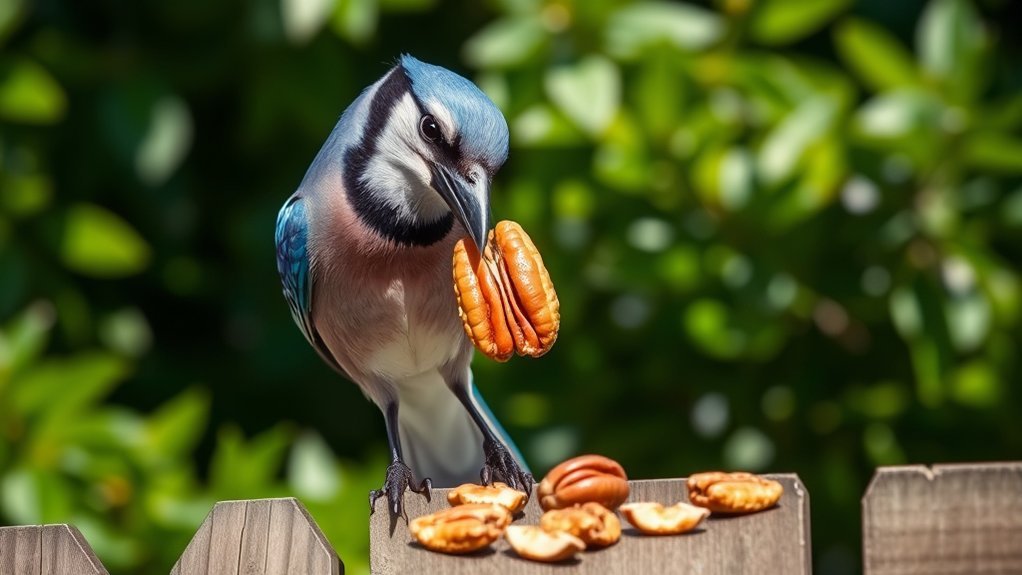
Pecans are great for birds! They've lots of nutrients that help birds stay healthy. They're full of good fats, protein, and important vitamins. These nutrients are important for birds' growth, feather care, and overall health.
The healthy fats, like omega-3 and omega-6, give birds energy. This is especially helpful for active birds. The protein in pecans helps build and repair their muscles, which is very important during breeding season.
Pecans also have antioxidants. These help keep birds healthy by fighting off damage to their bodies.
If you know how good pecans are for birds, you can offer them a balanced diet. This way, your feathered friends can stay strong and happy!
The Benefits of Feeding Pecans to Birds
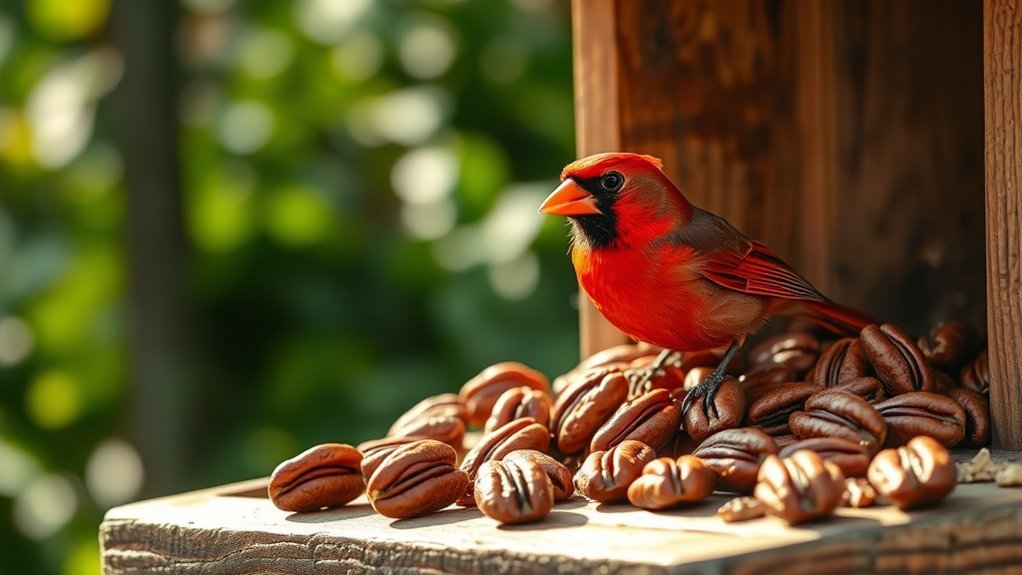
Feeding pecans to birds has many benefits.
First, pecans have healthy fats. These fats give birds the energy they need to fly and play.
Second, pecans are high in protein. This helps birds grow strong muscles and stay healthy.
When you add pecans to their diet, you help birds have better feathers and stronger immune systems. Birds also love to forage for food, and pecans make mealtime fun and exciting for them.
By offering pecans, you can build a special bond with the birds. They'll start to see you as a friend who brings tasty treats.
Potential Risks Associated With Pecans
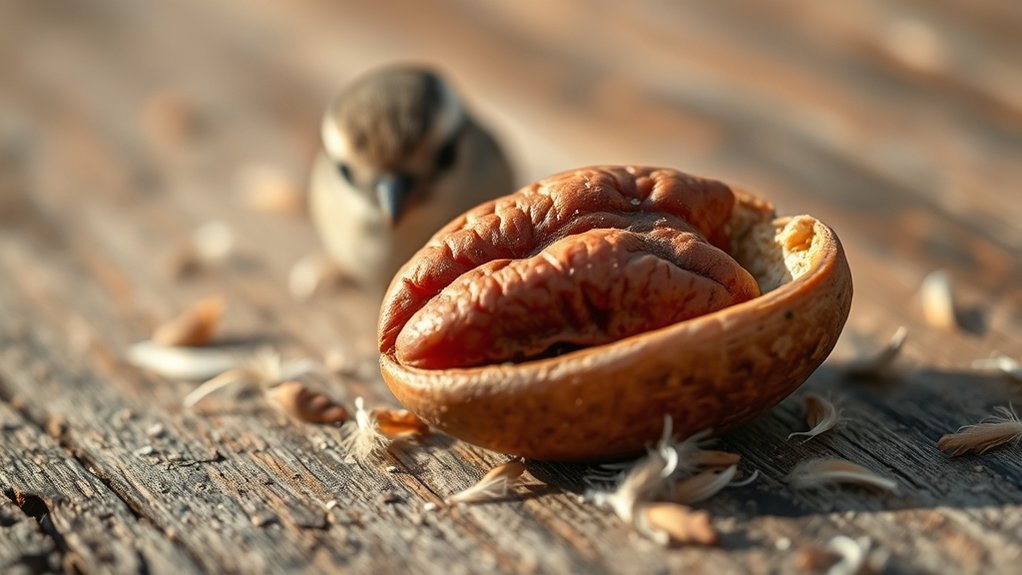
Pecans can be a tasty treat for birds, but they come with some risks. It's important to know that pecans can be toxic, especially if birds eat too many or if the nuts are stale. Always watch how many you give them.
Some birds might even have allergies to nuts, including pecans. This can cause problems, like stomach aches or trouble breathing.
To keep your birds healthy, check on them after you add new foods to their diet. By staying informed, you can help your feathered friends enjoy their meals safely. Understanding these risks will help create a healthy home for your birds.
How to Safely Prepare Pecans for Birds
To make sure your birds can enjoy pecans safely, you need to prepare them the right way. Here's what to do:
- Shell the Pecans: Take off the shells. They can be dangerous for birds to swallow.
- Rinse and Dry: Wash the nuts to get rid of any dirt or pesticides. Then, dry them really well. Wet nuts can grow mold, which is bad for birds.
- Store Safely: Put the pecans in a sealed container and keep them in a cool, dry spot. This will keep them fresh for your birds.
Recommended Serving Sizes for Different Bird Species
Choosing the right serving sizes for birds can help them stay healthy and enjoy pecans. For small birds, like finches and sparrows, give about 1/4 of a pecan. Make sure to chop it into smaller pieces. This way, they get the good nutrients without upsetting their tummies.
For bigger birds, like parrots and ravens, you can give them more. A serving of 1/2 to a whole pecan works well, depending on their size.
Always watch how your birds react when you give them pecans, and change how much you serve based on their response.
Alternatives to Pecans for Bird Diets
Birds eat many different foods, and pecans are just one choice.
If you want to give your feathered friends something different, try these tasty options:
- Sunflower seeds – Many birds love these seeds. They're packed with healthy fats and protein.
- Almond slices – Almonds are full of vitamins and minerals. Birds find them yummy and nutritious.
- Pumpkin seeds – These seeds are also a great source of protein and healthy fats. Birds enjoy foraging for them, too!
Offering these foods helps keep your birds happy and healthy.
Remember to introduce new snacks slowly and watch how your birds react. They might find some new favorites!
Tips for Encouraging a Balanced Diet in Birds
To keep your birds healthy, it's important to offer them a balanced diet. Start by giving them different types of seeds. Choose high-quality seed mixes that have the nutrients they need. Change the seeds often so your birds don't get bored and want to try new things.
Include some fresh fruits too! Birds love apples, berries, and mangoes. These fruits are great because they provide vitamins and help keep your birds hydrated. Make sure to take away any uneaten fruit after a few hours. This keeps their food fresh and clean.
Watch what your birds like to eat. This can help you offer them a variety that keeps them happy and healthy. A good diet helps your birds live longer and feel their best!
Frequently Asked Questions
Can Baby Birds Eat Pecans Safely?
Baby birds need healthy snacks to grow strong. Pecans might seem tasty, but they have a lot of fat. This makes them not so great for young birds. Stick with safe foods that give baby birds the right nutrients they need to thrive. Feeding them the best options helps them grow up happy and healthy!
Are Roasted Pecans Safe for Birds?
Roasted pecans are not a good choice for birds. Birds need safe foods that help them stay healthy. The best nuts for them are unseasoned and unsalted raw nuts. These natural options are better and safer for your feathered friends. Always pick foods that keep your birds happy and healthy.
What Should I Do if My Bird Eats Too Many Pecans?
If your bird eats too many pecans, keep an eye out for issues like being tired or having upset stomach. Make sure its diet has a good mix of foods. If you notice any problems, talk to a vet who knows about birds.
Can Birds With Nut Allergies Eat Pecans?
If your bird shows signs of a nut allergy, do not give them pecans. These nuts can worsen their health problems. Look for safe foods that your bird can eat. This will help keep your feathered friend happy and healthy. Always check what foods are safe for them!
Do Different Bird Species Have Varying Preferences for Pecans?
Yes, different types of birds like pecans in different ways. Some birds really enjoy pecans because they taste good and are healthy for them. Other birds may choose different nuts instead. It's interesting to see how each bird species has its own favorite!

Joyce is the passionate founder of Chirping Hearts, a website dedicated to sharing her love for birds and providing valuable information about avian life. With a background in ornithology and years of experience in birdwatching, Joyce aims to inspire others to appreciate the beauty and diversity of birds. Through her engaging articles and guides, she hopes to foster a community of bird enthusiasts who share her enthusiasm for these incredible creatures. When she’s not writing, Joyce enjoys exploring nature trails and observing birds in their natural habitats.