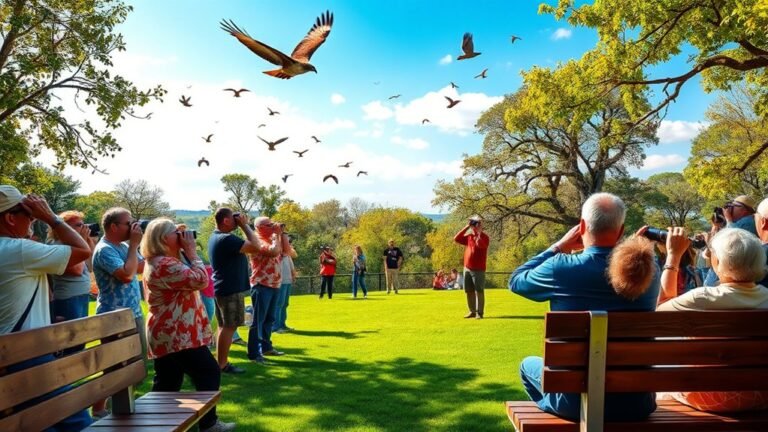

Fascinating Facts About Birds That Are Blue: Nature’s Colorful Wonders
Blue birds like the Eastern Bluebird and Blue Jay are truly amazing. Have you ever wondered why they are so colorful? Their beautiful blue shades come from how light hits their feathers. This is not because of special colors in their feathers, but how light works.
These colorful birds play important roles in nature. They help spread seeds and control insects. However, they face challenges like habitat loss and climate change. That's why it's important to protect them.
Let's learn more about these wonderful blue birds and the steps we can take to keep them safe. Watching these birds can bring joy and can teach us a lot about our environment. So next time you see a blue bird, take a moment to appreciate its beauty and the role it plays in nature!
A Quick Overview
Blue birds are amazing! Their bright blue feathers, like those of bluebirds, come from how their feathers are built, not from pigments. This gives them their stunning colors.
The Eastern Bluebird represents happiness. They show playful behavior and have strong family ties. Their fun nature makes them very charming to watch.
Blue Jays are clever! They can mimic different sounds. They use this skill to talk to each other and warn their family about dangers.
Indigo Buntings are really beautiful with their bright blue color. They sing a special song to mark their territory during breeding season, showing they can adapt well.
We need to protect bluebirds. They face problems like losing their homes, changes in climate, and competition from other species. It's important to help keep these stunning birds safe for the future!
The Science Behind Blue Feathers

Bird feathers can look really bright and blue, but that color doesn't come from pigment like you might expect. Instead, it's all about how the feathers are structured.
Many birds, like blue jays and indigo buntings, have special feather structures that create this blue look. Inside the feathers, tiny platelets are arranged in a way that interacts with light.
When light hits these plates, it causes something called constructive interference. This means that the blue wavelengths of light get stronger while other colors don't.
Light scattering also plays a big role here. The different angles and sizes of the feather layers make the light bend and bounce around. This creates the bright blue we see.
If you learn about this process, you can really appreciate how amazing nature is. It invites you to look around and admire all the beautiful colors and the science that makes them happen.
Eastern Bluebird: The Symbol of Happiness
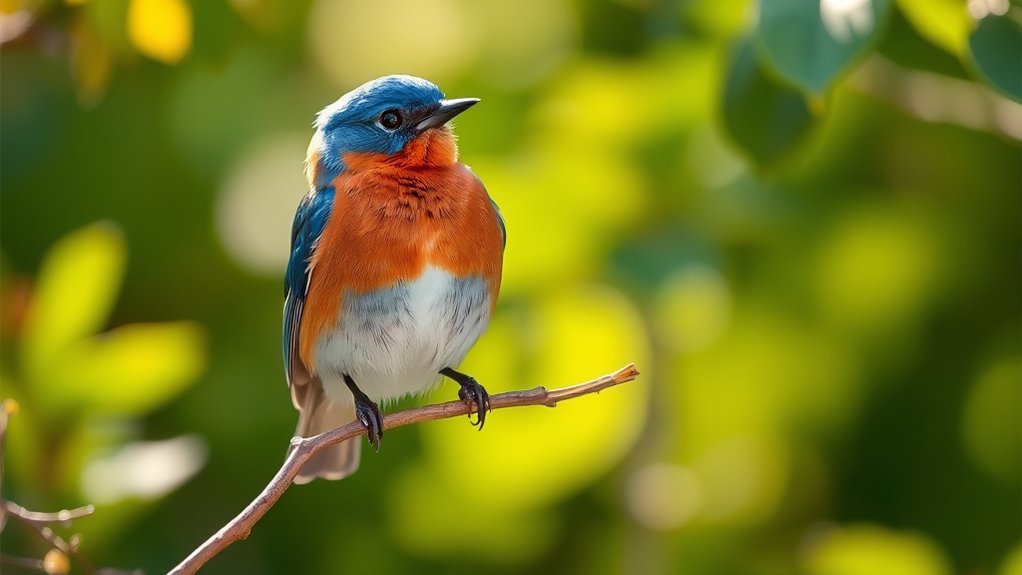
If you've ever seen an Eastern Bluebird sitting on a fence post or flying in a field, you might've felt happy. This little bird is a symbol of joy for many people. Bluebirds are often bright and cheerful, with their vibrant colors and sweet songs.
These birds show happiness in many ways. They playfully chase each other and protect their homes. They also take care of their young ones, showing strong family bonds.
Bluebirds live in many types of places, which helps them fit into different environments. When you spot a bluebird, it can lift your mood and remind you of the simple joys in nature.
Every bluebird sighting is a little reminder that happiness can be found in everyday moments.
Blue Jay: Master of Mimicry

Eastern Bluebirds bring joy with their bright colors.
Blue Jays, on the other hand, are fascinating because they can copy sounds. They use different ways to communicate better with each other. This helps them survive and get along in their group.
Here are some of the sounds Blue Jays make:
- They copy other bird calls to alert others about danger.
- They mimic hawks to scare away other birds.
- They can even make sounds like alarms from people.
- They've special calls to talk to their family.
- Their mimicry helps them interact with other birds in interesting ways.
Blue Jays show us how smart they're by using their voices in clever ways!
The Rare and Elusive Indigo Bunting
When you see an Indigo Bunting, you see a beautiful bird. These bright blue birds like to live in places with shrubs and fields. Their blue feathers look amazing against the green plants.
Indigo Buntings are interesting. During spring and summer, male Indigo Buntings sing sweet songs to mark their territory and find partners. You'll often find them alone or in small groups, which makes it feel special to see them.
These birds migrate long distances. They travel thousands of miles, showing how strong and flexible they are. They eat seeds and insects. You can watch them searching for food in low plants.
Seeing an Indigo Bunting in nature helps us appreciate the balance of the environment. It also makes birdwatching a fun and rewarding hobby.
Importance of Habitat for Blue Birds
Habitat is really important for blue birds, like the Indigo Bunting.
These beautiful birds need good places to live to stay healthy and happy. If they don't have the right homes, they can't do well. Protecting their habitats helps them find what they need to eat, nest, and stay safe.
Here's why habitats matter for blue birds:
- They need different types of food, like seeds and bugs.
- They look for safe places to build their nests in bushes and trees.
- Thick plants help them hide from predators.
- They need water to drink and bathe.
- They need clear paths to migrate each season.
By supporting habitat protection, we help these amazing birds thrive in their natural homes.
Learning about their needs helps us make their future brighter! You can have a positive impact by caring about blue birds and their habitats.
Blue Birds and Their Unique Mating Displays
Blue birds have cool ways of showing off when they want to find a mate. These colorful birds do special dances and make sounds to catch the eye of other birds. For example, male bluebirds might spread their wings, sing pretty songs, or show off their bright feathers to show they're strong and healthy.
These moves tell other birds how fit they're and what good genes they have.
Different kinds of bluebirds have different styles. Some like to do flips and spins in the air, while others prefer to strut on the ground. Watching these fun displays isn't just pretty; it helps us understand how blue birds attract mates and succeed in raising families.
The Role of Blue Birds in Ecosystems
Bluebirds are important for their ecosystems. They help keep the environment healthy and add to the variety of life. Seeing bluebirds in an area shows that the habitat is stable and thriving.
Here are some key things bluebirds do:
- Control insects: Bluebirds eat insects, which helps keep those populations in check.
- Spread seeds: They help move seeds around, which helps new plants grow.
- Foraging habits: How bluebirds find food influences how other species interact with each other.
- Nesting behavior: Their nests can attract predators, changing the balance of local wildlife.
- Cultural impact: Bluebirds inspire people to care about nature and connect communities.
These roles show how bluebirds are vital to nature. They enhance their habitats and help keep our ecosystems healthy.
Migration Patterns of Blue Birds
As winter gets close, bluebirds start to migrate. They fly hundreds to thousands of miles to find warmer places. These beautiful birds take special paths based on the seasons and where food is available.
On their journey, bluebirds face tough weather and loss of homes. These challenges can make their trip harder and stress them out.
Seeing bluebirds migrate shows how strong and clever they are. They make stops along the way to rest and eat, showing how well they know when to travel.
Learning about their journeys can help you appreciate bluebirds more. It connects you to nature and reminds you of the changing seasons.
Conservation Challenges Facing Blue Bird Species
Bluebirds are beautiful and special birds, but they face many problems that make it hard for them to survive. Here are some of the biggest challenges they deal with:
- Their homes are shrinking because of cities and farms.
- Weather changes mess up their travel and breeding times.
- Other animals that don't belong there take their food and homes.
- Chemicals and pollution make it tough for them to find enough food.
- There aren't enough efforts to help fix their habitats.
We need to tackle these problems if we want bluebirds to thrive. Joining local conservation projects can help you connect with these amazing birds and the places they live.
How to Attract Blue Birds to Your Garden
If you want to attract bluebirds to your garden, start by making it a friendly space for them. Place bird feeders in your yard and fill them with tasty treats like mealworms and suet. This will catch their attention right away.
Add native plants in your garden. These plants help bluebirds by giving them food and a place to hide. Make sure you have a source of fresh water nearby, like a birdbath or a small pond. Bluebirds need water for drinking and bathing.
Put up nesting boxes a little higher off the ground. This keeps their homes safe from predators. Also, design your yard to make it easy for bluebirds to move around.
When feeding bluebirds, you can spread seeds on the ground or use platform feeders. Both methods work well. In different seasons, think about offering seasonal treats like berries or dried fruit.
Finally, help protect bluebirds from predators. Place plants and bushes in a way that provides shelter. This makes your garden a safe place for these beautiful birds.
With these steps, you'll create a perfect spot for bluebirds to visit.
Frequently Asked Questions
What Causes the Blue Coloration in Bird Feathers?
Birds have beautiful blue feathers because of how light interacts with their feathers. Instead of getting their color from pigments like some other animals, blue feathers get their bright color from tiny structures within the feathers.
These structures are built in a special way. When light hits the feathers, some wavelengths of light bounce off, and this produces the blue color we see. So, when you admire that striking blue hue in bird feathers, remember that it's all about how light works with their feather structures!
Are All Blue Birds Endangered Species?
Not all blue birds are endangered. Some blue birds are doing just fine, while others have problems, like losing their homes because of human activities and climate change. Their bright blue feathers often help them get a mate, showing that they can adapt to challenges. So, while some blue birds need help, many are still thriving.
Do Blue Birds Eat Different Foods Than Other Birds?
Blue birds like to eat insects, fruits, and seeds. They have their favorite foods, but they might eat some of the same things as other birds too. What they eat can change based on where they live and what food is available during different seasons.
How Do Blue Birds Adapt to Climate Change?
Blue birds change how they move with the seasons because of climate change. They notice shifts in weather and where they can find food. As their homes change, these birds look for new places to eat. This helps them stay alive and keeps nature balanced, even when things are different.
Can Blue Birds Recognize Individual Humans?
Bluebirds can recognize individual humans. They do this by remembering faces from past encounters. When a bluebird sees a familiar face, it often remembers how that human treated it before. This helps bluebirds feel more at home in their surroundings. It also makes their experiences richer and more enjoyable. So, if you are kind to a bluebird, it might remember you next time!

Joyce is the passionate founder of Chirping Hearts, a website dedicated to sharing her love for birds and providing valuable information about avian life. With a background in ornithology and years of experience in birdwatching, Joyce aims to inspire others to appreciate the beauty and diversity of birds. Through her engaging articles and guides, she hopes to foster a community of bird enthusiasts who share her enthusiasm for these incredible creatures. When she’s not writing, Joyce enjoys exploring nature trails and observing birds in their natural habitats.