Exploring Blue Birds in Michigan: A Birdwatcher’s Guide
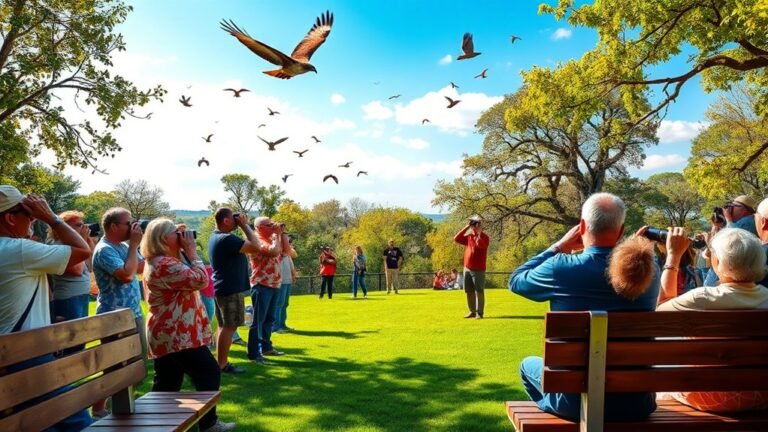
If you want to see bluebirds in Michigan, it's important to know where they like to live and how they act. Bluebirds love open fields and meadows. Waterford Oaks County Park is a great spot to look for them. The best time to search is during spring and summer when they are most active.
You can also make your yard inviting for bluebirds. Setting up birdhouses, putting out bird baths, and planting native flowers can help attract them closer to you. Learning about their seasons will make your birdwatching adventure even better! Enjoy the hunt for these beautiful birds!
A Quick Overview
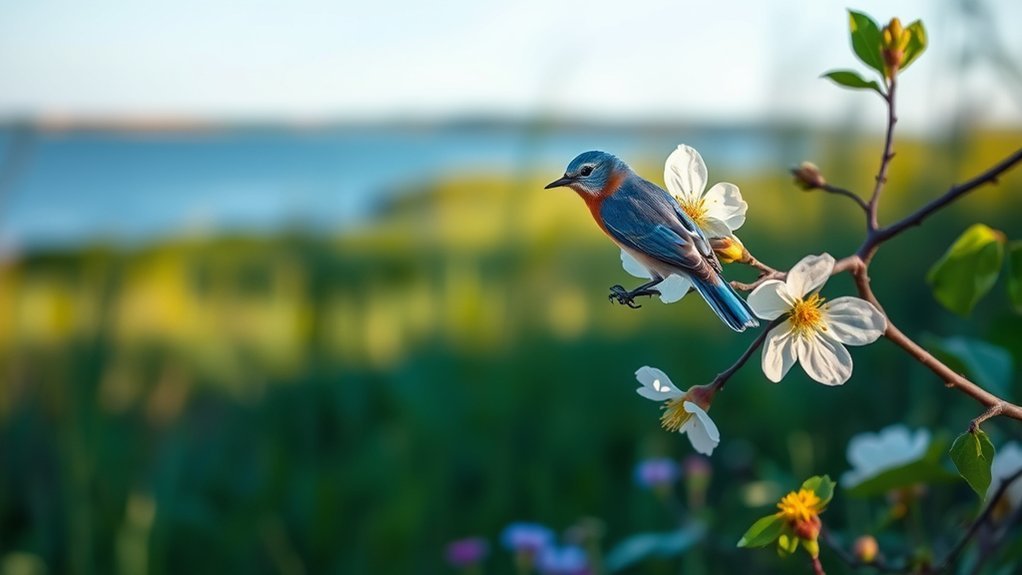
Look for male Eastern bluebirds. They have bright blue feathers and rusty orange chests. You can find them in open fields and meadows in Michigan.
Some good spots to see them are Waterford Oaks County Park and Pollinator Park. Try to go in the early morning or late afternoon for the best chances to see these beautiful birds.
If you want bluebirds to visit your backyard, you can make it friendlier for them. Put up some nest boxes and plant native flowers. This will attract insects, which bluebirds love to eat.
Pay attention to bluebirds' activities during different seasons. In spring, they migrate, and in winter, they sometimes gather in groups. Watching these behaviors makes birdwatching even more fun.
For great pictures, use a telephoto lens. Early morning or late afternoon light works best to capture their colors. Enjoy your birdwatching!
The Bluebird Species: Identification and Characteristics
In Michigan, you can see many types of birds, but bluebirds are special. Their bright colors and unique features make them easy to spot.
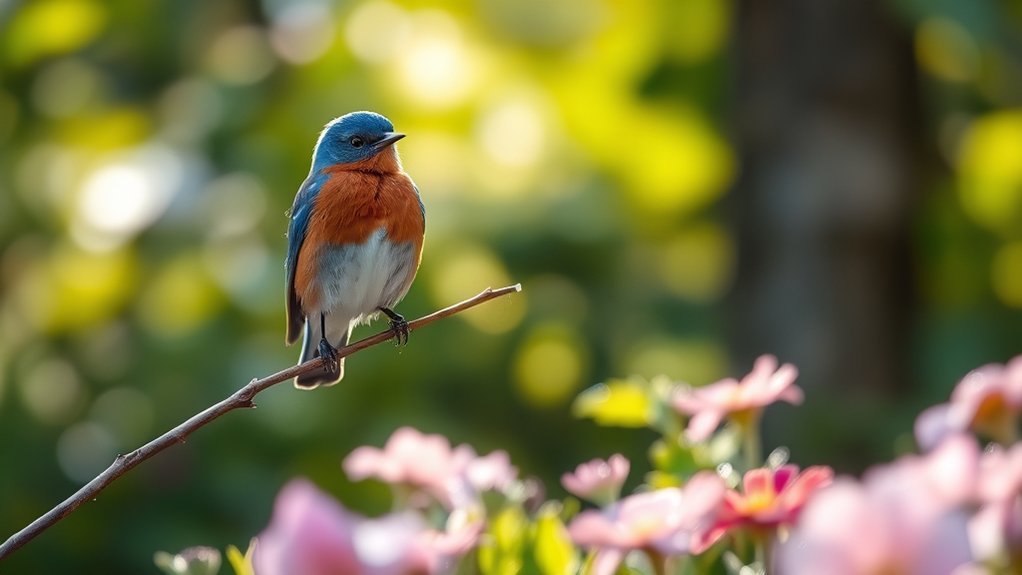
Male Eastern bluebirds have bright blue feathers on their wings, back, and head, with a soft, rusty orange chest. Female bluebirds have more muted colors, but you can still recognize them as bluebirds.
Both males and females have short, stubby tails and rounded bodies.
If you watch them, you'll notice their behavior too. Bluebirds like to sit up high and look for insects on the ground.
With these easy visual hints and their fun habits, you can enjoy birdwatching and share your experience with other bird lovers. Bluebirds truly are enchanting to watch!
Best Locations to Spot Bluebirds in Michigan
If you want to see bluebirds in Michigan, pick the right spots!
Bluebirds love open fields, meadows, and places near woods. Great places to look are Waterford Oaks County Park and Pollinator Park in Grand Rapids. These parks have spots where bluebirds can sit and look for food.
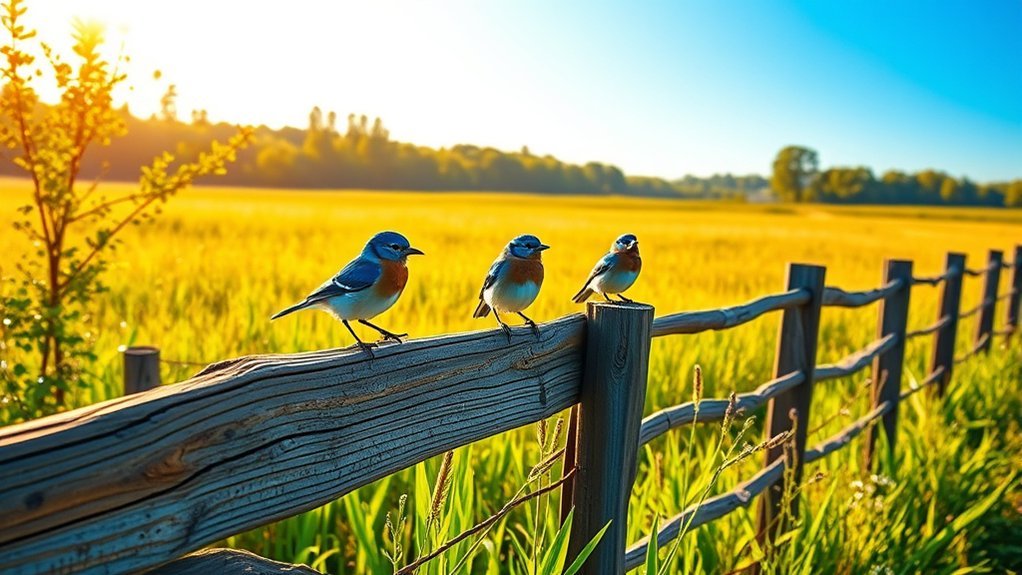
The best times to see bluebirds are early morning and late afternoon because that's when they're most active. Keep an eye on rural roads too; you might spot them sitting on fence posts.
Joining a local birdwatching group can help you find even more great places to watch bluebirds.
Enjoy your birdwatching adventure!
Creating a Bluebird-Friendly Backyard
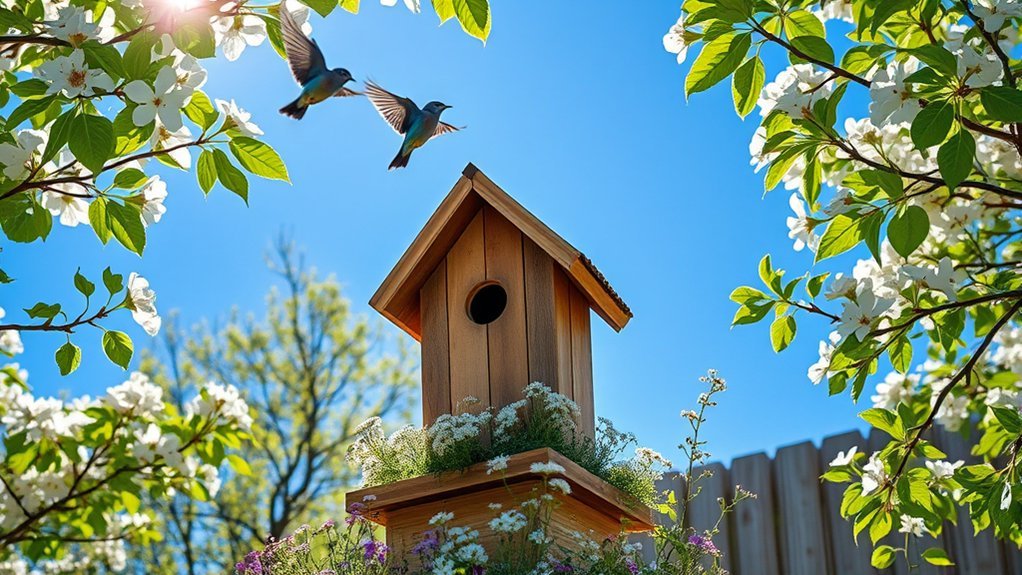
If you want to bring bluebirds to your backyard, you need to create a space that makes them feel at home. Here are some easy steps to help you do this:
- Put up nest boxes: Hang these boxes at least five feet off the ground in wide-open spaces. Make sure they're far from house wrens since those birds might try to take over the boxes.
- Plant native flowers: Use local plants like blue vervain and wild indigo. These plants attract insects and produce berries, giving bluebirds plenty of food to enjoy.
- Make open spaces: Keep parts of your yard clear so bluebirds can easily hunt for insects. Insects are a big part of what they eat.
By following these steps, you can create a friendly environment that invites bluebirds into your backyard to visit.
Enjoy watching these beautiful birds!
Seasonal Behavior and Migration Patterns
Creating a bluebird-friendly backyard is a great way to enjoy watching these beautiful birds. In spring, bluebirds come back from their winter homes. You can see the males showing off their bright colors and trying to attract mates. This is their time to build nests and start families.
In winter, bluebirds change their behavior. They often gather in small groups to stay warm. They look for berries and insects to eat during these cold months. Knowing how bluebirds act in winter helps you spot them when they return in spring.
By paying attention to these seasonal changes, you can feel more connected to bluebirds. Watching them can make your backyard feel even more special.
You'll appreciate these amazing birds more as you see their routines and habits.
Photography Tips for Capturing Bluebirds
Capturing bluebirds in photos can be fun, even if they're tricky to spot. Here are some simple tips to help you take great pictures of these beautiful birds:
- Use a Telephoto Lens: A telephoto lens helps you get close-up shots. This way, you can take pictures without bothering the bluebirds.
- Look for Good Light: Try to take pictures early in the morning or late in the afternoon. The light is soft, and the blue feathers will look bright and pretty.
- Be Patient: Spend time watching the bluebirds in their natural home. Wait for the right moment to take your shot.
These tips can help you take better pictures of bluebirds. Enjoy the process, and have fun capturing their beauty!
Conservation Efforts and How You Can Help
Taking pictures of bluebirds is a fun way to enjoy their bright colors and learn about nature. In Michigan, we can help bluebirds by making sure they've good homes. This means planting flowers and plants that give them food and a place to build their nests.
Getting involved with your community makes these efforts even stronger. You can join local birdwatching groups or conservation teams. This is a great way to meet people who care about birds too.
You can also help out by cleaning up habitats or teaching others about bluebirds. Every little thing you do helps protect these beautiful birds and their homes. Together, we can make sure bluebirds are around for kids and families for a long time!
Frequently Asked Questions
What Are the Best Times of Day to Spot Bluebirds?
To spot bluebirds, look for them in the morning and late afternoon. During these times, they search for food and enjoy the warmth of the sun. Being outside then gives you the best chance to see these beautiful birds. Enjoy watching their bright colors and lively movements!
Are Bluebirds Solitary or Do They Prefer to Be in Groups?
Bluebirds are usually friendly and like to be around other birds. Outside of breeding season, they often gather in loose groups. They enjoy the company of their friends, but sometimes you might see them defending their own space. This shows that bluebirds have a mix of social and individual habits. They can be part of a flock but also value their personal area. So, while they like to be social, they can also be a bit private when needed.
What Do Bluebirds Eat Besides Insects?
Bluebirds eat more than just insects. They love to munch on fruits like berries. Berries are sweet and delicious, making them a favorite snack.
When building their nests, bluebirds gather materials like grass and pine needles. These items help create a cozy home for their babies.
Learning about what bluebirds eat can help you appreciate these bright and lively birds. Watching them in nature is always a joy!
How Can I Attract Bluebirds to My Feeders?
To attract bluebirds, you need some special feeders. Fill these feeders with mealworms and sunflower seeds. Bluebirds love these snacks!
Make sure to have some nesting materials nearby, like pine needles and fine grasses. These things will help the bluebirds feel at home. A cozy and safe spot makes them more likely to visit your yard.
With the right food and a welcoming place, you can enjoy watching these beautiful birds.
Are Bluebirds Territorial During Breeding Season?
Yes, bluebirds are territorial during breeding season. They protect their nesting areas fiercely. This is important for their breeding. By setting clear boundaries, they can successfully raise their young and keep their population healthy. Bluebirds take their homes seriously!

Joyce is the passionate founder of Chirping Hearts, a website dedicated to sharing her love for birds and providing valuable information about avian life. With a background in ornithology and years of experience in birdwatching, Joyce aims to inspire others to appreciate the beauty and diversity of birds. Through her engaging articles and guides, she hopes to foster a community of bird enthusiasts who share her enthusiasm for these incredible creatures. When she’s not writing, Joyce enjoys exploring nature trails and observing birds in their natural habitats.