
Can Birds Eat Pine Nuts? Evaluating Nut Options for Your Feathered Friends
Can Birds Eat Pine Nuts? Let's Find Out!
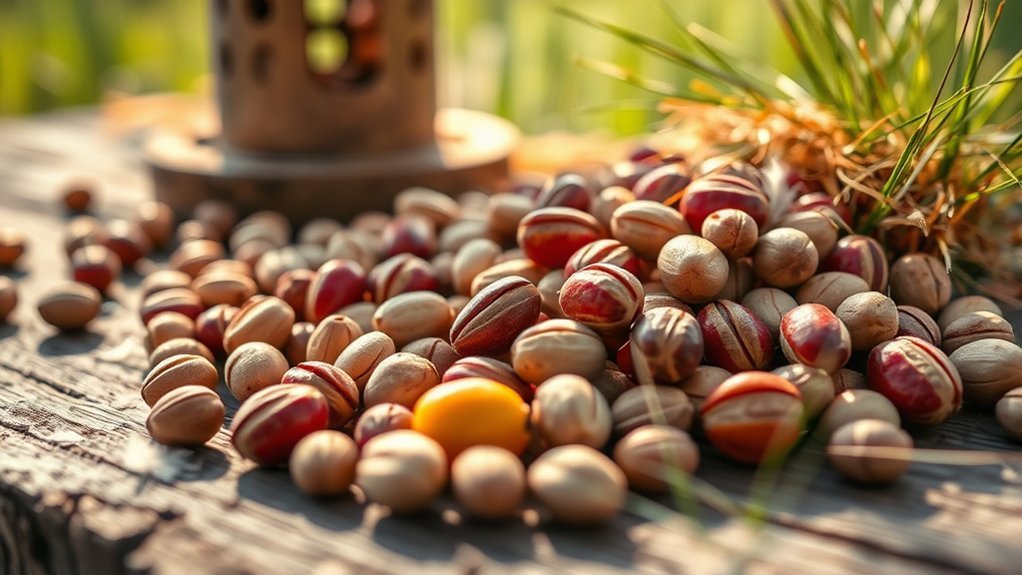
Pine nuts can be a tasty treat for your birds. They are full of good fats and vitamins that help keep your feathered friends healthy. But, it's important to give them the right amount. Different types of birds need different diets, and what works for one bird might not be good for another.
Pine nuts are small and soft, making them easy to eat. You can try giving them to your birds in small pieces. Watch how they respond. If they enjoy them, you can add a few to their meals once in a while.
However, too many pine nuts might not be good for your birds. Like people, birds need many different foods to stay healthy. So, while pine nuts can be a fun snack, they should not be the main part of their diet.
Want to create a balanced diet for your birds? Mix in seeds, fruits, and veggies with the pine nuts. This way, your birds will get all the nutrients they need to be happy and energetic!
Remember, it's always a good idea to talk to a vet if you are unsure about what to feed your birds. They can help you make the best choices for your pets. Enjoy feeding your birds and watching them thrive!
A Quick Overview
Yes, birds can eat pine nuts! These tiny nuts are good for them and offer important nutrients like protein, healthy fats, and vitamins.
Pine nuts are especially helpful because they have a lot of vitamin E. This vitamin helps birds stay healthy and keeps their feathers nice and shiny.
When you give pine nuts to birds for the first time, watch for any signs of allergies. Some birds may react badly, showing swelling or breathing problems.
For small to medium birds, it's best to give them just 1 to 3 pine nuts each day. Be careful not to give them too many.
Besides pine nuts, you can also try giving birds other nuts like walnuts and almonds. This way, their diet will be interesting and healthy!
Understanding the Dietary Needs of Birds
Birds need the right food to stay healthy and happy. If you want to keep birds as pets or attract them to your yard, it's important to understand what they eat.
Different types of birds have different diets. Some enjoy seeds, while others like fruits, vegetables, or special pellets.
To keep birds healthy, you should give them a balanced diet. This diet should include carbs, protein, fats, vitamins, and minerals. Some birds need more protein when they're breeding or molting.
By knowing what your bird needs, you can help them live a long, happy life. This will also help you feel closer to them.
Feeding birds well isn't just about filling their bowl; it's about knowing what makes them thrive. Happy birds will bring joy to your home or garden!
Nutritional Benefits of Pine Nuts for Birds
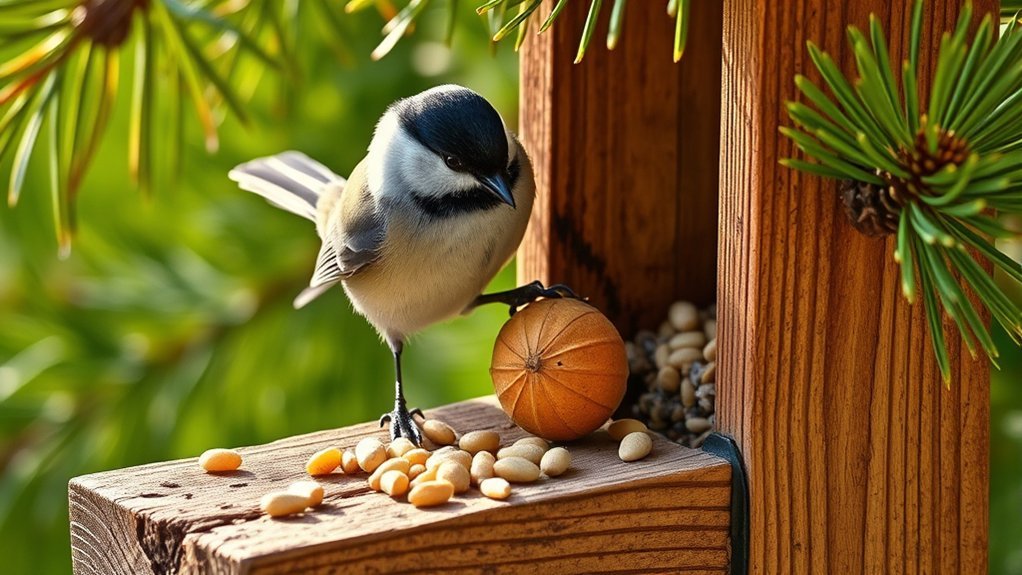
Pine nuts are great for birds. They've lots of good stuff in them that helps birds stay healthy. Pine nuts give birds important fatty acids, protein, vitamins, and minerals.
One big benefit is vitamin E. This vitamin helps birds' immune systems and keeps their feathers in good shape. Pine nuts also have healthy fats that help birds have more energy. This makes them perfect for active birds who like to fly and play.
Pine nuts also contain antioxidants. These are good because they help fight off stress in the body. When you add pine nuts to your birds' meals, you help them grow strong and feel good.
Potential Risks of Feeding Pine Nuts
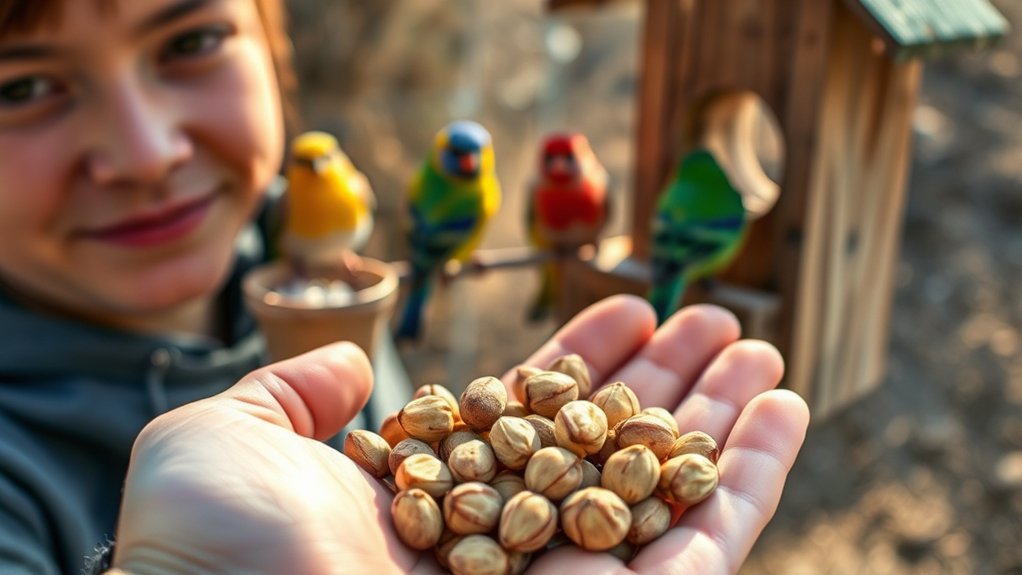
Pine nuts can be a tasty treat for birds, but there are some risks to think about. First, pine nuts can go bad if they're old or not stored correctly. Eating bad nuts can make your bird sick.
Some birds may also be allergic to pine nuts. If your bird eats them and shows signs like swelling or trouble breathing, it's important to get help from a bird doctor right away.
Always watch your bird when you give it pine nuts for the first time. If you see anything weird or concerning, call your vet.
Being careful helps keep your feathered friend safe and healthy.
Recommended Serving Sizes of Pine Nuts
When adding pine nuts to your bird's diet, it's important to know the right serving sizes. For small to medium-sized birds, give them 1 to 3 pine nuts each day.
Watch how your bird reacts and adjust the amount if needed. Larger birds can eat a few more, but don't go overboard. Too many pine nuts can lead to weight gain or other health problems.
Also, make sure the pine nuts are unsalted and unseasoned to keep your bird healthy. By keeping these serving sizes in mind, you help your bird enjoy tasty pine nuts while staying healthy and happy.
Types of Birds That Enjoy Nuts
Many birds love nuts because they taste good and are healthy. Parrots like African Greys and Amazons enjoy eating different kinds of nuts. They like the flavor and the good fats and proteins in nuts.
In nature, some birds, like jays, woodpeckers, and chickadees, look for nuts to eat. These birds naturally enjoy these tasty snacks.
If you put nuts in your bird feeder, you might see these fun birds stop by. This can help you feel closer to nature and support their diet. Knowing which birds like nuts can help you welcome them to your yard.
Other Nut Options for Birds
Many birds enjoy nuts, and there are several types to choose from. Nuts like walnuts, almonds, and hazelnuts can be great options for their diets.
Walnuts are good because they've omega-3 fatty acids. These fats help keep hearts healthy. Almonds are also helpful since they've a lot of protein, which birds need to keep their muscles strong.
Hazelnuts are filled with vitamins and minerals that help birds feel good overall.
To make sure your birds enjoy their snacks, trying different nuts can be a fun way to see what they like. Each type of nut has its own benefits, so mixing them can provide a well-rounded diet.
This way, you can meet the needs of various bird species and keep them happy!
Nuts to Avoid for Bird Health
Some nuts can be good for birds, but others can be very dangerous. You should avoid nuts like macadamia nuts and black walnuts. These nuts can harm birds and cause serious health problems like seizures or stomach issues.
Bitter almonds are also risky because they contain cyanide, which is harmful to birds.
Instead, you can give your bird safe nuts like sweet almonds, cashews, and pistachios. These nuts have healthy fats and proteins that your bird needs.
Always choose the right nuts so your feathered friend stays healthy and happy. Giving them the right food is a fun way to show you care!
How to Introduce Nuts Into Your Bird's Diet
Introducing nuts into your bird's diet can be a fun and enjoyable process. Start by offering your bird small pieces of fresh, unsalted nuts. Pay attention to how your bird reacts. If it seems curious or excited, that's a good sign to keep going!
You can mix the nut pieces into your bird's regular seed mix or use them as treats during training. Keep an eye on how your bird digests the nuts and how it behaves. If your bird enjoys the nuts, you can slowly give it more over time.
Remember to keep everything in moderation to maintain a balanced diet.
Preparing Pine Nuts for Your Birds
How can you make sure the pine nuts you give to your birds are safe and tasty? Start by preparing them correctly. Pick raw, unsalted pine nuts. Stay away from any that have added flavors or salt because those can be bad for birds.
Next, rinse the nuts under cold water. This helps get rid of any dirt or chemicals. After rinsing, lay them out on a clean towel to dry completely.
If your birds are larger, you might want to chop the nuts into smaller pieces so they're easier to eat.
Don't roast or add any seasonings to the nuts. Cooking can change their nutrients and may not be healthy for your birds.
When you first give your birds these pine nuts, watch how they react. Make sure they enjoy this healthy treat without any problems.
Enjoy watching your birds munch on their yummy snack!
Signs of Nut Allergies in Birds
If you think your bird might be allergic to nuts, it's important to watch for certain signs.
Pay attention to how your bird acts. If you have recently given them nuts, look out for these allergy symptoms:
- Scratching or preening a lot
- Swelling near their eyes or beak
- Changes in their droppings, like they might be wetter than usual
- Feeling tired or less active
If you see any of these signs, it's a good idea to stop giving them nuts.
You should also talk to your vet for help. Allergies can make your bird feel unwell, so finding the cause is really important.
Keeping an eye on your feathered friend can help keep them healthy and happy.
Creating a Balanced Diet for Your Feathered Friends
Feeding your bird a balanced diet is very important for keeping them healthy and happy. It might sound tricky, but it's actually quite simple! A good diet for your feathered friend should include seeds, pellets, fruits, and vegetables. This mix gives them all the nutrients they need.
Make sure to give fresh fruits and veggies often. They're packed with vitamins and minerals. Pellets are also important because they provide balanced nutrition.
But be careful with treats! High-fat options, like pine nuts, should only be given once or twice a week. Too many treats can lead to health problems.
Tips for Safe Treats Beyond Nuts
When you look for safe treats for your bird, remember that not all snacks are the same. Nuts can be tasty, but there are many other options that can help their diet. Here are some good choices:
- Fruits: Fresh fruits like apples, berries, and bananas are great. They give vitamins and keep your bird hydrated.
- Seeds: Choose good seeds like millet, sunflower, or safflower. They give energy and help keep your bird healthy.
- Vegetables: Leafy greens, carrots, and bell peppers are full of important nutrients.
- Oats: Whole grain oats are a good source of fiber.
When you give your bird new treats, start slowly. Make sure the treats are fresh and safe.
Keeping things interesting with different foods makes your feathered friend happy and healthy!
Frequently Asked Questions
Can Baby Birds Eat Pine Nuts Safely?
Baby birds should not eat pine nuts. These nuts can upset their sensitive tummies. Instead, give them safe snacks like soft fruits, seeds, or special baby bird food. These options help them grow strong and healthy. Always choose foods that meet their needs!
Do Pine Nuts Spoil Quickly for Birds?
Pine nuts can go bad quickly. They spoil faster in warm and humid places. To keep them fresh, store pine nuts in airtight containers.
Check for signs that they are no longer good. If you notice any strange smells or changes in texture, it's best to throw them away. Keeping an eye on pine nuts helps ensure they stay safe for birds.
Are Roasted Pine Nuts Safe for Birds?
Roasted pine nuts are safe for birds, but they are not as healthy as raw pine nuts. Birds need a mix of different foods to stay healthy. If you want to feed your birds pine nuts, try giving them both roasted and raw options. This way, you can help keep their diet balanced and fun!
How Often Can I Feed Pine Nuts to My Bird?
You can feed your bird pine nuts a few times each week. Just remember, it's best to do this in moderation. Mixing different types of nuts in their diet is good, too. This helps keep their meals balanced and stops them from eating too much of one kind of food. Your bird will enjoy the variety, and it's healthier for them!
What Are Signs of Overfeeding Nuts to Birds?
If you think you might be overfeeding your bird nuts, look for some signs. Your bird may seem tired or not as active as usual. They might have trouble digesting the nuts or show changes in how they act. If you see these signs, it may be time to change their diet for better health. Your bird deserves to feel good and energetic!

Joyce is the passionate founder of Chirping Hearts, a website dedicated to sharing her love for birds and providing valuable information about avian life. With a background in ornithology and years of experience in birdwatching, Joyce aims to inspire others to appreciate the beauty and diversity of birds. Through her engaging articles and guides, she hopes to foster a community of bird enthusiasts who share her enthusiasm for these incredible creatures. When she’s not writing, Joyce enjoys exploring nature trails and observing birds in their natural habitats.