
Do Birds Eat Maggots? Insights Into Their Diets and Feeding Habits
Do you know that some birds eat maggots? These little worms are full of protein, and many birds like to snack on them. Learning about which birds eat maggots helps us understand their role in nature and how they find food.
For example, birds like robins, crows, and even some sparrows look for maggots. They usually find them in decaying plants or animals. The birds use their beaks to dig in the ground or into rotting matter to pull them out. This shows how important maggots are as a food source for them.
Eating maggots helps birds stay healthy and strong. It also helps keep the environment clean. When birds eat maggots, they help control the number of flies and assist in the breakdown of dead plant and animal matter.
In short, these tiny larvae play a big part in the diets of some birds. Next time you see a bird, think about what it might be eating and how it fits into nature's food chain!
A Quick Overview
Many birds, like crows and vultures, eat maggots. These birds use maggots to help with their diets. By eating maggots, they keep the maggot numbers down and help recycle nutrients in the environment.
During warmer months, birds often eat more maggots because they are easier to find. The protein in maggots helps birds grow strong muscles and stay healthy.
Birds have different eating habits, like eating maggots, which shows how they adjust to what is around them. This ability to change their diet helps them survive.
Understanding Bird Diets: An Overview
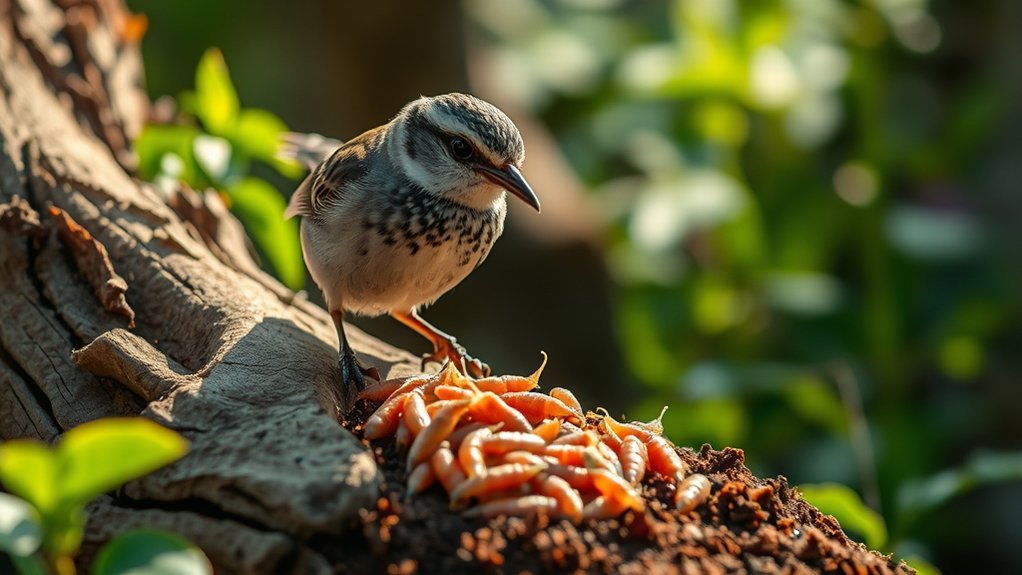
Birds eat a lot more than just seeds. They've different diets based on where they live and what food is around them. Some birds enjoy fruits, while others like to snack on insects. There are even birds that drink nectar from flowers.
This variety in their diets helps birds survive. For example, a woodpecker uses its strong beak to pull insects out of tree bark. On the other hand, a hummingbird has a long beak to reach nectar deep inside flowers. These differences show how birds interact with their surroundings.
The Role of Protein in Avian Nutrition

Protein is very important for birds. It helps them grow, stay strong, and stay healthy.
Here are some key reasons why protein matters for our feathered friends:
- Muscle Development: Protein helps birds build and fix their muscles. This is critical for flying.
- Feather Growth: Protein is necessary for making feathers and during molting. Healthy feathers help keep birds warm and allow them to fly well.
- Immune Function: Protein helps birds make antibodies and enzymes that fight off sickness. This keeps them healthy.
- Reproductive Health: Getting enough protein is vital for successful breeding and for helping chicks grow strong.
What Are Maggots and Where Do They Come From?

Maggots are the young form of flies. They come from tiny eggs that adult flies lay, usually in rotting food or other decaying things. When these eggs hatch, they turn into maggots.
Maggots have an important job in nature. They eat dead plants and animals, helping to break them down. This process returns nutrients to the soil, which helps plants grow.
Many animals also rely on maggots for food, so they support the local wildlife.
Even if maggots look gross, they're important helpers in the environment. They keep the ecosystem balanced and show us how everything in nature is connected.
Bird Species That Eat Maggots
Many birds help keep the number of maggots down. They eat them and benefit from having lots of food around.
Here are some birds that enjoy maggots:
- Carrion Crows: These smart birds eat maggots found on dead animals.
- Turkey Vultures: They can smell rotting animals and find maggots easily.
- Starlings: You can see them searching through manure for maggots and other bugs.
- African Grey Hornbills: They're good at finding maggots inside rotting fruit.
These birds make use of the food that others ignore, helping keep nature in balance.
Isn't it cool how they find their meals?
Behavioral Adaptations for Foraging
When birds look for food, they use different behaviors to help them find it better. Each type of bird has special ways of hunting or scavenging, depending on where they live. For example, woodpeckers peck at tree bark to get bugs out, while gulls search the beach for leftovers.
Birds also have sharp eyesight. Many can see colors and movement very well. This helps them spot their next meal quickly.
Using these skills, birds improve their chances of finding food. Their behaviors mix natural instincts with things they learn over time. These foraging traits help them survive and show us just how interesting bird life can be.
The Ecological Impact of Birds Eating Maggots
Birds that eat maggots play an important role in nature. When they include maggots in their diets, they get the nutrients they need while helping the environment.
Here are some clear ways these birds make an impact:
- Nutrient Cycling: When birds eat maggots and then poop, they add nutrients back into the soil. This helps plants grow better.
- Population Control: Birds eat maggots and help keep their numbers in check. This stops maggots from getting too many and causing problems with rotting food.
- Food Web Dynamics: Birds provide food for other animals that are higher up in the food chain. This keeps the balance in nature.
- Biodiversity Promotion: Birds attract different species, making the environment richer and more diverse.
Overall, birds help keep nature balanced and healthy.
Their actions support their homes and all the creatures living there.
Seasonal Variations in Bird Diets
Birds change what they eat with each season. This change helps them find enough food and get the nutrition they need. In spring and summer, birds love eating insects, berries, and seeds because these foods are easy to find.
As autumn comes, birds prepare for migration. They eat more high-calorie foods to build up fat that gives them energy for the long journey ahead.
When winter arrives, food becomes harder to find. Some birds have to eat stored seeds, while others may scavenge for leftovers like carrion or even maggots.
These changes in diet are important for birds. They show how birds stay strong and play a vital role in nature. When you notice these seasonal changes, you can better appreciate the birds around you and how they adapt to what's available in their environment.
How to Attract Birds That Feed on Maggots
To attract birds that eat maggots, you need to create a friendly space for them.
Here are some easy ways to do that:
- Add Decaying Organic Matter: Put out old fruits or vegetables. This will attract insects, which the birds like to eat.
- Use Natural Food: Offer mealworms or scraps from your kitchen. This gives the birds a tasty treat.
- Install Bird Baths: Make sure there's a place for birds to drink and bathe. They love clean water!
- Plant Different Types of Plants: Grow various flowers and plants. This will bring in more insects for the birds to find.
By following these steps, you can create a welcoming spot for birds that enjoy eating maggots.
Happy birdwatching!
Frequently Asked Questions
Do Maggots Have Nutritional Benefits for Birds?
Maggots are great food for birds! They are packed with protein, which helps birds grow big and strong. Plus, maggots have fats that give birds energy to fly and play.
When birds eat maggots, they get the nutrients they need to stay healthy. It's important to know how good maggots are for birds so we can feed them well. Just adding some maggots to their diet can help them thrive!
Can Birds Digest All Types of Maggots?
Birds can eat different types of maggots because they have special enzymes in their stomach. These enzymes help break down the food. However, some birds may find it hard to digest certain maggots. This can affect how well they get nutrition and their health. It all depends on the bird and what it is used to eating.
How Do Birds Locate Maggots in Their Environment?
Birds can find maggots because they have great eyesight and a strong sense of smell. They use their sharp eyes to spot maggots in rotting materials like dead animals or plants. Their good sense of smell helps them find food too. This way, they can get the tasty maggots they need to eat and stay healthy.
Are There Risks for Birds Eating Maggots?
Birds can face health risks when they eat maggots. Some maggots can be toxic, and they might carry diseases. These risks can hurt a bird's health. It's important to make sure birds have safe and healthy food to eat in their surroundings. Providing them with the right food helps keep them happy and well.
Do Nestlings Feed on Maggots From Their Parents?
Yes, nestlings eat maggots that their parents bring them. These maggots are full of nutrients, which help the young birds grow strong and healthy. Watching this feeding process shows how parents take care of their nestlings and ensure they get the right food. It's a nice example of love and care in nature!

Joyce is the passionate founder of Chirping Hearts, a website dedicated to sharing her love for birds and providing valuable information about avian life. With a background in ornithology and years of experience in birdwatching, Joyce aims to inspire others to appreciate the beauty and diversity of birds. Through her engaging articles and guides, she hopes to foster a community of bird enthusiasts who share her enthusiasm for these incredible creatures. When she’s not writing, Joyce enjoys exploring nature trails and observing birds in their natural habitats.