
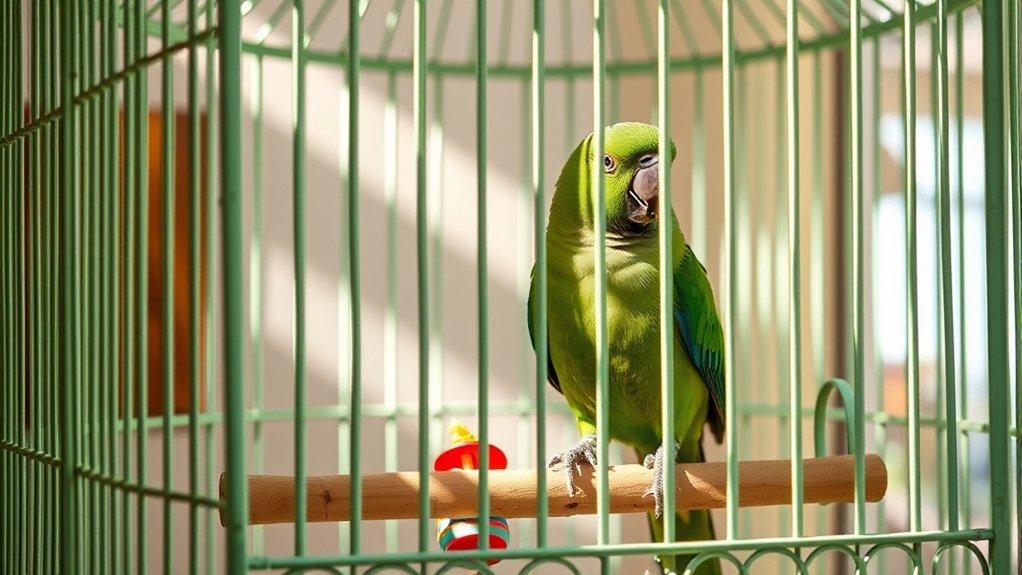
Choosing the Right Bird Cage for a Green Cheek Conure
Choosing the right cage for your Green Cheek Conure is very important for its health and happiness. You should think about several things, like the cage size, material, and features that fit their active lifestyle. These factors can really shape your bird's happiness and overall life. Let's dive into how to make the best home for your feathered friend!
First, size matters. Your Green Cheek Conure needs plenty of space to move around and stretch its wings. A cage that is at least 24 inches long, 24 inches wide, and 24 inches high should be good. Look for a larger cage if you can, as it gives your bird room to play.
Next, consider the material. Metal cages are usually the best option. They are strong and safe. Avoid cages made of soft materials that could be chewed up or damaged. Make sure the bars are not too far apart so your bird can't escape.
Now, think about the features. Your cage should have perches, toys, and food and water dishes. Perches made of natural wood are great because they keep your bird's feet healthy. Having toys also keeps your conure entertained and happy.
Lastly, place the cage in a good spot. Your bird enjoys being near family and in a place with some light, but not too much sun. Keep the cage away from drafts and loud noises.
By focusing on these key points, you can create a safe and fun environment for your Green Cheek Conure. Your bird will thrive and bring joy to your home!
A Quick Overview
Choosing the Right Bird Cage for a Green Cheek Conure
- Pick a cage that is at least 24 inches wide, 24 inches deep, and 36 inches tall. This gives your Green Cheek Conure enough room to climb and play.
- Look for cages made from strong materials like stainless steel or safe painted metal. This makes sure the cage lasts a long time and keeps your bird safe.
- Make sure the cage has bars that run horizontally with spaces of about 1/2 inch apart. This helps your bird climb and stops them from escaping.
- Add different perches, swings, and toys inside the cage. These help your bird exercise and have fun.
- Place the cage in a spot where there are people but not too noisy. Avoid places with drafts or lots of sunlight to keep your bird comfortable.
By following these tips, you can create a happy and safe home for your Green Cheek Conure!
Understanding the Ideal Cage Size
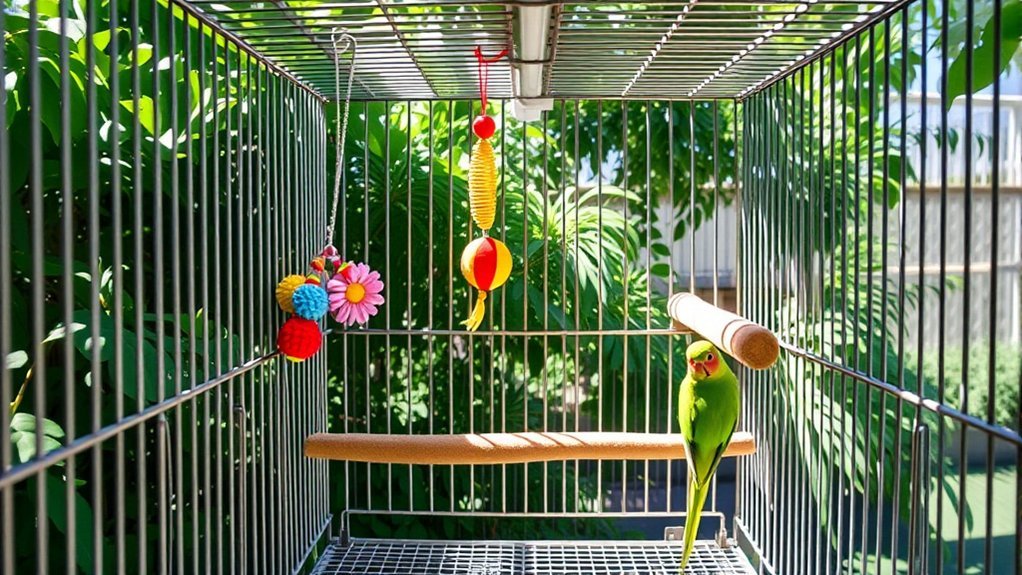
Choosing the right cage for your Green Cheek Conure is very important for their happiness. A good cage should be at least 24 inches wide, 24 inches deep, and 36 inches tall. This size lets your bird climb, fly a little, and play with toys.
If the cage is too small, your bird might feel stressed and could develop bad habits.
Make sure the cage has horizontal bars. This helps your conure climb easily.
Also, have enough perches in the cage so your bird can move around and stay active.
Picking the right size cage will make a big difference in your Green Cheek Conure's joy and health at home.
Selecting the Right Cage Material
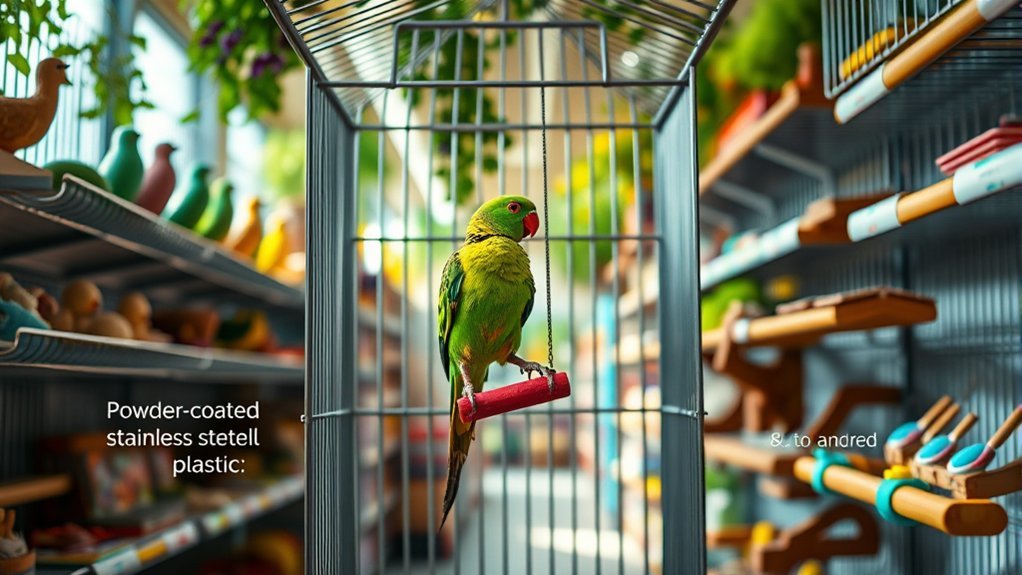
Choosing the right cage for your Green Cheek Conure is very important for their safety and happiness.
Look for strong materials like stainless steel or powder-coated metal. These materials are tough and won't rust.
Stay away from cages made of plastic or untreated wood. These can break easily or be unsafe for your bird.
Make sure any coating on the cage is safe for birds. Some finishes can let out harmful chemicals.
Think about how easy the cage is to clean. Keeping the cage clean is key to keeping your conure healthy.
When you invest in a good cage made of safe, strong materials, you create a nice place for your pet. This also helps build your bond with your feathered friend.
Important Cage Features for Green Cheek Conures
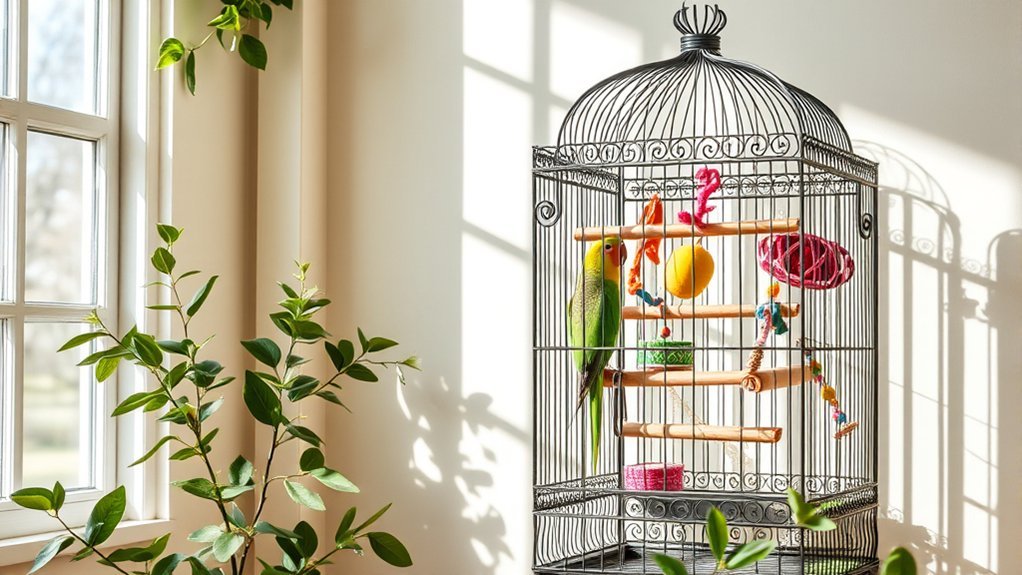
After you choose a suitable cage material, think about the important features that will make your Green Cheek Conure happy and healthy.
A good cage helps your bird feel safe and enjoy life. Here are some key things to consider:
- Cage Ventilation: Make sure the cage has good airflow. This keeps the air fresh and reduces humidity.
- Bar Spacing: Look for narrow bar spacing, about 1/2 inch apart. This will help prevent your conure from escaping and keep it safe.
- Cage Size: Choose a spacious cage. Your conure needs room to move around and play.
- Accessibility: Find a cage with multiple doors and easy access points. This makes it simple to interact with your bird and clean the cage.
These features will create a nice home for your Green Cheek Conure.
Essential Accessories for Your Bird's Home
To create a fun home for your Green Cheek Conure, you need some important accessories. First, add play items like swings, ropes, and climbing structures. These pieces help your bird get exercise and stay active.
Next, give your bird toys that make it think. Puzzles or foraging toys are great options because they challenge your conure's problem-solving skills.
For comfort, include perches with different textures and sizes. This way, your bird can choose where it feels best. A cozy hideaway is also a nice touch, providing a safe spot for rest.
Don't forget to have secure food and water dishes in the cage. Make sure they're easy to access.
Location and Placement of the Cage
When picking a spot for your Green Cheek Conure's cage, think about safety and fun. The right place will help your bird feel safe and happy. Here are some things to keep in mind:
- Let them see you: Put the cage where your conure can see you and other people. They like to be part of the action!
- Watch the temperature: Stay away from cold drafts and bright sunlight. You want your bird to be comfy, not too hot or too cold.
- Find a busy but calm area: Choose a place that has some activity, but isn't too noisy. This way, your bird can socialize without feeling stressed.
- Easy access: Make sure you can reach the cage easily. This will help you take care of your bird and spend time with them.
Setting up your conure's home correctly is important for their happiness!
Maintaining a Healthy Environment in the Cage
Picking the right spot for your Green Cheek Conure's cage is important. It helps create a happy and healthy home for your bird.
To keep the cage clean, check it every day. Remove any poop and leftover food. Once a week, do a deep clean. Use bird-safe cleaners to help get rid of germs.
Make sure the room is a good temperature. Keep it between 65°F and 80°F. Avoid placing the cage by drafts or in too much sunlight. Good humidity is also important for comfort.
Take care of your bird's boredom by giving them different perches and toys. This helps keep them happy and stress-free.
Frequently Asked Questions
Can Green Cheek Conures Share a Cage With Other Birds?
Green cheek conures can share their cage with some other bird species. This can be a great way for them to make friends and enjoy social time together. But it's very important to watch how they act with each other. You should check for any signs of fighting or stress. Keeping an eye on them helps to make sure they all get along well in the cage.
How Often Should the Cage Be Cleaned?
You should clean your bird's cage at least once a week. This helps keep your pet safe and happy. Regular cleaning stops germs from building up, which gives your bird a healthier home. Plus, it makes caring for your bird easier and more enjoyable for you.
What Is the Best Type of Bedding for Conures?
The best bedding for conures is made from natural materials. Good options are aspen shavings or shredded paper. These choices keep your bird comfortable and healthy.
Make sure to avoid using cedar or pine. These materials can be harmful to your conure. Always pick safe bedding to ensure your feathered friend stays happy and healthy.
Should I Cover the Cage at Night?
Covering your conure's cage at night can help keep the cage warm and cozy. It also makes a calm space that signals to your bird that it's time to sleep. Doing this can help your conure rest better and feel happier overall. Plus, creating a bedtime routine with dim lights helps your bird understand when it is time to wind down. Simple steps like these can make a big difference in your conure's sleep and well-being.
How Can I Encourage My Bird to Use Its Cage?
To help your bird use its cage, add fun toys and yummy treats inside. Spend time with your bird by playing games or doing training sessions. This will make your bird feel happy and safe in its cage. It will want to go in and explore more!

Joyce is the passionate founder of Chirping Hearts, a website dedicated to sharing her love for birds and providing valuable information about avian life. With a background in ornithology and years of experience in birdwatching, Joyce aims to inspire others to appreciate the beauty and diversity of birds. Through her engaging articles and guides, she hopes to foster a community of bird enthusiasts who share her enthusiasm for these incredible creatures. When she’s not writing, Joyce enjoys exploring nature trails and observing birds in their natural habitats.