Do Birds Kiss? Understanding Avian Affection and Behavior
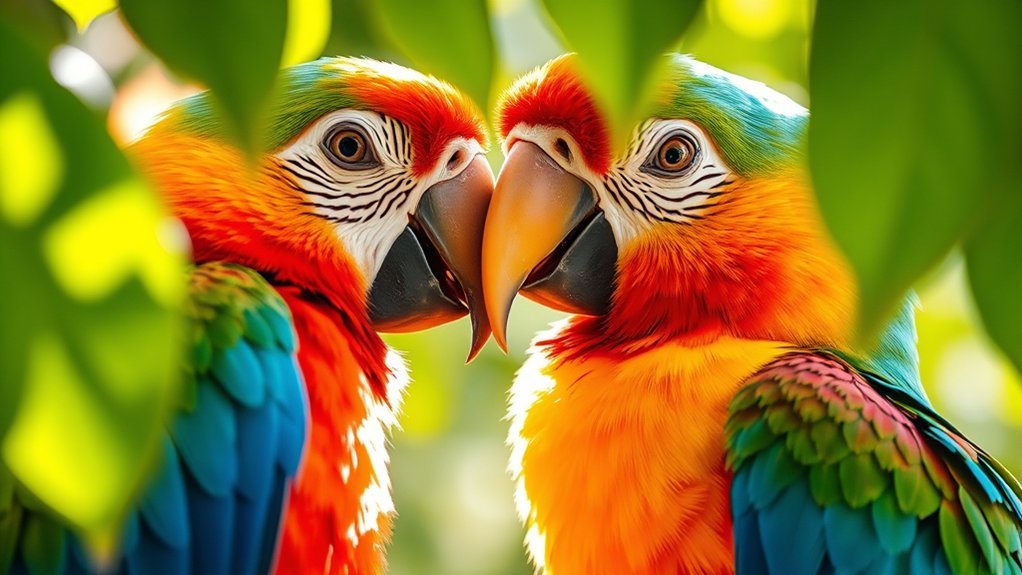
When you watch birds, you may wonder if they show love like we do. Birds often touch their beaks gently, which looks like kissing. However, this is more than just a sweet gesture. It helps them bond and groom each other.
These beak touches are part of how birds connect with their friends and partners. You'll see a mix of grooming and close contact. They spend time together in this way because it builds friendship and trust.
Understanding how birds show affection helps us see their social lives better. There's a lot to learn about these beautiful creatures!
A Quick Overview
Birds don't kiss like humans, but they show love in their own ways. They often groom each other. This grooming helps them bond and feel close.
Birds with bigger beaks can hold and clean each other better. This helps them connect more. Grooming is very important for birds. It shows they trust each other and are good friends.
Birds also talk to each other with sounds. Happy chirps and soft coos are ways they share their feelings. These sounds help birds show affection.
Where birds live matters too. Their nesting habits can change how they express love. Each bird species has its own way of showing care and connection.
The Anatomy of Avian Affection

When you watch birds interact, you can see how their bodies help them show love. The beak size is important. Birds with bigger beaks can hold and clean each other, which helps them bond. Small beaks are for gentle touches, creating sweet moments.
Feathers also play a role. Bright feathers show that a bird is healthy, and this attracts a partner. Soft feathers invite cuddling. Birds will snuggle and groom one another. This care shows their trust and love.
Every little action tells us about how birds connect with each other. Their feelings of belonging are part of who they are.
Common Misconceptions About Bird Behavior

Birds show affection in different ways than we do. Many people mistake bird behaviors for love. For example, when one bird cleans another, we might think it means they care. But usually, this behavior is about keeping clean or showing their place in a group.
It's important to remember that birds don't feel affection like humans. Their actions are mostly about survival and instincts. They don't fall in love or have feelings like we do.
If you pay attention to what birds really need, you can connect with them better. Understanding their true nature can help you appreciate them more. Instead of putting human emotions on them, try to see their actions for what they really are.
Enjoy watching your feathered friends and learn more about their real behaviors!
Social Structures and Bonding in Birds
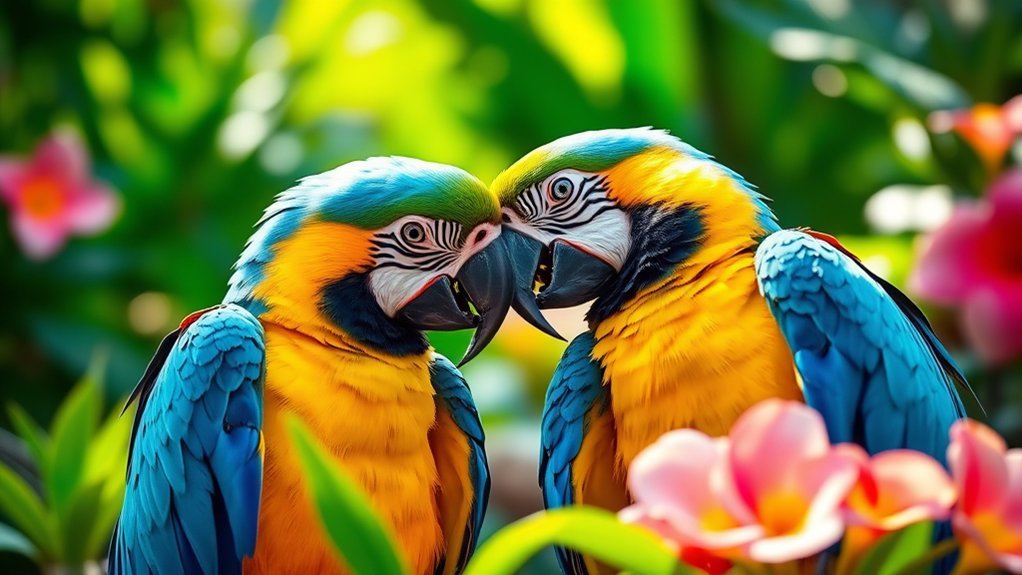
Birds form strong bonds just like us. They don't just fly around in flocks; they build friendships based on their social rank. These friendships help them create close communities where they show loyalty and teamwork.
- Pair bonding: Many birds find a mate and stay with them for a long time. This helps them feel connected and cared for.
- Grooming rituals: Birds often clean each other's feathers. This act shows trust and helps them feel closer to one another.
- Group dynamics: In bird species that live in groups, each bird has a role. These roles help keep peace and support among the members.
When we learn about how birds connect with each other, we see how much they value friendship and community. Their bonds remind us of our own need for connection and companionship.
Vocalizations and Body Language: How Birds Communicate Affection
Birds show love in fun ways with their sounds and movements. They make cheerful chirps and soft coos. These sounds help them connect with one another.
You can see how they use their bodies to share feelings too. For example, they might fluff up their feathers, tilt their heads, or lean in close.
When you watch a parakeet snuggle up, you can feel the love in their little actions. Each time they interact, they speak a special language of affection.
Preening: An Expression of Care and Connection
Preening is a way birds show they care for each other. When birds make soft sounds and move their bodies, they often start preening. This is when they clean each other's feathers. It helps them feel close and strengthens their bond.
Here's why preening is important:
- Sharing: Birds help each other by grooming their feathers. This makes their friendships stronger.
- Grooming: Preening keeps feathers clean and gets rid of any bugs. This helps birds stay healthy.
- Comfort: When birds preen, they feel less stressed and more secure. It's like a warm hug.
Watching birds preen can make us feel good too. It reminds us that care and connection are important for everyone, not just birds.
Mating Rituals: Beyond Kissing
When you watch birds perform their mating dances, you see something special. These displays are more than just cute moves; they're important ways for birds to find a mate. Each dance shows off bright feathers and fun movements.
Male birds often use their colorful looks or beautiful songs to attract females. These traits show off their health and strength. With every flap and chirp, they're saying, "Pick me!"
In these moments, we see birds trying to connect and start families. They want to bond and do their best to survive. This mix of wanting to be close and needing to reproduce makes bird love exciting and unique.
The Role of Environment in Avian Affection
Birds show their love in many ways, and their homes play a big part in this. Let's look at how the places they live help them connect better.
- Nests matter. The places where birds build their nests help them bond. When they find a cozy spot, they feel more together and can show their love through courtship dances.
- Different habitats let birds show affection in unique ways. For example, birds might fluff their feathers or move together in a dance. These behaviors change based on where they are.
- Cities mix things up. Birds living in cities often change how they show love. They adapt their behaviors to fit in with loud noises and busy streets, showing that love can thrive no matter what's happening around them.
As the seasons change, birds' feelings change too. When spring comes, they often show off their colors and dances even more.
Understanding Play Behavior in Birds
Birds love to play, and their play behavior shows us how smart and emotional they can be. When you watch birds having fun, you see their curiosity and creativity.
They often use toys to keep themselves busy and to bond with other birds. A ball or a rope can help them explore, learn, and make friends.
Playing helps birds grow their thinking skills. They learn about their surroundings and the other birds around them. It's amazing to see how they communicate through their playful actions.
These interactions help them build strong connections and show us how they feel.
Understanding how birds play helps you connect with them better. It makes their lives richer and makes your time with them even more enjoyable.
Frequently Asked Questions
Do All Bird Species Show Affection Differently?
Yes, different bird species show their affection in different ways. Some birds like to preen each other's feathers, while others might play fun games. Watching how they interact is a great way to see how birds form friendships and build a sense of community. Each behavior is special and tells us more about how they connect with one another. It's fascinating to see these little displays of love and care in the bird world!
Can Birds Recognize Their Owners?
Yes, birds can recognize their owners! They form strong bonds through regular time spent together. You can see this when your bird flaps its wings or chirps happily when you walk in the room. This shows they trust you and feel familiar with you. With love and care, your friendship with your bird will grow stronger over time.
Why Do Birds Mimic Human Behaviors?
Birds mimic human behaviors mainly because they are good at copying and learning from others. They watch how you act and try to do the same things. This helps them feel closer to you and shows how smart they are. By mimicking your actions, they build a strong bond with you and their surroundings.
How Can I Tell if My Bird Is Happy?
To tell if your bird is happy, pay attention to how it acts and sounds. A happy bird stands relaxed, plays with toys, and makes cheerful chirps. This means your bird feels safe and loved with you. Watching for these signs can help you know that your feathered friend is enjoying life!
What Are Some Signs of Stress in Birds?
You can tell when your bird is stressed by looking at its body language. Common signs include fluffed-up feathers, pacing back and forth, or flapping wings a lot. Recognizing these signs is important. It helps you take steps to ease your bird's stress and build a stronger bond with your cheerful companion.

Joyce is the passionate founder of Chirping Hearts, a website dedicated to sharing her love for birds and providing valuable information about avian life. With a background in ornithology and years of experience in birdwatching, Joyce aims to inspire others to appreciate the beauty and diversity of birds. Through her engaging articles and guides, she hopes to foster a community of bird enthusiasts who share her enthusiasm for these incredible creatures. When she’s not writing, Joyce enjoys exploring nature trails and observing birds in their natural habitats.