
The Distinct Features of Female Blue Birds: Identification Tips
When you look for female blue birds, you will see that they have soft brown or gray colors. This helps them hide well in nature. Different types of blue birds can be different sizes. For example, Eastern Bluebirds are smaller than Blue Grosbeaks. Each bird also has a special body shape that can change how they fly.
Watch them closely. You might notice other little things about their behaviors and where they like to live. This can help you tell them apart when you see them outdoors. Keep your eyes open, and enjoy spotting these beautiful birds!
A Quick Overview
Female bluebirds have soft colors, mostly brown or gray. These colors help them blend in with their surroundings while they nest and keep their eggs safe from predators.
Different species of bluebirds can be different sizes. For example, the Eastern Bluebird is smaller than the Blue Grosbeak. This size difference can help you tell them apart.
When looking closely, female bluebirds have special markings. Their undersides can show unique colors, and their wings have different patterns, like dark tips or lighter spots.
Unlike the bright colors of male bluebirds, females have softer shades. They spend more time focusing on nesting. You might notice their calls are quieter compared to the songs of the males.
Female bluebirds like to build their nests in open woodlands and areas with shrubs. They prefer places near water where they feel safe from danger.
Understanding the Coloration of Female Blue Birds
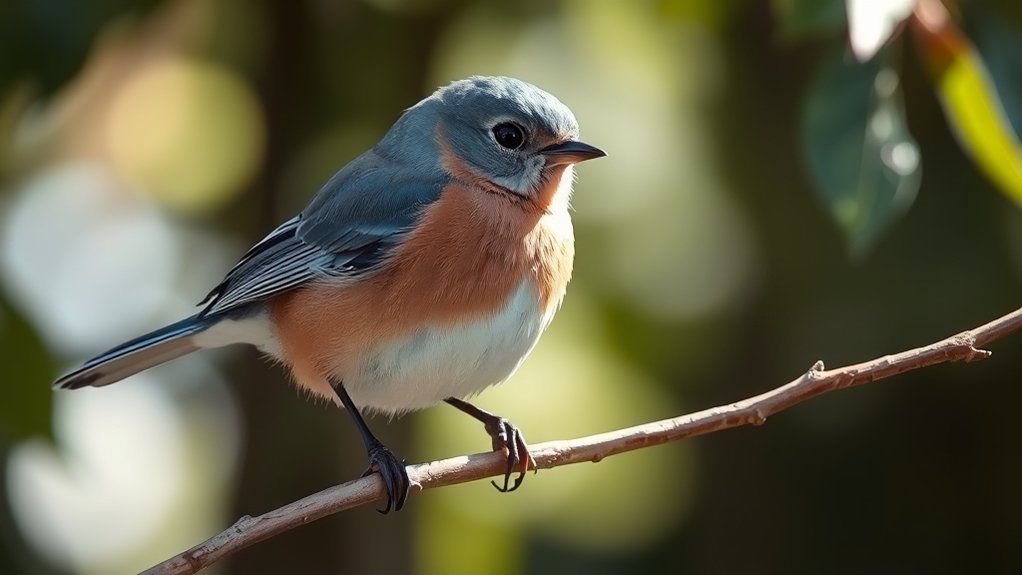
Many birdwatchers think of blue birds as bright and colorful. However, female blue birds often have different colors. They usually have softer shades of brown or gray.
These colors help them hide in their surroundings, especially when they're nesting. This camouflage keeps them safe from predators and helps them take care of their young.
The brightness of a female blue bird's feathers can also show how healthy she is. When a bird eats well, her feathers look better.
When you spot a female blue bird, take a moment to notice these colors. Understanding these details can make your birdwatching experience even more enjoyable. It helps you appreciate the beauty of nature and the lives of these amazing birds.
Recognizing Size and Shape Variations
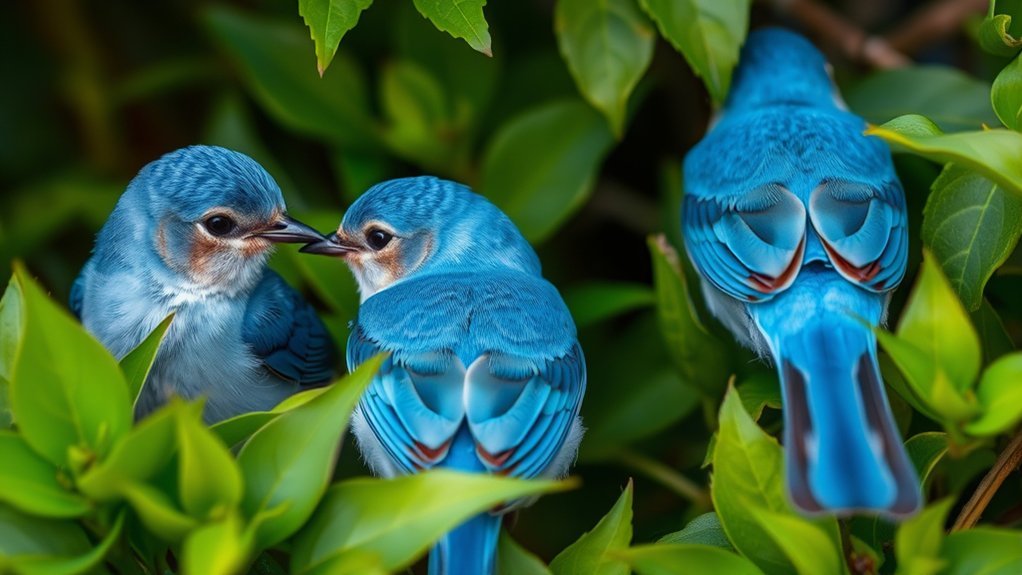
When you look at female blue birds, you'll see many differences in size and shape.
These differences can help you identify them. For example, some female blue birds are small, like the Eastern Bluebird, while others, like the Blue Grosbeak, are larger. These size differences show where they might live.
You can also see shape differences. Some females have long bodies and pointed wings, while others are rounder and sturdier. The length of their tails can change too. This affects how they fly and where they like to sit.
Identifying Key Markings and Patterns
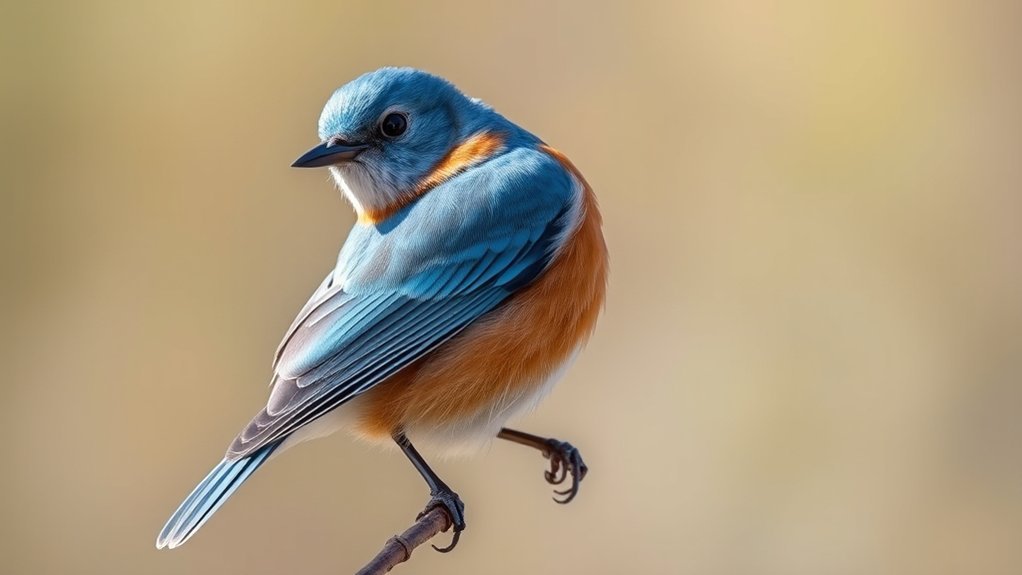
Identifying key markings and patterns on female blue birds is important for knowing which species you're looking at. Start by looking at their underparts. Many birds have special colors or patterns there. For example, some may have soft streaks on their throats or sides that help tell them apart.
Pay attention to the blue shades too. They can vary from soft cerulean to bright azure. These shades can change depending on the bird's age or breeding season. The wings often have noticeable markings as well, like dark tips or lighter spots. These details help show the bird's identity.
Learning about these markings can help you recognize different species. When you spot these characteristics, you'll feel more connected to birds. Enjoying the beauty of these creatures can really deepen your appreciation for nature.
Differences Between Female and Male Blue Birds
Knowing the differences between female and male blue birds can make birdwatching more fun and help you spot them easily.
Male blue birds are bright blue. Their colorful feathers catch your eye, especially when they fly around to impress the females. They do cool moves in the air to get attention.
On the other hand, female blue birds are more subtle. They've grayish-brown feathers that help them blend in with their surroundings. This camouflage is useful when they're nesting and taking care of their babies. It keeps the young ones safe from predators.
Males are also known to sing more often. They use their songs to claim their territory and attract mates. Females, however, usually make softer calls. They focus more on taking care of their home and the young birds.
Common Species of Female Blue Birds
You can find several common types of female blue birds, and each one has its own special look.
First, there's the Eastern Bluebird. It has soft grayish-blue feathers that make it easy to spot. These birds are friendly and social, especially during mating season. You might see them flying around or calling to each other.
Next up is the Western Bluebird. This bird shows off some rusty orange colors on its belly. This little detail makes it different and pretty to see.
Then, we've the Mountain Bluebird. The females of this species shine in bright blue. They're known for their quick and agile flying.
By watching these beautiful blue birds, you can learn about their habits and how important they're in nature.
Enjoy spotting them in your backyard or local park!
Habitat Preferences and Behavior
Female bluebirds often live in the same places as male bluebirds, but they've different likes based on their type and the environment. Usually, they like open woodlands, shrubby areas, and spots close to water for nesting. When finding a place to build a nest, they often choose tree holes or other safe spots to stay away from predators.
When it comes to finding food, female bluebirds have different ways to do it. They look for insects, fruit, and seeds, exploring bushes and trees. They change their foraging spots based on what food is available at different times of the year.
Vocalizations: Sounds of Female Blue Birds
Female bluebirds communicate using special sounds. Their voices help them interact with each other and claim their territory. You can hear them make cheerful whistles and gentle trills, which are different from what male bluebirds sound like.
These calls have many purposes. They help attract mates and warn other birds about nearby dangers, like predators. Sound recognition is important for bluebirds. They need to recognize different calls to keep their friendships strong in their flock.
Listening closely to these unique sounds can help you learn more about how bluebirds behave and interact.
It's also important to pay attention to their vocal health. Changes in their sounds might show how their environment is impacting their communication.
Seasonal Changes in Appearance
As the seasons change, female bluebirds show different colors in their feathers. These changes happen mainly when they lose old feathers and grow new ones.
In spring, their feathers become bright blue with hints of brown. This is a sign that it's time for them to find mates and start breeding.
When summer comes, the bluebirds' colors may get a little duller. This helps them blend in with the trees as they care for their babies.
By fall, female bluebirds often look lighter and more muted. This change helps them get ready for winter.
Knowing these changes in their feathers can help you spot bluebirds more easily and feel a closer connection to these lovely birds.
Tips for Spotting Female Blue Birds in the Wild
To spot female bluebirds in the wild, it helps to know a few key facts.
First, pay attention to their migration patterns. In spring, you can find them in open fields or shrubby areas where they like to build their nests. They often choose spots like tree cavities or wooden fence posts that are close to water.
Next, watch how they behave. Female bluebirds are usually quieter than the males. You might see them foraging on the ground for insects and berries. They've a color that's more of a soft blue-gray compared to the bright colors of males.
Using binoculars can really help you see the differences in their colors more clearly.
By knowing where to look and how they act, you can increase your chances of seeing these lovely birds in their natural setting.
Happy birdwatching!
Frequently Asked Questions
What Do Female Blue Birds Eat in the Wild?
In the wild, female bluebirds eat a variety of foods. They like to munch on insects, fruits, and seeds. When it's time to make nests and care for their young, they focus on finding high-energy foods. This helps them stay strong and makes sure their babies get the nutrition they need to grow. Bluebirds enjoy their meals while staying healthy in their natural home.
How Can I Attract Female Blue Birds to My Garden?
To attract female blue birds to your garden, start by making it feel like their home. Plant native plants that grow naturally in your area. These plants will bring in bugs and berries, which blue birds love to eat.
You can also put up nesting boxes. These cozy spots will help the birds feel safe and encourage them to stop by.
Do Female Blue Birds Migrate? if So, Where To?
Yes, female bluebirds do migrate. They move to warmer places when it gets cold. They leave their breeding areas in search of food and better weather. Knowing when and where they breed can help us understand the best times to see them during migration. It's interesting to watch them travel and find new homes!
What Are Common Predators of Female Blue Birds?
Female blue birds have to be careful because they have many predators. Snakes and hawks can pose serious threats, especially when they are nesting and protecting their eggs. Because of these dangers, blue birds stay alert and work hard to keep their nests safe. This careful behavior helps them survive and ensure that their young can grow up strong in the wild. Taking these steps is vital for continuing their family line.
How Long Do Female Blue Birds Typically Live?
Female bluebirds usually live for about 2 to 6 years. Their lifespan can change based on where they live and the conditions around them. The quality of their habitat plays an important role in how long they survive and how many babies they can have. Good homes help them stay safe and healthy, which helps them live longer.

Joyce is the passionate founder of Chirping Hearts, a website dedicated to sharing her love for birds and providing valuable information about avian life. With a background in ornithology and years of experience in birdwatching, Joyce aims to inspire others to appreciate the beauty and diversity of birds. Through her engaging articles and guides, she hopes to foster a community of bird enthusiasts who share her enthusiasm for these incredible creatures. When she’s not writing, Joyce enjoys exploring nature trails and observing birds in their natural habitats.