
Creating a Blue Bird Feeder: Tips for Attracting Feathered Friends
Creating a bluebird feeder is a fun project that anyone can do. First, know where bluebirds like to live and what they like to eat. Pick a safe spot for your feeder, away from where predators might sneak up.
Next, make sure you use strong and weatherproof materials. You want your feeder to last through rain and sun. Now, let's look at some ideas that will help you build a feeder that bluebirds will love!
Choose a feeder design that allows bluebirds to perch comfortably and access food easily. Some bluebirds enjoy mealworms or special seeds, so think about what you want to put in there. It's a good idea to keep your feeder clean and fill it with fresh food regularly.
By following these steps, you can create a bluebird feeder that not only attracts these beautiful birds but also meets their needs. Enjoy watching your new feathered friends!
A Quick Overview
To attract bluebirds, pick a spot for your feeder that is close to trees or bushes. It should also be within 100 feet of their nesting areas.
Build your feeder with cedar wood or tough plywood. This way, it will last a long time and resist rot.
Feed bluebirds a mix of foods. They like mealworms, fresh fruits, and special seed mixes for bluebirds.
Keep your feeder clean. Wash it every week and check for any damage. This keeps the birds coming back safely.
Make sure there is fresh water nearby. Plant flowers and bushes that birds enjoy. This will help create a better home for bluebirds and other birds, too.
Understanding Bluebirds and Their Habitats

Bluebirds are known for their bright colors and happy songs. If you want to attract them to your feeder, it's important to understand where they like to hang out. Bluebirds prefer open spaces with some trees around. This way, they can see bugs and other food easily.
They usually build their nests in tree holes or in birdhouses. They like their nests to be about 5 to 10 feet off the ground. The female bluebird often picks a warm, safe spot to raise her babies.
To make your yard inviting for bluebirds, you can place your feeder in an open area with some plants nearby. This will help create a cozy space where they feel at home.
Watching how they behave can help you change things to make your yard even better for them. Enjoying bluebirds in your garden can be a fun and rewarding experience!
Choosing the Right Location for Your Feeder
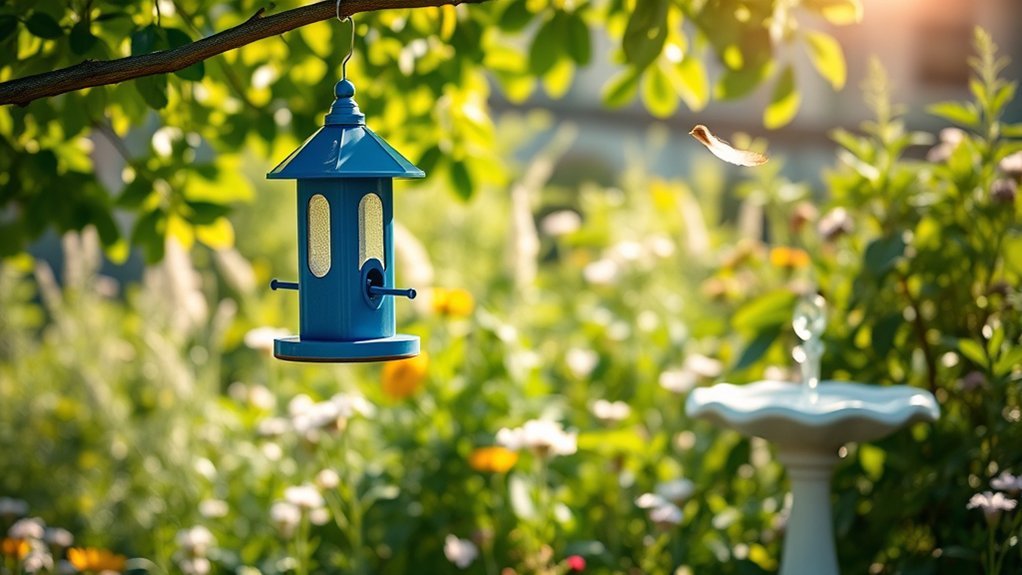
To attract bluebirds, you need to put your feeder in the right spot. First, think about shelter. Place the feeder near trees or shrubs. This gives bluebirds a place to land and feel safe.
They like open spaces to find food, so pick a spot where they can see around them clearly. Make sure your feeder is within 100 feet of their natural nesting spots. But don't put it too close to places where cats or hawks might be.
Bluebirds enjoy quiet areas, so avoid busy or loud spots. By choosing a good location that offers shelter and safety, you can create a nice place for bluebirds to visit your feeder.
This will make your backyard more fun and lively!
Selecting the Best Materials for Construction
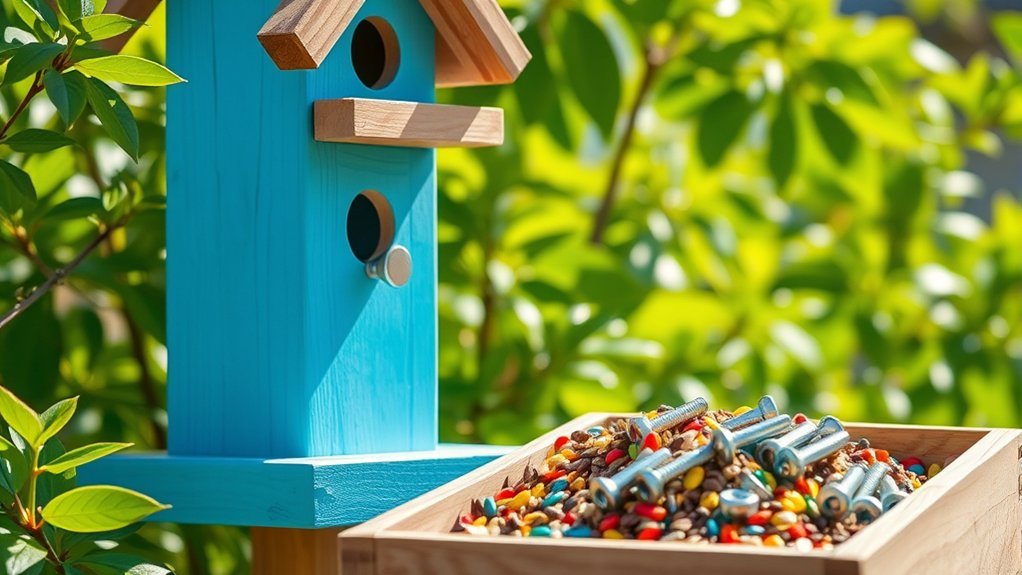
Choosing the right materials for your bluebird feeder is important. Good materials help the feeder last longer and make it safe for birds.
Here are some easy suggestions for materials you can use:
- Cedar: This wood is strong and can resist bugs and rot, so it will last a long time.
- Plywood: Use waterproof plywood. Make sure it doesn't have any chemicals that harm birds.
- Metal Mesh: Metal mesh is tough and lets air flow in. This keeps the feeder dry and helps prevent mold.
Using these materials will help you build a feeder that bluebirds will love!
Tools You Will Need for Building Your Feeder
Building a bluebird feeder is fun and easy! To get started, you'll need some basic tools. Here's a simple list:
- Tape Measure: This helps you measure your wood accurately.
- Square: This tool makes sure your cuts are straight and corners are right.
- Level: Use a level to check if everything is even when you put it together.
Next, you'll need a saw. You can use a hand saw or a power tool like a jigsaw to cut your materials.
A drill is also important. It makes holes for screws and lets water out for drainage.
Don't forget a screwdriver! A power screwdriver can make this step quicker and easier.
Lastly, wear safety goggles to protect your eyes while you work.
Gather these tools, and you'll be ready to build a cozy home for bluebirds. Enjoy the process!
Design Ideas for Your Blue Bird Feeder
Once you have your tools ready, it's time to think about some fun ideas for your bluebird feeder.
You want it to look good and work well. Bright colors can make your garden lively and attract bluebirds.
Here are some important things to include in your feeder:
- Bright Colors: Choose reds, yellows, or blues. These colors can grab the bluebirds' attention.
- Natural Materials: Use wood or bamboo. This helps your feeder fit in with nature.
- Useful Features: Make sure to add good drainage holes, a strong perch, and a roof to keep the food dry from the rain.
With these ideas, you can create a feeder that's both pretty and helpful for bluebirds.
Enjoy making your garden a welcoming place for these beautiful birds!
Step-by-Step Instructions for Assembly
To put together your bluebird feeder, start by gathering everything you need. This includes the base, roof, drainage holes, perches, and screws.
First, place the base on a flat surface so it doesn't wobble. If you have one, use a drill to make sure the screws go in straight.
Next, add the drainage holes. These are important because bluebirds like a dry place to eat. You want any extra water to drain out.
Now, insert the perches on each side of the base. This gives the bluebirds a comfy place to sit.
Once the perches are in, attach the roof. Make sure it fits tightly so the rain doesn't get in and wet the food.
Finally, check your work to make sure everything is sturdy. With careful steps, you'll have a nice feeder ready for your bluebird friends!
Types of Food to Attract Bluebirds
Now that you have your bluebird feeder ready, let's think about what food will attract these colorful birds.
Bluebirds like specific foods, so choosing the right ones can help bring them to your yard. Here are some great options:
- Mealworms: Bluebirds love mealworms, whether they're dried or live. These little snacks provide important protein for the birds.
- Fresh Fruits: Bluebirds enjoy fresh fruits like blueberries, blackberries, and orange slices. Putting out these treats can really make them happy!
- Bluebird Seed Mixes: You can find seed mixes made just for bluebirds. These mixes often have seeds and grains that bluebirds like to eat.
By providing these foods, you'll make your feeder very inviting for bluebirds.
Enjoy watching them!
Keeping Your Feeder Clean and Maintained
Keeping your bird feeder clean is very important to attract bluebirds and keep them healthy.
Make a plan to clean your feeder every week. Use warm, soapy water and give it a good scrub. Rinse it well afterward. This helps stop mold and bacteria that can hurt the birds.
Use a soft brush to get into all the small spaces, especially around the ports and perches. Look for any leftover food and throw it away to keep pests away.
Check your feeder each month for any cracks or sharp edges. A broken feeder may scare birds away. Always refill with fresh food to keep birds coming back.
Protecting Your Feeder From Predators
After you clean your bird feeder, think about how to keep the birds safe. You want to make sure your bluebirds and other friends can eat without worrying about predators.
Here are some easy ways to help!
- Add baffles: Put one of these on the pole of your feeder. It stops animals from climbing up and getting to your birds.
- Pick a good spot: Place your feeder far from bushes and trees. Predators like to hide in those places, so keep the feeder in the open.
- Use sheltered feeders: Choose a feeder that has a cover. These special feeders help protect birds from bigger animals while they eat.
Using these tips can create a safe space for your feathered visitors to enjoy their meals!
Encouraging Other Birds to Visit
To attract more birds to your feeder, try offering different kinds of food. Use seed mixes, suet, and fruit to bring in various bird species.
It's also good to think about their nutrition.
Plant bird-friendly plants near your feeder, like sunflowers or berry bushes. These plants give birds food and a place to hide, making your yard inviting.
You can add special feeder accessories too, like squirrel-proof designs and platform feeders for ground-feeding birds. This helps more types of birds find food.
Watch which birds come to visit and change the food based on what you see.
Seasonal Considerations for Bird Feeding
As the seasons change, different birds come to your feeder.
By changing what you put out, you can attract more birds and enjoy watching them.
Let's look at how to feed birds in each season.
- Spring: Birds are nesting and need protein. Offer foods like mealworms or sunflower seeds. This helps them feed their young.
- Summer: Birds eat a variety of foods. Offer seeds and fresh fruits. This can bring in many types of birds.
- Winter: Cold weather makes it hard for birds to find food. Give them high-energy foods like suet and peanuts. This keeps them strong and healthy.
Observing and Enjoying Your Feathered Guests
Birdwatching is fun and helps you connect with nature. Watching birds can teach you a lot about their behaviors.
To start, place your bird feeder in a quiet spot. This makes birds feel safe.
Get a comfy chair and use binoculars to see them better. Keep a notebook nearby to write down the different birds you see. Look for interesting things they do, like how they find food or show off to each other.
To attract many different birds, mix various seeds in your feeder and always provide fresh water.
You can also join local birdwatching groups. This way, you can share tips and learn more from other people who love birds.
Enjoy watching your feathered friends!
Additional Resources for Birdwatching Enthusiasts
When you're working on your birdwatching skills, using different resources can make your experience better.
Here are some useful options to check out:
- Birdwatching Apps: Try using apps like Merlin Bird ID. They can help you identify birds quickly and keep a record of what you see.
- Local Birding Groups: Look for birdwatching groups in your area. Joining others who love birds can help you learn more and make new friends.
- Field Guides: Get a good field guide. This book can help you learn how to recognize different birds, understand what they do, and find out where they live.
Using these tools can make birdwatching more fun and interesting!
Frequently Asked Questions
What Colors Attract Bluebirds to Feeders the Most?
Bluebirds love bright colors! They are most attracted to shades of blue and orange. If you want to invite more bluebirds to your backyard, try using feeders that are painted in these colors. This simple change can make it easier for them to spot your feeder and come for a tasty snack.
Can I Use a Store-Bought Feeder Instead of Building One?
Sure! You can definitely use store-bought bird feeders. They are easy to find and often made to attract specific birds, like bluebirds. Just make sure the feeder you choose is good for bluebirds. That way, you can create a nice spot for them to visit. Happy bird watching!
How Do I Know if My Feeder Is Working Effectively?
To see if your bird feeder is working well, watch the birds closely. Check how often they come to eat. Make sure your feeder is clean and in good shape. Also, pay attention to the different types of birds that visit. If more birds are coming to your feeder, that means you are doing a great job attracting them to your yard!
What Time of Year Is Best for Attracting Bluebirds?
To attract bluebirds, the best time is early spring. This is when bluebirds come back from their migration and start nesting. You will see them flying around, looking for food and safe places to build their nests. This creates a lively scene in your backyard, making it a fun time to enjoy watching these beautiful birds.
If you want to be ready, put up bluebird houses and fill feeders with food they like, such as mealworms. A bright and welcoming space will help bring them to your yard. So, get ready to enjoy the sights and sounds of bluebirds in early spring!
Should I Use a Perch on My Bluebird Feeder?
Using a perch on your bluebird feeder can help attract more birds. Perches give bluebirds a place to rest, which can make them stay longer. This makes it easier for you to watch them.
It's a good idea to try different feeder designs. Different styles can match the ways bluebirds like to eat. This can make your backyard more inviting for them.
In short, adding a perch can be a simple way to improve your bluebird feeder and enjoy watching these lovely birds.

Joyce is the passionate founder of Chirping Hearts, a website dedicated to sharing her love for birds and providing valuable information about avian life. With a background in ornithology and years of experience in birdwatching, Joyce aims to inspire others to appreciate the beauty and diversity of birds. Through her engaging articles and guides, she hopes to foster a community of bird enthusiasts who share her enthusiasm for these incredible creatures. When she’s not writing, Joyce enjoys exploring nature trails and observing birds in their natural habitats.