Do Birds Eat Butterflies? Examining Their Dietary Range
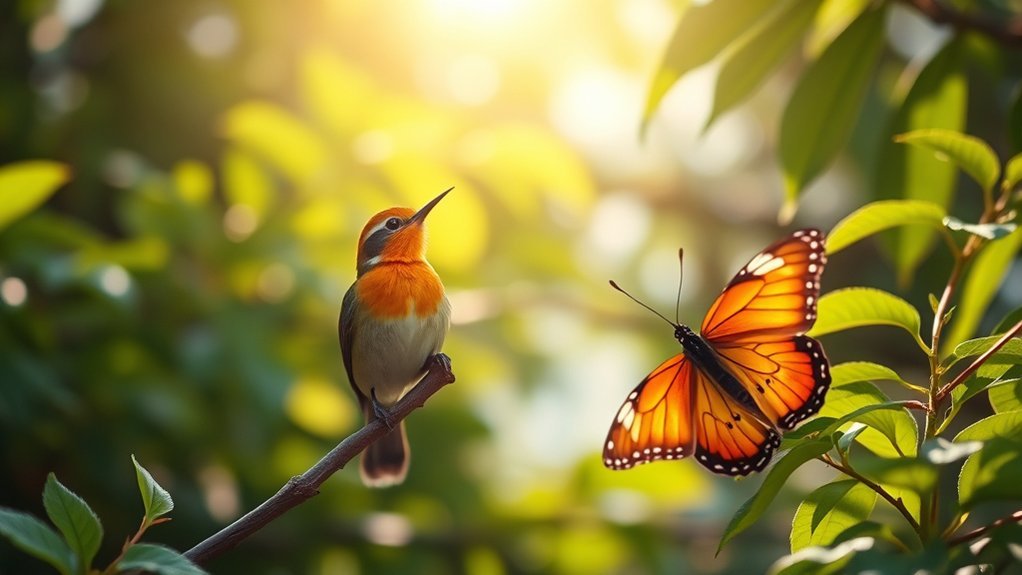
Many birds eat insects, and butterflies are part of this menu. Different bird species hunt butterflies for their nutrition. This relationship helps us understand how birds adapt to their environment. By looking at how birds and butterflies interact, we can learn about their populations and how they affect each other. This balance is important for nature.
A Quick Overview
Many birds, like swallows, warblers, and kestrels, eat butterflies. Butterflies are a great source of protein, fats, and vitamins that help birds grow strong and stay healthy.
Birds change their diets with the seasons. They might eat more butterflies when they are plentiful, and less when there are fewer around. This change helps birds get the nutrients they need.
Birds are important for nature. They help control insect populations and are a key part of the food chain.
However, humans are harming bird and butterfly habitats. Things like cutting down trees and climate change are making it harder for both birds and butterflies to find food. This can affect how many butterflies birds can eat.
In short, birds do eat butterflies, and both play important roles in our ecosystems.
The Basics of Bird Diets
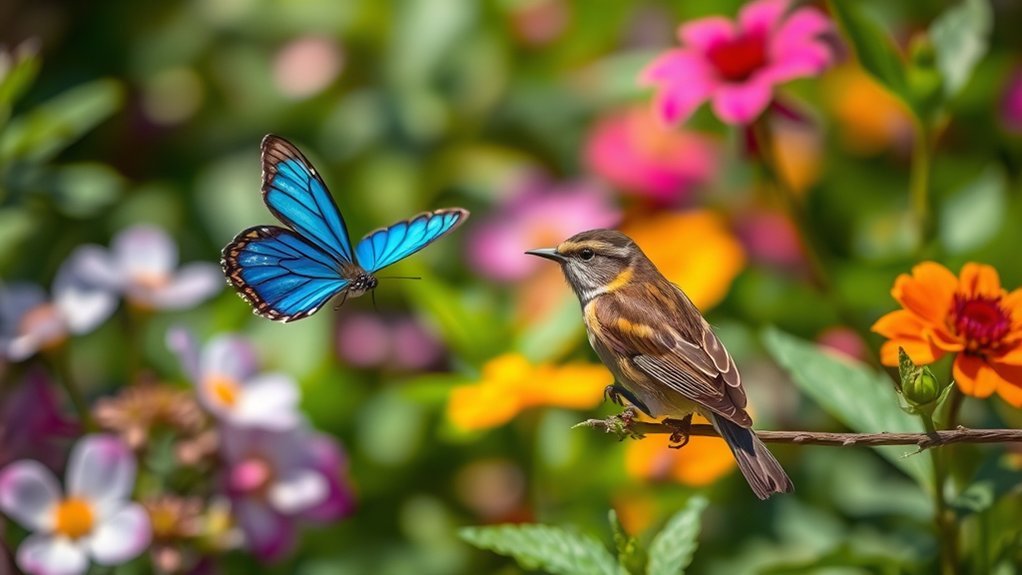
Birds eat different foods depending on their type, where they live, and what food is around. Feeding birds isn't the same for every kind; they all have their own favorite foods.
For example, some birds eat seeds. These are called granivorous birds. Others eat insects, and we call them insectivorous birds. There are birds that love fruit, known as frugivores. Knowing what each bird likes is important. Feeding them the wrong food can make them sick or cause problems.
The seasons also change what food is available for birds. This means their diets can change throughout the year. To help birds stay healthy, watch what local birds are eating. This will help you connect with nature and enjoy birdwatching more. Plus, it supports efforts to protect wildlife!
Understanding the Food Chain
Understanding how the food chain works is important for us to see how birds and other animals live and help each other in nature. Each animal and plant plays a part in this circle of life, where energy and nutrients move around.
Birds are unique because they can be both hunters and the hunted. For example, when birds eat insects like butterflies, they help keep the number of insects in check. This helps keep nature balanced.
At the same time, birds also become food for bigger animals, like hawks. Seeing these connections helps us understand how every creature is important for keeping nature healthy.
Even the smallest choices we make about what we eat can affect this balance. By learning about the food chain, we can see why every living thing matters in our world.
Types of Birds That Might Eat Butterflies
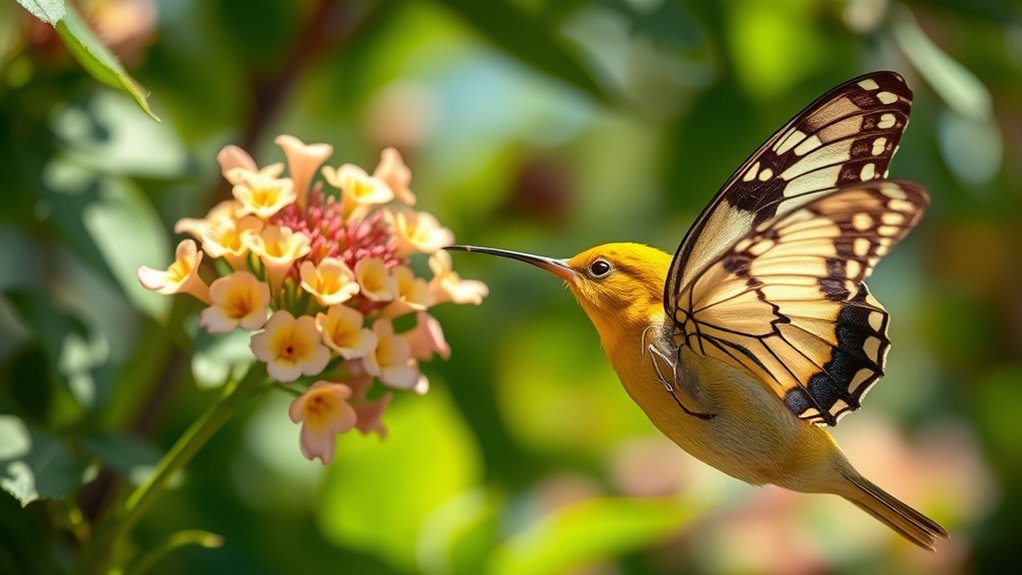
Birds help keep butterfly numbers in check. Some birds, like swallows, warblers, and flycatchers, love to eat butterflies. They look for butterflies in fields, gardens, and forests. These birds have sharp eyesight and can fly quickly, which makes hunting easier.
Larger birds, like kestrels, may also eat butterflies when there are many around. These birds include butterflies in their diet along with other insects.
By eating butterflies, birds play an important role in nature and help keep things balanced.
Understanding which birds eat butterflies helps us see how all living things are connected. Each bird and butterfly has a place in our ecosystem, and they all work together to make nature thrive.
Butterfly Species Commonly Found in Bird Diets
Many birds eat butterflies as part of their diet. This relationship between birds and butterflies is important for nature. Birds like swallows and warblers often catch butterflies because they're a great source of protein.
Some common butterflies that birds like to eat include the Painted Lady and the Monarch. Their bright colors help to attract birds. Other favorites are the Cabbage White and the Red Admiral. Different birds have their favorite butterflies to munch on.
Learning about how birds and butterflies interact shows us how nature works. It highlights the role butterflies play in the food chain and helps us understand how all living things in an ecosystem connect.
Each species matters, making our environment balanced and healthy.
The Nutritional Value of Butterflies
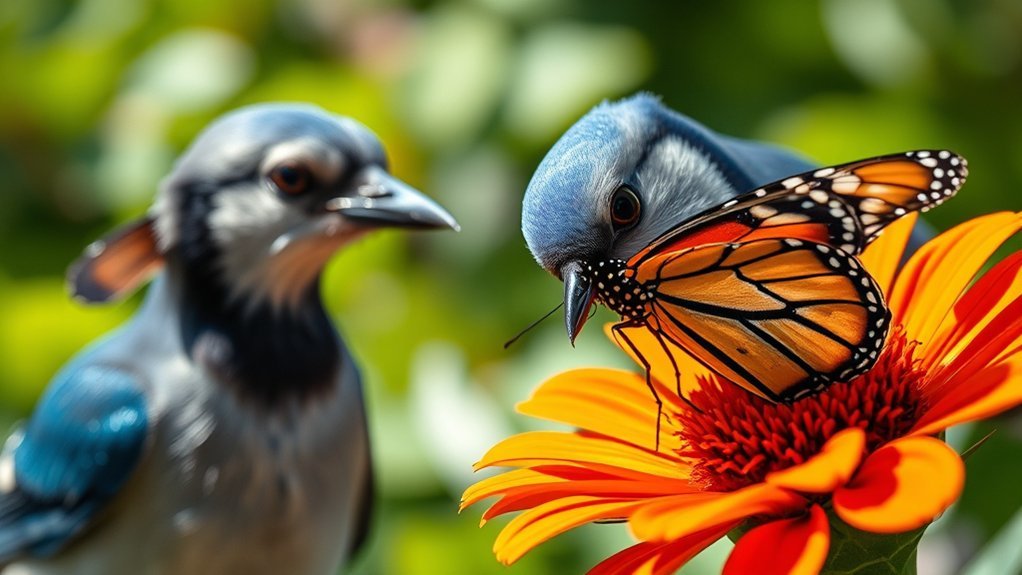
Butterflies aren't just pretty to look at; they also provide a lot of nutrition for birds. Birds eat butterflies because they're packed with proteins that help them grow and develop strong feathers.
These proteins give birds the energy they need and help them stay healthy, even when they face tough situations.
Butterflies also contain good fats and important vitamins and minerals. These nutrients help birds digest their food properly.
When birds eat butterflies, they gain these helpful benefits, which allows them to thrive in their environment.
Understanding why butterflies are important for birds helps us appreciate nature more. It shows us how different creatures depend on one another in our ecosystem.
Factors Influencing Birds' Dietary Choices
Birds choose their food based on several important factors. These choices help them survive and thrive in their homes.
Here are some key things that influence what birds eat:
- Season: The type of food available changes with the seasons. In winter, some birds eat seeds because they can't find insects.
- Other Animals: Birds have to think about other animals around them. Predators may scare them away from certain foods, and competition with other birds can limit their options.
- Nutritional Needs: Birds need different foods at different times. For example, a bird raising babies will need more food with protein.
- Environment: The place where birds live affects what food they can find. Different habitats offer different types of food and shelter.
Understanding these factors helps us see why birds eat what they do. It also reminds us how important it's to keep their habitats healthy.
Birds vs. Butterflies: A Natural Relationship
Birds and butterflies have a special relationship that helps nature stay balanced. Birds can affect how butterflies act because they hunt them for food. Some birds like to eat caterpillars or butterflies, which helps control how many butterflies are around.
On the other side, butterflies have found clever ways to protect themselves. Some butterflies are toxic, which means they can make birds sick if they eat them. This shows how both birds and butterflies change and adapt over time.
Watching these interactions in nature is fascinating. It helps us see how every creature plays a part in keeping the environment healthy.
Understanding how birds and butterflies work together can make us feel more connected to nature and the lives around us.
Observations of Bird Feeding Habits
Birds have different eating habits, and scientists are studying these habits to learn more about how they live and fit into our environment.
Here are some interesting findings about what birds like to eat:
- Eating Insects: Many birds enjoy catching insects. This shows they like foods that are high in protein, which helps them stay strong.
- Sipping Nectar: Some bird species have learned to drink nectar from flowers. This helps plants because birds help with pollination as they move from flower to flower.
- Liking Seeds: Certain birds prefer seeds. They're great at finding and eating seeds from the ground.
- Eating Fruit: Many birds love to eat fruit. This behavior is important because it helps spread seeds, allowing new plants to grow.
These habits show how each bird plays a role in our ecosystem.
Understanding what birds eat helps us appreciate them more and see how they support nature.
The Role of Habitat in Bird Diet
Habitat plays a big role in what birds eat. Different types of habitats, like forests, fields, and cities, give birds access to various food sources. For example, some birds eat insects, while others prefer fruits or seeds.
In cities, birds often find food from people, like scraps or bird feeders. This means they've to adapt to living in crowded and noisy places. Where they build their nests is also important. Good nesting spots can help them raise their young and find nearby food.
Seasonal changes affect what food is available too. Birds might change their diets as the weather changes and certain foods disappear.
Plus, they've to be careful about predators like cats or hawks. Birds will look for food but also watch out for danger.
Understanding how habitat affects bird diets helps us protect them. It's important to keep their environments healthy so bird populations can grow and thrive.
Seasonal Variations in Bird Diets
Birds have different diets depending on the season. Changing seasons affect what food is available, and birds change how they find food to match. If you want to learn about birds, it's important to know how they adjust to these changes.
- Spring: Insects and flowers are everywhere. This attracts birds that eat bugs and nectar.
- Summer: Plants grow a lot, making many seeds and fruits available. This helps birds that eat seeds and fruits.
- Autumn: Birds start to gather food to prepare for winter. They know that fewer insects will be around, so they collect extra food.
- Winter: Many birds eat seeds and berries. They use the food they stored during the warmer months.
Seeing how birds change their diets with the seasons helps us understand their lives better.
Human Impact on Bird and Butterfly Populations
Human activities have changed the places where birds and butterflies live. When cities grow, they take away the homes and food that these creatures need. This makes it hard for them to find enough to eat.
Climate change also causes issues. It changes where birds and butterflies can live and their flying patterns. Many butterflies are affected by the use of pesticides. These chemicals can kill not only the pests but also butterflies that are important for nature.
Pollution makes the environment even worse. It can create places where birds and butterflies can't survive.
However, there's hope! Many people are working to protect these animals and their homes.
You can help too! By joining conservation projects, you can play a part in making the environment better for birds and butterflies. Together, we can create a healthy ecosystem that supports these beautiful creatures.
Conclusion: The Complexity of Bird Diets
Birds have interesting diets that show how adaptable they are. Their eating habits help keep our ecosystems balanced.
Here are a few key points about what birds eat:
- Different Foods: Many birds eat a mix of plants and animals. This means they can find food in many places.
- Seasonal Changes: Birds change what they eat based on the season. They eat what's available, like insects in summer and seeds in winter.
- Specialized Eating: Some birds focus on certain types of food. This helps them compete less with other birds.
- Hunting: Some birds catch insects, like butterflies, to get the nutrients they need.
These points show how important and diverse bird diets are in nature. Birds play a vital role in their habitats.
Frequently Asked Questions
Do All Birds Eat Butterflies, or Just Specific Types?
Not all birds eat butterflies. Different birds like different kinds of butterflies. Some birds choose specific butterflies to eat based on how easy they are to find and how good they are to eat. By knowing this, you can learn more about what birds like to eat.
Can Adult Birds Eat Poisonous Butterfly Species?
Can adult birds eat poisonous butterflies? Yes, they can! Some birds have special ways to eat these butterflies without getting sick. They can handle the toxins that butterflies have. This ability helps them find food and stay healthy. So, if you see a bird munching on a butterfly, it might not mind the poison at all!
How Do Birds Locate Butterflies in Their Habitat?
Birds find butterflies by using their sharp eyesight. They can see bright colors and notice movement really well. Birds also remember where butterflies like to live. They focus on spots where butterflies usually hang out. This helps birds find food more easily. So, when you're out in nature, watch how birds search for colorful butterflies! It's pretty interesting to see them in action.
Are There Any Birds That Favor Caterpillars Over Butterflies?
Some birds really like to eat caterpillars more than butterflies. These birds choose caterpillars, especially when they are raising their young. Eating more caterpillars helps them have more baby birds. This fact helps us understand what these birds like to eat. So, if you see birds in spring and summer, pay attention! They might be hunting for those tasty caterpillars to feed their babies.
Do Butterflies Have Any Defense Mechanisms Against Bird Predation?
Butterflies have some clever tricks to protect themselves from birds. First, they often blend in with their surroundings. This helps them stay hidden and makes it hard for birds to spot them.
Another way butterflies defend themselves is with bright colors. Some butterflies show bright patterns that warn birds they are toxic. Birds usually learn to avoid these butterflies after getting sick from eating them.
Knowing how butterflies defend themselves can help you appreciate their amazing survival skills. They really are fascinating creatures!

Joyce is the passionate founder of Chirping Hearts, a website dedicated to sharing her love for birds and providing valuable information about avian life. With a background in ornithology and years of experience in birdwatching, Joyce aims to inspire others to appreciate the beauty and diversity of birds. Through her engaging articles and guides, she hopes to foster a community of bird enthusiasts who share her enthusiasm for these incredible creatures. When she’s not writing, Joyce enjoys exploring nature trails and observing birds in their natural habitats.


