
Are There Blue Cardinals? Exploring the Color Variations in Cardinals
You've probably noticed the bright red color of a cardinal, but have you ever wondered if there are blue cardinals? The short answer is no; real blue cardinals do not exist. Cardinals get their bright colors from pigments in their feathers, not from structural colors like some other birds.
So, why don't we see blue cardinals? It's all about their genetics. Cardinals have specific traits that determine their colors. These traits don't allow for blue coloring.
Though blue cardinals can't be found in nature, cardinals do have beautiful color variations. These variations can come from their environment and diet. Cardinal colors are fascinating, but they're limited to shades of red, yellow, and brown.
Understanding cardinals can be fun! Next time you see one, appreciate its bright red feathers and know a bit more about why they aren't blue.
A Quick Overview
Cardinals are not blue. Male cardinals are usually bright red, and female cardinals are more brownish. Sometimes, cardinals can have lighter feathers due to genetic changes, like leucism, but they still won't be blue.
The colors of cardinal feathers come from specific genes. These genes help make pigments that give them their bright looks. What cardinals eat can also change how bright their colors are. They mainly eat berries and seeds.
You might see a blue bird and think it's a cardinal, but it might actually be a blue jay. Blue jays are different from cardinals, even though they can look similar.
So, while we don't have blue cardinals, cardinals are still beautiful with their red and brown colors!
Understanding Cardinal Species and Their Characteristics
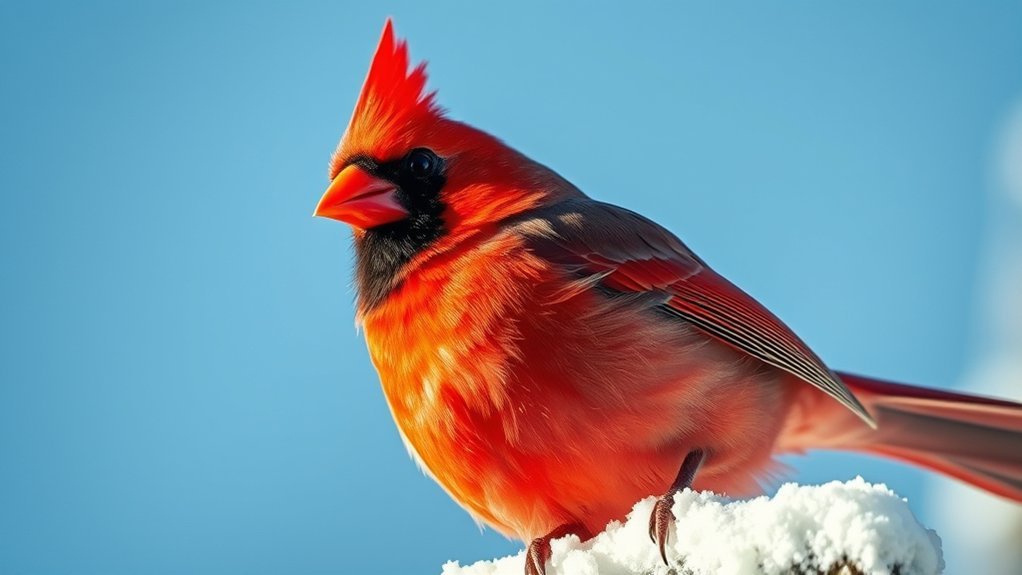
Cardinals are bright and colorful birds that many people love. They've really striking colors, and their red feathers are especially eye-catching. You can find cardinals in places like woods, gardens, and areas with lots of bushes. These spots have plenty of seeds and bugs for them to eat. Their homes help them stay healthy and happy.
Cardinals also have a special way of singing. Their songs help them talk to each other and mark their territory. It's fun to watch how they interact with one another, especially when they care for their baby birds. They show strong bonds with their families and friends.
Learning about cardinals and their habits can help us appreciate these charming birds even more. So, keep an eye out for them next time you're outside!
The Iconic Northern Cardinal: A Closer Look
The Northern Cardinal is a special bird that catches our attention all year long. It's known for its bright red feathers and black face. Many people love to see it in their backyards or local parks.
Cardinals are friendly and curious. They often come close to humans and other birds.
During the mating season, male cardinals show off by singing sweet songs and bringing food to females. This shows how much they care and try to impress their partners.
These birds are loyal. They usually stay with one mate for many years.
Watching their behavior can make you feel happy and connected, whether you see them in your garden or hear their cheerful songs in the morning. The Northern Cardinal is truly a delightful bird to enjoy!
Genetic Factors Influencing Cardinal Coloration
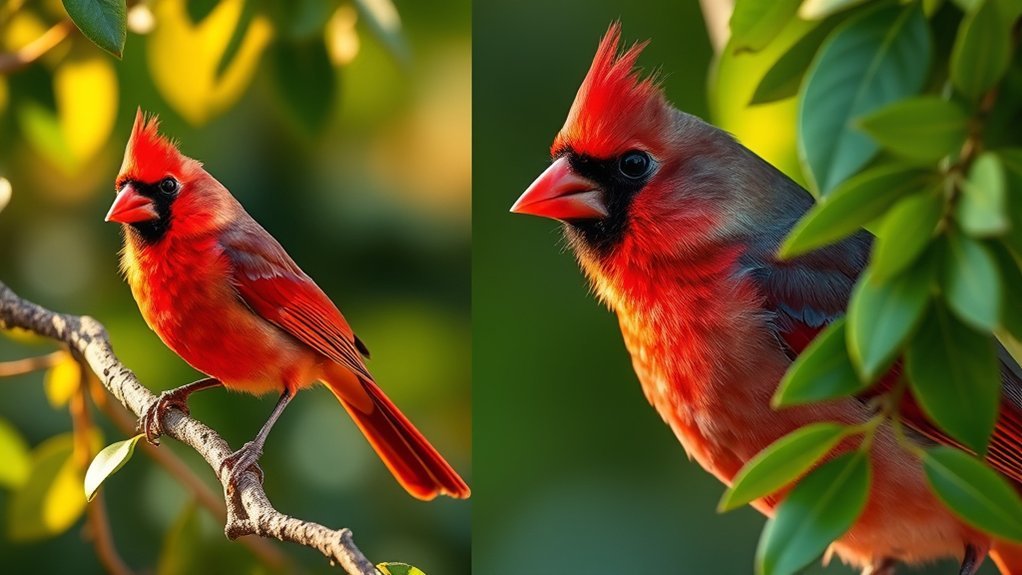
The bright colors of cardinals come from special genes that help create their feathers. These genes decide how much of certain pigments, like carotenoids and melanins, are made. These pigments are what give cardinals their amazing red and orange shades.
Sometimes, mutations in the genes can change these colors. This means you might see cardinals that are lighter or have different color mixes.
Each cardinal has a unique story because of its genes. By learning about these genetic factors, you can appreciate the beauty of cardinals even more. It's like understanding the magic behind their colors!
Environmental Elements Affecting Feather Color
Genetics set the basic colors of feathers, but the environment can change how bright or dull those colors look. Feather colors come from pigments like carotenoids and melanins. These pigments need certain conditions to work well. Things like temperature, humidity, and even pollution can affect how these pigments grow or break down.
For example, when birds face tough weather or lose their homes, they might have less pigment. This can make their feathers look lighter or less colorful. Stress from their surroundings can also take energy away from making bright colors.
You might notice that cardinals in happy, resource-rich places have bright colors. But cardinals in difficult situations can look dull.
The Role of Diet in Cardinal Plumage
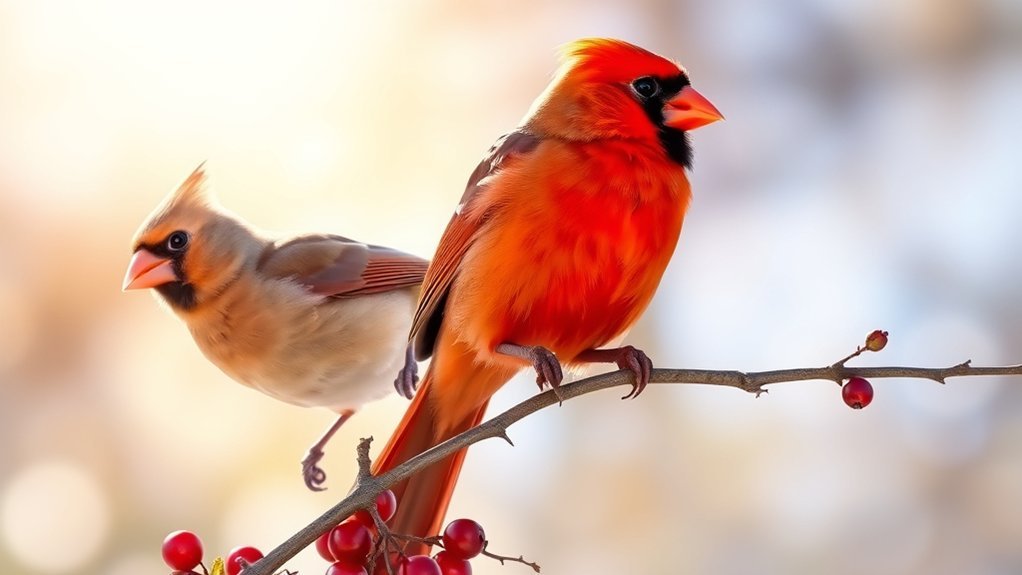
Cardinals get their bright colors from the food they eat. To have bright red feathers, they need certain nutrients. Carotenoids are special nutrients found in berries and seeds. These help make their feathers colorful and help with their baby-making too.
When cardinals eat the right food, they look better and are healthier. If you want to see more beautiful cardinals in your backyard, give them a variety of seeds and fruits. This way, you can enjoy their bright colors all year round!
Color Mutations in Birds: A Brief Overview
Birds can have different colors in their feathers. This happens because of their diet and their genes. Sometimes, changes in a bird's genes can lead to unique feather colors. These changes can happen by accident or be passed down from parents to their babies.
For example, a change in a specific gene called the melanocortin-1 receptor can make a bird's feathers lighter or darker. This can help them be seen better or worse by other birds, which can affect their chances of finding a mate.
You might notice that some feather colors show up more in certain groups of birds. This can show how different they're from each other. Learning about these changes in color can make birdwatching even more exciting. It helps us understand how birds adapt to their surroundings.
When we appreciate these differences, it creates a sense of community among bird lovers and scientists. Let's enjoy and share our love for these colorful creatures!
The Concept of Structural Coloration in Birds
Structural coloration in birds is a cool and interesting thing. The bright colors of their feathers come from tiny structures, not from colors made with paint or dye. These structures can change how light bounces off them, which creates beautiful colors. For example, some birds can show a stunning blue color because of this effect.
Unlike regular paint, the colors from structural coloration can look different depending on where you're standing. This can make birds look really special and unique. Knowing about this can help you appreciate how beautiful birds are even more.
Birds use these colors for important reasons. They often attract mates or show they're healthy with their bright feathers. Learning about structural coloration helps you connect with nature and understand how amazing birds truly are.
Examining Blue Hues in Other Bird Species
Blue colors in birds are fascinating and important for their lives. For example, blue jays and indigo buntings have bright blue feathers. These beautiful colors help other birds recognize them in the wild. The vibrant hues attract mates and scare away competitors, helping them survive.
Different birds see colors in unique ways, which affects how they view these blue shades. The eastern bluebird, for instance, shows a stunning blue that might look different to other animals because of their vision differences.
Learning about these colors gives us a better understanding of how birds use their appearance in nature. Blue feathers aren't just pretty; they're key to finding partners and community interactions, helping birds live well in their surroundings.
The Myths and Legends Surrounding Blue Cardinals
Blue cardinals capture the imagination of many with their bright colors and unique stories. While we know blue jays and eastern bluebirds exist, blue cardinals are more of a myth.
In different cultures, people believe that seeing a blue cardinal brings messages from the spirit world. Some say that spotting a blue cardinal means hope is near or that change is coming. These beliefs make blue cardinals special in various communities.
People enjoy sharing tales about these birds, adding to their magic and mystery. By learning about these stories, you can connect with how people view nature. You also feel a sense of belonging to a tradition that honors these beautiful birds in our lives.
Birdwatching Tips for Spotting Cardinals
To spot cardinals in the wild, start by looking in places where they like to hang out, such as shrubs, thickets, and woodlands.
The best times to see them are early in the morning and late in the afternoon because they're most active then.
Look for their bright red colors, which stand out against the green leaves.
Learn how to identify them by their tall crests and sturdy bills.
Cardinals also love to eat seeds, so check bird feeders stocked with seeds to increase your chances of seeing them.
In spring and early summer, watch for male cardinals showing off their bright colors during mating displays.
Remember, being patient and staying quiet will help you have a better experience and connect more with these beautiful birds.
Enjoy your birdwatching!
Conservation Efforts for Cardinal Populations
Seeing cardinals in their natural homes reminds us how important it's to protect these colorful birds and their habitats.
You can help in these efforts by doing a few simple things:
- Help Save Their Homes: Support local groups that work to keep woodlands and shrubby areas safe. These places are crucial for cardinals to live and thrive.
- Count the Cardinals: Join citizen science projects that ask people to report sightings of cardinals. This data helps experts understand how many cardinals are out there and what they need.
- Spread the Word: Share what you know about cardinals with your friends and family. Talk about the challenges they face. This helps everyone become more aware and involved.
- Garden Smart: Use bird-friendly gardening methods. Avoid using pesticides, as these can hurt cardinals and many other creatures in the environment.
Together, we can make a big difference for cardinals and keep their world bright and full of life!
Celebrating the Diversity of Cardinal Colors
As you look at cardinals, you might notice just how many different colors they can be. The bright red male cardinal stands out. It shows passion and importance. But did you know there are other types too?
Leucistic cardinals are one example. They look lighter than regular cardinals. These differences can change how we think about colors in nature. Cardinals, in all their colors, show how diverse and adaptable they can be.
Each bird is unique, and by noticing these differences, you can connect more with them and their homes. Every time you see a cardinal—whether it's red, pink, or pale—you can appreciate the beauty in their variety.
This reminds us all that diversity is wonderful and helps us feel closer to the natural world. So, next time you spot a cardinal, take a moment to enjoy its color and the uniqueness it brings!
Frequently Asked Questions
Are There Different Types of Blue Coloration in Birds?
Yes, there are different types of blue colors in birds. These colors come from two main sources: pigments and light. Some birds have blue colors from special pigments, while others get their blue from how light bounces off their feathers. This light tricks our eyes and gives us beautiful blue displays. So when you see blue birds, remember they can be blue for different reasons!
How Do Environmental Factors Affect Bird Coloration?
Bird color can change because of many different things in their environment. The places birds live can make them look a certain way. For example, some birds might have bright colors to attract friends or to scare off enemies. Other birds might blend in with their surroundings to stay hidden from predators.
Birds adapt to their homes. If they live in colorful jungles, they might be bright and flashy. If they live in dull, brown areas, they might be more muted in color. This helps them survive better.
What Other Bird Species Can Appear Blue?
When you go birdwatching and look for blue birds, you can spot some amazing species. Blue jays are loud and easy to recognize. Indigo buntings are smaller and have bright blue feathers, especially in summer. Tree swallows have lovely blue-green backs and are fun to watch as they fly.
These birds have blue colors because of how light hits their feathers. This creates beautiful shades of blue that make birdwatching exciting. Enjoy your time outside and make connections to nature while you watch these lovely blue birds!
Are There Any Famous Blue Character Symbolism in Culture?
When we look at blue symbolism, we see that many characters represent this color. Blue often stands for calmness and loyalty. For example, Sonic the Hedgehog is a famous blue character. He shows speed and friendship. Another popular blue character is Dory from Finding Nemo. She represents kindness and dependability. Both characters show how blue can symbolize strong bonds and trust in different cultures.
Can Blue Coloration Occur Naturally in Other Animals?
Yes, blue color can happen naturally in animals. This occurs through something called structural coloration. This means that light interacts with tiny surface structures on the animal. This is different from how melanin creates color. Structural coloration makes bright colors, like the blue seen in bluebirds and some butterflies.

Joyce is the passionate founder of Chirping Hearts, a website dedicated to sharing her love for birds and providing valuable information about avian life. With a background in ornithology and years of experience in birdwatching, Joyce aims to inspire others to appreciate the beauty and diversity of birds. Through her engaging articles and guides, she hopes to foster a community of bird enthusiasts who share her enthusiasm for these incredible creatures. When she’s not writing, Joyce enjoys exploring nature trails and observing birds in their natural habitats.