Woodlink Going Green Platform Feeder Review: Worth Your Money?
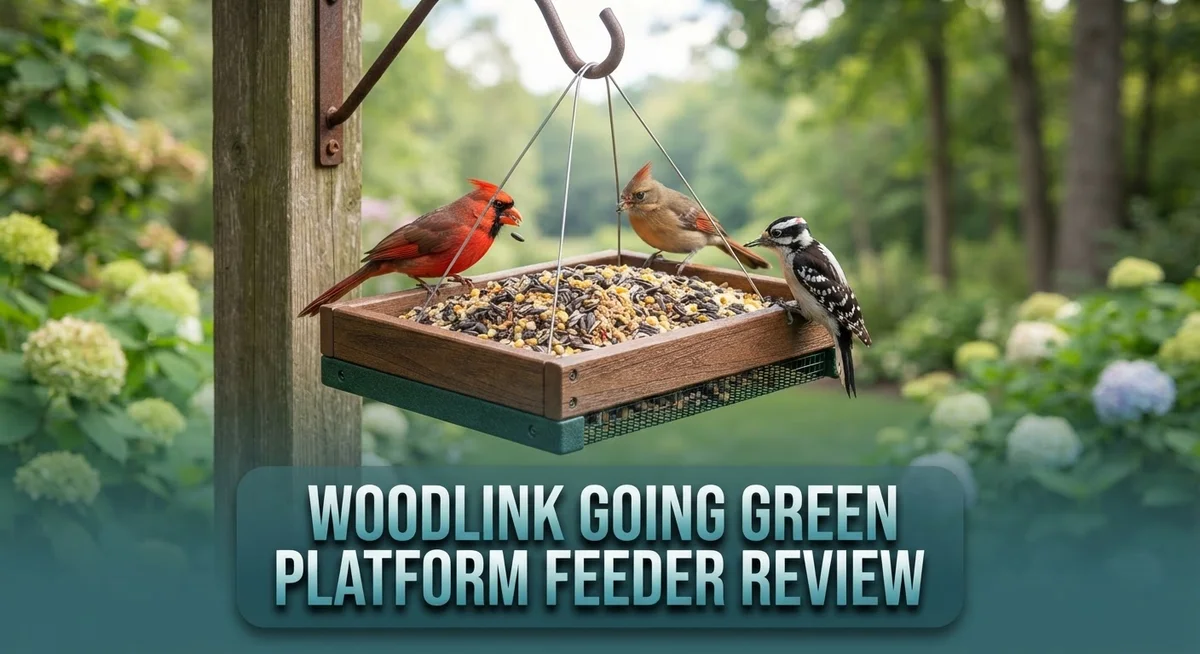
Do you want more birds in your yard? The Woodlink Going Green Platform Feeder might be your answer. This feeder brings wild birds closer to you.
Birdwatchers love this feeder for good reasons. It attracts a wide range of birds. You get to see cardinals, finches, and sparrows feast right outside your window.
This feeder stands out from other bird feeders. It uses up to 90% post consumer recycled plastic. You help the planet while you feed your feathered friends.
This review covers everything you need to know. We look at the build quality, bird appeal, and real user experiences. You will also learn about some drawbacks, like feed scattering.
Keep reading to see if this feeder fits your backyard. Your feathered visitors might thank you for it.
In a Nutshell
Here is a quick summary of what makes this feeder worth your attention.
- Eco-friendly build: Made from up to 90% post-consumer recycled plastic. You feed birds and help the planet at the same time.
- Built to last: Many users report using this feeder for 6+ years without problems. The screwed assembly keeps everything sturdy.
- Smart drainage system: The powder-coated metal screen bottom lets water drain fast. This keeps seeds dry and fresh longer.
- Bird-friendly elevation: The raised platform design keeps feed away from droppings. Your birds stay healthier this way.
- Generous capacity: Holds between 1.13 to 4 pounds of seed depending on the model you pick. This means fewer refills for you.
- Some trade-offs exist: Birds tend to scratch and scatter seeds, causing waste. Weather protection is also limited, so placement matters.
Overall, this feeder blends sustainability with practical function. It is a solid pick for anyone who wants an eco-conscious feeding station without sacrificing durability or bird appeal.
Material and Eco-Friendly Construction
The Woodlink Going Green Platform Feeder proves that sustainability doesn’t mean sacrificing performance. This feeder uses up to 90% post-consumer recycled plastic, which means old plastic bottles and containers get a second life instead of sitting in landfills.
The recycled plastic construction stays strong for years. Owners consistently report this feeder holding up well through multiple seasons. The material resists cracking and fading, even under direct sun and heavy rain. You won’t need to replace it after just one year.
The bottom features a powder-coated metal screen that serves two important jobs. First, it drains water quickly so seeds don’t rot or mold. Second, it makes cleaning super simple because debris falls right through. You can rinse the entire feeder in minutes without scrubbing hard-to-reach spots.
Durability meets eco-consciousness here. The screwed assembly means you can tighten any loose parts over time. This design choice extends the feeder’s life even further. Unlike glued feeders that fail when joints weaken, this one stays functional for years.
The raised platform design adds another sustainability benefit. By keeping feed elevated, it prevents contamination from bird droppings and ground debris. This means less wasted seed. Birds eat more of what you put out, and you refill less often. That saves resources and reduces your environmental footprint.
The dimensions (8.75 inches deep, 11 inches wide, 1.5 inches high) create a stable platform that works in most yards. The moderate size means it doesn’t dominate your space while still holding enough seed for regular feeding.
Choosing recycled materials doesn’t compromise quality. This feeder proves you can have both environmental responsibility and practical function. The combination of recycled plastic, metal drainage, and thoughtful design creates a feeder that lasts. Your backyard birds get fed while you reduce waste. That’s a win for everyone involved.

- Feeder is made of up to 90-percent post-consumer recycled plastic
- Powder coated metal screen bottom allows for drainage
Last update on 2026-10-04 / Affiliate links / Images from Amazon Product Advertising API
Design and Platform Layout
The platform layout of the Woodlink Going Green feeder focuses on simplicity and function. The 8.75 inch depth and 11 inch width provide plenty of space for multiple birds to feed at once. Birds don’t crowd each other, which reduces stress and conflict at mealtime.
The 1.5 inch height keeps the platform low enough for ground feeding birds while staying elevated above yard debris. This strategic height prevents contamination from grass clippings and fallen leaves. Small songbirds and larger species both feel comfortable landing on this design.
The open platform approach differs from enclosed feeders. You get a clear view of visiting birds without obstruction. This makes the feeder perfect for backyard bird watching and photography. The lack of walls or covers means you can spot exactly which species visit your yard.
The powder coated metal screen bottom serves a dual purpose in the layout. First, it allows water to drain immediately after rain or watering. Second, the mesh pattern prevents seed from settling into wet clumps. Birds can still peck seeds easily through the screen openings.
The screwed assembly matters for long term layout stability. You can tighten connections whenever they loosen from weather or regular use. The frame stays square and level, which keeps seed from rolling off one side. This attention to structural integrity extends the feeder’s usable life.
Capacity varies between models, ranging from 1.13 to 4 pounds depending on your choice. Smaller models work well for apartments or limited spaces. Larger models suit backyards with high bird traffic. The modular approach lets you pick the right size for your specific setup.
The minimalist design keeps the platform uncluttered. No complicated mechanisms mean less can break or jam. Refilling happens quickly since you simply pour seed directly onto the flat surface. Cleaning follows the same logic: wipe the screen and you’re done.
This straightforward layout makes the Going Green feeder accessible to bird feeding beginners and experienced enthusiasts alike.
Capacity and Bird Attraction
The Woodlink Going Green Platform Feeder attracts a surprising variety of bird species. Ground feeding birds love the open platform design. Juncos, sparrows, and finches visit regularly. Cardinals and larger birds also feel comfortable on this feeder.
The open layout removes barriers that make some birds nervous. Birds can land easily and see their surroundings. They don’t feel trapped like they might in enclosed feeders. This sense of safety brings more visitors to your yard.
The feeder’s capacity changes based on which model you select. Some versions hold 1.13 pounds while others reach 4 pounds. This flexibility lets you choose based on your bird population and refill schedule. Smaller capacities work well for light traffic areas. Larger capacities suit busy feeding stations.
The 11 inch width provides plenty of space for multiple birds. Several birds can feed side by side without crowding. This reduces stress and territorial conflicts at mealtime. The 8.75 inch depth gives birds comfortable landing zones.
Seed scatter happens naturally with platform feeders. Birds kick seeds while eating. Some seeds land on the ground below. Ground feeding birds actually appreciate this spillage. Juncos and doves feast on fallen seeds. The elevation keeps most feed away from yard debris and moisture.
The powder coated metal screen bottom plays a key role in bird attraction. Water drains instantly after rain. Wet seed spoils quickly and attracts fewer birds. Dry feed stays fresh longer. Birds return more often to feeders with quality food.
The minimalist design appeals to birds that prefer simple setups. No confusing entry holes or complicated perches. Birds understand the platform instantly. They land and eat without hesitation.
Durability matters for consistent bird visits. Users report this feeder lasts 6+ years with normal care. A long lasting feeder means reliable food sources for your backyard birds. Consistent feeding spots build trust. Birds remember where they find good meals.
The recycled plastic construction doesn’t affect bird attraction. Birds care about food quality and safety, not material sourcing. The feeder delivers both. Your yard becomes a reliable stop on their daily route.
Top 3 Alternatives
Woodlink Deluxe Platform Feeder
- Feeder is made of up to 90-percent post-consumer recycled plastic
- Powder coated metal screen bottom allows for drainage
Last update on 2026-10-04 / Affiliate links / Images from Amazon Product Advertising API
This feeder offers a sturdy design that holds more seed than basic models. The larger surface area lets multiple birds feed at once without crowding. The durable construction withstands harsh weather, so it lasts through many seasons. You get excellent drainage to keep seed dry and fresh. The wood material blends naturally into your yard, creating a welcoming space for birds.
Setup takes just minutes. The feeder mounts easily on a pole or hangs from a branch. Birds appreciate the open design because they can see predators approaching. You’ll notice cardinals, finches, and jays visiting regularly. Cleaning happens quickly since the platform design has no hidden corners.
Perky-Pet Platform Feeder

- 32 OZ CAPACITY: Holds 32oz of bird jelly in the included jar, providing ample sweet treats for this wild...
- FEEDS MULTIPLE BIRDS: Provide nourishment to several orioles as the large circular tray bird feeder...

Last update on 2026-10-06 / Affiliate links / Images from Amazon Product Advertising API
This option brings a modern approach to seed feeding. The innovative design prevents seed waste while keeping birds comfortable during meals. The feeder accommodates various seed types, from sunflower to millet. Weather-resistant materials mean less maintenance for you.
The drainage system works efficiently, preventing mold and rot. Installation fits any yard setup, whether you prefer hanging or mounting options. Birds enjoy the spacious feeding surface. You’ll attract diverse species throughout the year.
Audubon Going Green Feeder

- Environmentally Friendly Design: The Audubon Going Green Suet Feeder Model NAGGSUET is crafted with a...
- Attracts a Variety of Birds: This suet feeder is designed to attract a wide array of bird species...
Last update on 2026-10-06 / Affiliate links / Images from Amazon Product Advertising API
Sustainability drives this feeder’s design. Made from recycled materials, it supports environmental responsibility while feeding your backyard birds. The eco-friendly approach doesn’t sacrifice functionality or durability. The feeder performs excellently in rain and snow.
The open platform style appeals to ground-feeding birds and perching species alike. Capacity meets the needs of active bird populations. The construction resists warping and splitting over time. Your garden gets an attractive addition that promotes bird health and conservation awareness.
Durability and Weather Resistance
The Woodlink Going Green Platform Feeder stands up to harsh outdoor conditions thanks to its smart material choice. Recycled plastic resists rot and decay that wood feeders face over time. This plastic won’t splinter, crack, or absorb moisture like traditional materials do.
The powder coated metal screen bottom handles rain and snow without rusting. Water drains quickly, so standing moisture never weakens the structure. The coating protects the metal from salt spray if you live near coastal areas.
Real users report this feeder lasting 6 or more years in active backyards. That’s a solid lifespan for a platform style feeder. The screwed assembly helps here too. You can tighten any loose connections whenever needed, extending the feeder’s life even further.
Cold temperatures don’t damage recycled plastic the way they damage wood. Freeze thaw cycles won’t cause warping or splitting. Summer heat won’t cause the material to warp either. The feeder maintains its shape through seasons of temperature swings.
One limitation exists with weather protection. The open platform design offers minimal shelter from heavy rain or snow. Birds get wet while feeding, which is normal for platform feeders. If you want more weather coverage, Woodlink offers enclosed models as alternatives.
The 1.5 inch height keeps the platform low, which means it collects debris and moisture more easily than elevated feeders. Regular cleaning prevents buildup that could reduce durability. The metal screen makes this cleaning task quick and simple.
Wind doesn’t topple this feeder easily. The wide 11 inch base and stable construction keep it grounded. The lightweight recycled plastic won’t absorb water and become heavy during storms.
Durability and sustainability go hand in hand with this design. The recycled plastic material performs as well as new plastic while reducing landfill waste. You get a feeder that lasts years while making an environmental choice. The combination of recycled materials and sturdy construction creates a platform that serves your backyard birds reliably season after season.
Ease of Filling and Maintenance
Filling the Woodlink Going Green Platform Feeder takes just seconds. The open design means you pour seed directly onto the 11 inch wide surface without struggling with lids or complicated mechanisms. Most users appreciate this straightforward approach, especially when refilling multiple feeders.
The 1.5 inch height works in your favor here. You can reach the platform easily from ground level. No need for ladders or stretching awkwardly. This accessibility matters if you fill your feeder daily or during busy feeding seasons.
Maintenance becomes simple thanks to the powder coated metal screen bottom. Wet seed and debris fall through automatically. You don’t need to flip the feeder upside down or disassemble parts to clean it. Just rinse with a garden hose and let it dry.
The screwed assembly design means you can take the feeder apart if deep cleaning is needed. Tighten or loosen screws as necessary for seasonal maintenance. This modularity helps extend the feeder’s life beyond the typical 6+ years users already report.
One practical consideration exists. The low platform height means moisture collects more readily than with elevated feeders. You’ll want to inspect the metal screen regularly, especially after heavy rain. The powder coating protects against rust, but standing water accelerates wear over time.
Bird droppings and debris accumulate on the platform surface itself. This happens naturally with open designs. Simply sweep away larger debris weekly. The metal screen handles the finer material. Some users position their feeder in areas with good drainage to minimize pooling.
The recycled plastic construction won’t splinter or crack from cleaning. You can scrub without worry. Cold weather doesn’t make the plastic brittle the way it affects wood feeders. This durability means your maintenance routine stays consistent year round.
Seasonal deep cleaning takes about 10 minutes. Remove the metal screen, wash all components, and reassemble. The straightforward construction means no hidden crevices trap old seed or mold. This simplicity keeps your feeder hygienic and your backyard birds healthy throughout every season.
Pros and Cons
Pros
- Made from up to 90% post-consumer recycled plastic, so you reduce landfill waste while feeding birds
- Users report this feeder lasts 6 or more years, even in tough outdoor conditions
- The powder coated metal screen bottom drains water fast and prevents rust from rain and snow
- Wide 11 inch platform lets multiple birds feed together without crowding
- Recycled plastic won’t splinter or crack when you clean it, making maintenance quick and safe
Cons
- Birds scatter and scratch seed off the platform, which means more wasted feed on the ground
- The low 1.5 inch height collects debris and moisture more easily than elevated feeders
- Limited overhead coverage means heavy rain or snow can soak the seed on the platform
Who Should Buy It
The Woodlink Going Green Platform Feeder works best for specific bird feeding situations. You should buy it if you want a low maintenance feeder that attracts many bird species at once.
This feeder suits backyard birders who prioritize sustainability. The recycled plastic construction appeals to people who care about reducing landfill waste. You get an eco-friendly option without sacrificing durability or performance.
You should choose this model if you have a covered patio, pergola, or sheltered area. The limited weather protection means it performs better in partially protected spots. Birds stay drier, and seed stays fresher longer under some coverage.
This feeder works well for active feeding stations with frequent refills. The simple fill and clean design means you won’t dread maintenance tasks. If you prefer spending five minutes on upkeep rather than thirty, this feeder fits your lifestyle.
You’ll love this option if you enjoy watching multiple bird species feed together. The wide 11 inch platform accommodates cardinals, jays, chickadees, and finches simultaneously. Crowding becomes less of an issue compared to narrow feeders.
This feeder suits patient birders who accept some seed scatter. Birds naturally scratch and kick seeds off platform feeders. If scattered seed bothers you, consider a hopper or tube feeder instead.
You should avoid this model if you live in extremely harsh climates. While the recycled plastic handles cold well, constant heavy snow or ice buildup requires more frequent cleaning. Elevated feeders might work better for your situation.
Skip this feeder if you need maximum weather protection year round. The open platform design leaves seed exposed to rain and moisture. Covered hoppers offer superior protection during wet seasons.
This feeder makes sense for people with moderate to high bird traffic. Occasional visitors won’t justify regular maintenance visits. Busy feeding stations benefit from the easy cleaning process.
Finally, choose this model if you value long term investment. Users report six or more years of reliable service. The combination of durability and sustainability creates real value over time.
Final Verdict
The Woodlink Going Green Platform Feeder earns its spot in your backyard. It brings eco friendly materials and smart design together. Birds flock to it, and you get a front row seat to the action.
This feeder stands out for people who care about the planet. Recycled plastic construction shows that bird feeding and sustainability can work together. You get a product that lasts years while doing less harm to landfills.
The open platform style invites many bird species at once. You will see cardinals, finches, and sparrows share space without conflict. This social feeding setup makes bird watching more rewarding.
Some tradeoffs exist with this design. Seed scatter happens more than with enclosed feeders. Weather exposure also limits how well this feeder performs in harsh climates.
These drawbacks do not erase the benefits. Easy maintenance and sturdy build quality balance out the minor downsides. Most backyard birders find the tradeoffs worth accepting.
Think about your specific yard setup before buying. A sheltered spot like a covered porch solves the weather issue easily. Placement matters just as much as the feeder itself.
This feeder fits casual birders and dedicated hobbyists alike. You don’t need special skills to use or maintain it. Anyone can set it up and start attracting birds within minutes.
The long term durability makes this a smart choice for repeat use. Users report years of reliable service, even outdoors. You get a feeder built to handle real world conditions.
Overall, the Woodlink Going Green Platform Feeder delivers solid value for eco conscious birders. It combines function with environmental responsibility. The open design creates a welcoming space for diverse bird species.
If you want a feeder that supports sustainability and social feeding, this model fits well. Pair it with proper placement, and you will enjoy years of birdwatching. This feeder proves that caring for birds and the environment can go hand in hand.
Frequently Asked Questions
Will this feeder work in rain and snow?
The powder coated metal screen bottom handles moisture well. Water drains through quickly, so your seed stays dry underneath. Snow won’t damage the recycled plastic. However, the low 1.5 inch height means heavy snow or rain can collect on the platform itself. For year round use in harsh climates, consider placing this feeder under a covered area like a patio or pergola.
How many birds can feed at once?
The wide 11 inch platform gives multiple birds plenty of space. You’ll see cardinals, finches, sparrows, and jays all feeding together without crowding. The open design lets birds approach from different angles. This makes it perfect if you enjoy watching several species interact at your feeding station.
Is the recycled plastic durable?
Yes. Users report this feeder lasts 6 or more years with regular use. The recycled plastic won’t splinter or crack when you scrub it clean. The material resists sun damage and temperature swings. The screwed assembly stays tight over time, so your feeder won’t fall apart.
How much seed waste happens?
Birds naturally scratch and scatter seed off platform feeders. Expect some feed to land on the ground. This is normal behavior for ground feeding birds. If minimal waste matters to you, this open platform style isn’t the best match. Finch mesh or hopper designs contain seed better, though they attract fewer bird species.
Can I clean this easily?
Absolutely. The metal screen bottom lifts debris and dried droppings away from your seed. You can rinse the whole feeder under a hose. The recycled plastic handles scrubbing without damage. Quick cleaning takes just a few minutes.

Joyce is the passionate founder of Chirping Hearts, a website dedicated to sharing her love for birds and providing valuable information about avian life. With a background in ornithology and years of experience in birdwatching, Joyce aims to inspire others to appreciate the beauty and diversity of birds. Through her engaging articles and guides, she hopes to foster a community of bird enthusiasts who share her enthusiasm for these incredible creatures. When she’s not writing, Joyce enjoys exploring nature trails and observing birds in their natural habitats.