
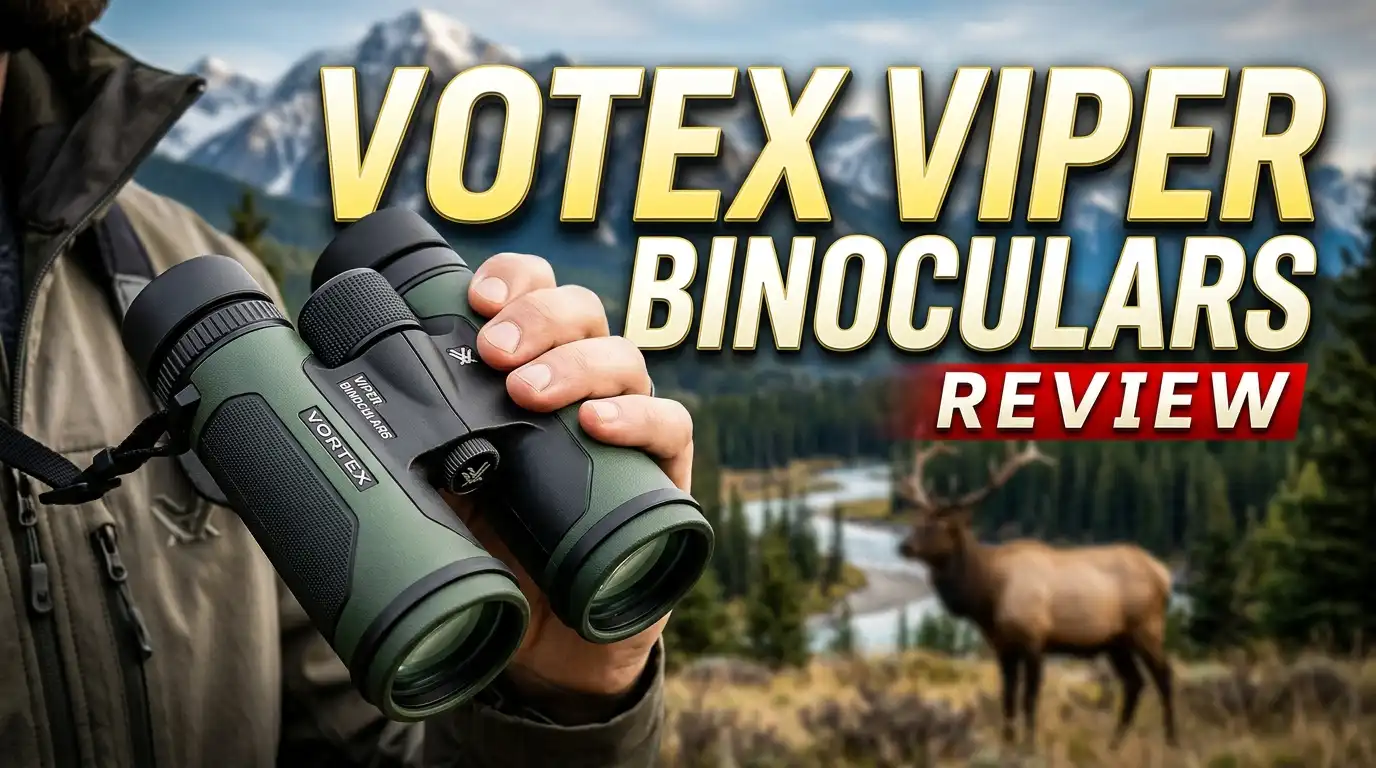
Vortex Viper Binoculars Review 2026: Honest Field Test, Specs, and Top Picks
Are you searching for a reliable pair of binoculars that hold up in rough weather and deliver sharp views?
The Vortex Viper line has built a strong name among hunters, birders, and outdoor lovers for years.
In this review, I share what works, what does not, and who should buy them in 2026. I tested the Vortex Viper HD across forests, open fields, and dusk hunting sessions. The clarity surprised me even in low light.
This guide breaks down features, pros, cons, and three solid alternatives. By the end, you will know if the Viper fits your style.
In a Nutshell
- Optical clarity stands out: The HD glass and XR coatings give bright, true to life color even at long range or low light.
- Build quality feels premium: A magnesium chassis, rubber armor, and full waterproof rating make these binoculars tough enough for any trail.
- Comfortable to carry all day: At about 24.9 ounces for the 10×42, the weight feels balanced and easy on the neck.
- Backed by the VIP warranty: Vortex offers an unlimited lifetime warranty, which adds real peace of mind for buyers.
- Priced in the mid premium tier: Around $500 to $730 depending on the model, the Viper sits between budget options and flagship glass.
- Best for hunters and serious birders: If you want top tier glass without paying Swarovski prices, the Viper is a smart pick.
What Are Vortex Viper Binoculars?
No products found.
The Vortex Viper HD is a mid premium roof prism binocular built for outdoor users. It sits below the Razor HD in the Vortex lineup but above the Diamondback. The Viper uses high density extra low dispersion glass to reduce color fringing.
Vortex launched the updated Viper HD in 2018 and has refined it since. The current 2026 lineup includes 8×42, 10×42, 10×50, and 12×50 models. Each version uses the same core build with a magnesium frame and dielectric prism coatings.
These binoculars target hunters, hikers, and birders who want sharp glass without the flagship price tag. The Viper line offers a balance between cost and performance. You get bright images, a solid feel in the hand, and the famous Vortex VIP warranty. That warranty alone makes many buyers loyal to the brand for life.
Key Features of the Vortex Viper HD
The Viper packs serious features into a compact body. HD glass forms the heart of the optical system. This glass cuts down on chromatic aberration and boosts edge sharpness.
The lenses get XR antireflective coatings on all air to glass surfaces. This means more light reaches your eyes, which helps during dawn and dusk hunts. Phase corrected, dielectric coated prisms deliver bright and color accurate views. The dielectric coatings reflect over 99 percent of light.
The body uses a magnesium chassis wrapped in textured rubber armor. You get a sure grip even with wet or gloved hands. Argon gas purging keeps the inside dry and fog free in any climate. O ring seals block dust and moisture from entering.
Other useful touches include adjustable eye cups with locking positions, a center focus wheel with smooth travel, and a right eye diopter for personal tuning. The included GlassPak chest harness keeps the binoculars ready and protected on the trail.
Optical Performance in the Field
I took the 10×42 Viper into mixed terrain to test how the glass performs. In bright daylight, images looked crisp from edge to edge. Colors stayed natural with no obvious tint.
Resolution impressed me when glassing for deer at 400 yards. I could spot antler tines and pick out small details in shaded brush. The HD glass really shows its value when light gets tricky. At sunrise and sunset, the Viper stayed bright while cheaper binoculars in my pack started to dim.
Chromatic aberration showed up only in the harshest backlit edges, like tree branches against a bright sky. Even then, the purple fringing stayed minor. The contrast handled snow glare and white skies well.
Field of view on the 10×42 measures 319 feet at 1000 yards. That gives you enough room to track moving subjects like birds or running game. The 8×42 offers a wider view at 409 feet, which birders may prefer.
Build Quality and Durability
The Viper feels solid the moment you pick it up. The magnesium frame keeps weight down without giving up strength. Rubber armor wraps the chassis tightly and absorbs small bumps.
I dropped my pair onto rocky ground by accident during one hike. The Viper kept working with no visible damage or loss of alignment. That kind of toughness matters when you spend real money on optics.
Waterproof and fog proof ratings come standard. The binoculars sit in argon gas, which resists temperature swings better than nitrogen. You can use them in heavy rain, snow, or river crossings without worry.
The focus wheel turns smoothly with just the right tension. Eye cups click into four positions and stay locked during use. The diopter ring sits under the right eye cup and has a locking design so it cannot drift while you carry the binoculars. Small touches like these show real engineering care.
Top 3 Alternatives for Vortex Viper Binoculars
If the Viper does not feel like the right fit, these three alternatives offer strong value at similar or lower prices.

- The MONARCH 7 8x42 provides an exceptionally wide field of view that makes it easy to find your subject.
- Dielectric High-Reflective Multilayer Prism Coatings are applied to all lenses and prism coatings to...
Last update on 2026-07-07 / Affiliate links / Images from Amazon Product Advertising API

- The Maven C.1 binocular is dependable, solid, and powerful. It is the hallmark of our C Series line.
- Lightweight, durable, and compact. The Maven C.1 binocular is a great choice for adults and children.
Last update on 2026-07-07 / Affiliate links / Images from Amazon Product Advertising API

- 10x magnification & 42mm objective lenses, these Diamondback HD binos are optimized with select glass...
- Fully multi-coated lenses increase light transmission with anti-reflective coatings on all air-to-glass...
Last update on 2026-07-07 / Affiliate links / Images from Amazon Product Advertising API
The Nikon Monarch M7 8×42 brings ED glass and a wide field of view in a lightweight body. Birders love this model for its bright image and natural color.
The Maven C1 8×42 comes direct from the maker, which keeps the price lower for the glass quality you get. Hunters who want ED performance on a budget often pick this one.
The Vortex Diamondback HD 10×42 lives below the Viper in the Vortex family. You get the same VIP warranty and similar build at a friendlier price. It works well for new buyers who want quality without spending over five hundred dollars.
How the Viper Compares to the Diamondback HD
Many shoppers ask whether to step up from the Diamondback to the Viper. The price gap runs about $250 to $300, which is meaningful. The two share rubber armor, waterproofing, and the VIP warranty.
The Viper wins on glass quality. HD extra low dispersion lenses cut color fringing more than the Diamondback. XR coatings beat the standard antireflective coatings on the lower model. You see brighter images at dawn and dusk with the Viper.
The Viper also uses dielectric prism coatings, while the Diamondback uses less reflective coatings. In side by side viewing, the Viper image looked clearly brighter and sharper. Color accuracy felt more true with the Viper as well.
For casual users, the Diamondback offers great value. For serious hunters or birders who spend long hours behind the glass, the Viper earns its higher price. The choice really depends on how often you use them and how much detail you need to see.
How the Viper Compares to the Razor HD
The Razor HD sits at the top of the Vortex lineup. It costs nearly double the Viper, so you want to know what extra you get. The Razor uses APO optical system glass with even better color correction.
Edge to edge sharpness improves with the Razor. Low light performance also gets a small boost from premium coatings. The Razor offers the best Vortex can build without going custom.
That said, the gap between the Viper and Razor stays smaller than the price gap suggests. For most users, the Viper delivers 90 percent of the Razor view at about half the cost. Pro level guides and hardcore hunters may still prefer the Razor for its slight edge.
If budget matters, the Viper gives the smarter value. If you want the best Vortex makes and price does not block you, the Razor is the upgrade.
Best Uses for Vortex Viper Binoculars
The Viper works across many outdoor activities. Hunters use them most often. The mix of bright glass, tough build, and reasonable weight fits long days in the field.
Birders also enjoy the Viper, especially the 8×42 model. The wider field of view helps when you track fast moving birds through trees. Close focus down to about 5 feet lets you study insects and flowers too.
Hikers and backpackers find the weight fair for the optical payoff. The 10×42 weighs 24.9 ounces, which sits in the middle of full size binoculars. Marine users like the waterproof seal and rubber armor. Salt spray and humid air do not bother these binoculars.
Astronomy fans can use the 10×50 or 12×50 models for casual stargazing. The 50mm lenses gather more light, which helps for moon and bright star viewing. Just keep in mind that high power handheld viewing benefits from a tripod for steady images.
Vortex Viper HD 8×42 vs 10×42
This is the most common question buyers ask. Both models share the same body, the same coatings, and the same price. The choice comes down to your viewing style.
The 8×42 gives a wider field of view and brighter image per inch of pupil. It works better in dense forest, for birding, and for users who shake a little when holding binoculars. Lower magnification means a steadier image.
The 10×42 reaches farther. It pulls in detail at long range, which hunters appreciate when glassing open country. The trade off is a narrower view and more visible hand shake.
If you mostly bird in woods or want a steady image, choose the 8×42. If you hunt western states or scan open fields and ridges, pick the 10×42. Both deliver the same Viper quality. Many serious users own both and switch based on the trip.
Vortex Viper HD 10×50 and 12×50 Models
The larger 50mm versions of the Viper serve specific users. The 10×50 gathers more light than the 10×42 thanks to its bigger objective lens. This makes dusk and dawn viewing brighter and clearer.
The 12×50 pushes magnification higher for long range glassing. Hunters in mountain or desert country often choose this model for spotting game at extreme distance. It works well from a stable rest or tripod.
Weight goes up with the bigger lenses. The 10×50 weighs about 30.5 ounces, and the 12×50 weighs around 31.2 ounces. You feel the extra weight on long hikes. A good chest harness like the included GlassPak helps spread the load.
Field of view shrinks at higher magnification. The 12×50 shows 282 feet at 1000 yards, while the 10×50 shows 341 feet. Most casual users do best with the 8×42 or 10×42 unless they need the extra light or reach.
Ergonomics and Comfort During Long Use
A good binocular feels great after hours of use. The Viper scores high here. The textured rubber armor gives a sure grip without sticking to clothing or hair.
Eye relief on the 8×42 measures 17mm and 16.5mm on the 10×42. Eyeglass wearers can use the Viper without losing field of view. The locking adjustable eye cups stay put during a glassing session.
The center focus wheel sits right where your finger rests. It turns with smooth resistance, not too loose or too tight. I never had to fight the focus during quick target tracking.
The hinge tension also feels well tuned. Once you set your interpupillary distance, the barrels stay in place. Strap attachments are sturdy and the included neoprene strap helps spread weight on your neck. For heavy use, the GlassPak chest harness in the box outperforms a basic neck strap by a wide margin.
Vortex VIP Warranty Explained
The Vortex VIP warranty is one of the strongest in the optics market. It covers your product for life, with no questions asked. You do not need a receipt. You do not need to be the original owner.
If your Viper breaks, fogs up, or stops working for any reason, Vortex will repair or replace it. Even accidental damage from drops or rough handling gets covered. This is rare in the optics industry.
The only exclusions are theft, loss, and intentional damage. Cosmetic wear stays uncovered too, but that does not affect function. Many users say the warranty alone justifies buying Vortex. It removes the fear of losing a major investment.
Send the binoculars to Vortex with your contact info, and they handle the rest. Turnaround times usually run two to four weeks. The warranty makes the Viper a buy once optic that should last a lifetime.
Pros and Cons of Vortex Viper Binoculars
Every product has trade offs, and the Viper is no exception. Here is the honest breakdown after extensive use.
On the plus side, you get excellent HD glass with bright, sharp images. The build quality holds up to rough use. The VIP warranty removes risk from your purchase. Comfort during long sessions stays high thanks to thoughtful design.
The 8×42 model weighs only 24.5 ounces, which is light for a full size binocular. Color accuracy stays true across most lighting. The included accessories like the GlassPak and lens covers add real value.
On the down side, the Viper is not the cheapest option. Budget buyers may find the Diamondback HD more practical. The 50mm models get heavy for long hikes.
Edge sharpness falls slightly short of flagship glass like Swarovski or Zeiss. Close focus at 5 feet is good but not class leading. Some users report the lens covers can fall off easily. Overall the pros outweigh the cons for most buyers.
Who Should Buy Vortex Viper Binoculars
The Viper fits a wide range of users. Hunters who want premium glass without flagship prices are the main target. If you spend long days glassing for game, the Viper pays for itself in performance.
Birders who want sharp ED glass and a wide field of view will also love the 8×42. The bright image helps spot warblers in shaded leaves. Hikers and backpackers who care about quality views will not regret the upgrade either.
Casual users who only glass a few times a year may find the Diamondback HD better matched to their needs. You do not need Viper glass for backyard birding or sports events. Save the money for those use cases.
Pro guides and serious wildlife photographers may want to look at the Razor HD instead. For everyone in between, the Viper hits the sweet spot. It offers the right mix of price, performance, and protection through the VIP warranty.
FAQs
Are Vortex Viper binoculars worth the money?
Yes, for most outdoor users the Viper offers strong value. You get HD glass, tough build, and the VIP lifetime warranty. The price sits in the middle of the premium range, which makes the Viper a smart long term buy.
What is the difference between Vortex Viper and Viper HD?
The Viper HD is the current updated version with high density extra low dispersion glass. The older Viper used standard glass and lower grade coatings. All new Viper binoculars sold today are the HD version.
Is the Vortex Viper waterproof?
Yes, the Viper is fully waterproof and fog proof. O ring seals keep moisture out, and argon gas inside resists internal fogging. You can use them in rain, snow, or near water without harm.
How heavy are Vortex Viper HD binoculars?
The 8×42 weighs 24.5 ounces and the 10×42 weighs 24.9 ounces. The 10×50 weighs 30.5 ounces and the 12×50 weighs 31.2 ounces. Lighter models work better for long hikes.
Where are Vortex Viper binoculars made?
Vortex Viper HD binoculars are made in the Philippines. Vortex is a US based company headquartered in Wisconsin, but production happens overseas to keep costs reasonable. Quality control still happens under Vortex standards.
Can I use Vortex Viper binoculars for stargazing?
Yes, the 10×50 and 12×50 models work well for casual stargazing. The 50mm objective lenses gather more light for night viewing. A tripod adapter helps steady the image at higher magnification.
How long is the Vortex Viper warranty?
The Vortex VIP warranty lasts for life with no time limit. It covers any damage, including accidents, for the lifetime of the product. You do not need the receipt or proof of original purchase.
Is the Viper HD good for bird watching?
Yes, the 8×42 Viper HD is excellent for bird watching. The wide field of view, close focus, and bright HD glass make it a top pick for birders. Many birding guides recommend it as a value champion in the premium range.

Joyce is the passionate founder of Chirping Hearts, a website dedicated to sharing her love for birds and providing valuable information about avian life. With a background in ornithology and years of experience in birdwatching, Joyce aims to inspire others to appreciate the beauty and diversity of birds. Through her engaging articles and guides, she hopes to foster a community of bird enthusiasts who share her enthusiasm for these incredible creatures. When she’s not writing, Joyce enjoys exploring nature trails and observing birds in their natural habitats.