
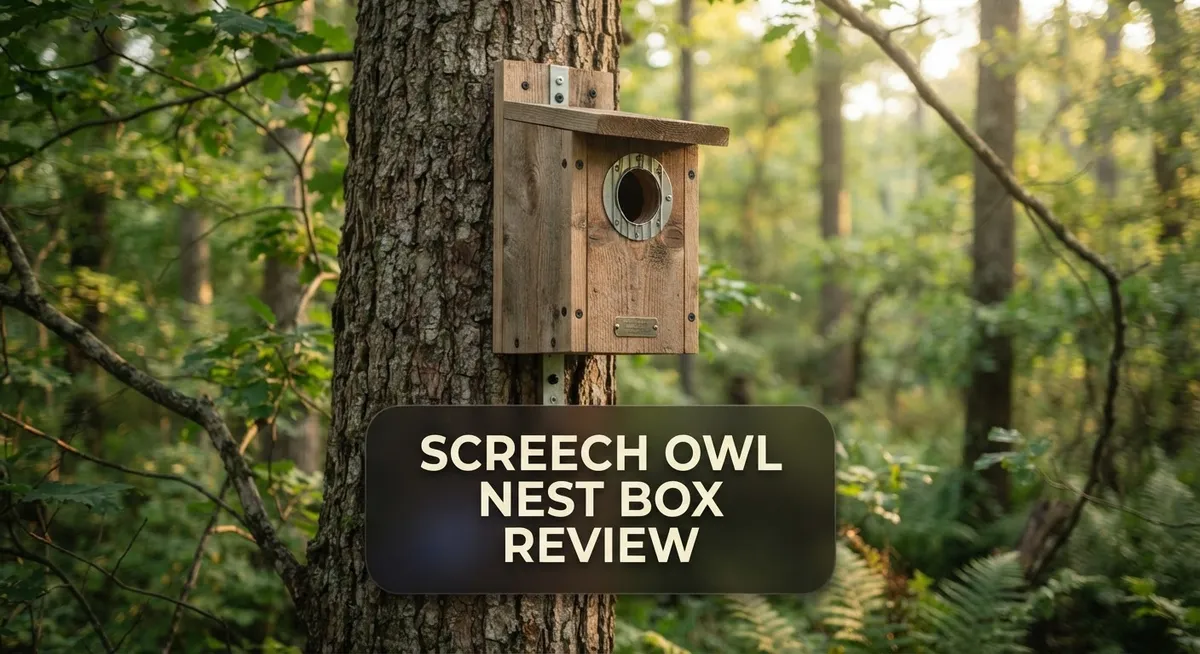
Screech Owl Nest Box Review: Is It Worth Your Money?
Do you want to attract Screech Owls to your backyard? A good nest box makes this dream come true. These small owls need safe spaces to roost and raise their young.
This review looks at a top rated Screech Owl Nest Box. We check its design, materials, and real world performance. You will learn if this box fits your garden needs.
The box features a 4 inch entrance hole. This size welcomes Eastern Screech Owls, Kestrels, Flickers, and Saw-whet Owls. It gives you options for different backyard visitors.
Red cedar makes up the main structure. This wood resists rot and insects naturally. A poly lumber roof option also exists for extra protection.
Many owners report high satisfaction with the build quality. The box helps boost local owl numbers in your area. It also supports natural pest control by attracting rodent hunting owls.
We will cover mounting tips, maintenance needs, and squirrel proofing advice. You will see how this box compares to competitors like JCS Wildlife and Duncraft models.
Let’s explore if this nest box deserves a spot in your yard.
In a Nutshell
Here is a quick summary of what makes this nest box stand out.
-
Multi-species friendly: This box welcomes more than Screech Owls. Kestrels, Flickers, and Saw-whet Owls also find it a comfortable home.
-
Smart mounting options: You can place it on a tree or pole. Experts suggest a height between 10 and 30 feet for best results.
-
Squirrel resistant choices: Some models include special guards. These features keep pesky squirrels away from your owl tenants.
-
Material matters: Poly lumber roofs last longer than wood. This choice reduces the need for frequent repainting.
-
Natural pest control: Owls help manage rodent populations nearby. Your yard becomes a mini ecosystem.
-
Scale your setup: Large properties can support multiple boxes. This boosts local owl density across your land.
-
Upkeep required: Watch for wasp or bee nests inside. Regular checks keep the box owl ready all season.
This box offers real value for nature lovers. It combines durability with practical wildlife support features.
Material and Construction Quality
Red cedar stands as the primary building material for most screech owl nest boxes. This wood choice offers natural resistance to rot and weathering. Cedar also provides excellent insulation for the owls inside. The wood grain naturally repels moisture, which protects the box from rain and humidity damage.
The construction quality directly impacts how long your nest box lasts. Quality cedar boxes can serve your backyard for many years without major repairs. The walls are typically thick enough to withstand temperature swings and harsh outdoor conditions. Joints are usually reinforced to prevent warping over time.
Some manufacturers now offer poly lumber roof options instead of traditional wood. Poly roofs significantly outlast wooden ones because they resist UV damage and don’t need repainting. This makes them a practical choice if you prefer minimal maintenance. The combination of cedar walls with a poly roof gives you the best of both worlds.
The entrance hole measures 4 inches in diameter. This size is precise enough to keep larger predators out while welcoming screech owls, kestrels, and flickers. The hole placement matters too. It should face away from prevailing winds to reduce drafts inside.
Interior floor space provides room for eggs and chicks. The box typically includes ventilation holes near the top to prevent moisture buildup. Drainage holes at the bottom allow water to escape if rain enters.
Squirrel resistant designs add another construction layer. These models feature reinforced entrance holes or metal guards that prevent squirrels from enlarging the opening. Some boxes include baffles on mounting poles to block climbing access.
The overall build reflects attention to detail, from wood selection to hole sizing. Owners consistently report that these boxes maintain their structure through multiple seasons. The durability comes from both material choice and thoughtful engineering.
Your nest box will face sun, wind, and wildlife pressure. Quality construction ensures it handles these challenges without failing. This reliability makes the difference between an empty box and a thriving owl home.

- Upgraded Safety Protection - Most of the owl house in the market like to set up a scratching pole outside...
- Ventilation and Moisture Protection - Bottom board of the owl house cuts off the four corners, leaving a...
Last update on 2026-07-11 / Affiliate links / Images from Amazon Product Advertising API
Compatibility and Species Support
A screech owl nest box works well for multiple bird species beyond just screech owls. The 4 inch entrance hole fits Eastern Screech Owls perfectly. Kestrels also use this box size regularly. Saw whet Owls find the interior space comfortable for nesting. Flickers appreciate the cavity design for their breeding season.
Each species has slightly different needs, but this box meets their core requirements. Eastern Screech Owls prefer boxes mounted 10 to 30 feet high. Kestrels tolerate similar heights but adapt to various locations. Saw whet Owls seek quiet, wooded areas away from human activity. Flickers need boxes with minimal disturbance during nesting time.
The interior dimensions matter for successful occupancy. The box provides enough floor space for eggs and chicks. Ventilation holes prevent moisture buildup inside. The roof design sheds rain away from nesting material. Species compatibility depends heavily on proper installation. Wrong placement reduces occupancy rates dramatically.
Mounting location influences which species will use your box. Tree mounting works best in wooded properties. Pole mounting suits open areas with scattered trees. Height recommendations vary slightly by species preference. Eastern Screech Owls tolerate suburban settings better than other species. Saw whet Owls demand deeper forest environments. Kestrels adapt to farmland and grassland habitats.
Your property size affects species selection too. Large properties can support multiple boxes spaced far apart. This reduces competition between nesting pairs. Small yards work best with a single box. Spacing boxes 100 to 200 feet apart prevents territorial conflicts.
Squirrel resistance features help protect eggs and chicks. Guards around the entrance hole deter climbing predators. Metal sleeves inside the hole prevent enlargement by aggressive squirrels. Baffle systems on mounting poles stop squirrels from reaching the box.
Success with any species requires matching the box to your local environment. Research which owls live in your region. Check migration patterns and breeding seasons. Contact local birding groups for placement advice. Proper species matching ensures your nest box attracts active residents and supports natural rodent control in your area.
Installation and Mounting Requirements
Getting your screech owl nest box in the right spot makes all the difference. Proper placement ensures owls will actually use it and raise their young successfully.
Mount your box between 10 and 30 feet high. This height range keeps the nest away from ground predators while remaining accessible for the owls. Trees work well, but poles also serve as solid mounting options. Choose a sturdy structure that won’t wobble in wind.
Face the entrance hole away from prevailing winds. If storms typically come from the west, point your hole eastward. This simple step protects eggs and chicks from rain and harsh weather. Avoid mounting boxes in direct afternoon sun, as overheating can harm nestlings during hot months.
Installation quality matters more than you might think. Use galvanized hardware or stainless steel fasteners. These materials resist rust and last for years. Avoid regular nails, which corrode and weaken over time. Secure the box firmly so it doesn’t shift or rotate once mounted.
Spacing is important if you plan multiple boxes. Space them at least 100 to 150 feet apart on larger properties. This prevents territorial conflicts between nesting pairs. Owls defend their nesting areas, and adequate distance keeps peace among your feathered residents.
Check your mounting location for nearby hazards. Keep boxes away from electrical lines and structures that attract predators. Dense tree cover nearby provides escape routes and hunting grounds, which owls appreciate. However, ensure some open space around the entrance for flight access.
Before installation, inspect the box itself. Make sure the entrance hole is clear and unobstructed. Verify that all fasteners are tight and the roof sits flush. A well mounted box can last for decades and support multiple generations of owls.
Your local environment shapes the best mounting strategy. Neighborhood trees, available poles, and your property layout all influence decisions. Take time to scout locations before drilling holes or driving fasteners. The right setup rewards you with active owl residents and natural rodent control for years to come.
Top 3 Alternatives
Woodlink Owl Nest Box

- SCREECH OWL, SAW WHET OWL & KESTREL HOUSE NESTING BOX - Cedar body with recycled poly lumber roof...
- CEDAR BODY, POLY LUMBER ROOF, HANDMADE IN INDIANA - The cedar body provides natural insulation and the...
Last update on 2026-07-11 / Affiliate links / Images from Amazon Product Advertising API
The Woodlink option gives you a solid alternative for attracting screech owls to your yard. This box features a durable cedar construction that resists weather and decay over many seasons. The entrance hole measures 1.25 inches, which perfectly fits screech owls while keeping larger predators out.
You’ll appreciate the easy-clean design with a removable bottom panel. This makes annual maintenance simple and quick. The box also includes proper ventilation holes to keep the interior dry during heavy rain. Mounting hardware comes included, so setup takes just minutes.
Stokes Select Owl House

- Premium Natural Materials: The Owl Houses for Outdoors is crafted from carbonized cedar wood, providing a...
- Perfect Size: Screech Owl Nesting Box measures 11.8 inches long, 9.5 inches wide, and 16.1 inches high...
Last update on 2026-10-06 / Affiliate links / Images from Amazon Product Advertising API
The Stokes Select model offers another great choice for owl enthusiasts. This house features reinforced hardwood construction that stands up to harsh weather conditions year after year. The entrance hole size matches screech owl needs perfectly at 1.25 inches.
This option includes drainage holes and ventilation to maintain a healthy interior environment. The sloped roof design prevents water from pooling on top. You get all mounting hardware needed for quick installation on trees or poles. The interior dimensions provide ample space for nesting and raising young owls.
Audubon Screech Owl Box
- SCREECH OWL, SAW WHET OWL & KESTREL HOUSE NESTING BOX - Cedar body with recycled poly lumber roof...
- CEDAR BODY, POLY LUMBER ROOF, HANDMADE IN INDIANA - The cedar body provides natural insulation and the...
Last update on 2026-07-11 / Affiliate links / Images from Amazon Product Advertising API
The Audubon Screech Owl Box delivers professional-grade features for serious bird watchers. This box uses premium cedar wood that offers natural insect resistance and longevity. The entrance hole is precisely sized at 1.25 inches for screech owls.
You’ll find excellent ventilation design throughout the box structure. Multiple drainage holes prevent water accumulation inside. The Audubon option includes a hinged or removable roof for easy cleaning between seasons. Mounting hardware and installation instructions come standard with every purchase.
Squirrel-Proofing and Pest Management
Squirrels pose a real challenge when you own a nest box. These clever animals can damage wooden structures, steal eggs, or prevent owls from nesting peacefully. Squirrel-resistant designs make a significant difference in protecting your investment and the birds inside.
The 4-inch entrance hole on screech owl nest boxes naturally limits squirrel access compared to larger openings. Squirrels struggle to squeeze through this smaller diameter, though determined ones may still try. Many quality boxes include additional squirrel-proofing features like metal guards or reinforced edges around the entrance.
Poly lumber construction offers superior squirrel resistance compared to traditional red cedar. Squirrels find it harder to gnaw through plastic materials, which means less damage over time. If you choose a wooden box, inspect it regularly for teeth marks or chew damage. Cedar resists some gnawing better than softer woods, but it remains vulnerable with persistent pests.
Placement strategy helps prevent squirrel problems before they start. Mount your box on a smooth pole rather than directly on a tree trunk. Squirrels climb trees naturally, but poles without branches nearby force them to jump from greater distances. Install your box between 10 and 30 feet high to reduce easy access. Remove nearby branches or vegetation that might give squirrels a jumping platform.
Beyond squirrel management, watch for wasps and bees nesting inside the box. These insects can prevent owls from using the space or injure them during occupancy. Check your box monthly during nesting season and remove any wasp nests you find. Some owners install small traps or use deterrent sprays, though removal by hand works well too.
Multiple boxes in large areas create additional benefits for pest management. More owls mean better rodent control across your property. Spacing boxes properly prevents territorial conflicts between birds. This approach gives you flexibility to protect different zones while supporting natural predator populations.
A well-maintained screech owl nest box becomes a reliable tool for both wildlife support and pest control when you address squirrel threats head-on.
Maintenance and Long-Term Care
Your screech owl nest box needs regular attention to stay functional and safe for birds. Start with seasonal inspections to catch problems early before they affect nesting success.
Check your box in late summer or early fall, after the breeding season ends. Look inside for wasp nests, bee colonies, or other debris. Remove any nesting material left behind by previous occupants. This cleanup prevents disease and parasites from building up year after year.
Wooden boxes require more frequent care than poly lumber versions. Red cedar boxes may develop weathering or paint peeling after a few seasons. Repaint or reseal your wooden box every two to three years to protect the wood from rain and sun damage. Poly lumber boxes need less maintenance but still benefit from occasional cleaning.
Watch for entrance hole damage or enlargement. Squirrels and woodpeckers sometimes expand the opening to gain access. If the hole grows beyond 4 inches, repair it promptly. A larger hole invites unwanted visitors and lets heat escape during cold months.
Inspect mounting hardware annually. Check bolts, brackets, and straps for rust or looseness. Tighten any loose connections before the nesting season begins in late winter. A secure mount keeps your box stable during storms and prevents dangerous falls.
Monitor the roof for leaks or gaps. Water damage ruins the interior and creates unhealthy conditions for eggs and chicks. Seal any cracks with waterproof caulk designed for outdoor wood. Replace damaged roof sections immediately.
Keep vegetation around your box trimmed back. Overhanging branches give predators easy access and block your view of the entrance. Clear sightlines help you spot problems and reduce predator attacks.
Plan for wasp and bee management before they become issues. Some owners install deterrents or check boxes more frequently during peak wasp season. Never use pesticides inside the box, as these harm the birds.
Long-term care takes minimal effort if you stay consistent. Annual inspections and simple maintenance keep your box productive for decades. Your investment in proper care directly supports local owl populations and natural rodent control on your property.
Pros and Cons
Pros
- Red cedar and poly lumber options both deliver years of reliable performance in outdoor conditions
- Poly versions resist weather damage better than wooden boxes and need fewer repairs over time
- The 4-inch entrance hole naturally keeps squirrels out while welcoming Eastern Screech Owls, Kestrels, Flickers, and Saw-whet Owls
- Owners report high satisfaction with construction quality and how well these boxes attract local owl populations
- Installing multiple boxes across larger properties boosts your chances of supporting natural rodent control in the area
Cons
- Wooden boxes require regular repainting and maintenance to stay protected from rot and weather damage
- Wasps and bees often nest inside during warmer months, requiring active management before they become a problem
- Success depends heavily on correct placement, proper orientation away from wind, and squirrel-proofing measures you must implement yourself
- Mounting height, spacing between boxes, and local environment conditions all affect whether owls will actually use your box
Who Should Buy It
You’re a good fit for a screech owl nest box if you care about wildlife and want to support local bird populations. These boxes work best for people who own land with mature trees or open spaces where owls naturally hunt.
Homeowners with rodent problems find real value here. Screech owls eat mice, voles, and insects. When you install a nest box, you’re inviting a natural pest controller onto your property. This approach beats traps or chemicals for many people.
Property owners in rural or suburban areas see the strongest results. Your location matters because screech owls need open hunting grounds. If you live near fields, orchards, or wooded areas, owls will use your box actively during breeding season.
You should consider this box if you’re willing to do basic maintenance. Check it after breeding season ends in late summer or early fall. Look for wasp nests, bee activity, or damage. Wooden boxes need inspection more often than poly lumber versions. This isn’t difficult work, but it requires consistency.
Landowners managing larger properties benefit most from installing multiple boxes. Spread them across your acreage to support more owls and increase pest control coverage. Multiple boxes also improve your odds of attracting nesting pairs.
People who enjoy wildlife observation make ideal buyers. You’ll get to watch owl behavior during nesting season. Some owners report seeing chicks fledge or hearing owls call at night. This experience adds real enjoyment beyond pest control benefits.
You’re also a good candidate if you want to help local ecosystems. Supporting screech owl populations strengthens natural food chains. Your box becomes part of broader conservation efforts in your area.
Avoid this purchase if you can’t commit to annual maintenance or live in dense urban settings where owls don’t hunt. Screech owls need space and open hunting areas. Apartment dwellers or people with tiny yards won’t see results.
The ideal buyer combines land ownership, basic maintenance willingness, and genuine interest in supporting wildlife. If that describes you, a screech owl nest box delivers real benefits for your property and local bird populations.
Final Verdict
This nest box delivers solid results for anyone serious about attracting owls to their property. The combination of durable materials and smart design makes it stand out among similar products on the market.
Compared to handmade Etsy options or basic DIY plans, this box offers more consistency in build quality. JCS Wildlife and Duncraft models share similar features, but this box holds its own with proven results.
Cedar construction gives you natural beauty and solid protection. If you want something that lasts even longer with less upkeep, the poly lumber roof option makes sense for your situation.
This product works best for people who understand wildlife housing takes some commitment. You are not just buying a box. You are creating a habitat that supports owls, kestrels, and other beneficial birds.
The design does its job well when placed correctly. Height, location, and orientation all matter for success. This is not a product you install and forget completely.
Think of this box as a long term investment in your local ecosystem. It attracts natural predators that help control rodent populations around your home or property.
Families who enjoy nature will find real value in watching owls use this box. Kids and adults alike can learn about local wildlife through direct observation.
Rural and suburban property owners get the most benefit from this box. If you have open space and nearby trees, your chances of attracting owls increase significantly.
Our final take: this nest box earns its place among top options for owl housing. It combines smart construction with features that actually work in real conditions.
Choose cedar if you like natural materials and do not mind occasional maintenance. Choose poly lumber if you want something that holds up with less effort over time.
Either way, you get a product built for real results. This box helps you support local wildlife while adding a beautiful feature to your outdoor space.
Frequently Asked Questions
What size entrance hole do I need for screech owls?
The 4-inch diameter entrance hole is the standard size for this nest box. This opening welcomes Eastern Screech Owls, Kestrels, Flickers, and Saw-whet Owls. The hole size also keeps larger predators and squirrels out naturally.
Placement matters just as much as the hole size. Mount your box 10 to 30 feet high on a tree or pole for best results.
Can I use this box for other bird species?
Yes. Beyond screech owls, this box works for several species. Kestrels, Flickers, and Saw-whet Owls all use the same 4-inch entrance hole.
Different species have different preferences for location and tree type. Research your local bird population to choose the best placement for your goals.
How often should I clean or maintain the nest box?
Check the box after breeding season ends in late summer. Remove old nesting material and debris to prepare for the next season.
Wasp and bee management is important. If insects build nests inside, remove them carefully before the owls arrive in fall. Wooden boxes need repainting every few years to stay protected from rot and weather damage.
Should I install one box or multiple boxes?
One box works if you have a smaller property. Multiple boxes across larger properties boost your chances of attracting owls and supporting natural rodent control in the area.
Space boxes at least 100 yards apart to reduce conflict between pairs. This strategy also increases your odds of successful nesting.
What’s better: cedar or poly lumber construction?
Cedar construction offers natural beauty and solid weather protection. Poly lumber versions resist damage better and need fewer repairs over time, making them more economical long-term.
Both materials work well. Choose cedar for appearance or poly for lower maintenance demands over the years.

Joyce is the passionate founder of Chirping Hearts, a website dedicated to sharing her love for birds and providing valuable information about avian life. With a background in ornithology and years of experience in birdwatching, Joyce aims to inspire others to appreciate the beauty and diversity of birds. Through her engaging articles and guides, she hopes to foster a community of bird enthusiasts who share her enthusiasm for these incredible creatures. When she’s not writing, Joyce enjoys exploring nature trails and observing birds in their natural habitats.