
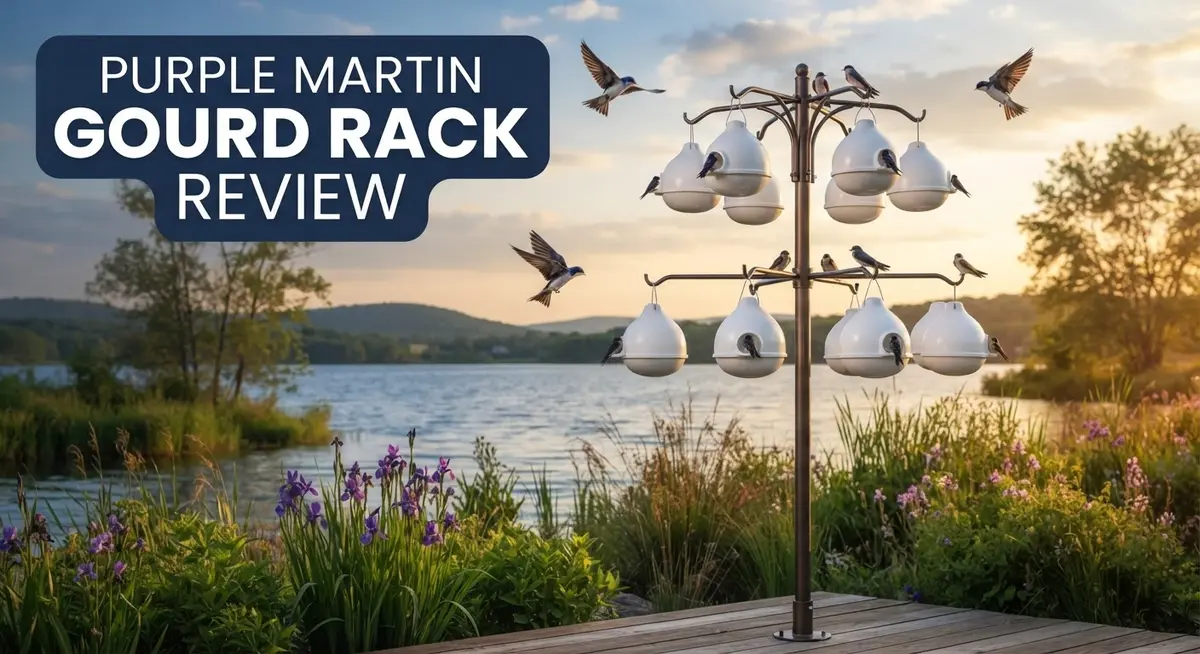
Purple Martin Gourd Rack Review: Live Up To The Hype?
Purple Martins are picky birds. They choose their homes with care. A gourd rack can make your yard their favorite spot.
Many bird lovers ask the same question. Should you pick gourds or traditional houses? Research shows gourds help martins raise more baby birds than aluminum houses do.
This review looks at top gourd rack systems on the market. We cover the Troyer’s Gemini 24, the 12 Unit Deluxe, and other popular choices. Each rack has its own design and features.
Weather resistance is another key factor. Some racks handle wind and hail better than others. We break down the pros and cons of each option.
By the end, you will know which gourd rack fits your yard. You will also understand what makes martins happy. Let’s find the perfect setup for your backyard birds.
In a Nutshell
Here is the quick rundown for busy bird lovers who want the key facts fast.
- Gourd racks help martins thrive. Research shows birds raised in gourds fledge about 1.2 more nestlings than those in aluminum houses. That is a real difference for your colony.
- Capacity varies widely. Systems range from small 8 gourd setups to large 24 gourd racks like the Troyer’s Gemini 24. Pick a size based on your yard space and martin activity.
- Winch systems make life easier. Models like the Gemini 24 use a winch to raise and lower gourds smoothly. The 12 Unit Deluxe uses a pulley and rope system instead.
- Spacing matters more than you think. Gourd racks give each nesting cavity more room. This reduces fighting between pairs and keeps your colony calmer.
- Weather is the main weakness. Thin gourds can crack under large hail. Wind resistance also depends heavily on the model you choose.
- Storage is simple. Most gourd racks come apart or lower easily for off season storage.
Pole Design and Construction
Pole design makes a huge difference in how well your gourd rack performs. The material you choose determines stability, longevity, and ease of use in your specific climate.
Aluminum poles are the industry standard for most systems. They resist rust and corrosion, which matters if you live near water or in humid areas. The Troyer’s Gemini 24 uses a 16 foot 3 inch aluminum pole that supports 24 mounting arms in a circular arrangement. This height keeps predators away from nesting gourds while giving you good visibility of your colony.
Steel poles offer a different approach. The 12 Unit Deluxe system uses a 14 foot square steel pole measuring 2 inches across. Steel provides extra rigidity and can handle heavier loads, but it requires regular maintenance to prevent rust formation. You will need to inspect it annually and apply protective coating as needed.
The mounting arm system directly impacts how gourds sit on your rack. Arms should space gourds far enough apart so birds cannot interfere with neighbors. Circular designs like the Gemini 24 naturally spread gourds outward. This reduces territorial conflicts and keeps the colony calm during breeding season.
Winch systems change the game for pole management. A quality winch lets you lower the entire rack to ground level for cleaning, gourd removal, and off season storage. You crank the handle smoothly without straining your back. Non winch systems require manual lifting or climbing, which becomes tiring over multiple seasons.
Pulley and rope setups work well for smaller installations. The 12 Unit Deluxe uses a 4 part pulley system that distributes weight evenly. This method costs less but demands more physical effort each time you raise or lower the rack.
Pole thickness and diameter matter for wind resistance. Thicker poles bend less in strong gusts. A 2 inch square pole handles wind better than a thin 1.5 inch round pole. Check your local wind patterns before choosing a system.
The best pole design matches your climate, physical ability, and colony size. Taller poles work in predator heavy areas. Winch systems suit busy people who maintain multiple racks. Aluminum poles fit coastal regions perfectly.

- Complete Purple Martin Housing System – Includes 12 durable gourds, a high-tensile aluminum pole, and...
- Starling-Resistant Crescent Entries – Each gourd features a crescent-shaped SREH entry, designed to...
Last update on 2026-10-06 / Affiliate links / Images from Amazon Product Advertising API
Gourd Capacity and Mounting System
Gourd capacity tells you how many birds your rack can house. Most systems hold between 8 and 24 gourds. Small setups work for new martin enthusiasts. Larger racks suit established colonies.
The Troyer’s Gemini 24 stands out with its 24 mounting arms arranged in a circular pattern. This design maximizes spacing and lets each pair nest comfortably. The 16 foot 3 inch aluminum pole provides excellent height for predator protection.
Mounting arms anchor each gourd securely to the main pole. Arms must withstand wind, rain, and the weight of nesting birds. Quality arms keep gourds level and prevent tilting. Poor mounting systems cause gourds to swing excessively during storms.
The winch system on premium models like the Gemini 24 makes maintenance simple. You can lower the entire rack to ground level without climbing a ladder. This feature saves your back and makes gourd cleaning much faster. Winches also allow you to inspect nests safely from the ground.
Smaller systems use pulley and rope setups instead. The 12 Unit Deluxe model features a 4 part pulley system with a 14 foot square pole. This approach works well for modest colonies and tight spaces. Rope systems cost less but require more physical effort to operate.
Pole thickness directly affects how your rack performs in wind. A 2 inch square pole resists twisting better than thin aluminum tubes. Thicker poles also support heavier gourd loads without bending. Your local climate should guide this choice.
Circular mounting patterns distribute weight evenly around the pole. Linear arm arrangements work too but create uneven stress. Circular designs reduce pole sway and improve stability during storms.
Gourds need proper spacing to prevent fighting between pairs. Crowded racks lead to aggression and failed nesting attempts. Each gourd should sit at least 2 feet from its neighbors. Quality racks maintain this spacing automatically through arm placement.
Consider your physical ability when choosing a system. Winch models suit older bird lovers or those with mobility concerns. Manual rope systems work fine if you enjoy the physical activity. Both approaches deliver healthy martin colonies when properly maintained.
Nesting Performance and Martin Preference
Purple martins show a clear preference for gourds over traditional aluminum houses. Research confirms this behavior matters for your colony’s success. Birds nesting in gourds fledge approximately 1.2 more nestlings per season compared to those in metal structures. This difference adds up quickly when you manage multiple pairs.
The reason comes down to how gourds function naturally. Martins evolved using tree cavities for centuries. Gourds mimic that environment far better than rigid boxes. The curved interior walls, natural insulation, and authentic feel all trigger nesting instincts. Your martins will settle faster and breed more confidently in gourds.
Spacing plays a critical role in nesting success. Gourd racks position each cavity farther apart than traditional house systems. This separation reduces aggression between neighboring pairs. Martins maintain their territories without constant conflict. Less stress means healthier birds and stronger fledging rates.
The mounting arm design directly affects martin comfort and safety. Each arm must hold the gourd securely while allowing gentle swaying in wind. Poor arm design causes gourds to twist or wobble excessively. Martins abandon unstable nests. Quality racks use reinforced arms with proper angle positioning. The Troyer’s Gemini 24 arranges arms in a circular pattern. This layout distributes weight evenly and minimizes movement.
Gourd removal and inspection become easier with well designed racks. You can lower individual gourds to check nesting progress without disturbing the entire system. This accessibility helps you spot problems early. Parasites, predators, or failed eggs get caught before they damage your whole colony.
Weather does create challenges for gourd nesting success. Thin gourds offer less protection than aluminum during severe storms. Large hail can crack or puncture gourds. Wind resistance varies by model and pole design. Choose systems with sturdy mounting arms and proper pole thickness for your local climate. Despite weather vulnerabilities, the nesting performance advantage makes gourds the preferred choice for serious martin landlords.
Top 3 Alternatives
Woodlink Deluxe Gourd Rack

- Durable Aluminum Construction – 2" square, high-tensile aluminum pole ensures long-lasting durability...
- Holds Up to 12 Gourds – Two-tier aluminum rack arms securely hold up to 12 SuperGourds (not included...
Last update on 2026-10-06 / Affiliate links / Images from Amazon Product Advertising API
The Woodlink Deluxe Gourd Rack offers sturdy construction for mounting multiple gourds in your yard. This option features a powder-coated finish that resists rust and weathering. You get easy installation with straightforward hardware included in the package.
The rack holds gourds securely without wobbling or shifting. Homeowners appreciate the durable materials that withstand rain, wind, and intense sunlight. The design keeps gourds at an ideal height for martin viewing and nesting.
Stokes Select Gourd Holder

- Purple Martin Housing Mounting System Accessory: you'll receive 3pcs aluminum gourd bracket, 1 purple...
- Designed for Round Birdhouse Pole: The gourd brackets are round and compatible with round poles.Note...
Last update on 2026-10-06 / Affiliate links / Images from Amazon Product Advertising API
Stokes Select focuses on simplicity and reliability with their gourd holder design. This product uses a vertical mounting system that saves yard space. The holder accommodates standard-sized gourds without requiring special modifications.
Installation takes just minutes with basic tools. The finish protects against outdoor elements effectively. Many users report satisfaction with how well this holder performs throughout the breeding season.
Aspects Gourd Rack System

- The feeder includes a high view perch that invites hummingbirds to rest comfortably as they drink from...
- Bright red cover attracts humming birds from a distance and is easily removed so the bowl can be cleaned...
Last update on 2026-10-06 / Affiliate links / Images from Amazon Product Advertising API
The Aspects Gourd Rack System stands out for its flexible configuration options. You can adjust the number of gourds based on your martin colony size. The system uses a modular approach that allows easy expansion later.
Quality hardware ensures long-term durability in various weather conditions. The design promotes good airflow around each gourd, which helps with temperature regulation. Aspects engineered this system to minimize maintenance while maximizing martin attraction and safety.
Each option provides reliable gourd mounting for your backyard martin setup. Your choice depends on space constraints, colony size, and personal preferences for installation complexity.
Weather Resistance and Durability
Weather resistance and durability matter greatly when you choose a gourd rack. Your martins need protection from rain, wind, and extreme conditions.
Aluminum poles handle moisture well. They resist rust and corrosion better than steel options. Most premium systems use aluminum for this reason. The metal stays strong even after years of sun and rain exposure. A 2 inch square pole resists twisting during strong winds better than thinner designs.
Gourds themselves present a durability challenge. Thin gourd walls offer less protection than metal houses during severe weather. Large hail can crack or puncture gourds easily. This is the biggest weather concern for gourd racks. You should inspect gourds regularly for damage, especially after storms.
Mounting arm construction affects overall durability. Arms must hold gourds securely through rain, wind, and temperature swings. Quality systems use stainless steel or galvanized hardware to prevent rust. Arms should angle slightly to shed water away from gourd entrances.
Winch systems improve durability through easier maintenance. When you lower your rack for inspection, you spot damage faster. You can remove damaged gourds quickly and replace them. Pulley and rope setups work similarly for smaller installations. Regular lowering also lets you clean mounting hardware and check for corrosion.
Wind resistance depends on your rack’s design. Circular mounting patterns distribute weight evenly around the pole. This reduces stress on individual arms during gusts. Taller racks face more wind exposure, so pole diameter becomes critical.
Storage protects your investment during off season months. Most gourd racks lower or disassemble for winter storage. Storing gourds indoors prevents weather damage during dormancy. This practice extends gourd life significantly. Metal poles should be inspected for rust spots before spring reassembly.
Climate matters when choosing your system. Coastal areas with salt spray need extra corrosion protection. Regions with frequent hail may require reinforced gourds or protective netting. Windy areas benefit from heavier pole designs and wider mounting bases.
Regular maintenance keeps your rack performing well. Clean drainage holes in gourds after heavy rain. Check all hardware connections monthly. Address rust spots immediately to prevent spread. Your gourd rack will last many seasons with proper care.
Installation and Maintenance
Installing your purple martin gourd rack starts with choosing the right location. Pick a spot that gets full sun and sits at least 40 feet away from trees. Martins need clear flight paths to reach their nesting gourds safely.
The mounting process depends on your rack model. The Troyer’s Gemini 24 uses a sturdy aluminum pole with 24 arms arranged in a circle. You’ll anchor the base firmly into concrete to prevent tilting during storms. Smaller systems like the 12-Unit Deluxe feature a square pole design that resists twisting better than round alternatives.
Securing each gourd matters more than most people realize. The mounting arms must hold gourds at consistent angles so they don’t swing wildly in wind. Check that every arm attachment point is tight before your colony arrives. Loose connections create safety hazards for nesting birds.
Maintenance becomes simpler with the right setup. Premium models include winch systems that let you lower the entire rack to ground level for inspection. This feature saves you from climbing ladders repeatedly throughout the season. Lower cost systems use pulley and rope arrangements that work just as well if you maintain them properly.
Inspect gourds regularly for cracks, holes, or water damage. Remove any gourd showing signs of decay before martins claim it. Replace damaged mounting arms immediately since they support live birds and their young.
Seasonal storage protects your investment year after year. After fledging ends in August, lower your rack and remove all gourds for cleaning. Store gourds indoors in a dry location where temperature stays moderate. This prevents mold growth and extends gourd life significantly.
Clean the pole and arms with a dry cloth to remove debris and bird droppings. Check for rust spots on metal components and address them promptly. Drain any water that collects inside the pole before storing it.
When spring arrives, inspect everything again before reassembling. Replace worn gaskets on pulley systems and test winch mechanisms thoroughly. A quick pre-season check prevents problems once your martins settle in to nest.
Pros and Cons
Pros
- Gourds produce roughly 1.2 more fledglings per nest compared to aluminum houses
- Martins show a strong natural preference for gourd nesting over traditional metal structures
- Removal and inspection happen quickly thanks to winch or pulley systems
- Better spacing between cavities reduces aggression and nesting conflicts
- Circular or radial designs keep gourds evenly distributed around the pole
Cons
- Thin gourd shells crack easily during large hail or severe weather events
- Wind resistance varies by model, and some racks struggle in strong gusts
- Gourds require more frequent inspection for damage, cracks, and water entry compared to aluminum alternatives
Who Should Buy It
A purple martin gourd rack works best for serious bird enthusiasts who want to attract and support thriving martin colonies. If you enjoy watching birds and care about their breeding success, this setup fits your goals perfectly.
You should buy a gourd rack if you have adequate outdoor space. These systems need room to lower safely and rotate without hitting structures. A clear yard area of at least 15 feet in diameter gives you flexibility for operation and maintenance.
Property owners in moderate climates benefit most from gourds. Regions with mild summers and predictable weather patterns work well. If you live in an area prone to severe hail or extreme wind events, you’ll need to monitor your setup more closely or consider hybrid options.
People who value hands-on bird management love gourd racks. You get direct access to nesting cavities through winch or pulley systems. This means you can inspect gourds quickly, spot problems early, and remove damaged units without disrupting other nests.
Gourd racks appeal to conservation-minded folks too. Research shows martins fledge approximately 1.2 more nestlings in gourds compared to aluminum houses. If breeding success matters to you, gourds deliver measurable results.
You’re a good fit if you’re willing to perform seasonal maintenance. Gourds need regular checks for cracks, holes, and water damage. Spring setup and fall storage require effort, but most people find the process straightforward.
Families interested in nature education gain real value here. Kids can observe martin behavior throughout the season. They learn about cavity nesting, fledging timelines, and bird biology through direct observation.
Skip a gourd rack if you prefer completely hands-off setups. Aluminum houses require less inspection and tolerate neglect better. Gourds demand attention and seasonal involvement.
Also reconsider if you live where large hail strikes frequently. Thin gourd shells break easily under impact. You’ll spend more time replacing damaged gourds than enjoying the colony.
Ultimately, gourd racks suit people who combine space, commitment, and genuine interest in martin welfare. You get superior breeding results, engaging bird watching, and a dynamic seasonal project that keeps you connected to nature year-round.
Final Verdict
Purple martin gourd racks earn their place in any serious birder’s yard. They offer real benefits that aluminum houses simply cannot match.
The research speaks for itself. Martins choose gourds first, and fledgling rates prove why this matters.
Troyer’s Gemini 24 suits larger colonies and hands-on managers who want a winch system for quick access. Its circular design spreads gourds evenly, giving birds room to nest without conflict.
The 12-Unit Deluxe fits smaller setups well. Its pulley and rope system works great for beginners who want fewer gourds to manage each season.
Both systems share one truth: they reward attention. You get more fledglings, happier birds, and a rack that lasts for years when you maintain it properly.
Weigh the cons carefully before you decide. Hail damage and wind exposure remain real risks in certain climates.
If you live somewhere hail storms hit often, this setup may test your patience. Gourds crack under pressure that aluminum houses shrug off.
But for most backyard conservationists, the tradeoff feels worth it. Better nesting outcomes outweigh occasional storm damage for people who enjoy the hobby.
Think about your own commitment level too. A gourd rack rewards people who check on their birds regularly and respond to seasonal needs.
Families who want to teach kids about nature will find lasting value here. Watching gourds fill with nesting martins creates memories that aluminum houses rarely inspire the same way.
In the end, this product delivers exactly what dedicated martin landlords want. Higher fledgling success, natural bird preference, and manageable upkeep define the experience.
Choose a gourd rack if you want engagement with your birds, not just observation from a distance. The reward comes through consistent care and genuine connection to the colony you help thrive each season.
Frequently Asked Questions
Do purple martin gourds really produce more fledglings than metal houses?
Yes, research confirms it. Gourds consistently fledge about 1.2 more nestlings per pair compared to traditional aluminum structures. Martins simply prefer the natural gourd environment. The curved interior shape and ventilation patterns seem to match what birds need for successful breeding.
How often do I need to inspect and maintain my gourd rack?
Frequent checks matter, especially during breeding season. You should inspect gourds weekly for cracks, water damage, and pest entry. After storms, check immediately for hail damage or dislodged gourds. Off season storage requires cleaning and drying each gourd to prevent mold and rot.
Will a gourd rack survive in my area if we get severe hail?
That depends on your local weather patterns. Thin gourd shells crack easily during large hail events. If your region experiences frequent severe hail, a gourd rack may frustrate you with constant repairs and replacements. Consider your climate carefully before committing to this setup.
What’s the difference between the Troyer’s Gemini 24 and the 12-Unit Deluxe?
The Gemini 24 uses a winch system and holds up to 24 gourds on a 16-foot aluminum pole with circular mounting. It suits larger colonies and hands-on managers who want quick access. The 12-Unit Deluxe features a 14-foot square pole with a pulley and rope system, holding 12 gourds. This fits smaller setups better and still offers easy seasonal removal.
Who should skip a gourd rack entirely?
Skip this option if you prefer completely hands-off bird management. Also reconsider if large hail strikes frequently in your area or if you lack adequate outdoor space. Gourd racks reward attention and commitment. They’re not for people seeking a set-it-and-forget-it solution.

Joyce is the passionate founder of Chirping Hearts, a website dedicated to sharing her love for birds and providing valuable information about avian life. With a background in ornithology and years of experience in birdwatching, Joyce aims to inspire others to appreciate the beauty and diversity of birds. Through her engaging articles and guides, she hopes to foster a community of bird enthusiasts who share her enthusiasm for these incredible creatures. When she’s not writing, Joyce enjoys exploring nature trails and observing birds in their natural habitats.