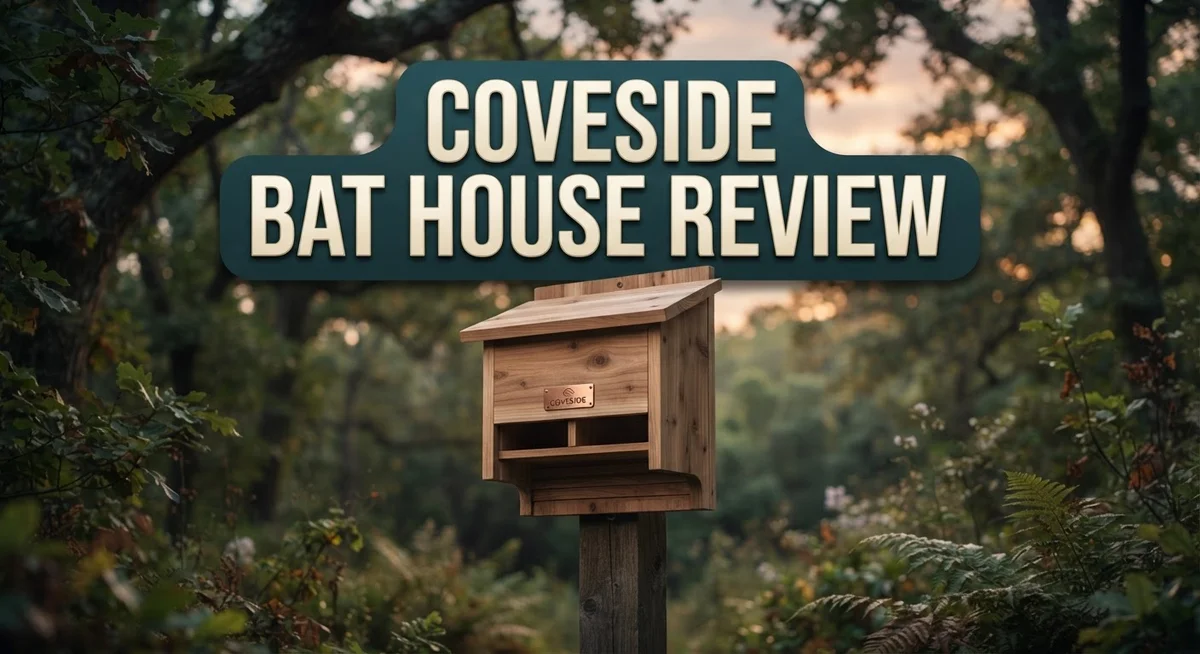
Coveside Bat House Review: Is It Worth The Price?
Bats do amazing work in your backyard. They eat bugs and help plants grow. A good bat house gives them a safe place to live.
The Coveside Bat House stands out as a top choice for many homeowners. It holds a strong reputation among reviewers who call it one of the best options on the market.
This bat house uses solid wooden construction. It features a rough head finish that helps bats grip and climb with ease.
Inside, you will find netting that lets bats cling comfortably. The mini model fits up to 12 bats, making it perfect for smaller yards or first time bat house owners.
Many people want natural pest control. Others want better pollination in their gardens. This bat house can help with both goals.
In this review, we will look closely at what makes this bat house work well. We will also cover some drawbacks you should know before you decide.
Let’s explore what this product offers and see if it fits your needs.
In a Nutshell
Here is a quick snapshot of what you need to know about the Coveside Bat House before you buy:
-
The mini model holds up to 12 bats comfortably. This makes it great for smaller yards or first time bat house owners.
-
The house has a rougher head finish on the wood. This texture helps bats grip and climb inside easily.
-
Many reviewers call this house the best option they tried. It earns high praise for its sturdy build and reliable performance.
-
You get natural pollination support along with pest control benefits. Bats help your garden thrive in more ways than one.
-
Setup is simple and quick. Most owners install it without any special tools or help.
-
Some owners worry the landing ramp could be longer. This might affect how easily bats enter the house.
-
Plan for regular cleaning with gloves and mild soap. This keeps the house safe and fresh for its tiny residents.
-
Watch out for unwanted guests like wasps or other insects. They sometimes move in before bats do.
Construction and Materials
The Coveside Bat House features solid wooden construction built to last through many seasons. The wood gets a rougher head finish that helps bats grip and climb inside the structure. This texture matters because bats need secure footing when they enter and exit.
Inside the house, you will find interior netting stretched across the walls. This netting serves a key purpose. Bats use it to cling and rest during the day. The setup mimics what bats find in natural tree bark or caves. Your backyard becomes a safe spot for them to hang upside down.
The mini model holds up to 12 bats comfortably. The chamber design keeps bats warm and protected from wind and rain. The wood thickness prevents temperature swings that could harm your colony. Durable construction means you won’t need to replace the house every few years.
Assembly is straightforward for most homeowners. You get clear instructions and all the hardware you need. Installation takes less than an hour for most people. The house mounts securely to trees, poles, or walls depending on your setup.
Maintenance does require some effort on your part. You should clean the house once yearly using mild soapy water and a soft brush. Wear gloves and a dust mask when you work inside. This prevents contact with droppings and keeps you safe from dust particles.
One thing to note: the landing ramp has sparked debate among owners. Some users feel it could be wider or longer to help bats land more easily. Others find it adequate for their colony. Your experience may vary based on bat species in your area.
The construction quality earns high marks from reviewers. People consistently praise the durability and design. The house attracts the right creatures while keeping out most unwanted pests. However, wasps and other insects occasionally find their way in, so monitor the house during warm months.
Overall, the materials and build quality support a functional, long lasting bat house for your yard.

- Perfect Shelter for Small Bats – Designed with two spacious chambers and a bottom slot entry, this bat...
- Superior Insulation & Durability – Handcrafted from sustainably sourced 1" thick Eastern White Pine...
Last update on 2026-10-06 / Affiliate links / Images from Amazon Product Advertising API
Capacity and Interior Design
The Coveside Bat House mini model accommodates up to 12 bats in a single unit. This capacity works well for small to medium yards where you want reliable pest control without overwhelming your outdoor space.
Interior netting plays a key role in how this bat house functions. The netting stretches across the interior walls and gives bats secure grip points. Bats naturally cling to rough surfaces, and this design mimics what they find in caves and tree bark. Your bat residents will feel right at home hanging upside down during the day.
The rougher head finish on the wood serves a practical purpose too. Bats need texture to grip with their claws. Smooth surfaces make it hard for them to stay in place. The Coveside design solves this problem with its textured wooden surface throughout the interior.
Space arrangement matters for comfort. The 12 bat capacity means the interior dimensions allow bats to cluster together naturally. Bats prefer tight spaces where they can huddle for warmth. This house provides that snug environment without feeling cramped.
One detail worth noting involves the landing ramp. Some owners feel the ramp could extend further to make entry easier. Bats approach from below and need a clear path to climb inside. The current design works, but a longer ramp might improve accessibility for younger or less experienced fliers.
The wooden construction holds up well over time. You will not see warping or rotting after one or two seasons. This durability means the interior netting stays properly positioned year after year.
Cleaning access is straightforward. The design allows you to reach inside with gloves and mild soapy water. You should plan for annual cleaning to remove guano buildup and prevent mold. Wearing a dust mask during cleaning protects your lungs from fine particles.
The overall interior layout encourages bats to stay longer and breed successfully. A well designed interior means more bats stick around to eat insects and pollinate flowers in your yard. The Coveside mini model delivers solid performance in this area.
Installation and Mounting
Getting your Coveside Bat House up and running takes minimal effort. The installation process works well for most homeowners, even those without carpentry experience.
Start by choosing the right location. Bats need a spot that gets morning sun but stays cool in the afternoon. Mount the house 12 to 20 feet high on a pole, tree, or wall. Make sure nothing blocks the entrance below the house. Bats need clear flight paths to enter and exit smoothly.
The mounting hardware comes with your bat house. Use sturdy brackets or nails rated for outdoor use. Wood screws work better than nails because they hold stronger over time. Check that the house sits level and secure before moving on.
Position the entrance facing south or southeast when possible. This angle helps bats catch morning warmth. Avoid direct afternoon sun in hot climates, as it can overheat the interior. Wind exposure matters too. Pick a spot somewhat protected from strong gusts.
Keep the house away from porch lights and outdoor lighting. Artificial light confuses bats and makes them avoid the area. Distance your bat house at least 20 feet from outdoor lamps if you can.
Consider spacing if you plan multiple units. Place bat houses 15 to 20 feet apart. This prevents overcrowding and reduces stress among bat colonies.
Once installed, inspect the mounting every few months. Look for loose bolts, rust, or wood rot. Tighten any hardware that has come loose. Replace damaged fasteners right away to keep everything secure.
The rougher wood finish helps with grip during installation and daily use. You won’t need special tools beyond a drill and basic fasteners. Most people finish mounting in under an hour.
After installation, leave the house alone for a few weeks. Bats need time to discover and investigate their new home. Don’t disturb them while they explore. Your setup work is complete once everything sits tight and level.
Top 3 Alternatives
Schwegler Bat Box

- Your backyard's new favorite wildlife home: Our 2-chamber bat house is designed to be a cozy Bat Box for...
- Bats Keep Bugs Away: It’s not just about looks; bats play a huge role in maintaining your garden's...
Last update on 2026-08-28 / Affiliate links / Images from Amazon Product Advertising API
The Schwegler Bat Box comes from a company with decades of experience in wildlife housing. This option features rough interior surfaces that help bats grip and climb easily. The design uses wood-concrete material, which provides excellent insulation for temperature regulation.
Bats need secure spaces to roost and raise their young. Schwegler boxes offer multiple entrance slots, allowing different bat species to find suitable access points. The durable construction means this house lasts many years in various weather conditions.
Bat Conservation International Box

- WildYard Bat Box: Transform your yard with the WildYard bat house, a cozy spot for your winged neighbors...
- Invite Bats In: Up to 30 bats can call this sturdy weatherproof bat box home, creating a lively...
Last update on 2026-06-17 / Affiliate links / Images from Amazon Product Advertising API
Bat Conservation International (BCI) designs their boxes based on scientific research about bat behavior. Their housing solutions focus on meeting specific species needs across different regions. The boxes include ventilation features that prevent moisture buildup inside.
These houses work well for both small and large bat colonies. BCI provides detailed mounting instructions to ensure proper installation. The science-backed design helps increase occupancy rates compared to generic bat houses.
Woodlink Bat House

- Wood link cedar bat Cottage is ornithologically correct and specifically designed to attract bats
- Constructed of natural inland cedar and chromate screws
Last update on 2026-11-01 / Affiliate links / Images from Amazon Product Advertising API
Woodlink creates bat houses from natural wood materials that weather gracefully over time. Their design includes multiple compartments where bats can choose their preferred roosting spots. The wooden construction blends naturally into garden and yard environments.
This option features proper ventilation and drainage to keep the interior dry. Woodlink houses come ready to mount on trees, poles, or buildings. The spacious interior design accommodates growing bat families throughout the season.
Each alternative offers distinct advantages for attracting and protecting bats in your area. Your choice depends on your specific climate, available space, and local bat species present in your region.
Maintenance and Cleaning Requirements
Keeping your Coveside Bat House in good shape requires a simple but consistent approach. Regular maintenance ensures the bats stay healthy and the structure lasts for years.
You should clean the bat house once per year. The best time to do this is late fall or early winter, after the bats have left for their seasonal migration. Wear protective gloves and a dust mask during cleaning. These items shield you from dust, droppings, and potential irritants.
Use mild soapy water to wipe down the interior surfaces. A soft brush works well for removing buildup from the wooden walls and netting. Avoid harsh chemicals or strong cleaners. These can leave residue that harms the bats when they return.
Pay special attention to the interior netting. This component allows bats to grip and cling comfortably. Gently clean around it without damaging the material. If the netting shows signs of wear, plan for repairs or replacement before the next bat season arrives.
Inspect the entrance hole and landing ramp during your cleaning session. Remove any debris, spider webs, or insect nests that may have accumulated. These blockages prevent bats from entering easily.
Check the exterior wooden surfaces for cracks, splinters, or rot. The rougher head finish protects the wood, but weather exposure still takes a toll over time. Sand down any rough spots that could injure the bats.
One challenge many owners face involves unwanted guests. Wasps, hornets, and other insects sometimes build nests inside the bat house. If you spot these, remove them carefully before the bats arrive. Use a stick or brush to dislodge nests, or contact a local pest control expert if needed.
Between annual cleanings, do quick visual checks every few months. Look for signs of damage, pest activity, or structural issues. This hands off approach keeps maintenance simple while protecting your bat population.
Proper maintenance transforms your Coveside Bat House into a reliable home for bats. Invest this small effort, and you’ll enjoy years of natural pest control and pollination benefits.
Environmental Benefits and Pest Control
Bats serve as nature’s pest control team. A single bat can eat up to 1,000 mosquitoes in just one night. The Coveside Bat House invites these helpful creatures into your yard, reducing your need for chemical sprays and bug zappers.
Mosquitoes, moths, and flying insects become food sources for the bats living in your Coveside unit. This natural pest management happens automatically once bats move in. Your garden benefits without any effort on your part beyond providing shelter.
Beyond pest control, bats play a crucial role in pollination. As bats feed on nectar and pollen, they transfer pollen between flowers and plants. This supports fruit production, vegetable growth, and wildflower blooming across your property. Many food crops depend on bat pollination to thrive.
The Coveside Bat House’s interior netting and rougher wood surface create an ideal home for bats to settle and breed. When bats feel secure, they stay longer and reproduce successfully. More bats means more pest control happening naturally around your home.
Installing the Coveside unit positions you as an environmental steward. You’re supporting declining bat populations while protecting your own space from annoying insects. This approach aligns with sustainable living practices that many homeowners now prioritize.
The setup requires minimal disruption to your yard. Unlike pesticide applications or electronic bug controls, a bat house sits quietly on a pole or tree. No chemicals leach into soil or water. No noise pollution occurs.
One thing to note: the house may occasionally attract other species. Regular inspection during your annual cleaning helps you monitor who lives inside. This visibility lets you adjust placement if needed.
The environmental payoff extends beyond your property line. Local ecosystems benefit when bat populations strengthen. Neighboring gardens and natural areas receive better pollination support. Your single bat house contributes to this broader ecological improvement.
By choosing the Coveside Bat House, you’re making a choice that protects both your home and the environment. Natural pest control and pollination support work together seamlessly, creating a win for your yard and the planet.
Pros and Cons
Pros
- Highly rated by users and considered one of the best options on the market
- Wooden construction with rougher finish provides excellent grip for bats to cling and settle
- Delivers natural pest control by attracting bats that eat mosquitoes, moths, and flying insects
- Supports pollination efforts and positions your yard as an environmental asset
- Easy installation with included mounting hardware and straightforward setup process
Cons
- May occasionally attract unwanted species alongside your target bat population
- Requires annual maintenance including cleaning with mild soapy water and inspection of all wooden surfaces
- Landing ramp adequacy has been questioned by some users in real world conditions
- Needs protective gear like gloves and a dust mask during cleaning sessions
Who Should Buy It
The Coveside Bat House works best for homeowners who want to support local wildlife. If you care about reducing mosquitoes and other flying insects naturally, this unit fits your goals perfectly.
Ideal buyers share a few common traits. You should consider this house if you live in an area with bat populations nearby. Bats need suitable habitat, and your region must support these creatures. Check your local wildlife guidelines before purchasing to ensure bats thrive in your zone.
Gardeners and outdoor enthusiasts find real value here. You spend time in your yard and notice pest problems firsthand. The Coveside unit lets you tackle mosquito and moth issues without chemicals. Your plants also benefit from improved pollination when bats move through your landscape at night.
This house suits people who embrace low maintenance routines. You’ll need to clean it once yearly with mild soapy water and inspect the wooden surfaces. If you’re willing to spend 30 minutes annually on upkeep, this investment makes sense. Gloves and a dust mask keep you comfortable during cleaning sessions.
Families with children often appreciate the educational angle. Kids learn how bats help ecosystems while watching them settle into your yard. The setup creates natural science lessons without trips to museums or nature centers.
Property owners seeking eco-friendly solutions should take notice. You want pest control that works with nature, not against it. The Coveside Bat House delivers this approach through simple installation and reliable construction.
However, skip this product if you prefer completely hands-off solutions. Annual maintenance is required, and you cannot ignore it. Also, be prepared for occasional unwanted species alongside your bat residents. Some users report other creatures exploring the house, though bats remain the primary inhabitants.
Buyers in urban or suburban settings with limited yard space find the mini model practical. Its 12-bat capacity suits smaller properties while still providing meaningful pest control benefits. If you have a spacious property and want larger populations, competitors like the Vesper Bat Habitat offer higher capacities.
The Coveside Bat House appeals to environmentally conscious homeowners ready to take action. You’re not just buying a product. You’re becoming a steward of local ecosystems and inviting nature’s best pest controllers into your yard.
Final Verdict
The Coveside Bat House stands out as a trustworthy pick for nature lovers. It combines smart design with real function, making it a strong choice for anyone ready to welcome bats into their yard.
When you compare it to competitors like the Five Chamber Bat House or Bat Condo, Coveside holds its own. It may not offer the massive capacity of the Vesper Bat Habitat Bat Tower, but its mini model fits perfectly into smaller spaces.
The build quality speaks for itself. Sturdy wood and thoughtful netting mean this house can handle seasons of use without falling apart.
Some users raise concerns about the landing ramp. This small design detail might affect how quickly bats settle in. Still, it does not outweigh the overall strengths of the product.
Who should buy this house? Anyone wanting a dependable, well built option should consider it. First time bat house owners will find it simple to set up and maintain.
If you want a balance between function and ease of care, this house delivers. It asks little from you yet gives back plenty of natural benefits.
The occasional unwanted guest is a minor tradeoff. Most buyers find this a small price to pay for the pest control and pollination perks that come with a thriving bat colony.
In the end, this product earns its strong reputation. It brings together solid construction, smart design, and genuine ecological value.
Our final take: Choose the Coveside Bat House if you want a reliable, low maintenance way to support local wildlife. It fits well into most yards and offers lasting benefits season after season.
For those seeking a dependable addition to their outdoor space, this bat house checks the right boxes. It stands as a smart investment in your yard’s ecosystem, giving nature a helping hand while keeping your evenings more pleasant.
Frequently Asked Questions
How many bats can the Coveside Mini model hold?
The mini model houses up to 12 bats comfortably. The interior netting gives them plenty of space to cling and settle. This size works great for smaller yards or suburban properties where you want to start supporting local bat populations without overwhelming your space.
Is the Coveside Bat House difficult to install?
Installation is straightforward. The house comes with mounting hardware included. You simply follow the setup instructions and secure it to a pole, tree, or wall. Most homeowners complete this task in under an hour without special tools.
What maintenance does this bat house require?
You’ll need to clean it once per year. Wear gloves and a dust mask for safety. Use mild soapy water and inspect all wooden surfaces for damage. The rougher wood finish helps bats grip easily, but it also needs occasional checks to stay in good condition.
Will unwanted species move into the Coveside Bat House?
Possibly. The house may attract other creatures alongside your target bat population. This is a common trade off with wildlife housing. Most buyers find the pest control benefits worth this occasional surprise visitor. You can monitor the house during your yearly cleaning to see what’s inside.
How does Coveside compare to other bat houses?
Coveside holds its own against competitors like the Five Chamber Bat House and Bat Condo. The build quality is solid with sturdy wood construction. If you want something smaller than the Vesper Bat Habitat (which holds up to 1,000 bats), Coveside offers a practical middle ground for residential yards.

Joyce is the passionate founder of Chirping Hearts, a website dedicated to sharing her love for birds and providing valuable information about avian life. With a background in ornithology and years of experience in birdwatching, Joyce aims to inspire others to appreciate the beauty and diversity of birds. Through her engaging articles and guides, she hopes to foster a community of bird enthusiasts who share her enthusiasm for these incredible creatures. When she’s not writing, Joyce enjoys exploring nature trails and observing birds in their natural habitats.