
Identifying the Yellow Green Bird: Characteristics and Habitat
The Yellow Green Bird is easy to spot because of its bright colors. It has shiny yellow and green feathers. This bird is about the same size as a sparrow and has long wings that help it fly quickly.
You can find these birds in bushes or near wetlands. They are good at living in these areas. When you hear their sweet singing, you might think about all the other colorful birds that live nearby.
Watch for them! The Yellow Green Bird brings joy to its surroundings.
A Quick Overview
The Yellow Green Bird has bright yellow and green feathers. It is about 6 to 8 inches long, and it looks a bit like a sparrow.
Some common types of Yellow Green Birds are the Golden-winged Warbler, Common Yellowthroat, and Yellow Warbler. Each of these birds likes to build nests in different places.
They mainly eat seeds and berries. Their short and strong beaks help them find food easily.
You can hear these birds make clear sounds like whistles and trills. These sounds help them talk to each other and let you know they are nearby.
Sadly, their homes are disappearing due to city building and other activities. This makes it very important for people to work together to protect these beautiful birds and their living spaces.
Overview of the Yellow Green Bird

The yellow green bird is a beautiful creature that catches the eye with its bright colors and lively behavior. Many people who love nature and birdwatching enjoy spotting this amazing bird.
In different cultures, this bird is a symbol of joy and renewal. Its bright yellow and green feathers are often linked to ideas of growth and good fortune, making people feel connected to the world around them.
You can often see the yellow green bird hopping around in trees and bushes, looking for food. This behavior is important because it helps keep nature in balance.
Also, the bird sparks inspiration in local art and stories, becoming a part of the culture and traditions of various communities.
Physical Characteristics
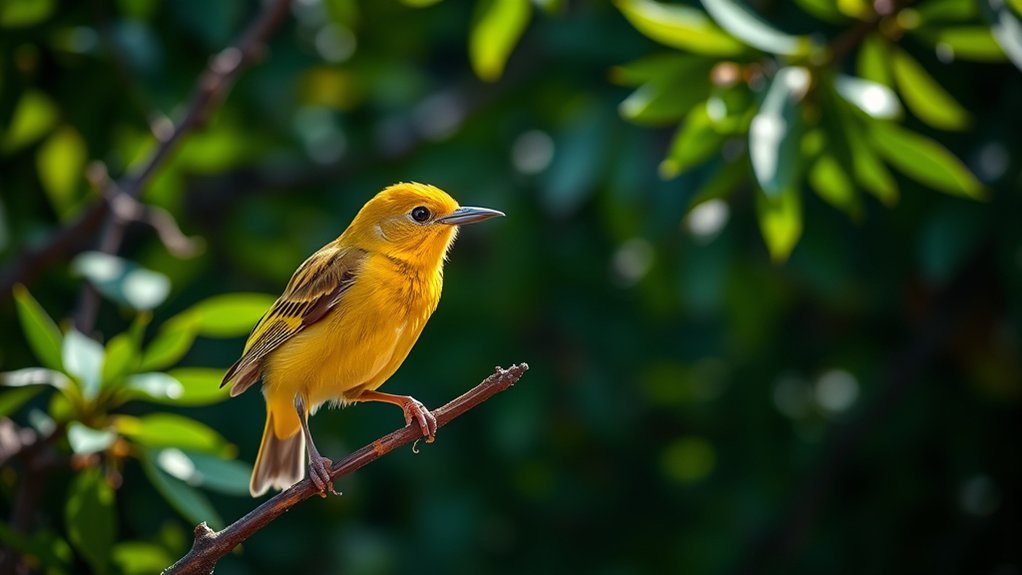
When you see the yellow-green bird, you'll notice its bright colors. It has a mix of yellow and green feathers that can look different in the light. This can be really beautiful and catch the eye of anyone watching birds.
The bird is about 6 to 8 inches long, which is close to the size of a sparrow. Its wings are a bit long, helping it fly quickly and easily. The tail feathers come to a gentle point, adding to its graceful look.
The beak is short and strong, perfect for eating seeds and berries. Each of these features helps the bird live well in its home.
Watching these birds can be a fun and enjoyable experience for everyone.
Distinctive Calls and Sounds

Yellow-green birds make many special sounds that help them stand out where they live. They use whistles, trills, and chatter that echo through the trees. If you listen carefully, you might hear them mimic other noises, which is pretty amazing! This skill helps them talk to each other and warn about dangers.
The rhythm of their songs and fun bursts of sounds create an exciting listening experience. Paying attention to these calls helps you connect with these colorful birds and understand the important role they play in nature.
Common Species of Yellow Green Birds
The Golden-winged Warbler is a small yellow-green bird that many people love to watch. It has bright colors and likes to nest in areas full of shrubs or young trees.
Another interesting bird is the Common Yellowthroat. It has a cute mask and makes cheerful sounds. This bird enjoys living in wetlands and shows different colors depending on where it's found.
Then there's the Yellow Warbler. This bird is especially striking because it has a bright yellow body with greenish hints.
Each of these birds has unique breeding habits, which depend a lot on their homes. These habits help with courtship and territory claims.
When you learn about these yellow-green birds, you connect with nature and the bird community. You can enjoy watching them and appreciate how diverse nature really is.
Preferred Habitats: Where to Find Them
Yellow-green birds like to live in special places that help them find food and make nests. You can often see them in wetland areas. These spots have lots of green plants and sparkling water that show off their bright colors. Wetlands have plenty of food and are safe for nesting.
These birds also enjoy urban gardens. These gardens are filled with flowers and plants that grown in cities. The colorful flowers and bushes give them food and shelter. You might see them buzzing around flowers, looking for tasty nectar.
Feeding Habits and Diet
Yellow-green birds have interesting feeding habits. They mostly eat insects, nectar, and ripe fruits. These birds are great at finding food. They often fly between flowers and leaves. Sometimes, you might see them hanging upside down to reach a tasty fruit. It shows how agile they are!
In warm months, they love flowers that are full of nectar. This makes them important for helping flowers grow by pollinating them. They also eat insects, which give them the protein they need, especially for their baby birds.
Watching how they eat helps us understand their role in nature. Their special eating habits show how well they adapt to their surroundings. This connection makes us feel closer to the natural world around us.
Breeding Behavior and Nesting
When breeding season starts, yellow-green birds put on a show to find their mates. They use their bright colors and impressive flying skills to catch the eye of potential partners.
You can watch as males sing songs and dance to impress the females. After they pair up, they start building a nest, which is an important step in having baby birds.
Here's how they build their nests:
- Gathering Materials: They pick up twigs, grass, and leaves to make a strong nest.
- Choosing a Spot: They like to find safe places in thick bushes or on tree branches.
- Building the Nest: Both the male and female work together to make sure the nest is cozy for their eggs.
This teamwork shows how much they care about raising their future chicks.
Seasonal Migration Patterns
As the weather gets colder and food becomes harder to find, many yellow-green birds start their incredible migrations. They leave their homes in late summer or early fall, flying to warmer places. You can see them fly in a V-formation, which helps them save energy during their long trips.
Each type of bird follows its own path, sometimes traveling thousands of miles. They know where to go by using the sun and stars. While they migrate, these birds stop to eat. They search for food to help them regain strength for their journey.
It's amazing how these birds fly together in large groups. This helps keep them safe from predators.
Learning about how these birds move each season makes you appreciate their adventures more. They travel to find better places as the world around them changes.
Tips for Birdwatching
After seeing the amazing yellow-green birds on their long journeys, you might want to watch them up close.
Here are some easy tips to help you enjoy birdwatching more:
- Get Good Gear: Buy a decent pair of binoculars and a field guide for your area. These tools can help you spot and name those bright birds quickly.
- Pick the Right Spot: Look for places where yellow-green birds like to hang out. They love forests and wetlands. The best time to see them is early in the morning or late in the afternoon.
- Be Patient: Stay quiet and still. Birds will come closer if they don't hear you. This will give you a better chance to see and enjoy them.
Happy birdwatching!
Conservation Status and Threats
Yellow-green birds face many problems that make it hard for them to survive. One of the biggest challenges is the loss of their homes. Deforestation and building new cities mean many places where these birds used to live are gone. This makes it tough for them to find food and raise their young.
When you watch these beautiful birds, think about how much habitat destruction affects their numbers. People are working hard to fix this. They're planting trees and creating safe areas where birds can live without worry.
You can help too! Join local projects or support groups that protect nature. Talk to your friends and family about why these birds are important.
Resources for Bird Identification
Identifying yellow-green birds is fun! Whether you're new to birdwatching or have some experience, this can be a neat adventure.
To help you spot and learn about these birds, here are three good resources to check out:
- Bird Identification Apps: Use apps like Merlin or iBird. They help you find birds based on where you're and what they look like.
- Field Guides: Get a good bird field guide. Look for one that has pictures and descriptions for birds found in your area. This will help you know more about the birds you see.
- Online Forums and Communities: Join websites like eBird. You can share what birds you see and ask questions. It's a great way to connect with other bird lovers.
These tools will help you learn more and feel part of the birdwatching community. Happy birdwatching!
Frequently Asked Questions
Do Yellow Green Birds Migrate Alone or in Flocks?
Yellow green birds usually travel in groups during migration. They like to fly in flocks. This helps keep them safe and makes their journey easier. Being with others gives them a feeling of belonging. It's fun to watch them move together in the sky!
What Predators Threaten Yellow Green Birds?
Yellow green birds have to watch out for some predators. Snakes and hawks are big threats, especially when they are nesting or looking for food. When these birds are feeding, they can become easy targets. To stay safe, yellow green birds have learned to adapt and change their behavior. This helps them survive in their environment. These birds are clever and find ways to protect themselves from danger.
How Long Do Yellow Green Birds Typically Live?
Yellow-green birds usually live between 5 and 15 years. Their lifespan can change based on a few things. Genetics, or the traits they inherit, affects how long they live. The environment they live in is also important.
If they live in a home with good care and a healthy diet, like proper food and regular check-ups, they can live much longer.
Taking care of them well can make a big difference in their lives.
Can You Keep a Yellow Green Bird as a Pet?
You can keep a yellow green bird as a pet, and it can be a lot of fun! To keep your bird happy and healthy, make sure you give it good care. Spend time watching how your bird acts. This will help you understand it better and build a strong friendship. A happy bird will sing and play, making your home lively! Just remember to give it food, water, and a safe place to live. Enjoy your time with your feathered friend!
What Kind of Bird Feeders Attract Yellow Green Birds?
If you want to attract yellow green birds to your yard, you should try a few things. Use tube feeders and fill them with sunflower seeds and thistle. These foods are favorites for these birds.
You can also set up platform feeders with mixed seeds. This way, you'll have a variety of seeds that can draw them in. Yellow green birds love to munch on different seeds, so offering a mix makes your yard more inviting.
Remember to keep your feeders clean and refill them regularly. This will help keep the birds coming back for more!

Joyce is the passionate founder of Chirping Hearts, a website dedicated to sharing her love for birds and providing valuable information about avian life. With a background in ornithology and years of experience in birdwatching, Joyce aims to inspire others to appreciate the beauty and diversity of birds. Through her engaging articles and guides, she hopes to foster a community of bird enthusiasts who share her enthusiasm for these incredible creatures. When she’s not writing, Joyce enjoys exploring nature trails and observing birds in their natural habitats.