Blue Birds in Washington State: A Guide for Birdwatchers
If you want to see bluebirds in Washington State, you're in for a fun time! There are three types of bluebirds here: Eastern, Western, and Mountain bluebirds. Each one looks a bit different and likes certain kinds of places. Learning how to tell them apart and where to find them can make your birdwatching even better.
Let's look at how to recognize these bluebirds, the best places to spot them, and some ideas to bring them closer to your home.
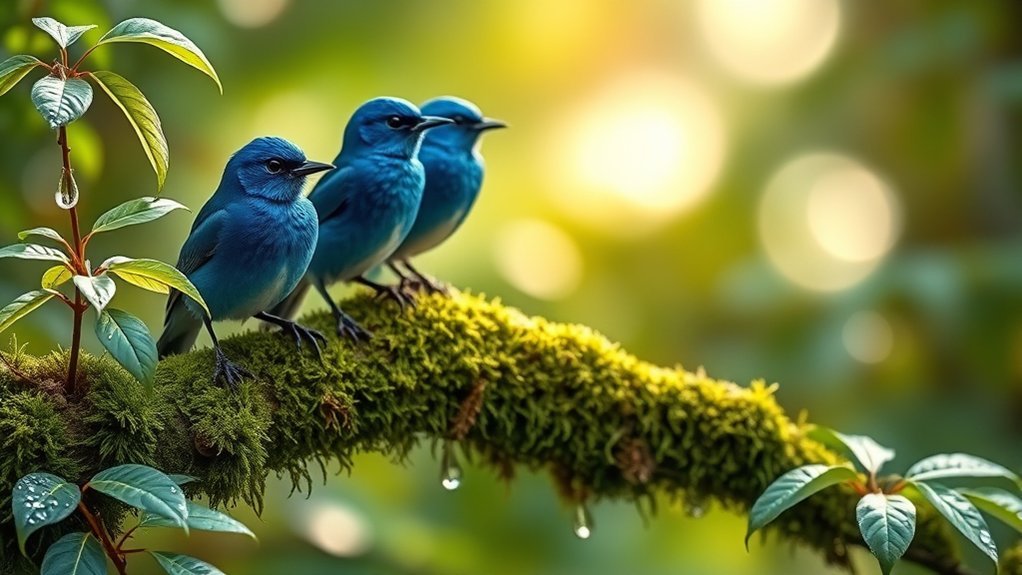
First, to tell the bluebirds apart, pay attention to their colors and size. Eastern bluebirds are bright blue with a rusty orange chest. Western bluebirds have a lighter blue and a brighter orange. Mountain bluebirds are sky blue all over.
Next, where can you see them? Eastern bluebirds enjoy open fields and gardens. Western bluebirds like dry areas with scattered trees. Mountain bluebirds are found in higher, rocky places.
Finally, here are some tips to attract bluebirds. You can put up bluebird houses in your yard. They also like mealworms, so you can offer some if you want.
With these tips, you'll get to enjoy watching these beautiful birds in Washington State! Happy birdwatching!
A Quick Overview
Washington State is home to three types of bluebirds: Western, Mountain, and Eastern Bluebirds. Each one has its own special habitat and look.
If you want to go birdwatching, great spots include the Columbia Basin, Snoqualmie Pass, Skagit Valley, and Yakima Valley. The best time to see bluebirds is in spring and early summer.
In late March, bluebirds are busy nesting. This is the perfect time to watch male bluebirds as they sing and show off.
To help you spot and track bluebirds, consider using apps like Merlin Bird ID and eBird. These can make your birdwatching even more fun.
You might also enjoy joining local birdwatching groups. They hold events where you can meet other bird lovers, share stories, and learn from one another. Happy birdwatching!
Overview of Bluebird Species in Washington State
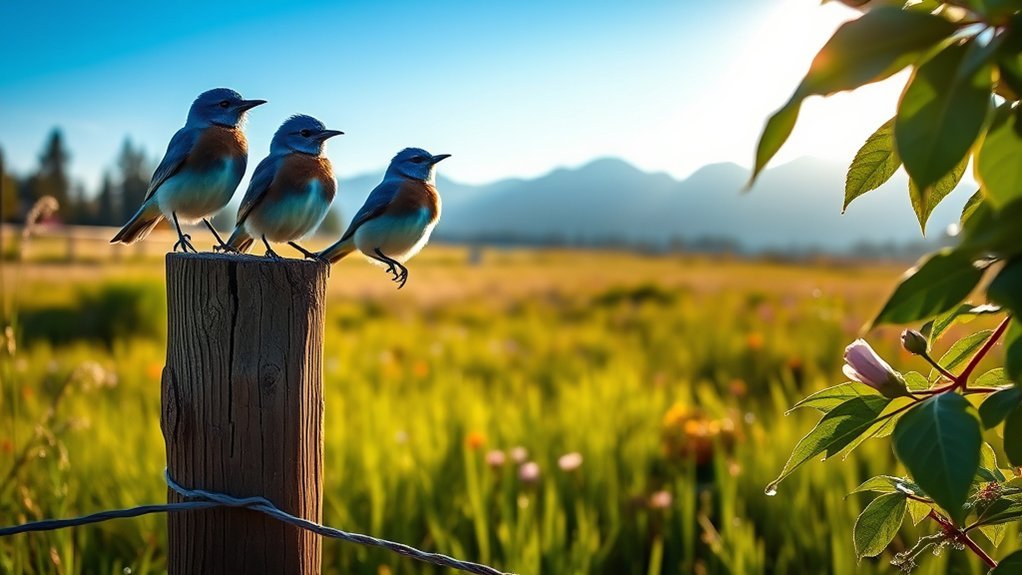
In Washington State, you can find three main types of bluebirds: the Western Bluebird, Mountain Bluebird, and Eastern Bluebird. Each type lives in different places.
The Western Bluebird likes open woodlands and grassy areas. It often nests in tree holes.
The Mountain Bluebird prefers high places like dry fields and pastures.
The Eastern Bluebird is the least common here, but you can spot it in farms and open fields where people have changed the land.
Bluebirds are fun to watch. They fly quickly and their songs make the outdoors sound nice.
Learning where these pretty birds live helps you appreciate Washington's wildlife more. It also connects you to the beauty of nature around you.
Eastern Bluebird: Identification and Habits
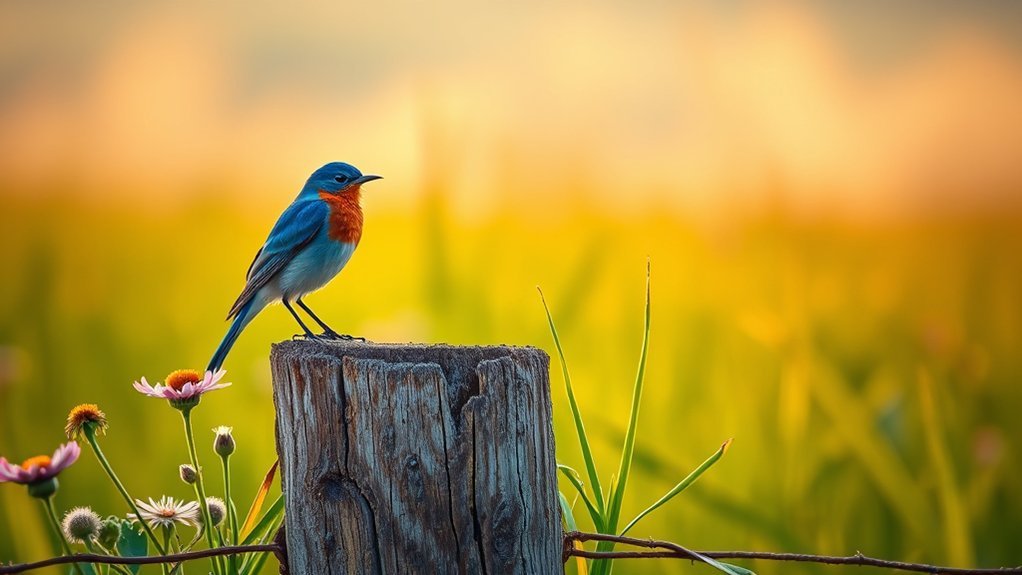
Spotting an Eastern Bluebird in Washington State is always a joy. This colorful bird has bright blue wings and a rusty orange chest that really stand out against green trees and brown fields.
You can often find them in open areas, sitting on low branches or fences while they look for bugs to eat. These birds are migratory, which means they fly south when winter comes.
They come back in the spring to set up their homes and find mates. Watching their courtship displays can be fun. They do special flights and sing sweet songs to attract each other.
Learning about how Eastern Bluebirds live and where they hang out can make your birdwatching even better. It helps you enjoy nature more and connect with other bird lovers.
Western Bluebird: Identification and Habits

The Western Bluebird is a colorful bird that many people love to see. It has bright blue feathers with an orange chest.
Let's learn how to spot this lovely bird and what it likes to do:
- Colors: Male Western Bluebirds have a shiny blue back and a warm orange front. Female bluebirds are a bit more muted, with less bright colors.
- Where They Live: You can usually find them in open woods, fields, and areas with bushes. They like to sit on fences or low branches.
- What They Do: Western Bluebirds like to hunt for food on the ground. They eat insects and fruits and are quick movers.
- Nesting: These birds are social. They like to make their homes in tree holes and often gather together in groups during winter.
Learning about the Western Bluebird can help you appreciate nature more.
Seeing them can also connect you with other bird watchers who share your interest.
Enjoy watching these beautiful birds!
Mountain Bluebird: Identification and Habits
Mountain Bluebirds bring a splash of color to the open grasslands and sagebrush of Washington State. Their bright sky-blue feathers make them stand out.
Male mountain bluebirds are a vivid blue, while female bluebirds have a softer look with brown shades.
If you want to watch these birds, look for them resting on low shrubs or fences. They often look around for insects to eat. You might see them flying with agility as they cover large areas in search of food.
During mating season, males show off their bright feathers. This courtship display is a fun sight to see and adds to their charm.
Observing these birds can be a great experience, as they're beautiful and fascinating.
Best Locations for Bluebird Watching
If you want to see bluebirds, it's important to know where they like to hang out. Here are some great spots to check out:
- Columbia Basin: This area has open grasslands. It's a great place to see Western Bluebirds.
- Snoqualmie Pass: You can enjoy beautiful views and see Mountain Bluebirds, especially during migration times.
- Skagit Valley: The wetlands here attract bluebirds. It's full of different plants and animals.
- Yakima Valley: This area has farms and fields, making it a good spot for spotting bluebirds regularly.
Check these places to enjoy some awesome bluebird watching!
Ideal Seasons for Spotting Bluebirds
If you want to see bluebirds, knowing the best times to look for them is really important. The best seasons are spring and early summer. This is when bluebirds come back to Washington State after migrating. They usually arrive in late March and start to make their homes by April.
During this time, male bluebirds are easy to spot because they sing and show off their bright colors.
You also have a good chance to see them in late summer. This is when young bluebirds are learning to fly and find food. You can watch these little ones with their parents until they leave for warmer places in early fall.
Nesting and Breeding Habits of Bluebirds
Bluebirds are known for their bright colors, but their nesting and breeding habits are just as interesting. Learning about these behaviors can make birdwatching even more enjoyable.
Bluebirds like to nest in open spaces. They often pick tree holes or birdhouses as their home. Their breeding season usually starts in the spring. The female bluebird lays about 3 to 7 eggs during this time.
Both bluebird parents work together to take care of their chicks. They share the job of feeding the little ones.
For bluebirds to nest successfully, they need good environmental conditions. This means having enough food nearby and safe spots to build their nests.
Understanding these habits can help you appreciate bluebirds even more when you see them!
Feeding Tips for Attracting Bluebirds
If you want to attract beautiful bluebirds to your yard, here are some fun tips.
First, set up a mealworm feeder. Bluebirds love mealworms! You can use live or dried mealworms in a shallow dish. This will make your yard a favorite spot for them.
Next, create a friendly space for bluebirds. Plant native plants and shrubs. They like a mix of grassy areas for searching food and trees or low shrubs for resting. This setup makes them feel at home.
Don't forget to keep your yard free of pesticides. This helps make a safe place for bluebirds to eat and play.
With mealworm feeders and the right plants, your yard will be a welcoming spot for bluebirds. Every time they visit, it will make you smile!
Conservation Efforts for Bluebirds
How can we help bluebirds survive in Washington State? It's important for everyone to pitch in. Here are some easy ways you can make a difference:
- Join local projects to restore habitats where bluebirds can nest safely.
- Help keep track of how many bluebirds are in the area by participating in monitoring events.
- Make the environment safer by using fewer pesticides and protecting their homes.
- Join birdwatching groups that focus on helping bluebirds and sharing what you learn.
Every little bit helps. By working together, we can protect the bluebird's home and help their populations grow.
We want future generations to see and enjoy these beautiful birds in our state. Your help is important!
Photography Tips for Capturing Bluebirds
To take great photos of bluebirds, you need a mix of patience, skill, and a little knowledge about their behavior.
First, watch how they act. Learn when they eat and where they like to sit. This will help you know where they'll go next.
Use a telephoto lens, 300mm or longer, so you can take clear pictures from far away without bothering them. Set your camera's shutter speed to at least 1/1000 of a second. This helps to catch them in action, especially when they fly.
Pay close attention to the light. Early mornings and late afternoons give you the best natural light for bright and colorful photos.
Lastly, try to blend in by wearing muted colors. This way, the bluebirds won't notice you as much.
Resources for Birdwatchers in Washington State
If you want to enjoy birdwatching in Washington State, there are some great resources to help you out. Here are a few simple tools and places you can use:
- Birdwatching Apps: Check out apps like Merlin Bird ID and eBird. They make it easy to identify birds and keep track of what you see.
- Field Guides: Get a good field guide. These books have pictures and information about local birds, where they live, and what they do.
- Online Forums: Join groups like the Washington Ornithological Society. This is a fun way to meet other birdwatchers and share your stories and questions.
- Local Workshops: Look for birdwatching events and workshops. These are great chances to learn from experts and meet other people who love birds.
By using these resources, you can enjoy and learn more about the wonderful birds in Washington.
Happy birdwatching!
Frequently Asked Questions
What Are the Differences in Song Between Bluebird Species?
When you listen to bluebirds, you can hear their different songs. Eastern Bluebirds sing soft, pretty tunes. Their melodies are smooth and sweet. In contrast, Western Bluebirds have a sharper sound. Their songs are choppy and quick.
These differences make it fun to learn about how bluebirds talk to each other. It helps us appreciate their unique ways of communicating. Enjoy listening to their songs and trying to tell them apart!
How Can I Differentiate Male and Female Bluebirds?
To tell male and female bluebirds apart, look at their colors and behaviors. Male bluebirds usually have bright blue feathers and often show off to attract females. They might sing or fly around in a playful way.
Female bluebirds, on the other hand, have more muted colors. Their feathers are often brownish or grayish. During nesting time, females focus on building and guarding their nests, which makes them less flashy compared to the males.
Do Bluebirds Migrate, and if So, When?
Yes, bluebirds do migrate. They usually leave their homes in late summer or early fall. They go to warmer places for the winter. In spring, they return to their breeding grounds. Knowing when bluebirds migrate can make birdwatching more fun and help you connect with nature.
What Impact Do Urban Environments Have on Bluebird Populations?
Urban areas can break up bluebird homes. This makes it harder for bluebirds to find places to nest. With fewer spots to lay eggs, bluebird numbers can drop. They also have to compete more for food and space. Knowing how city life affects bluebirds can help us protect them. We can support efforts to make cities better for these birds.
Are There Any Specific Predators That Threaten Bluebirds in Washington?
In Washington, bluebirds have some threats that make their lives harder. Raccoons and snakes like to eat their eggs or baby birds. This is a big problem for bluebirds, especially because many places they need to live are disappearing.
When you watch bluebirds, keep these dangers in mind. They affect how well bluebirds can survive and raise their young. Understanding what they face helps us appreciate these beautiful birds even more!

Joyce is the passionate founder of Chirping Hearts, a website dedicated to sharing her love for birds and providing valuable information about avian life. With a background in ornithology and years of experience in birdwatching, Joyce aims to inspire others to appreciate the beauty and diversity of birds. Through her engaging articles and guides, she hopes to foster a community of bird enthusiasts who share her enthusiasm for these incredible creatures. When she’s not writing, Joyce enjoys exploring nature trails and observing birds in their natural habitats.