
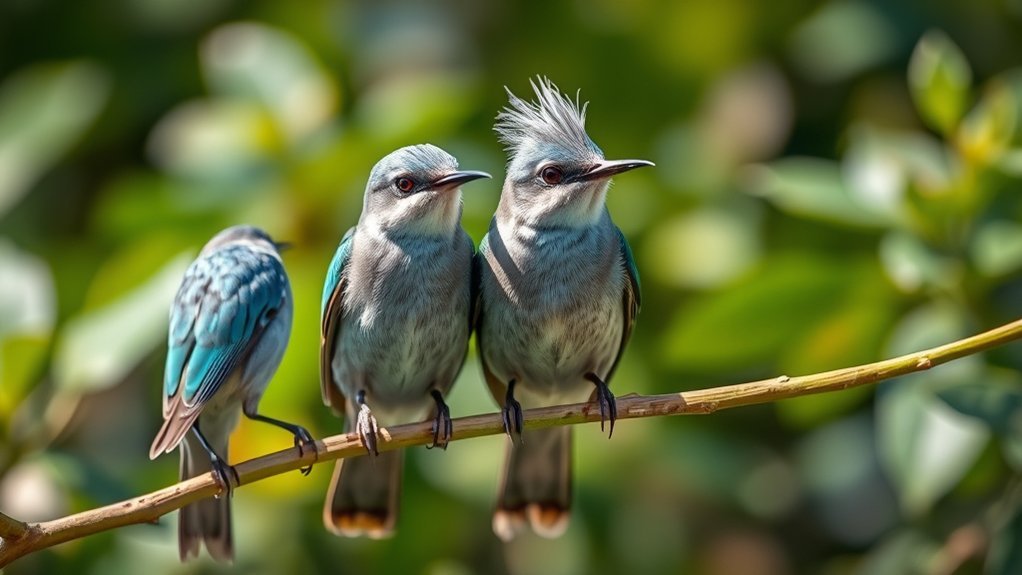
Gray Blue Birds: Identifying Unique Species
Gray blue birds are interesting and unique. Each kind, like the Slate-colored Junco and the bright Eastern Bluebird, lives in different places. They have special features and behaviors that help them survive.
Let's look at what makes these birds special. Some gray blue birds are small and shy, while others are bold and showy. They have colors that help them blend into their surroundings or stand out to attract mates.
By learning about their traits, we can understand how they fit into their homes in nature. It's exciting to see how each species plays a part in its environment. What do you think makes these gray blue birds special in their own habitats?
A Quick Overview
- The Indigo Bunting is a small bird. Males have bright blue feathers. You can find them in meadows and open woods during the breeding season.
- The Eastern Bluebird has bright blue feathers and an orange belly. They like to nest in open fields and old tree holes.
- The Steller's Jay is easy to spot because of its bright blue feathers and black crest. You often find them in coniferous forests. They are smart birds.
- The Slate-colored Junco has soft gray feathers with white tail feathers. They usually forage on the ground in open woods and bushy areas during winter.
- The Blue Jay is known for its bright blue feathers. They are bold and social birds. They communicate well and often gather in groups.
The Enigmatic Blue Jay
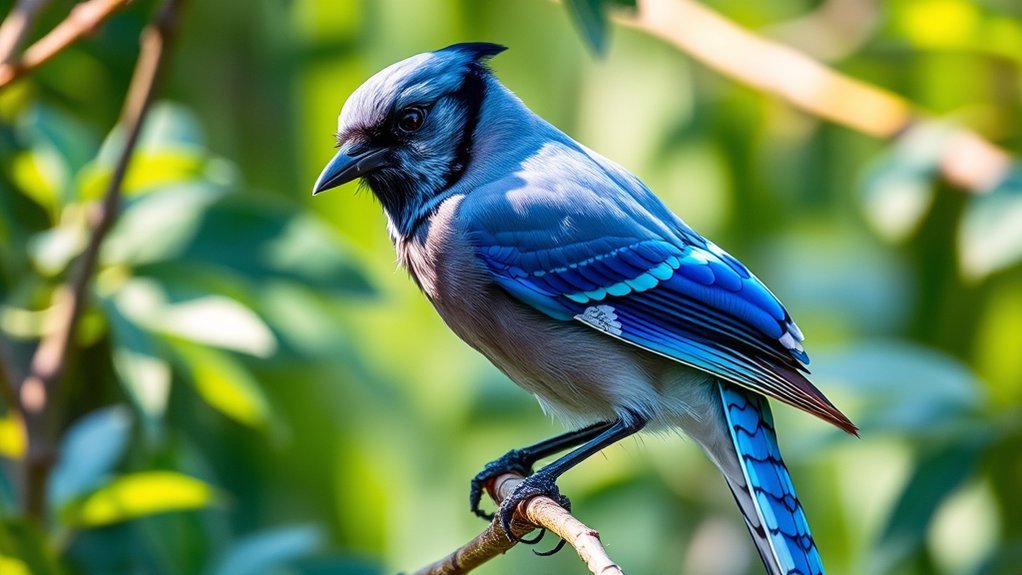
The Blue Jay is a beautiful bird with bright blue feathers. It stands out because of its color and its smart behavior.
Blue Jays are known for being bold. They interact with other birds and show off skills like imitating sounds and solving problems.
These birds make various calls to communicate with each other, which helps them form strong groups. They prefer to nest in wooded areas where they can find plenty of twigs, grass, and mud. They build sturdy nests shaped like cups.
Watching Blue Jays can help you learn about their important role in nature. They help keep the environment balanced. Observing them can make your birdwatching experience more enjoyable and rewarding.
The Elegant Slate-colored Junco
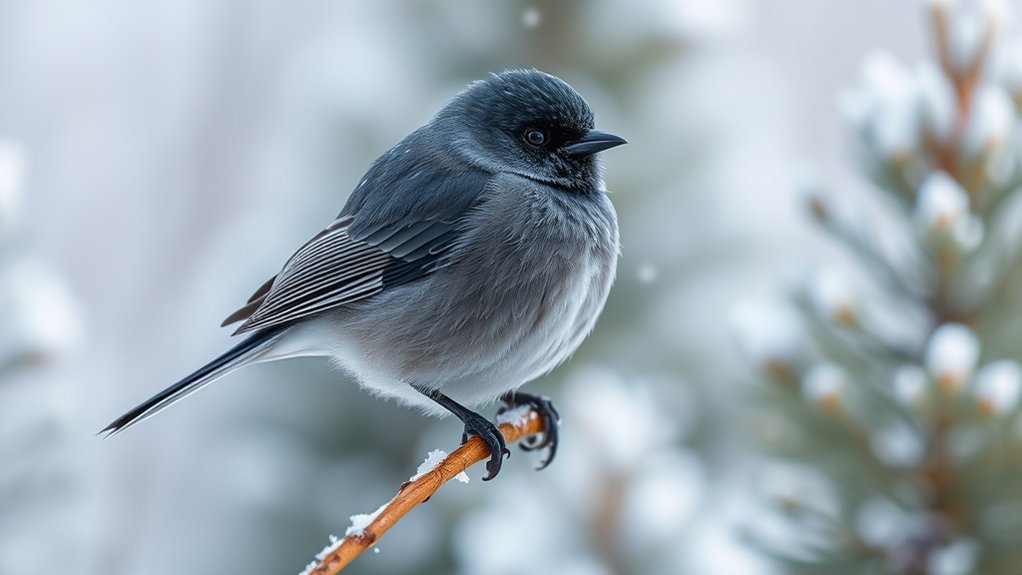
Slate-colored juncos are small birds with soft gray feathers and bright white tail feathers. You can see them all over North America in the winter. They like to live in open woods, cities, and areas with bushes.
When you watch juncos, you'll see them searching for food on the ground. They eat seeds and tiny insects. Juncos often gather in groups, and you can notice how they interact with each other.
There's a kind of teamwork in their social behavior. Their movements are quick and light, and they communicate with each other in subtle ways.
Watching these birds can be a fun experience, and it might make you curious to learn even more about them!
The Charming Indigo Bunting

The Indigo Bunting is a beautiful bird with bright blue feathers that really stands out. You can find these birds in many places, like meadows, shrubs, and open woods across North America.
They're lively and often hop from branch to branch, singing happy songs.
During the breeding season, male Indigo Buntings show off their stunning colors to attract females. This is part of their territory behavior.
While watching them, you'll see how well they adapt. They look for seeds and insects to eat, showing they can survive in many situations.
Learning about what Indigo Buntings do and where they live can help you feel more connected to nature. Watching them can be fun and make you appreciate the outdoors even more.
The Soaring Eastern Bluebird
Seeing an Eastern Bluebird is exciting for bird lovers and nature fans. This bird stands out with its bright blue feathers and orange belly. It likes open fields and trees.
Eastern Bluebirds build their nests in old tree holes or in nest boxes made by people. They enjoy places where people live, showing they can adapt to our surroundings.
In the winter, these birds fly south. They often travel alone or in small groups. As they migrate, you might see them flying above fields, looking for insects to eat.
Learning about their habits can help you feel closer to these lovely birds and make your birdwatching time more enjoyable.
The Striking Steller's Jay
The Steller's Jay is a beautiful bird that stands out with its bright blue feathers and fluffy black crest. Bird lovers really enjoy spotting this bird because it's so eye-catching.
You'll usually see Steller's Jays in places like coniferous forests, mixed woodlands, and mountains. These are their homes, where they can find plenty to eat.
Steller's Jays like to eat acorns, seeds, and insects. They're very flexible and can live in different kinds of forests.
When you watch how they behave, you'll see that they're smart and friendly. They love to explore and often do funny things. They can also copy the sounds of other birds, which is pretty cool! This playful behavior helps them connect and build friendships with each other.
Learning about where Steller's Jays live and how they act can help you appreciate them even more. It's a great way to feel closer to nature and enjoy watching these unique birds.
Frequently Asked Questions
What Habitats Do Gray Blue Birds Typically Prefer?
Gray blue birds like to live in specific places. They often choose coastal wetlands and forest edges. In these areas, they search for food among water plants. They also find safe spots in thick bushes to build their nests. This shows how they can live in different kinds of environments and need a variety of places to thrive.
How Can I Attract Gray Blue Birds to My Garden?
To attract gray blue birds to your garden, start by putting up bird feeders. Fill these feeders with seeds that these birds like. Sunflower seeds and millet are good choices. Next, plant native flowers and bushes. These plants provide food and shelter. A cozy garden makes gray blue birds feel welcome.
Keep your birdbath filled with fresh water too. Birds need water to drink and bathe. By creating this friendly space, you will enjoy watching these pretty birds visit often.
What Do Gray Blue Birds Typically Eat?
Gray blue birds eat different kinds of food. They like seeds, fruits, and insects. What they choose to eat can change with the seasons. This helps them stay healthy and keeps their homes balanced. Each meal they pick has a role in their life. These birds are smart foragers, looking for what they need to grow and survive.
Are Gray Blue Birds Migratory Species?
Yes, gray blue birds migrate. They travel long distances each year. During migration, their flight patterns change with the seasons. Watching these birds can help you learn more about their lives and homes.
How Can I Distinguish Between Male and Female Gray Blue Birds?
To tell apart male and female gray blue birds, look closely at their colors and behaviors.
Males usually have bright colors, which can help you spot them easily. Females are often more muted in color.
Watch how they act, too. Males like to show off their territory and make loud sounds. They often flap their wings and dance around to get attention. Females, on the other hand, spend more time looking for food and making nests.

Joyce is the passionate founder of Chirping Hearts, a website dedicated to sharing her love for birds and providing valuable information about avian life. With a background in ornithology and years of experience in birdwatching, Joyce aims to inspire others to appreciate the beauty and diversity of birds. Through her engaging articles and guides, she hopes to foster a community of bird enthusiasts who share her enthusiasm for these incredible creatures. When she’s not writing, Joyce enjoys exploring nature trails and observing birds in their natural habitats.


