
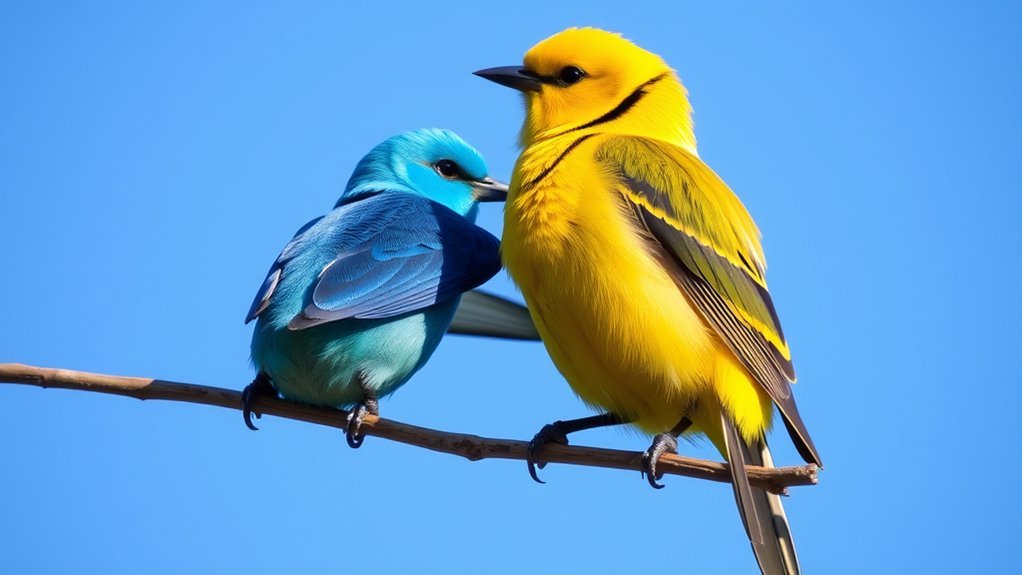
Identifying Blue and Yellow Birds: Species Overview
Identifying blue and yellow birds makes birdwatching fun and exciting. You can spot special traits in birds like the Eastern Bluebird and the Goldfinch. They both have bright colors and different homes. Knowing what to look for helps you understand their roles in nature and how they behave. This can make you feel more connected to the outdoors.
What traits will you look for next?
A Quick Overview
Here's some fun information about blue and yellow birds!
- The Eastern Bluebird is a pretty bird with bright blue feathers and orange on its belly. You can find them in open fields, and they like to make their homes in tree holes or birdhouses.
- Blue Jays are easy to spot because of their beautiful blue color and their tall crest on their heads. They are social birds and are often found in forests or neighborhoods, where they show off their cleverness.
- Indigo Buntings are especially colorful when they migrate. The male buntings have a bright blue color, and during the breeding season, they sing songs to protect their area.
- Yellow Warblers are small birds with shiny yellow feathers. They love to hang out near wetlands and rivers. The male warblers sing cheerful songs to attract mates during mating season.
- Goldfinches are bright yellow birds with little black accents. They enjoy eating seeds from plants and usually travel in small groups when they migrate in late summer.
These birds are fascinating and can be fun to watch!
Eastern Bluebird
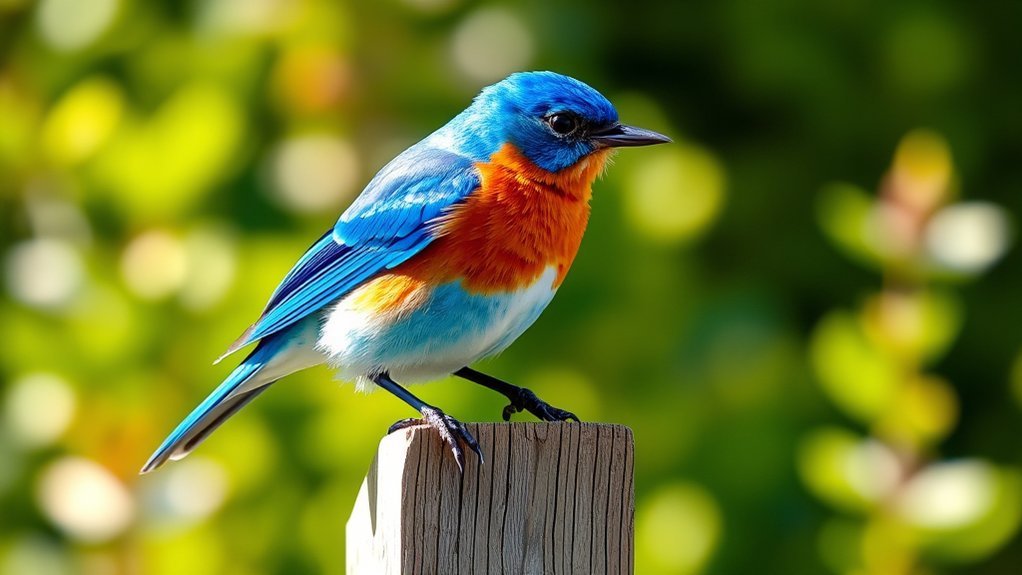
The Eastern Bluebird is a colorful bird found in North America. Birdwatchers love these birds because of their bright feathers and happy songs. You can see them in open fields, orchards, and wooded areas where they hunt for insects, their main food.
Eastern Bluebirds like to sit on low branches and fences. From these spots, they look for insects to eat. During courtship, male bluebirds show off to attract a mate. They flutter in the air and sing to impress females.
These birds build nests in tree holes or birdhouses that people put up. This helps them raise more baby birds, especially in places where natural nests are hard to find.
If you want to feel closer to nature, watch how Eastern Bluebirds behave in their favorite spots. It can make your birdwatching experience even better!
Blue Jay
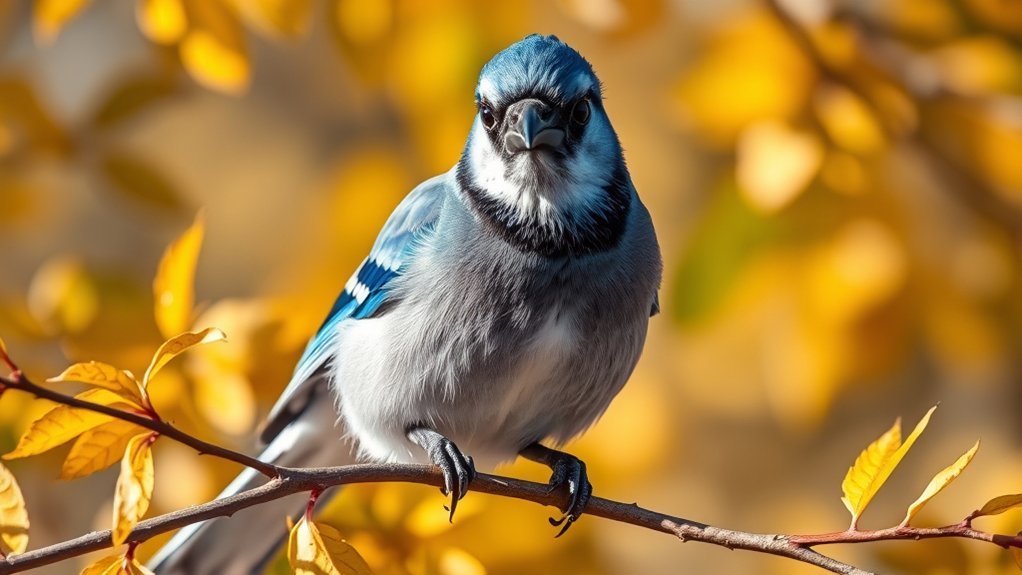
Blue Jays are eye-catching birds found in North American woods. They've bright blue feathers and a unique crest on their heads. These birds live in many places, like forests, parks, and neighborhoods. They love to eat acorns, seeds, and insects.
Blue Jays are very smart. They can solve problems and communicate with each other using different sounds. This helps them warn others about danger. Their strong personalities sometimes make them bossy during feeding times, and they often compete with other birds.
Watching Blue Jays can teach us a lot about nature. Their social behavior and clever ways of surviving show how important they're in their environment.
Appreciating Blue Jays can help us connect more with the world around us. So next time you see a Blue Jay, take a moment to enjoy its beauty and unique habits!
Indigo Bunting
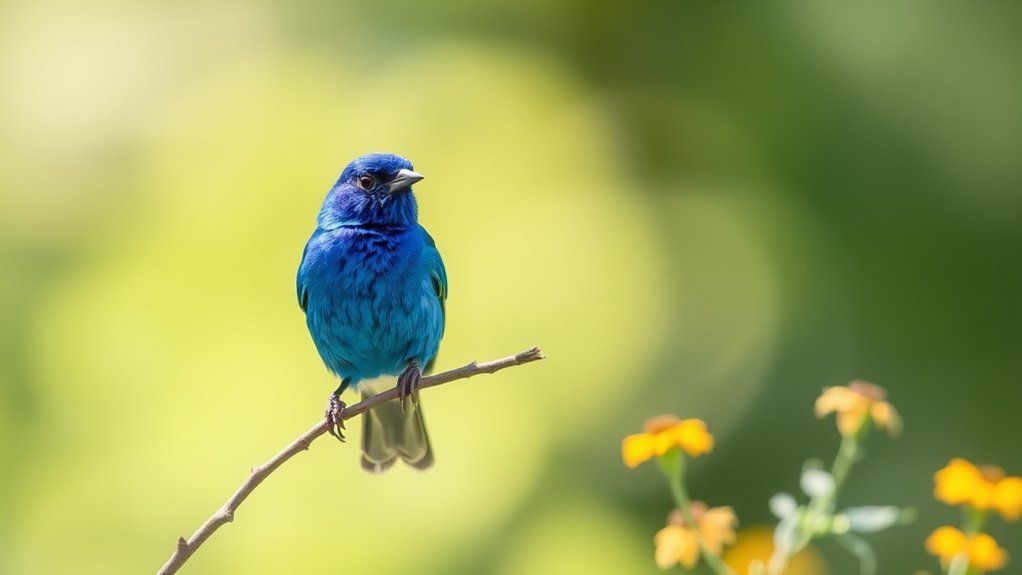
Indigo Buntings are beautiful birds found across North America, especially during migration. They like to live in open woods, fields, and bushy areas. Watching these birds can be really fun!
The males have bright blue feathers, and they sing to attract females during breeding season. They also protect their territory, showing how strong and charming they can be.
When looking for food, these birds do some cool tricks. They eat seeds and insects, using different methods to find their meals.
Learning about Indigo Buntings helps you enjoy nature more. You'll feel connected to the lively environments they call home. So, keep an eye out for these amazing birds next time you're outside!
Yellow Warbler
The Yellow Warbler is a small, bright bird that many people love to watch. With its shiny yellow feathers and sweet songs, it always brings joy to birdwatchers. You can often find Yellow Warblers in areas with bushes and water. They like places like wetlands, riversides, and thick bushes.
When you see them moving through the trees, you'll likely hear their happy song. Males sing a cheerful series of notes, especially during mating season, to attract females and show their territory.
Learning about where Yellow Warblers like to live and what they sound like can help you enjoy watching these beautiful birds even more.
Plus, it connects you with others who care about protecting these amazing creatures and their homes. So look for them in the wild and enjoy their colors and music!
Goldfinch
The Goldfinch is a cheerful little bird. It stands out with its bright yellow feathers, especially the males. They've black wings and a cute black cap on their heads. Goldfinches love to eat seeds from plants like sunflowers and dandelions. This helps them find food easily.
In late summer and early fall, they migrate. They travel in small groups, flying together in a fun, wavy way. Watching them move and feed helps you enjoy these lively birds even more.
Learning about their habits connects you to nature and the places they live.
Blue Grosbeak
The Blue Grosbeak is a beautiful bird that many birdwatchers love to see. This bird has bright blue feathers that really stand out. It likes to live in areas with lots of bushes, like fields, edges of forests, and along rivers. You can spot them more easily in the summer when they're busy nesting.
The Blue Grosbeak enjoys eating seeds, especially from beans, and it also eats insects. You might see them foraging for food in bushes or on the ground. They often hang out in pairs or small groups, making the scenery more colorful.
If you know where to look and what they eat, you can enjoy birdwatching more. Watching these birds can help you feel closer to nature and connect with other bird lovers. Seeing a Blue Grosbeak in person is a special treat!
Barn Swallow
While you watch the colorful Blue Grosbeak, keep an eye out for the Barn Swallow. This bird is known for its quick flying and unique look. You'll see it moving swiftly as it dives to catch bugs in the air. Barn Swallows help with keeping pest numbers down.
If you look closely, you might find them building their nests under eaves, inside barns, or on cliffs. They use mud to create small cups for their nests, showing how clever they are.
Once they've settled in, they protect their babies fiercely. This care builds a strong family bond.
Watching Barn Swallows can make your birdwatching experience more enjoyable. They add to the variety of birds you can appreciate.
Common Yellowthroat
The Common Yellowthroat is a small songbird that likes to hide in thick plants, especially in wetlands. You can often hear its cheerful calls before you spot it. This bird loves places like marshes, riverbanks, and overgrown fields where it can find cover.
It has a black mask on its face and bright yellow feathers on its belly, which helps with identification. However, this bird is shy, so you mightn't see it right away. Common Yellowthroats often search for bugs and berries near the ground. They make a fun "witchity-witchity-witch" sound that can fill the air around them.
During breeding season, male Common Yellowthroats sing to mark their territory. They use their songs to attract mates and show off their beautiful colors.
Knowing where they like to live and how they behave can help you find these charming birds when you're out exploring nature. Keep your ears open and enjoy the sweet sounds of the Common Yellowthroat!
Prothonotary Warbler
The Prothonotary Warbler lives in open woodlands and near swamps. With its bright blue-gray and yellow feathers, it attracts many birdwatchers. This bird makes its home in tree holes or in nest boxes that people put up.
Male Prothonotary Warblers sing songs to mark their territory and show off their colors. They want to keep their nesting spots safe.
When it's time to breed, females carefully gather materials to make their nests cozy.
As you watch them hopping between branches, listen for their unique calls. Talking to other bird lovers can help you learn more about these fascinating birds and make you feel part of a fun community that enjoys nature.
Frequently Asked Questions
What Habitats Do Blue and Yellow Birds Prefer?
Blue and yellow birds like many different places to live. They can be found in tropical forests and wide open grasslands. These birds play important roles in nature. They help pollinate flowers and spread seeds. This helps keep the ecosystem healthy. You can see them in bright and lively environments. Their colors make them stand out and bring joy to anyone who spots them.
How Can I Attract These Birds to My Yard?
To attract blue and yellow birds to your yard, put up bird feeders with seeds they like. You can use sunflower seeds, millet, and cracked corn. They love these treats!
Next, plant some native plants in your yard. Flowers and bushes that are local to your area will help bring these birds in. These plants provide food and shelter, making your yard feel like a home to them.
Keep your yard clean and make sure the feeders are full. Watch the birds come and enjoy their colorful beauty! With a little effort, you'll have a cheerful, lively yard filled with sweet birdsong.
What Are Their Migratory Patterns?
Birds have special ways of moving from one place to another. Each year, they follow the same paths and leave during certain times. They do this to find food, stay warm, and have babies.
As the seasons change, birds know when to go. They leave for warmer places in the winter and come back when it's spring. You can watch for them! Their arrivals can be exciting, and many people look forward to seeing their bright colors and hearing their cheerful songs.
Do These Birds Have Any Significant Behavioral Traits?
These birds have interesting behaviors. They dance during courtship and show off their bright feathers. Each bird has favorite foods, like certain seeds and fruits. This shows how well they can adapt to different places in nature. Watching their actions can be really fun!
How Can I Differentiate Between Similar Species?
To tell apart similar species, start by looking at their colors. Notice the differences in their feathers. Also, pay attention to how they sound. Each species often has its own unique calls or songs. With practice and careful watching, you can learn to recognize their special traits in nature. This way, you will enjoy spotting them more!

Joyce is the passionate founder of Chirping Hearts, a website dedicated to sharing her love for birds and providing valuable information about avian life. With a background in ornithology and years of experience in birdwatching, Joyce aims to inspire others to appreciate the beauty and diversity of birds. Through her engaging articles and guides, she hopes to foster a community of bird enthusiasts who share her enthusiasm for these incredible creatures. When she’s not writing, Joyce enjoys exploring nature trails and observing birds in their natural habitats.


