
How Long Do Peacocks Live? Lifespan Insights for This Stunning Bird
Peacocks usually live between 15 and 20 years. This is true whether they are in the wild or in a zoo. Many things can affect how long a peacock lives. Their health can depend on genetics, the food they eat, their living space, and the care they get.
In homes or farms, people can help peacocks live long, healthy lives. In the wild, peacocks face challenges like predators and weather. Knowing what keeps them healthy can help us learn more about how to protect them in nature. What do you think helps peacocks stay healthy and live longer?
A Quick Overview
Wild and pet peacocks usually live for 15 to 20 years. Their lifespan depends on how well they are cared for and their surroundings.
A clean and safe habitat helps peacocks live longer. If their living area is not good, they may get stressed and sick. Regular check-ups with a vet can help them stay healthy, which also helps them live longer.
Feeding peacocks a balanced diet with the right nutrients is important. Good food helps their health, makes their muscles strong, and keeps their feathers looking nice. All of this helps them live a longer life.
Taking care of the environment is also important. Protecting where peacocks live in the wild is key for their survival. Conservation efforts can help keep their homes safe and secure.
Understanding Peacock Lifespan
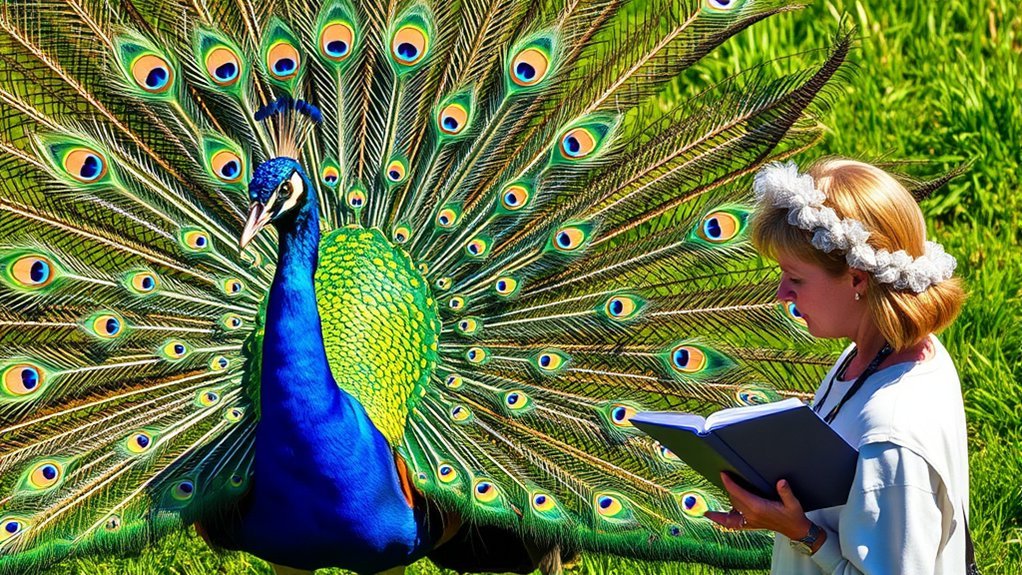
Peacocks are beautiful birds, and understanding how long they live is interesting! Their lifespan can change based on many factors. Looking at how peacocks behave can give us clues about their health. For example, how they socialize, mate, and deal with stress can affect how long they live.
Peacocks live in different places, like thick forests or open fields. Good habitats help them find food and shelter, which can help them live longer.
But, when cities grow or nature is harmed, it can hurt peacocks. Healthy environments help their populations grow.
Average Lifespan of Peacocks in the Wild
In the wild, peacocks usually live about 15 to 20 years. Many things can affect how long they live. The health of their home is very important. If they've enough food and safe places to lay their eggs, they thrive.
Peacocks also face dangers from predators like big cats, snakes, and birds of prey. These animals can shorten their lives. When peacocks sense danger, they use their instincts to survive.
Weather and environmental changes can also affect their lifespan. For example, droughts and habitat loss can make it harder for peacocks to live healthy lives.
Average Lifespan of Domesticated Peacocks
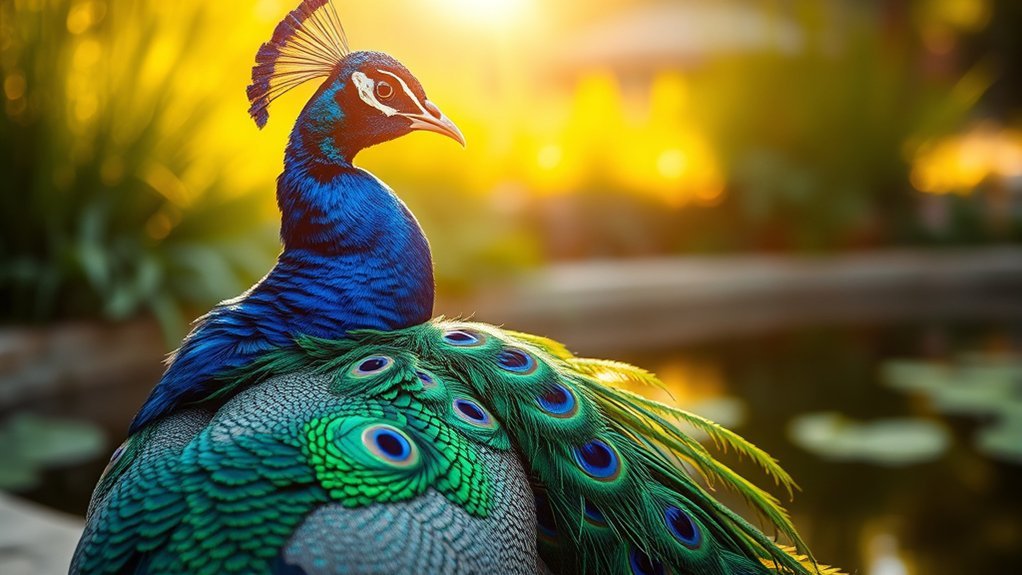
How long do domesticated peacocks live compared to wild ones? Typically, domesticated peacocks live longer, around 15 to 20 years. This is because they get good care and live in safe places.
Let's look at three reasons why they can live longer:
- Diet: Domesticated peacocks eat a healthy diet, which helps them stay strong and live longer.
- Protection: They're safe from predators and harsh weather, which keeps them healthy.
- Veterinary Care: They get regular check-ups with a vet, which helps catch any problems early and keeps them feeling good.
Factors Influencing Peacock Longevity
Domesticated peacocks usually live longer than wild ones. Their lifespan depends on a few key factors.
First, let's talk about genetics. Peacocks that come from a diverse group of genes are often healthier. This helps them deal with problems and can make them live longer.
Next, the environment is very important. Peacocks need safe homes with clean water, good shelter, and plenty of space. When they've these things, they can live longer, happier lives.
On the flip side, if their living conditions are harsh or cramped, they may get stressed or sick, which can shorten their lives.
The Impact of Diet on Peacock Health

Proper nutrition is very important for keeping peacocks healthy. What they eat affects how they look and how long they live.
Here are some key things to remember about their diet:
- Balanced Diet: Give them a mix of grains, seeds, fruits, and veggies. This keeps their nutrition balanced.
- Protein Intake: Add insects and good-quality feed. This helps them build strong muscles and have beautiful feathers.
- Calcium and Minerals: Make sure they've access to minerals and calcium. These are important for healthy bones and overall well-being.
Habitat and Its Role in Lifespan
A peacock's home is very important for how long it can live and how healthy it stays. In cities, peacocks face problems because they've less space and see people more often. This can make them stressed and sick.
Also, in some places, they've to watch out for animals that might want to eat them, especially if there aren't many places to hide.
For peacocks to breed and raise their young, they need safe places and enough food. Without these, they mightn't have babies, which makes it harder for their numbers to grow and survive over time. The changing seasons also affect their homes and food supplies, which can affect their health.
We should help protect peacock habitats. When we make sure they've good places to live, we help them live longer and healthier lives. This connection can remind us to take care of their natural homes and all the beauty they bring to our world.
Common Diseases Affecting Peacocks
Taking care of peacocks means understanding the common diseases that can affect their health.
Knowing what to look for can help you catch problems early. Here are three common diseases in peacocks:
- Infectious Bursal Disease: This is a viral sickness that can weaken a peacock's immune system. A peacock with this disease may get sick from other issues more easily.
- Coccidiosis: This disease is caused by a tiny parasite. It affects the stomach and intestines. If a peacock has coccidiosis, it might've bad diarrhea and could lose weight quickly.
- Marek's Disease: This is another viral illness. It can cause tumors and affect the nervous system. Peacocks with Marek's disease may have trouble moving and may not feel well overall.
Keeping an eye on your peacocks for these signs can help them stay healthy and happy!
Breeding Practices and Their Effect on Longevity
When you pick breeding pairs for peacocks, some choices can really help them live longer and stay healthy. One big tip is to focus on genetic diversity. This means choosing mates that aren't closely related. When you do this, you're likely to get strong, healthy babies. It also helps avoid problems from inbreeding, which can cause sickness and shorter lifespans.
Knowing how peacocks breed is also important. By creating a good place for them to mate and raise their young, you can lower their stress. Less stress means they stay healthier.
When you use good breeding practices, you help not just individual peacocks, but the whole species. So, by making smart choices, you're helping these beautiful birds have a better future.
The Importance of Exercise for Peafowl
Peafowl, like peacocks and peahens, need exercise just like we do! Keeping them active helps them stay healthy and happy.
Here are three great reasons why exercise is important for peafowl:
- Strong Muscles: Moving around helps peafowl build strong muscles. This makes it easier for peacocks to show off their beautiful feathers when they dance.
- Happy Minds: Exercising keeps their minds busy. When peafowl are active, they feel less bored and stressed. This helps them have better moods and prevents bad behaviors.
- Good Health: Active peafowl are less likely to become overweight. When they stay fit, they can live longer and enjoy a healthier life.
Adding exercise to their daily routine is a fun way to keep your peafowl lively and engaged!
Every flutter and hop helps your peafowl feel more like themselves.
Signs of a Healthy Peacock
To spot a healthy peacock, look for some simple signs. First, check the feathers. They should be smooth, full, and not have any bald spots or lots of dust.
Next, notice the colors. A healthy peacock shows bright, beautiful hues that are easy to see.
Also, watch how it behaves. A peacock that's lively and curious, with a big, animated tail, usually feels good.
Pay attention to its food habits too. A healthy peacock eats well and enjoys its meals.
Finally, look at its eyes. They should be clear and not have any discharge. This means it's likely healthy.
Tips for Caring for Peacocks
Caring for peacocks isn't too hard if you remember a few important things.
Here are some easy tips to keep your peacocks happy and healthy:
- Good Food: Feed them a mix of grains, vegetables, and insects. This helps them grow strong and keeps their feathers colorful.
- Safe Home: Build a big, safe pen for them. Make sure it keeps out bad weather and animals that might hurt them. They need space to move around and feel secure.
- Friendship: Peacocks like being around other peacocks. It's a good idea to have at least two so they can keep each other company. This helps them feel less lonely and happier overall.
Conservation Efforts for Wild Peafowl
Peacocks are beautiful birds, but they face many dangers that need our help. We can all play a part in keeping their homes safe. When we support projects that protect their natural habitats, we help them survive.
Urbanization, deforestation, and farming take away their living spaces, so it's important to speak up for ways to use land responsibly.
Programs that protect these birds also make sure there are laws to stop poaching and illegal sales. Knowing about these problems can help you connect with others who care about saving peacocks.
You can join local groups focused on conservation or take part in campaigns that raise awareness. Every little bit helps! By getting involved, you can help ensure that wild peafowl have a future full of beauty and importance in our world.
Frequently Asked Questions
Do Peacocks Recognize Their Owners Like Other Pets?
Yes, peacocks can recognize their owners. They show this by acting friendly and excited when they see you. When you feed them and spend time with them, they learn to trust you. Peacocks are smart animals, and they can build strong bonds with humans. This makes having a peacock as a pet a fun and rewarding experience.
Can Peacocks Live With Chickens or Other Birds?
Peacocks can live with chickens. However, it's important to keep an eye on how they act around each other. To make sure they get along, you need enough space for both kinds of birds.
Also, think about their food. Both peacocks and chickens need different types of food. Make sure there's enough food for everyone. Safety is key too. Provide a safe area where they can hang out without stressing each other out.
With some care and attention, peacocks and chickens can happily share a home!
What Are Common Predators of Peacocks?
Peacocks have a few main predators that can be dangerous to them. Some of these are foxes, raccoons, and birds of prey. These animals can especially be a threat to young peacock chicks.
It's important to know how these predators behave. This knowledge can help keep your peacocks safe. Make sure to watch over your peacocks and protect their home!
How Do Peacocks Communicate With Each Other?
Peacocks talk to each other using sounds and body movements. You can hear their unique calls when they want to attract a mate. They also show off their beautiful feathers to share their feelings and intentions. Watching these actions gives us an interesting look at how they interact socially. It's fun to see their colorful displays and hear their calls!
Are Peacocks Social Animals or Solitary?
Peacocks are social animals that enjoy being with others. They like to live in groups called flocks, where they can interact with each other. This social behavior helps them build connections and feel like they belong. Watching how peacocks get along can be really interesting. They communicate and play together, making their social life vibrant and fun. Being part of a group is important for peacocks and shows how much they value friendship and community.

Joyce is the passionate founder of Chirping Hearts, a website dedicated to sharing her love for birds and providing valuable information about avian life. With a background in ornithology and years of experience in birdwatching, Joyce aims to inspire others to appreciate the beauty and diversity of birds. Through her engaging articles and guides, she hopes to foster a community of bird enthusiasts who share her enthusiasm for these incredible creatures. When she’s not writing, Joyce enjoys exploring nature trails and observing birds in their natural habitats.