
Spotting Blue Birds in Ohio: A Guide for Enthusiasts
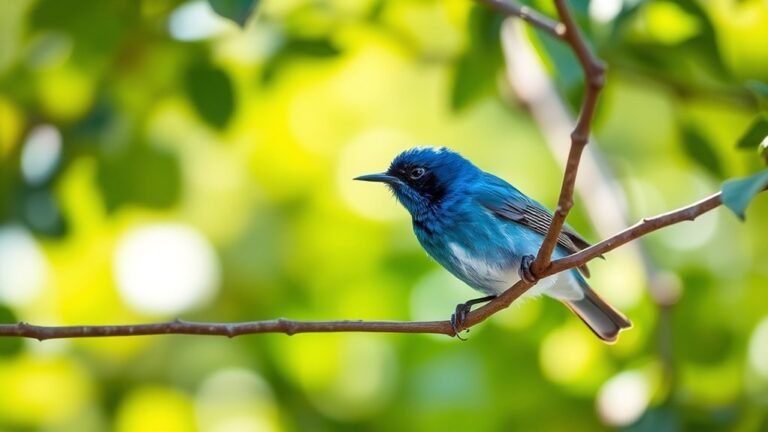
If you want to spot blue birds in Ohio, it's important to know where they live and what they like. The Eastern Bluebird loves open fields, and you can often find them sitting on fence posts. On the other hand, the Blue Jay likes to hang out in wooded areas and is known for its loud calls and bright colors.
To see these birds, you'll need to know the best times to look for them. Spring and summer are great, as many birds are active during these seasons. But don't forget that the weather and seasons can change where these birds go. Understanding their migration patterns will help you spot them more easily throughout the year.
Keep your eyes open and enjoy the beauty of watching these colorful birds!
A Quick Overview
If you want to see blue birds in Ohio, here are some great places to visit:
- Go to Cuyahoga Valley National Park or Inniswood Metro Gardens. These spots have different bird habitats and are easy to explore.
- Look for Eastern Bluebirds in open fields and meadows. They like to stay near old woodpecker holes and birdhouses.
- You can spot Blue Jays in areas with oak and hickory trees. They are very social and make a lot of noise. They often hang out in groups.
- Bring some binoculars! A pair with 8x magnification works best for birdwatching. Also, a bird guidebook can help you identify different types of birds.
- If you want to take pictures, use fast shutter speeds and wide openings on your camera. This way, you can capture clear images of blue birds.
Happy birdwatching! Enjoy the hunt and happy spotting!
The Majestic Eastern Bluebird: Habitat and Behavior
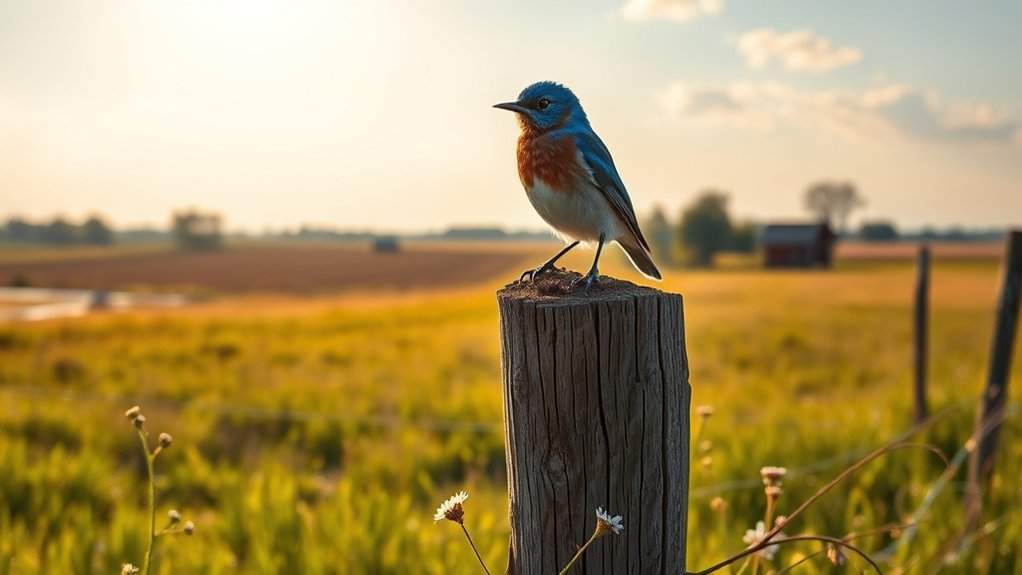
The Eastern Bluebird (Sialia sialis) is a beautiful bird. It has bright blue feathers and a warm orange chest. You can see these birds in open woodlands, meadows, and farms in Ohio.
They have interesting ways of finding mates. They often show off by flying around and singing lovely songs to attract a partner.
When it's time to nest, Eastern Bluebirds like safe, cozy spots. They often use old woodpecker holes or birdhouses. They line their nests with grasses, feathers, and plants to keep their little ones safe and warm.
Typically, female bluebirds lay three to five eggs. She incubates them for about two weeks.
Watching these birds build nests and care for their babies is a delightful way to connect with nature. It's a beautiful sight that reminds us of the wonder around us.
Understanding the Blue Jay: Characteristics and Habitat

While exploring Ohio's natural areas, you might see a Blue Jay (Cyanocitta cristata). This bird is easy to spot because of its bright blue feathers and fun personality.
Here are some cool facts about Blue Jays:
- Color: They've striking blue and white feathers with a noticeable crest on their heads.
- Behavior: Blue Jays are very social and loud. You'll often see them hanging out in groups.
- Diet: They eat a variety of foods, including acorns, insects, and small animals.
- Habitat: They like to live in oak and hickory forests, and you can also find them in suburban areas.
Blue Jays are clever birds. They can copy sounds from other birds and hide food to eat later.
Knowing about their diet and where they live makes birdwatching in Ohio more enjoyable. You can bond with other bird lovers and share your experiences about these amazing birds.
Best Birdwatching Locations in Ohio
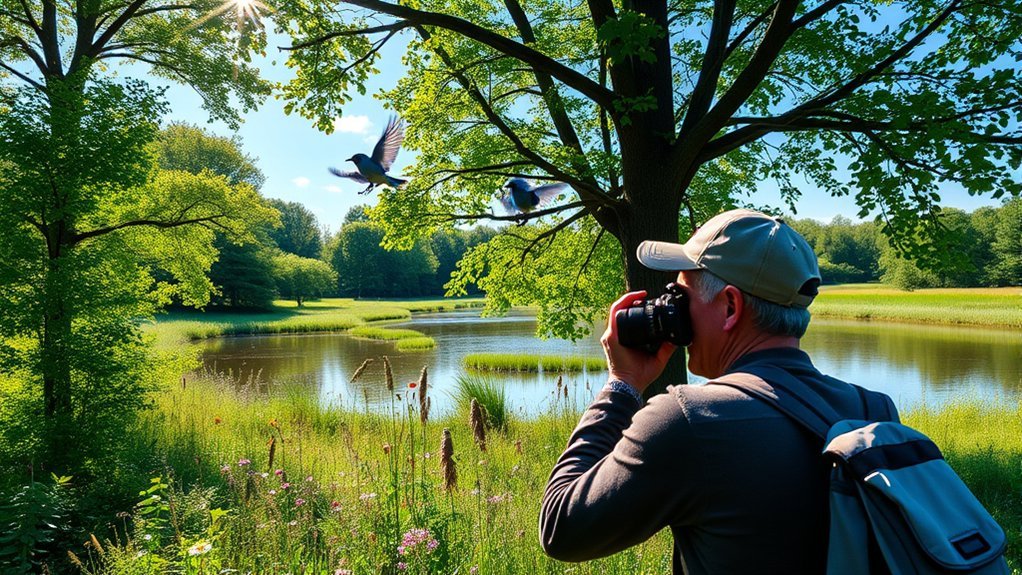
Ohio has many great spots for birdwatching. One of the best places is Cuyahoga Valley National Park. This park has different types of habitats that attract many birds, including Blue Jays.
You can walk on well-kept trails and look for birds at the best times listed in local guides.
In the city of Columbus, Inniswood Metro Gardens is another wonderful place to see birds. The gardens have native plants that draw a lot of different bird species all year long.
Lake Erie is also excellent for birdwatching, especially during migration. The water there's a great spot for watching waterfowl.
Don't forget your binoculars and a bird guidebook. Each place offers something unique. You can also meet other birdwatching fans who love to share their stories.
Enjoy your birdwatching adventures in Ohio!
Seasonal Migration Patterns of Ohio's Blue Birds
As winter ends and the days get longer, blue birds like the Eastern Bluebird and Blue Jay start their migration. This means spring is on its way! If you love birds, knowing their habits can help you enjoy their beauty even more.
- Migrant Routes: Eastern Bluebirds usually take routes along the coast from southern states. In contrast, Blue Jays tend to travel more inland.
- Timing: These birds migrate between mid-March and early May.
- Behavior Changes: You'll see them change how they look for food. They eat more insects as they get ready to nest.
- Nest Site Selection: They like to nest in open fields or orchards where there are plenty of places to perch.
Being aware of these patterns will deepen your appreciation for Ohio's blue birds during this lively season. Enjoy birdwatching!
Tips for Effective Birdwatching and Photography Techniques
To take great pictures and watch blue birds, you need some basic tools and knowledge. First, get a good pair of binoculars. Choose one with at least 8x magnification. This will help you see the details clearly. A wider field of view is also important. It helps you follow the fast movements of blue birds.
For photography, set your camera's shutter speed to at least 1/1000 of a second. This will freeze the bird's motion, so they don't look blurry. A wide aperture, like f/4 or lower, helps focus on the bird while blurring the background. Use the continuous shooting mode to take many pictures quickly.
Be patient. Stay quiet and blend in with nature. This will help you not scare the birds away.
Using these tips will make your birdwatching and photography more enjoyable. You'll also feel more connected to the beautiful nature in Ohio. Happy birdwatching!
Frequently Asked Questions
What Time of Day Is Best for Spotting Blue Birds in Ohio?
If you want to see blue birds in Ohio, the best time is in the morning. They are out looking for food and are very active then. Another good time to spot them is at sunset. Their colors look really bright when the light is lower, making it easier to see them in nature. Enjoy your birdwatching!
Are Blue Birds Common in Urban Areas of Ohio?
Blue birds are not very common in city areas of Ohio. However, you can still see them in parks and green spaces. They like open areas where they can fly and find food. If you want to spot them, be patient and keep your eyes open during your birdwatching trips. It can be fun to look for them!
How Can I Attract Blue Birds to My Yard?
If you want to attract bluebirds to your yard, start with the right feeders. Choose feeders that hold mealworms. Bluebirds love them! You can also place natural nesting materials, like pine needles, around your yard. This will help make your yard a cozy home for them. With these simple steps, you can invite bluebirds to visit and maybe even stay in your space!
Are There Any Blue Bird Festivals in Ohio?
Yes, there are bluebird festivals in Ohio! These festivals usually happen in the spring. People come together to celebrate bluebirds, enjoy fun activities, and learn more about these beautiful birds. You can check local listings for the exact dates and details. It's a great chance to connect with nature and meet other bird lovers!
What Tools Do I Need for Birdwatching Blue Birds?
To watch blue birds, you need a few basic tools. First, get a good pair of binoculars. Binoculars help you see birds clearly from a distance. Second, download a birdwatching app. These apps can help you identify blue birds and show you where to find them.
With these tools, you can enjoy watching blue birds more. You will learn about their habits and feel closer to nature. Happy birdwatching!

Joyce is the passionate founder of Chirping Hearts, a website dedicated to sharing her love for birds and providing valuable information about avian life. With a background in ornithology and years of experience in birdwatching, Joyce aims to inspire others to appreciate the beauty and diversity of birds. Through her engaging articles and guides, she hopes to foster a community of bird enthusiasts who share her enthusiasm for these incredible creatures. When she’s not writing, Joyce enjoys exploring nature trails and observing birds in their natural habitats.