
Exploring Blue and White Birds: A Guide to Their Identification
When you look at blue and white birds, their colors are important for identifying them. Each bird has its own patterns and shades that make it special. For example, a Blue Jay is bigger and has a different shape than an Eastern Bluebird. Knowing these differences helps you identify the birds and makes watching them more fun. Let's look at some common bird species and what makes them unique.
A Quick Overview
To identify blue and white birds, start by looking at their size and shape. Pay attention to their wings and body shapes. This helps you notice differences and recognize the birds easier.
Next, look at their colors and how they act. Watching how they search for food and where they build their nests can give you clues about what kind of bird they are.
Get a bird guidebook that shows birds found in your area. These books often describe the birds' homes and what they like to eat. This information can help you spot and learn about them.
Use binoculars to get a better view of blue and white birds. This can help you see their details more clearly. You can also take pictures to remember what you saw.
Join online birdwatching groups or use bird sound databases. Sharing your sightings and listening to their calls can help you identify birds more accurately and connect with other bird lovers. Happy birdwatching!
Understanding Coloration in Birds

When you watch birds, you can learn a lot from their colors. The colors help birds survive and find mates.
Birds have different kinds of pigments that create these colors. The main pigments are melanin, carotenoid, and porphyrin.
Bright colors often show that a bird is healthy and strong. This can help them attract mates. On the other hand, dull or muted colors can help birds hide from predators.
Some birds also have colors that come from small structures in their feathers. These structures can reflect light in ways that make colors shine, which you can't get just from pigments.
The Importance of Habitat
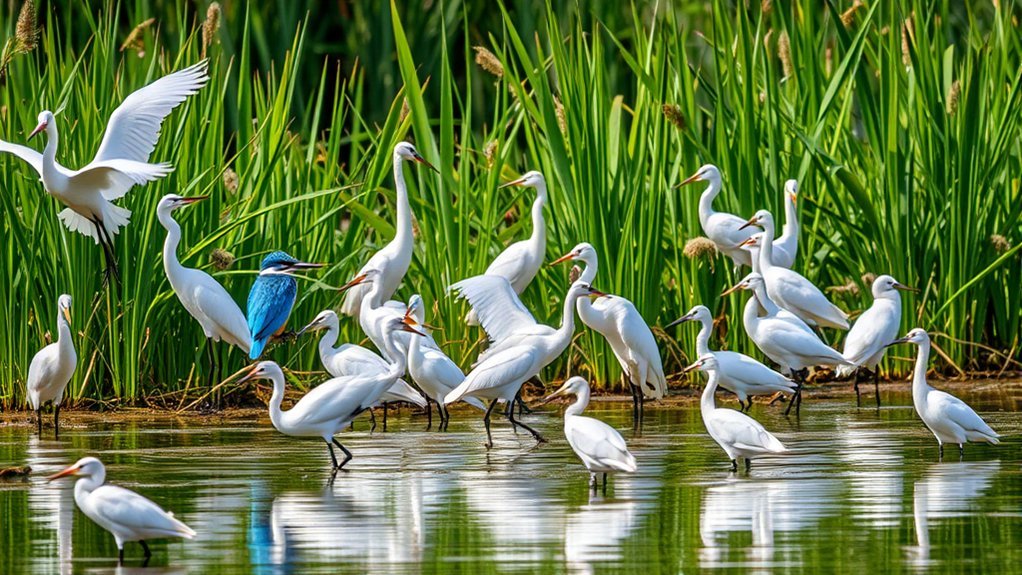
Bird colors help them attract mates and avoid danger. They also show us how their homes, or habitats, affect them. Knowing where blue and white birds like to live can make it easier to recognize them.
Here are some important things to think about:
- Nesting Spots: The places where birds make their nests tell us what kind of habitat they enjoy.
- Food: Birds need food to live. The kind of food available can change which birds live in an area.
- Seasons: Birds move around during different seasons. This shows how they adapt to changes in their habitats.
- Protecting Habitats: Keeping natural spaces safe is very important for helping birds survive.
Understanding these points makes birdwatching more fun and helps us appreciate these beautiful creatures!
Common Species of Blue and White Birds
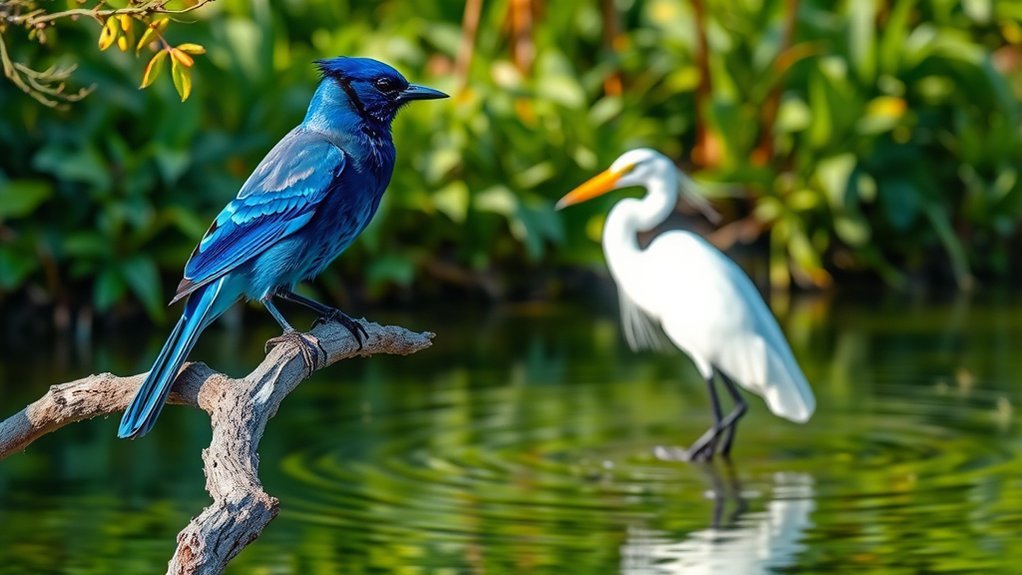
Finding blue and white birds can make birdwatching even more fun! These colors often show us interesting things about how birds live and act.
For example, the Eastern Bluebird has bright blue feathers. It often looks for food on the ground, which makes it exciting to see while birdwatching.
The Tree Swallow is another lovely bird. It has a shiny blue back and a white belly. This bird flies acrobatically in the air as it catches bugs, which is really cool to watch.
Then we've the Barn Swallow, which has a deep blue color and a forked tail. This bird likes to perch by water, making it easy to spot.
Watching these birds helps you learn more about them and can bring birdwatchers together who also enjoy nature. Keep an eye out for these beautiful blue and white birds on your next adventure!
Blue Jays: The Bold and Intelligent
Blue Jays are interesting and smart birds. They show cool behaviors and make unique sounds. Let's look at some key points about Blue Jays:
- Social Groups: Blue Jays like to hang out in groups. They care for each other and form strong friendships.
- Imitating Sounds: These birds are great at copying sounds. They can mimic calls from birds like the Red-shouldered Hawk. This helps them stay safe.
- Finding Food: Blue Jays are clever when it comes to food. They use their brains to find snacks and often hide them for later.
- Talking to Each Other: Blue Jays have different sounds. They can make loud screams or soft whistles. Each sound means something different.
Blue Jays aren't just pretty to look at; they've amazing skills that help them live and thrive in their environments.
Eastern Bluebirds: A Stellar Delight
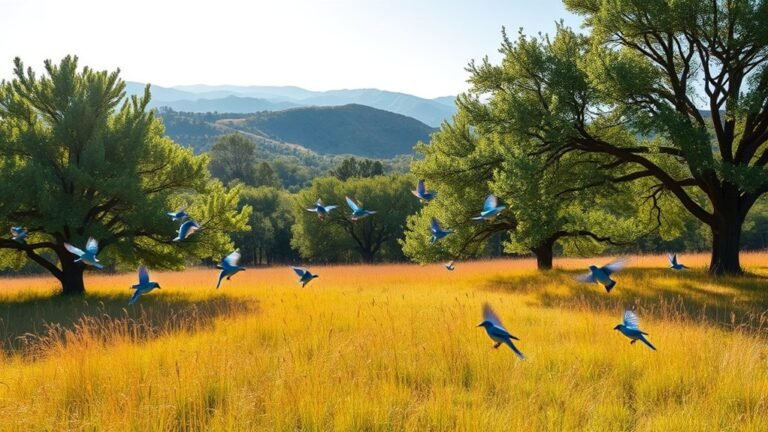
Eastern Bluebirds are a beautiful sight in meadows and open woods. Their bright blue feathers make them easy to spot. Watching their playful behaviors can be a real treat for bird lovers.
During the nesting season, male bluebirds show off with fun flying tricks to attract girls. They like to nest in tree holes or special birdhouses. A female usually lays three to six eggs in her nest.
Both parents work together to feed their young, which shows how close they are.
Seeing these birds interact can give you a good look at their family life and make birdwatching even more enjoyable.
Tree Swallows: Aerial Acrobatics
As you enjoy watching the colorful Eastern Bluebirds, keep an eye out for the fast and fun Tree Swallows flying above. These birds are like acrobats in the sky. Here's what you can spot:
- Courtship Displays: Male Tree Swallows do amazing dives and loops to impress the females during mating season.
- Nesting Behaviors: They love to use old holes made by woodpeckers or even birdhouses made by people for nesting.
- Feeding Techniques: Look out as they catch bugs while flying. They're really good at it!
- Social Interactions: Tree Swallows often gather in big groups. They play chase games, which helps keep their nests safe.
Watching these birds can help you appreciate how they live and interact with each other in nature. Enjoy their beauty and skill!
Barn Swallows: Graceful Flyers
If you look up at the sky, you might see Barn Swallows flying gracefully. They've long, pointed wings and forked tails that make them stand out.
These birds aren't just pretty; they're smart too. They like to build their nests in safe spots, usually using mud. You can often find their nests under the eaves of buildings or bridges.
Barn Swallows are great at catching food. They fly high and grab insects from the air. This shows how quick and skilled they are.
They also like to eat in groups, flying together in fun patterns. When you watch them, it's easy to see how special they are.
Barn Swallows play an important role in nature. By learning about them, you can appreciate them even more!
Leucistic Birds: Nature's Oddities
After admiring the beauty of Barn Swallows, you might wonder about another interesting type of bird: leucistic birds. These birds are special because they've lighter colors due to a genetic change that affects how they produce pigment.
Seeing them can be exciting, and birdwatchers often enjoy spotting them.
Here are some important things to know about leucistic birds:
- Their skin and feathers look white or very light.
- Their eyes can be blue or have a little color.
- Sometimes, they've patches of normal colors.
- Leucism is different from albinism because the birds don't completely lack color.
Learning about these unique birds can help you appreciate the surprises nature has to offer and the variety found in bird species.
Identifying Blue and White Birds by Size and Shape
When you want to identify blue and white birds, it's all about size and shape. First, think about how big the bird is. For example, the Eastern Bluebird is smaller than the Blue Jay. Look at the wings and body length. These details help a lot with figuring out which bird you see.
Next, pay attention to the bird's shape. The way it looks from a distance can tell you a lot. For instance, a Barn Swallow has a stocky body, while a Tree Swallow is longer and leaner.
Also, check the wings. Birds with pointed wings, like Swifts, are quick. Birds with wider wings can glide better.
Tips for Successful Birdwatching
To have a great time birdwatching, it's important to get ready and use good techniques that help you see different birds. Make sure you have the right gear so you're comfy and ready to explore.
Here are some simple tips to help you out:
- Pick the Best Time: Go birdwatching in the early morning or late afternoon. This is when birds are extra active and easier to see.
- Use Good Binoculars: Get a nice pair of binoculars. They help you see faraway birds really clearly.
- Be Patient: Stay still and quiet. If you move around too much, birds might get scared and fly away.
- Write Down What You See: Keep a journal or use an app to note the birds you observe. It helps you remember what you saw and notice any patterns.
Resources for Birdwatchers
Before you head out on your birdwatching adventures, it's good to have some helpful resources.
First, get some good birdwatching tools like binoculars and cameras. These tools help you see and take pictures of birds clearly.
Next, find field guidebooks. These little books are great for learning about different birds. They tell you how to identify birds, what they like to eat, and where they live. It's best to pick guidebooks that focus on your area, so you can learn about the birds around you.
You can also use online databases and apps. They share news about bird sightings and sounds. This helps you connect with other bird lovers.
Frequently Asked Questions
How Do Weather Conditions Affect Bird Coloration?
Weather conditions have a big effect on how birds change their colors. Each season, birds can look different because of changes in temperature and light. These changes can affect their hormones, which then change their feathers. This helps birds hide better in their surroundings or attract a mate.
When it's warm and sunny, some birds show bright colors. In colder months, their colors might get duller to help them blend in. Birds use these color changes to survive and to find partners. Weather plays a key role in this process, helping birds adapt to their environment. So, next time you see a bird, think about how the weather might be changing its colors!
When Is the Best Time to Spot Blue and White Birds?
The best time to see blue and white birds is in the spring. That's when they travel back to their homes to breed. If you go out early in the morning, your chances of spotting these beautiful birds are even better. So grab your binoculars and enjoy the sights!
What Other Colors Blend With Blue and White in Birds?
When you look at birds, you'll often see colors like blue and white mixing with yellow, gray, or black. These colors help make bird feathers look nice and easier to recognize. You might spot a bluebird with a white belly and a touch of yellow on its wings, or a black-capped chickadee with blue-gray tones. These color blends make birds more interesting and fun to watch. Understanding these color combinations can also help you tell different birds apart!
How Can I Attract Blue and White Birds to My Backyard?
To attract blue and white birds to your backyard, you can do a few simple things. First, set up bright bird feeders. Fill them with seeds that these birds like, such as sunflower seeds or millet. Next, make sure to have fresh water available. A birdbath is a great choice. Birds need water to drink and to splash around in.
Also, consider planting native shrubs and flowers. These plants provide food and shelter for birds. When you create a cozy space, the birds will feel safe and happy to visit your yard.
With a little effort, you can enjoy the beauty of blue and white birds right outside your window!
Are There Blue and White Birds That Migrate?
Yes, some blue and white birds migrate. Two examples are the Eastern Bluebird and the Barn Swallow. These birds travel to different places during certain times of the year. If you want to attract these birds to your yard during migration, you can make your backyard a welcoming spot.
You might plant colorful flowers, put up bird feeders, or provide water. This way, the birds will find a cozy place to rest and eat. Watching these beautiful birds can be a fun and enjoyable experience!

Joyce is the passionate founder of Chirping Hearts, a website dedicated to sharing her love for birds and providing valuable information about avian life. With a background in ornithology and years of experience in birdwatching, Joyce aims to inspire others to appreciate the beauty and diversity of birds. Through her engaging articles and guides, she hopes to foster a community of bird enthusiasts who share her enthusiasm for these incredible creatures. When she’s not writing, Joyce enjoys exploring nature trails and observing birds in their natural habitats.