Baby Hummingbirds: What You Need to Know About Their Care
Caring for baby hummingbirds can be both a challenge and a joy. These tiny birds have special needs, and understanding them is important for their survival. You need to be aware of their diet and where they live. Every detail matters. You will also notice their signs and behaviors, which help you see if they are healthy.
What do you need to do to help these little creatures? Let's go over the key parts of their care.
First, their food is very important. Baby hummingbirds drink nectar, which is a sweet liquid from flowers. You can make a simple food mix using four parts water to one part sugar. Boil it, let it cool, and fill a feeder or drop it on a cotton ball for them.
Next, think about where they live. Baby hummingbirds need a warm and safe place. A small box or a soft cloth can work well. Make sure it is in a quiet area, away from pets and loud noises.
Also, watch them closely. If they fluff their feathers or open their beaks wide, they might be hungry. Feed them often to keep them strong.
By following these steps, you can help baby hummingbirds grow strong and healthy. It's an exciting experience to watch them thrive!
A Quick Overview
Baby hummingbirds need special food to grow strong. You should mix one part sugar with four parts water to make their nectar. They need feeding every 20 to 30 minutes.
The mother hummingbird builds a soft nest. This nest keeps the baby birds safe while they grow. The mother also provides warmth and food, which are important for their survival.
To know when a baby hummingbird is ready to fly, watch its behavior. If it can fly short distances and looks active, it is time to set it free.
After they leave the nest, you can help them by planting native flowers and providing water sources. This will keep them healthy and happy.
Understanding Baby Hummingbirds: Their Life Cycle and Behavior
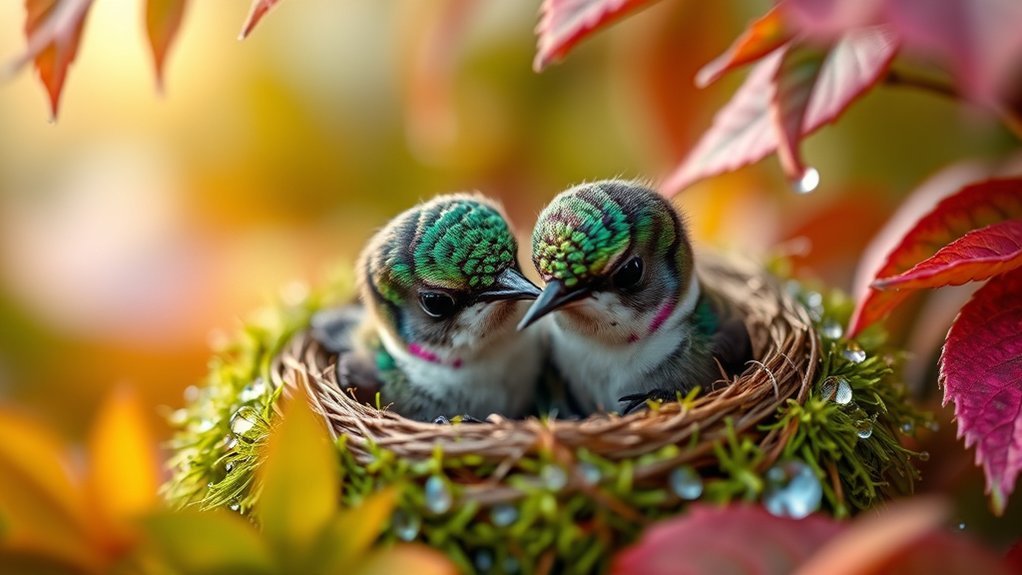
When you see a baby hummingbird for the first time, you might be amazed by how tiny it's and how bright its colors are. To take care of these little birds, it helps to know about their life cycle and behavior.
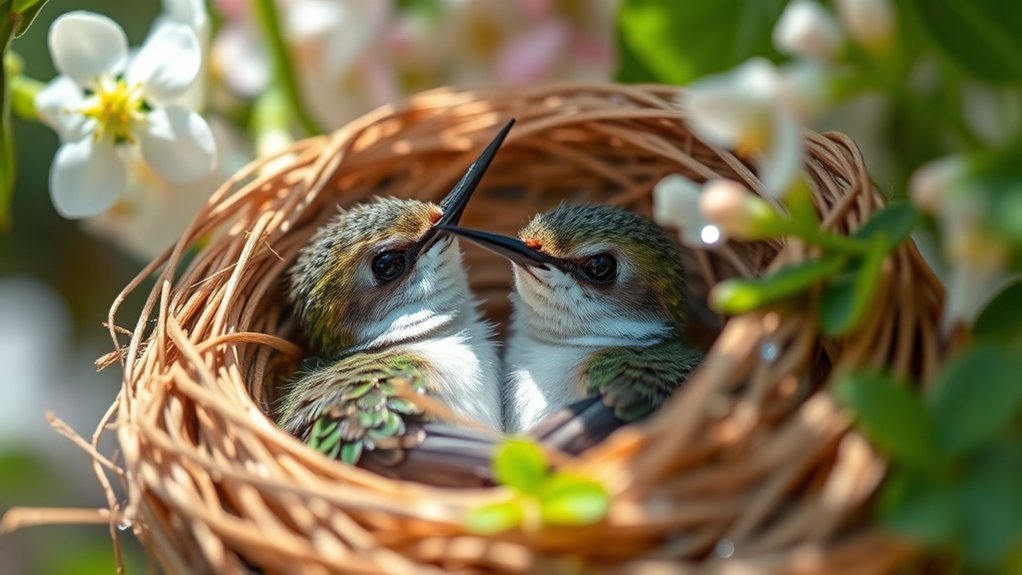
Baby hummingbirds often nest in safe places, away from bad weather. They make their nests using soft materials like spider silk and feathers. The mom hummingbird is very skilled at building and caring for the nest. She does it all by herself.
During the first few weeks, the mother shows a lot of love for her babies. She feeds them a special mix of nectar often. You can see how carefully she watches over them, keeping them warm and safe.
This care is really important for their growth. By watching these small birds, you'll see how delicate they are. You'll also understand how much effort it takes to care for them well.
Baby hummingbirds need your attention and kindness to grow strong!
Identifying a Baby Hummingbird: Signs and Characteristics
Identifying a baby hummingbird can be exciting and fun! Here are some simple ways to tell if you've found one.
First, look at its size. Baby hummingbirds are very small, usually only 2 to 4 inches long. They don't have the bright colors that adult hummingbirds do. Instead, you might see soft, fluffy down feathers as they're still growing their real feathers.
Next, check out their wings. Baby hummingbirds have short and rounded wings that are just starting to develop. Their beaks are also smaller and not fully grown yet.
You may notice them sitting quietly. They often wait for their parents to bring them food and keep them warm.
Essential Diet for Baby Hummingbirds
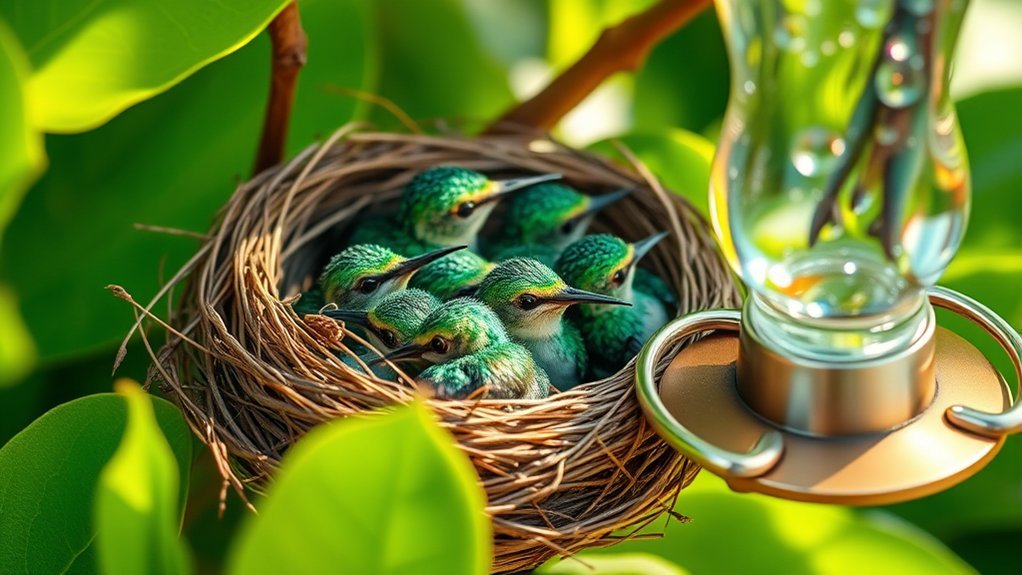
If you find a baby hummingbird, it's very important to know how to feed it. These little birds need food that's mostly natural nectar. You can make safe nectar by mixing one part white sugar with four parts water. Just boil the mixture and let it cool down.
When you feed the baby hummingbird, do it every 20 to 30 minutes during the day. They need a lot of energy to grow, so make sure they're getting enough food.
You can also give them tiny insects or some protein, but nectar is the most important part of their diet.
Taking care of these tiny birds can really help them survive. Every drop you feed them counts!
Creating a Safe and Comfortable Environment
Creating a safe and cozy home for a baby hummingbird is really important. First, choose a safe spot for its nest. Use soft materials like cotton or little fibers to make it comfy and warm. Make sure the nest is safe from animals that might eat it and from bad weather.
Next, keep the temperature just right. The best temperature for a baby hummingbird is about 85°F (29°C). You can use a heat lamp to help keep it warm, but don't place it too close to the nest. We don't want it to get too hot.
It's also important to keep the area quiet. Limit loud sounds and movements around the nest. This will help the baby bird feel safe.
Feeding Techniques for Baby Hummingbirds
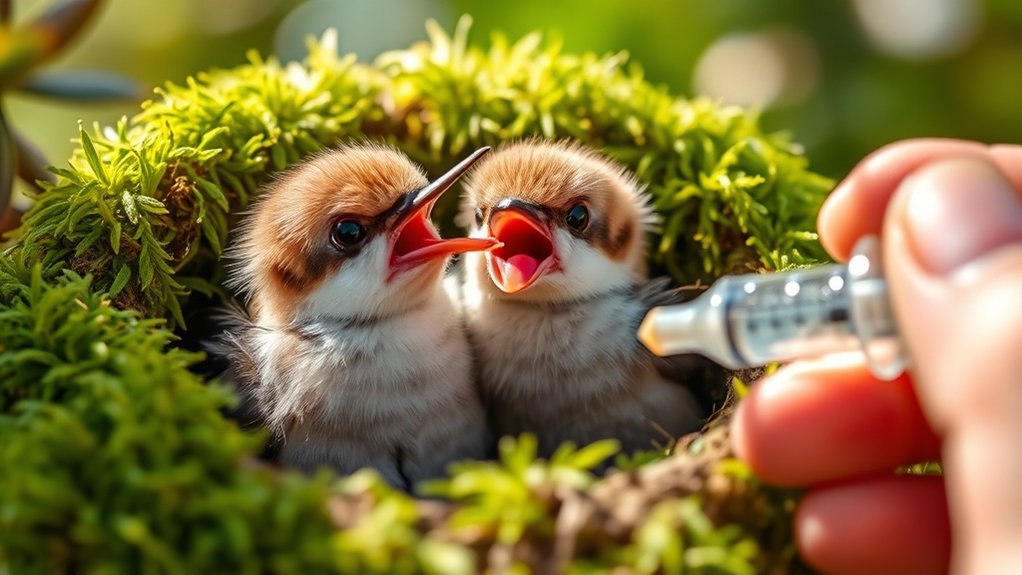
Feeding a baby hummingbird is important for its health and growth. Here are some simple steps to follow:
- Make Sugar Water: Mix four parts water with one part sugar. Stir it well until the sugar is all gone. This mixture is food for the baby bird.
- Use the Right Tool: A clean dropper or syringe is best for feeding. This way, you can control how much the bird gets and it helps prevent choking.
- Feed Often: Baby hummingbirds usually need food every 20 to 30 minutes. Keep an eye on them and be ready to feed when they ask for it.
With a little care, you can help these tiny birds grow strong and healthy!
Health Concerns: Common Issues and How to Address Them
Caring for a baby hummingbird can be fun, but it's important to pay attention to their health. One common issue is feather loss. This can happen if the hummingbird is stressed, doesn't eat the right foods, or is sick.
Make sure you give your little bird a healthy diet to help its feathers grow strong.
Another issue to watch for is tummy problems. If your hummingbird isn't eating well or seems tired, it might've a digestive issue. You can help by giving it different types of nectar and protein.
It's also a good idea to keep the feeding area clean.
Watch your hummingbird closely. If you notice any problems early, you can take action and help your feathered friend stay happy and healthy.
Your care makes a big difference and helps build a special bond with your hummingbird!
When to Seek Professional Help
How can you tell when to get help for your baby hummingbird? Sometimes, it's really important to ask for help. Here are three signs to watch for:
- Not Eating: If your baby hummingbird isn't eating or drinking, you should talk to a vet. They need food and water to live.
- Injuries or Illness: If you see cuts or if the bird seems very tired or acts differently than usual, it needs a vet's care. This can help prevent more problems.
- Not Growing: If the baby hummingbird isn't gaining weight or getting bigger, it might need special help to grow strong.
Always trust your feelings. If you're unsure, it's better to ask an expert to help your little bird.
Tips for Releasing Baby Hummingbirds Into the Wild
Once your baby hummingbird is strong and healthy, it's time to think about letting it go back into the wild. Pick a nice day with mild weather and little wind, especially early in the morning when flowers are blooming and food is available.
Before you release the bird, watch how it behaves. It should be able to fly short distances and look lively. Choose a good spot with lots of nectar-rich flowers and places to hide.
Gently place your hummingbird on a branch. Give it some time to get used to its new surroundings. Don't hover around it too closely; you want it to learn to be independent.
With patience, you can help this tiny bird find its way back home in nature. It will feel connected to its environment again, which is a beautiful thing to witness.
Building a Habitat: Supporting Hummingbirds in Your Garden
Creating a nice home for hummingbirds can make your garden lively and full of color.
Here are some simple tips to bring these beautiful birds to your yard:
- Plant Native Flowers: Pick flowers like columbine, salvia, and trumpet vine. These flowers give hummingbirds sweet nectar and make a great snack.
- Add Perches: Put up trellises or arbors. These structures give hummingbirds a place to rest and look around.
- Add Water: Set up bird baths or small fountains. Hummingbirds need water to drink and enjoy splashing around.
By following these tips, you can create a fun and welcoming place for hummingbirds in your garden!
Enjoy watching them buzz around!
Frequently Asked Questions
How Can I Tell if a Baby Hummingbird Is Healthy?
To tell if a baby hummingbird is healthy, look at a few key signs. First, check its weight. A healthy baby should feel strong and full. Next, watch how it eats. A good appetite means it is getting the nutrition it needs.
Look at its feathers too. Healthy feathers are smooth and well-formed. This shows that the baby bird is growing properly. If you notice good weight, eating habits, and feather growth, the hummingbird is likely doing well. Make sure it is strong and active in its little nest.
What Should I Do if I Find a Fallen Baby Hummingbird?
If you find a fallen baby hummingbird, here's what to do:
- Pick It Up Gently: Use your hands or a small cloth. Be careful so you don't hurt it.
- Check for Injuries: Look for signs like bleeding or broken wings. If it seems hurt, you may need to get help.
- Care for It: If the bird seems okay, keep it warm and safe. You can place it in a small box lined with a soft cloth.
- Feed It: Baby hummingbirds need special food. You can give it a mix of sugar and water or find special nectar from a pet store. Use a small dropper to feed it.
- Get Help: It's important to contact a wildlife rehabilitator. They know the best way to care for baby birds and will help it get back to the wild.
Can I Keep a Baby Hummingbird as a Pet?
You can't keep a baby hummingbird as a pet. They need special homes and specific foods to stay healthy. Taking care of them at home is very hard. Instead, enjoy watching them in nature. You can help them by supporting local environments where they live. This way, you help hummingbirds thrive and stay safe!
What Predators Threaten Baby Hummingbirds in the Wild?
Baby hummingbirds face many dangers in the wild. Birds like crows and jays often hunt them. Snakes and larger animals can also harm their nests. Knowing these threats helps us protect these tiny birds.
How Long Does It Take for Baby Hummingbirds to Learn to Fly?
Baby hummingbirds need about three weeks to learn how to fly. During this time, you can watch them flap their tiny wings. They practice a lot, gaining strength and confidence. Soon, they'll be zooming around freely, showing off their flying skills. It's amazing to see their progress!

Joyce is the passionate founder of Chirping Hearts, a website dedicated to sharing her love for birds and providing valuable information about avian life. With a background in ornithology and years of experience in birdwatching, Joyce aims to inspire others to appreciate the beauty and diversity of birds. Through her engaging articles and guides, she hopes to foster a community of bird enthusiasts who share her enthusiasm for these incredible creatures. When she’s not writing, Joyce enjoys exploring nature trails and observing birds in their natural habitats.