Bird Introduction: Carolina Wren Characteristics and Habits
The Carolina wren is an interesting bird to watch. It has warm brown feathers and a happy sound. You might hear its unique "tea-kettle" call in bushes or trees. Carolina wrens live in different places. They can be found in forests, gardens, and near homes.
These small birds have some cool behaviors. They like to search for food by hopping around on the ground. They also choose smart spots to build their nests, often using items like grass and twigs. Learning about their habits helps us see how they adapt to different surroundings. What makes the Carolina wren so tough and able to live in many places?
A Quick Overview
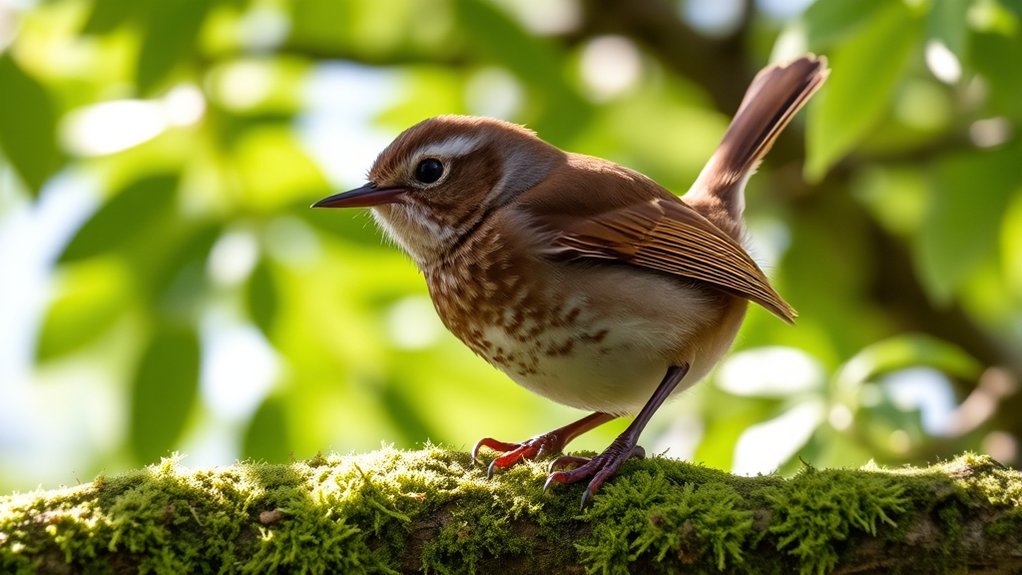
The Carolina wren is a small bird. It measures about 4.5 to 5.5 inches long. Its feathers are warm brown, and it has a lighter, buff-colored belly.
Carolina wrens have a cheerful call that sounds like "tea-kettle." Male wrens sing this song to attract mates and for talking to other wrens.
These birds like to live in dense, bushy areas. They are happy in both forests and cities but do not like open lawns.
Their diet mainly includes insects and spiders. In the colder months, they also eat seeds and berries.
Carolina wrens build their nests in thick bushes or in man-made structures. Both parent birds help take care of the eggs and feed the chicks.
If you ever hear a happy "tea-kettle" sound in your yard, you might just spot a Carolina wren nearby!
Physical Characteristics of the Carolina Wren

The Carolina wren is a small, cheerful bird that stands out because of its features.
It's about 4.5 to 5.5 inches long, making it easy to spot among other birds. The feathers are a warm brown color, with darker streaks on its wings and tail, which look really nice. The belly is lighter, often a soft buff color, which adds to its charm.
This bird has a sturdy body and a fairly long tail, making it look lively and fun. Watching the Carolina wren can fill you with joy and wonder.
Its special size and beautiful colors show how nature is amazing. If you love birds, you'll surely enjoy seeing this delightful little creature!
Vocalizations and Communication
Carolina wrens are small birds that are easy to spot, thanks to their unique looks and lively sounds. Bird watchers love to listen to them because their singing is fun and interesting.
These birds make a cheerful "tea-kettle, tea-kettle, tea-kettle" call, which you can hear a lot during mating season. The male uses this sound to let others know he's around.
Besides this catchy call, Carolina wrens have many other chirps and whistles. They use these sounds to warn each other, attract mates, or show that they're in charge.
Watching how Carolina wrens communicate through their songs can help you really appreciate them. Their vocal sounds play an important role in their social lives and connect them to the lively environment they live in.
It's a great reminder of how all living things are linked together!
Habitat Preferences

Carolina wrens are great at living in different places. They like both forests and cities. These birds want spots with lots of bushes and small trees. These places help them hide and make nests.
You can see Carolina wrens looking for food in your garden or near piles of sticks, where they find insects and seeds. In cities, they often live in parks or backyards with plenty of plants. This shows that they can adapt well to areas where people live.
If you want to attract Carolina wrens to your space, you can make your garden welcoming. Plant some shrubs and keep parts of it natural. This will help these lively birds feel at home and add joy to your outdoor time.
Diet and Feeding Habits
Carolina Wrens are fascinating birds that eat a variety of foods based on what's available in their surroundings. They mainly eat insects, spiders, and small invertebrates. You can often see them searching for food in leaves on the ground. They use their sharp senses to find hidden snacks.
These birds have fun ways of finding food. They hop around, scratch at the dirt, and peck in small spaces.
In the spring and summer, they love to eat caterpillars and beetles. When it gets colder, they switch to seeds and berries. This mix of foods helps them stay healthy, and their ability to find different meals shows how resourceful they are.
Watching Carolina Wrens as they forage is a true delight!
Nesting Behavior and Reproduction

Carolina Wrens are small birds you might see hopping around gardens. They're clever and can live in many places.
These birds build nests in thick bushes, and sometimes even in garages or other human-made spots. They use things like leaves, grass, and even bits of plastic for their nests.
Usually, it's the female wren that makes the nest and lays 3 to 7 eggs in it.
Both the mom and dad take turns keeping the eggs warm and feeding the baby chicks. This teamwork helps their young survive and makes their family strong.
Migration Patterns
How can you spot migration patterns in Carolina Wrens? It starts with watching their migration timing. These birds usually move when temperatures drop and food gets scarce. Typically, they travel from northern nesting areas to warmer southern spots for the winter.
Look for them flying in late summer and early fall. They often follow paths along rivers and through forests. You might see groups of them searching for food together, which shows they're getting ready for their journey.
Listen for their calls, too! If they're singing more, that might mean they're getting ready to travel together as a flock.
Social Behavior and Territory
Carolina Wrens are interesting birds. They're famous for their beautiful songs, but their social behavior and how they act with each other is also fun to watch.
In the fall and winter, these birds often gather in small groups. They enjoy being with their friends during the colder months. However, when spring comes, they usually split up. Some birds find a mate and become very protective of their space. Their territory can be about 0.5 acres wide. They use their songs and calls to mark where their home is.
If another bird comes too close, you might see a lively fight. These fights can include flapping, flying around, and showing off.
Even though Carolina Wrens are small, they care a lot about their community. They form strong bonds with their flock, while also being tough during breeding season. Watching them can be very entertaining!
Predators and Threats
Carolina Wrens are small birds that face many dangers in the wild. Predators like cats, snakes, and hawks can easily catch them. When people are nearby, the wrens might change their behavior, making it harder for them to stay safe.
Another big danger for Carolina Wrens is losing their homes. As cities grow and forests get cut down, these birds lose places to find food and build nests.
If you see Carolina Wrens in your backyard or at a park, remember how tough it's for them. Learning about their challenges helps you appreciate them more.
You can even help them by making your backyard a safe place. Enjoy watching these lively birds and think about how you can support their survival!
Conservation Status
Carolina Wrens are currently not in danger, according to conservation groups. However, their numbers are facing some challenges that could affect their future. One big problem is habitat loss. This happens mostly because of urban development and farming, which take away the places where the wrens live and find food.
To help Carolina Wrens, we can focus on protecting and improving their habitats. These spaces are important for nesting and foraging. You can get involved by supporting local projects that restore native plants and create green areas. These actions can make a real difference.
It's also important to keep an eye on their populations. This way, conservationists can quickly notice if their numbers start to drop. By joining in these efforts, you connect with nature and help keep Carolina Wrens safe for the future.
Role in Ecosystem
Carolina Wrens are important for their surroundings. They eat many insects like caterpillars, spiders, and beetles. This helps keep bug numbers down, which is good for plants. By controlling pests, they help maintain a healthy environment.
While searching for food, these wrens sometimes help flowers too. They can carry pollen from one flower to another. This helps plants grow and makes the ecosystem stronger.
When you see Carolina Wrens in your backyard, remember that they play a big role in nature. They help different plants and animals work together.
How to Attract Carolina Wrens to Your Yard
To attract Carolina Wrens to your yard, you need to create a comfy home for them.
Start by planting native shrubs and bushes. These plants give the birds places to hide and search for food. You can also put out bird feeders filled with mealworms or suet, which are tasty high-protein snacks that Carolina Wrens love.
Make sure to add some cozy spots for them to nest. Birdhouses or piles of sticks can work well. Wrens like areas that look natural, so don't worry about keeping your lawn too neat.
Planting flowers and shrubs that attract insects can help, too. This provides food for the wrens to find.
Frequently Asked Questions
What Is the Lifespan of a Carolina Wren in the Wild?
The Carolina Wren usually lives for about 2 to 3 years in the wild. Many things can affect its life, like dangers from the environment, predators, and losing their homes. These challenges can make it harder for them to survive and might shorten their lifespan. Despite these struggles, Carolina Wrens show great adaptability in their lives.
Do Carolina Wrens Have Any Unique Behavioral Traits?
Carolina wrens are interesting birds with special ways of finding food. They often flip over leaves to look for insects hiding beneath them. This clever foraging helps them locate tasty treats.
When it comes to nesting, Carolina wrens are very good at picking safe spots. They like to choose hidden areas, which helps them protect their nests from danger. This ability to adapt makes them successful in different environments.
How Do Carolina Wrens Cope With Harsh Weather?
Carolina wrens handle tough weather by building nests that keep them warm and safe. They often find natural holes or thick bushes to stay cozy. When it gets cold, they also look for food, like insects and seeds, to help them survive. This smart way of living helps them stay strong even when the weather is rough.
What Are the Distinguishing Sounds of a Carolina Wren?
Carolina wrens are known for their happy and lively songs. They make a variety of sounds that fill the air around them. You can hear a series of clear notes that show how bright and cheerful they are in their homes. Their songs are like a little musical show, bringing joy to anyone nearby. If you listen closely, you might even catch them singing different tunes throughout the day. These cheerful birds definitely know how to make their presence known!
Are Carolina Wrens Monogamous Throughout the Year?
Carolina wrens are monogamous. They usually pair up for breeding and stay together during this time. You can see these pairs working side by side to build nests and take care of their young. This teamwork shows their strong bond and helps them connect with each other and their surroundings.

Joyce is the passionate founder of Chirping Hearts, a website dedicated to sharing her love for birds and providing valuable information about avian life. With a background in ornithology and years of experience in birdwatching, Joyce aims to inspire others to appreciate the beauty and diversity of birds. Through her engaging articles and guides, she hopes to foster a community of bird enthusiasts who share her enthusiasm for these incredible creatures. When she’s not writing, Joyce enjoys exploring nature trails and observing birds in their natural habitats.