When to Stop Feeding Hummingbirds: Timing Your Feeding Schedule
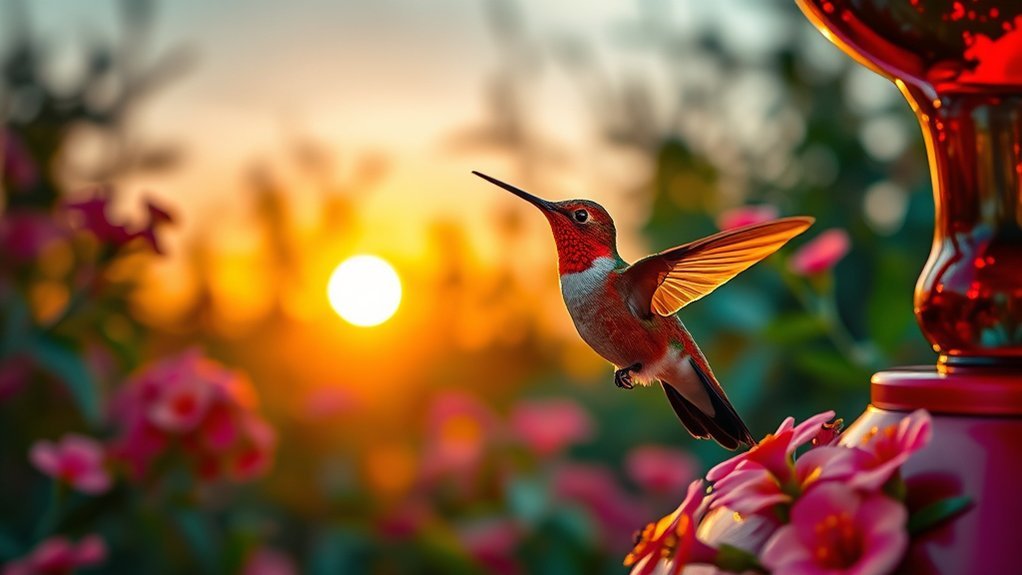
When to stop feeding hummingbirds depends on their migration patterns and the weather in your area. Pay attention to how often they visit your feeders. If you notice fewer birds, that could be a sign. Also, keep an eye on the temperature and whether flowers are blooming. These factors can help you decide when to stop feeding them.
So, what should you look for? If the birds stop coming or if it gets very cold, it might be time to remove the feeder. Making these observations can help you support the hummingbirds during their journeys.
A Quick Overview
When to Stop Feeding Hummingbirds: Timing Your Feeding Schedule
- Watch how often the birds visit your feeder. If they come less often, it might be time to stop feeding. This means they have found natural food sources.
- Notice the weather. If it gets colder, hummingbirds may come to your feeder more often as they prepare to migrate.
- Keep feeding as long as you see late migrants. They need food on their journey, so your feeder can help them.
- Check for flowers nearby. If there are plenty of blooming flowers, hummingbirds may not need your feeder as much.
- In late fall and early winter, think about stopping the feeding. This is especially true in northern areas where local flowers are dying.
Remember, feeding hummingbirds can be a joy, but knowing when to stop is important for their natural habits. Enjoy watching them while they visit!
Understanding Hummingbird Migration Patterns
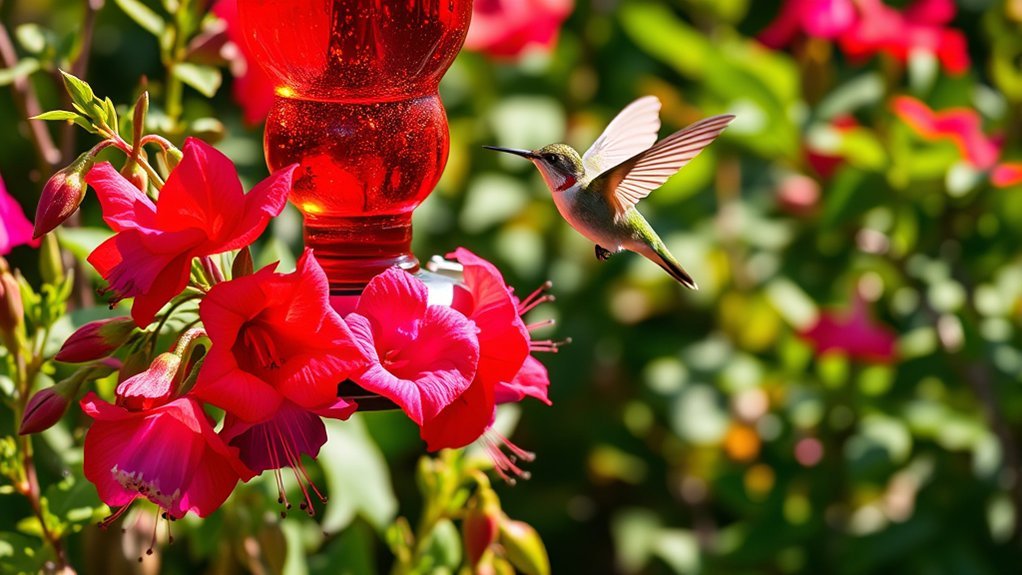
Hummingbirds are amazing little birds that migrate each year. They're very good at sensing changes in their environment.
Their migration routes depend on where they can find food and how much daylight there is. As spring starts, hummingbirds look for places with lots of flowers that have nectar. They time their travels to match when these flowers bloom. What they like to eat also helps decide where they go.
If you pay attention to the weather and notice which flowers are blooming, you can guess when hummingbirds will come to your feeders. It can be fun to talk with your friends and neighbors about where you've seen hummingbirds or what they like to do.
Sharing this information helps everyone enjoy these beautiful birds even more.
The Role of Temperature in Feeding
Weather affects how hummingbirds find food, and temperature plays a big role in this. When temperatures change, these small birds change their feeding habits too.
If it suddenly gets colder, they look for food more urgently because they need extra energy. In the cooler months, natural nectar becomes hard to find, so they often rely more on bird feeders.
To help hummingbirds, keep an eye on the temperature. Make sure your feeders are always full and easy for them to reach, especially as they get ready to migrate.
Understanding how temperature impacts their feeding helps you provide better support for them. By paying attention to these changes, you can create a friendly environment for hummingbirds, making it fun to watch them.
Recognizing Seasonal Changes
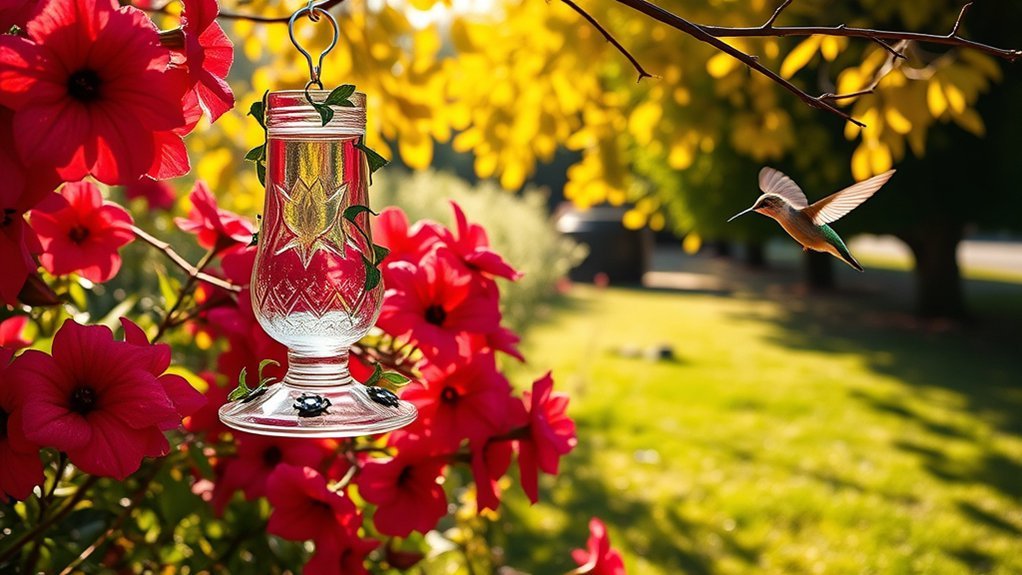
Recognizing seasonal changes is important for taking care of hummingbird feeders. Hummingbirds change their behavior with the seasons. They respond to temperature, daylight, and how much nectar is available. By observing these signs, you can help them as they migrate and feed.
- Watch for their happy feeding during spring flowers.
- Get ready for their goodbye when days become shorter and cooler.
- Enjoy the beauty of nature in your backyard.
- Feel the sadness when it's time to stop feeding them.
Also, think about how the weather affects when they migrate. If you pay attention to these changes, you can help the hummingbirds survive while enjoying their presence in your garden.
Monitoring Local Hummingbird Activity
To keep an eye on local hummingbirds, watch how and when they feed. Look at the times they visit your feeders. If you see them coming back often, you might be looking at the best times for activity. Count how many birds show up at different times of the day.
Also, pay attention to how they act around each other. This will help you learn what types of nectar and feeders they like best.
You might find that some hummingbird species prefer certain feeders. By noticing these patterns, you can make your space more inviting for them. This means placing your feeders in the best spots to attract more hummingbirds.
Enjoying their visits can also bring together others who love birds.
Knowing When to Stop Feeding
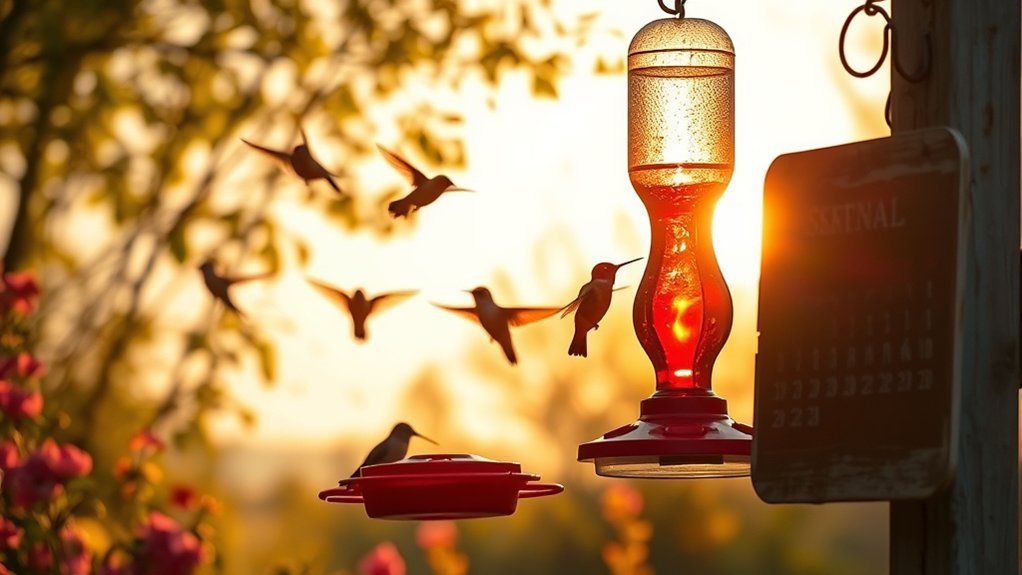
How do you know when to stop feeding hummingbirds?
It's important to watch their habits, especially when migration time comes. Here are some clear signs you can look for:
- Fewer visitors: If you notice that fewer hummingbirds are coming to your feeder, it might be time to stop.
- Weather changes: Look for changes in the weather. If it starts to get cooler, they might be getting ready to leave.
- Less activity: If you see fewer hummingbirds around your area, that's another sign.
- Blooming food sources: If you see flowers coming up in your garden or nearby, hummingbirds might find food there.
Keep an eye on these signs, and you can help the hummingbirds as they prepare for their journey.
Adjusting Feeders for Late Migrants
Adjusting Feeders for Late Migrants
It's important to know when to stop feeding hummingbirds, but you can help late migrants by adjusting your feeders. This can give them food when they need it during their long trips.
As the weather gets colder, keep your feeders filled a little longer. Some birds might migrate later than usual.
Make fresh nectar using one part sugar and four parts water. This mix can attract these birds and make them feel welcome.
Watch how often the birds visit your feeder. If they come often, that means they need the food you're providing.
Helping late migrants is a great way to enjoy nature and see the beautiful hummingbirds in your backyard.
The Importance of Clean Feeders
Keeping hummingbird feeders clean is very important. This helps the birds stay healthy, especially when they're migrating. Clean feeders provide fresh nectar and protect the birds from germs and mold.
When you clean your feeders, you create a safe place for these amazing birds.
- Healthy birds do well in clean feeders.
- Dirty feeders can make birds sick.
- Your cleaning helps them survive.
- A clean feeder shows you care.
By working together, we can be part of a community that loves nature and the incredible journey of hummingbirds.
Let's take care of them by keeping their feeders clean!
Signs That Hummingbirds Have Departed
As the weather gets cooler, you might notice some signs that hummingbirds have left. First, look at your feeders. If they've been quiet for several days, that could mean the birds are gone.
Hummingbirds change their behavior before they migrate, so fewer visits to your feeder is a sign to stop feeding them.
You may also see that the sugar solution in your feeder is untouched and starting to spoil. This is a good clue that the birds have moved on.
Even though hummingbirds may be gone, it's important to keep your feeders clean. This way, when the birds return in the spring, they'll find a nice place to feed.
Keeping an eye on your feeders helps you feel connected to these lovely birds, even when they're away.
Keeping a Feeding Schedule
To make sure hummingbirds get food when they need it, you should keep a regular feeding schedule. Watch how often the hummingbirds come. This way, you can refill the feeders to match their needs. Keeping their nectar the same is also important for their health.
Here are some easy tips to improve your feeding routine:
- Refill your feeders at the same times every day.
- Watch when hummingbirds show up to notice any patterns.
- Put out more feeders to help more birds at once.
- Stick to your schedule to keep the birds happy and healthy.
Providing a Balanced Nectar Blend
Giving hummingbirds a balanced nectar mix is important for their health. Too much sugar or not enough nutrients can make them sick.
The best nectar recipe is four parts water to one part granulated sugar. This mix is similar to what they find in flowers, helping them get energy and stay hydrated.
Avoid using things like artificial sweeteners or honey because these can be harmful.
It's a good idea to check the nectar every few days, especially when it's warm outside. This way, you can make sure it stays fresh and doesn't ferment.
Preparing for Next Migration Season
Get ready for the hummingbird migration season! It's fun to see these tiny birds return to your garden. Here are some tips to help you prepare for their arrival:
- Check your feeders. Make sure they're clean and without any mold or dirt. Clean feeders help keep the birds healthy.
- Buy high-quality nectar and cleaning supplies. Having enough on hand means you won't run out when the hummingbirds come.
- Place feeders in sunny and sheltered spots. Hummingbirds like warm places where they can feel safe.
- Keep an eye on local migration patterns. This will help you know when to expect the hummingbirds.
Frequently Asked Questions
How Do I Attract Hummingbirds to My Feeders Earlier?
To attract hummingbirds earlier, you can do a few simple things. First, plant colorful flowers that hummingbirds love close to your feeders. Second, place your feeders in sunny and easy-to-see spots. Make sure to clean your feeders regularly and fill them with fresh nectar. This makes it nice for hummingbirds and encourages them to visit your yard. They will love the bright flowers and tasty food!
Can I Feed Hummingbirds Sugar Water Year-Round?
You can feed hummingbirds sugar water all year round. But remember, they have special times when they migrate. In late summer, they look for flowers and nectar to help them get ready to fly south. Keep feeding them as long as you see them around. This way, you help them have the energy they need. It's a nice way to support these amazing little birds!
What Should I Do With Leftover Nectar?
What should you do with leftover nectar?
First, put it in the refrigerator. It can last for up to two weeks there.
Make sure to keep things clean. Fresh nectar helps your hummingbirds stay safe and healthy. Enjoy watching them come to visit!
How Often Should I Clean My Feeders?
You should clean your feeders every few days, especially when it's warm outside. This regular cleaning helps keep your feeders top-notch and stops mold and bacteria from growing. A clean feeder means a healthier place for your hummingbirds to eat and enjoy. So, make it a habit to check and clean your feeders often! Your hummingbirds will thank you.
Do Different Species Migrate at Different Times?
Yes, different species migrate at different times. Each type of animal has its own habits. Some leave early, while others wait longer. They pay attention to changes in weather and food. This means you might notice some animals in your area before others.

Joyce is the passionate founder of Chirping Hearts, a website dedicated to sharing her love for birds and providing valuable information about avian life. With a background in ornithology and years of experience in birdwatching, Joyce aims to inspire others to appreciate the beauty and diversity of birds. Through her engaging articles and guides, she hopes to foster a community of bird enthusiasts who share her enthusiasm for these incredible creatures. When she’s not writing, Joyce enjoys exploring nature trails and observing birds in their natural habitats.