
What Is a Group of Hummingbirds Called? Collective Nouns Explained
When you see hummingbirds together, you might wonder what to call them. A group of hummingbirds is called a "bouquet." This name fits because their bright colors look like a bunch of pretty flowers.
Using special words to describe animal groups, like "bouquet" for hummingbirds, helps us understand how they behave and interact with each other. Knowing these terms can make you appreciate hummingbirds even more.
What other fun names for animal groups do you know? There are many interesting ones out there!
A Quick Overview
A group of hummingbirds is called a "bouquet." This name shows how colorful and lively these little birds are.
Using special names like "bouquet" helps us understand how hummingbirds act and interact with each other. These names started a long time ago, in the Late Middle Ages, and often describe what makes the animals unique.
In different cultures, people see hummingbirds as symbols of love, happiness, and good luck.
If you want to help hummingbirds, you can create gardens that provide food for them. This not only helps the birds but also makes the local area more diverse and lively.
The Collective Noun for Hummingbirds: A Fascinating Term

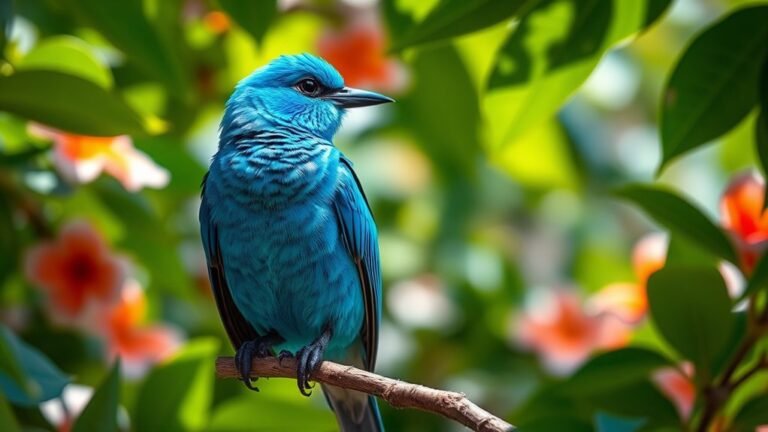
Did you know that a group of hummingbirds is called a "bouquet"? This name is really fitting because it captures how colorful and lively these small birds are. Hummingbirds have shiny feathers and flap their wings super fast, making them fun to watch.
When they travel during migration, they often come together in groups. This makes their flying look even more beautiful. Plus, flying in groups helps them stay safe and find food more easily.
Just like in your friendships, each hummingbird brings something special to the group. Together, they create a vibrant and lively scene that's a joy to see!
The Origin of Animal Collective Nouns

Collective nouns for animals might sound fun today, but they come from a long history.
These special names started showing up in English during the Late Middle Ages. People wanted to describe what they saw in nature and connect their lives with the animals around them.
At that time, hunters often created these names to talk about groups of animals. Sometimes the words were based on the animals' characteristics or what they symbolized.
As these terms grew, they helped people feel connected to each other through language, showing how humans relate to the natural world.
Understanding these names gives us a better look at how we communicate and build culture.
It's interesting to see how something as simple as a name can tie us together!
Unique Collective Nouns for Various Bird Species

Birdwatchers and bird lovers enjoy discovering fun names for different groups of birds.
These names help us understand how birds act and what makes them special. They also make our time in nature more interesting.
Here are three unique names for groups of birds:
- Sparrows: A bunch of sparrows is called a *charm*. It shows how lovely they're when they gather.
- Eagles: A group of eagles flying together is called a *flight*. This name shows how strong and grand they are.
- Crows: When crows come together, we call them a *murder*. This name reflects their mysterious ways.
These names give us insight into how birds interact.
They invite us to connect with nature and enjoy watching birds.
Why Collective Nouns Matter in Nature
Collective nouns are important for understanding how birds behave and interact in nature. They help us describe groups of birds and learn more about their social lives. For example, a group of hummingbirds is called a "bouquet." This fun term helps us appreciate how these birds communicate with each other.
Knowing collective nouns helps us see patterns in bird behavior, like how they flock together or defend their territory. Understanding these behaviors is vital for their survival and our enjoyment of birdwatching.
Using these terms can also bring bird lovers together. When you share these names, you connect with others who love birds too. Embracing collective nouns helps strengthen our bond with nature and makes observing birds even more enjoyable.
Cultural Significance of Hummingbirds in Different Regions
Hummingbirds are special birds with a lot of meaning in different cultures. People from various regions see them in different ways.
Let's look at some of these ideas:
- Central and South America: Many Native groups see hummingbirds as signs of love and happiness. You can find them in stories and artwork from these places.
- Native American Traditions: Several tribes think hummingbirds bring good luck. They often include these birds in their spiritual ceremonies.
- Modern Symbolism: Today, people view hummingbirds as symbols of strength and joy. You can see them in tattoos and home decorations.
These views help create a sense of community and togetherness for those who admire hummingbirds. They connect people through shared beliefs about these amazing creatures.
The Behavior of Hummingbirds in Groups
Hummingbirds are amazing little birds, and when they come together in groups, they show some really interesting behaviors. Watching them can teach us a lot about how they interact with each other.
When hummingbirds gather at places where they can feed, they sometimes flirt and fight. They've a little dance where some birds show they're in charge while others back off. This helps keep the peace among them. They take turns at the food and figure out who's boss at that moment.
These interactions help hummingbirds build friendships. They learn to trust each other and feel like they belong in their group. Their way of behaving helps them survive in the wild, too, showing how smart and adaptable they are.
How Hummingbirds Interact With Their Environment
Hummingbirds have special ways to interact with their environment. These skills help them find food and keep their homes safe. Here are some cool things they do:
- Choosing Flowers: Hummingbirds pick flowers that are colorful and have the right shapes for their long beaks. This helps them get food easily.
- Flying Displays: Male hummingbirds show off their flying skills. They zoom and dart through the air to scare away other males. This helps them claim their territory.
- Making Sounds: Hummingbirds chirp and buzz to talk to each other. These sounds help them connect with friends and mark their space.
These actions show how hummingbirds live in their environment.
They've smart ways to feed and defend their home, making them unique and fascinating creatures.
Common Myths and Facts About Hummingbirds
Many people love hummingbirds for their beauty, but there are some myths about them that can cause confusion.
One big myth is that hummingbirds only see the color red. Actually, they can see many colors, even ones we can't see, like ultraviolet light!
Another common idea is that hummingbirds only drink sugar water. In truth, they eat a mix of food, including nectar and tiny insects for protein.
Also, some folks think hummingbirds fly thousands of miles without stopping. That's not true! They take breaks to eat along their journey.
The Importance of Hummingbirds in Ecosystems
Hummingbirds are very important for our ecosystems. They help pollinate many flowering plants. This means they make sure plants grow and stay healthy, which is good for the environment.
- Helping Plants Grow: Hummingbirds move pollen from one flower to another. This helps plants create seeds and keeps our gardens and forests full of different types of plants.
- Feeding Animals: The plants that hummingbirds help grow provide food for many animals and insects. This makes habitats lively and full of life.
- Spreading Seeds: Some hummingbirds also help spread seeds. This helps new plants grow, which is important for keeping nature balanced.
When we understand why hummingbirds are important, we can see how they fit into our world. They help keep ecosystems healthy and create connections between all living things.
Watching them flit around can be a wonderful sight, reminding us how special these little birds are!
How to Attract Hummingbirds to Your Garden
If you want to bring hummingbirds to your garden, it's pretty easy! Just follow these simple steps.
First, set up nectar feeders. Fill them with a mix of sugar and water. It should be one part sugar to four parts water. Hang these feeders where you can see them from your house. This way, you can enjoy watching the birds as they come for a drink.
Next, plant bright flowers that hummingbirds love. Flowers like bee balm, salvia, and trumpet vine are great choices. These colorful blooms will attract hummingbirds and make your garden look lovely.
Make sure to choose flowers that bloom at different times. This will give hummingbirds food all year round.
Also, keep your garden free of pesticides. These chemicals can harm hummingbirds and other helpful insects.
By adding feeders and planting great flowers, you make a perfect home for hummingbirds.
Your garden won't only look beautiful but also be a happy place for these amazing birds!
Frequently Asked Questions
What Is a Group of Hummingbirds Called?
A group of hummingbirds is often called a "bouquet." This name highlights how colorful and lovely they are, especially when they come together during migration. Watching a bouquet of hummingbirds can be a beautiful sight!
How Do Collective Nouns Differ by Region?
Collective nouns vary a lot depending on where you are. This shows the different ways people think and talk in different cultures. Some words are used more in certain places. This is interesting because it shows how language changes and grows. Knowing these differences helps you see the rich variety in how people communicate and connect in their communities.
Are There Any Songs About Hummingbirds?
Yes, there are many songs about hummingbirds in different cultures. These songs often show feelings of joy and love. They celebrate the hummingbird's beauty and help people feel connected to nature. If you enjoy nature, you might find these songs really special!
Can Hummingbirds Be Found in Urban Areas?
Yes, you can find hummingbirds in cities. They adjust well to parks and gardens. These birds love flowers with sweet nectar. They also look for safe places to build their nests near buildings. Hummingbirds are amazing at fitting into new surroundings and can make urban areas their home. So, if you have a garden or a feeder, keep an eye out. You might just see these vibrant little birds!
How Do I Photograph Hummingbirds Effectively?
To take great pictures of hummingbirds, start by watching how they move. Use your camera's fast settings, like high shutter speeds, to freeze their quick actions. Pick colorful backgrounds to make them stand out. Set up bird feeders to draw them in, and be patient. With practice, you will capture their beautiful colors and swift movements. Enjoy the process!

Joyce is the passionate founder of Chirping Hearts, a website dedicated to sharing her love for birds and providing valuable information about avian life. With a background in ornithology and years of experience in birdwatching, Joyce aims to inspire others to appreciate the beauty and diversity of birds. Through her engaging articles and guides, she hopes to foster a community of bird enthusiasts who share her enthusiasm for these incredible creatures. When she’s not writing, Joyce enjoys exploring nature trails and observing birds in their natural habitats.