
Water Birds of Ohio: Species You Might Encounter
Ohio has many types of water birds that live in its wetlands. Each bird has special traits that help it survive in its surroundings. For example, the Great Blue Heron is a skilled hunter. It can catch fish with its quick movements. On the other hand, the American Coot is more social. It makes unique sounds and often gathers in groups.
Watching these birds can teach us about how they interact with each other and their environment. You can notice things like their migration patterns and where they like to live. Learning about these birds helps you appreciate Ohio's wetlands even more. It's a chance to explore their important roles in nature. So, next time you're near a lake or pond, keep an eye out for these fascinating water birds!
A Quick Overview
The Great Blue Heron is a big bird. It hunts patiently for fish and frogs near lakes and wetlands.
American Coots live in wetlands. They swim quickly and love to make sounds with their friends.
Common Gallinules can be found in marshes and ponds. They hide in plants while they eat water plants and insects.
Northern Pintails are graceful ducks. They like freshwater areas and mostly eat seeds and plants.
Wood Ducks are colorful birds that nest in tree holes. They help make Ohio's birdlife diverse and can adapt well to different places.
Great Blue Heron

The Great Blue Heron is a special bird found in Ohio. It has a large wingspan and beautiful blue-gray feathers. These birds like to live near water, such as lakes, rivers, and wetlands.
Great Blue Herons are known for their patience. You can often see them standing still for a long time, waiting for fish or frogs to come close. They catch their food by quickly stabbing it with their sharp beaks.
These birds also like to nest in groups. They usually build their nests high up in trees near water. This helps keep them safe from animals that might want to eat them.
Learning about where they live and how they act can help you appreciate these graceful birds and their important role in Ohio's environment.
Next time you see a Great Blue Heron, take a moment to watch. You might just witness its amazing hunting skills!
American Coot
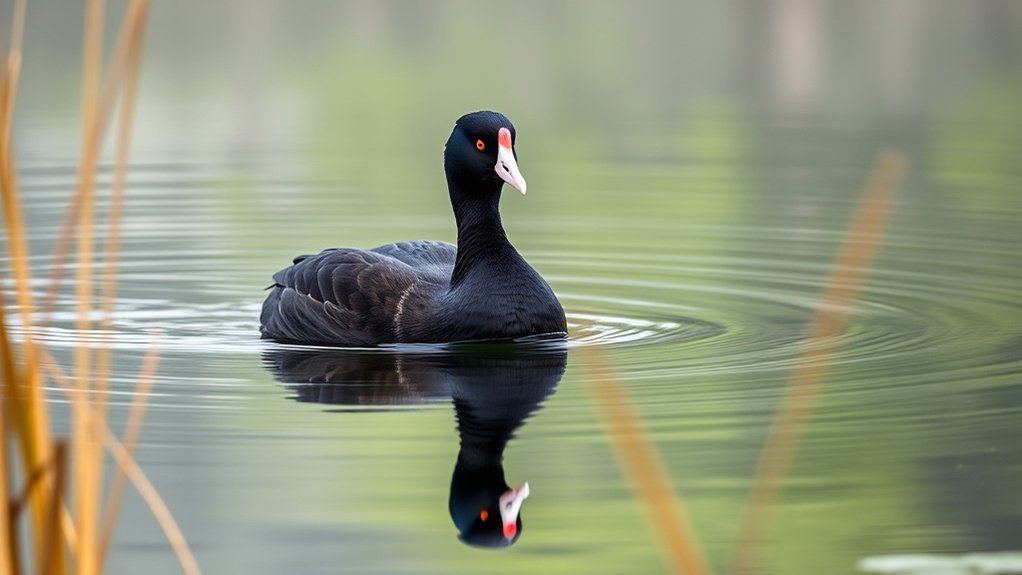
American Coots are birds that like to hang out in lakes, marshes, and wetlands. These places are also home to Great Blue Herons, but coots act a bit differently. They swim by paddling quickly and diving underwater to find food.
Coots have strong legs and special feet that help them swim well. Their diet includes plants, insects, and small animals, making them omnivores.
Coots are also social birds. They make sounds that show who's in charge in their groups.
Learning about coots helps you appreciate the wildlife in Ohio's diverse environments. They're interesting to watch and add charm to our natural spaces.
Common Gallinule

Common Gallinules are interesting birds that live in wetlands, just like American Coots. They like to be in places like marshes, ponds, and swamps where there's a lot of plants. These plants help them hide and find food.
These birds are social. During breeding season, they protect their territory and make loud calls to show they're in charge. They're also good at searching for food like aquatic plants and small insects. You might see them wading or swimming to find lunch.
When they migrate, families of Common Gallinules stick together and talk to each other with different sounds. If you visit the wetlands in Ohio, keep an eye out for these amazing birds.
They play an important role in their environment and are fun to watch!
Northern Pintail
Wetland habitats are perfect for the beautiful Northern Pintail. This waterfowl stands out with its long neck and pointed tail. It enjoys living in freshwater areas, like marshes and ponds, which makes Ohio a great spot during its migration.
As you watch these amazing birds, you can spot some of their cool traits and habits:
- Feeding: Northern Pintails eat seeds and plants found in shallow water.
- Breeding: They breed in the northern United States and Canada and often return to the same nesting spots each year.
- Social Life: You can usually see them in large groups. They form strong bonds while migrating together.
The Northern Pintail's ability to thrive in different waterways shows how adaptable it is. This makes Ohio a richer place for birds and birdwatchers alike.
Enjoy the chance to see these stunning ducks!
Wood Duck
The Wood Duck is one of Ohio's most beautiful waterfowl. The male has bright green and purple colors that really catch your eye. It also has special patterns on its face that make it easy to spot.
During the breeding season, Wood Ducks look for safe places to nest. They often choose tree holes or artificial nesting boxes to keep their eggs safe.
After the eggs hatch, the ducklings are very agile. They jump from the nest and follow their mother to the water, showing amazing skills. This ability to adapt helps them survive in Ohio's many different environments.
Watching Wood Ducks in nature is a great way to connect with Ohio's rich bird life. Enjoying their presence helps keep these lovely birds safe for the future.
Belted Kingfisher
Let's talk about the Belted Kingfisher! This bird is easy to spot near Ohio's rivers and lakes because of its bright blue-gray feathers and loud call.
- Nesting: Belted Kingfishers dig burrows in riverbanks to make a home for their young. They take great care of their babies.
- Fishing Technique: These birds dive quickly to catch fish in the water. They're very fast and skillful.
- Territorial Behavior: Males will often puff up and act tough to protect their space. It's fun to watch their behavior!
The Belted Kingfisher isn't just beautiful but also interesting in how it lives and interacts with its environment.
Keep an eye out for one next time you visit a waterway!
Frequently Asked Questions
What Are the Best Times to Observe Water Birds in Ohio?
To see water birds, the best times are during spring migration and nesting seasons. Visit in the morning or late afternoon because that's when birds are most active. You can watch them fly, feed, and interact with each other. These times can give you the best chance to see a variety of birds and their behaviors. Enjoy your birdwatching!
Are There Any Endangered Water Bird Species in Ohio?
Yes, Ohio has endangered water birds, like the Black-crowned Night-Heron. These birds live in the wetlands of Ohio. To help them, people are working on projects to fix their homes and keep track of how many there are. You can help too! Your support can make a difference for these amazing birds.
What Habitats Do These Water Birds Prefer?
Water birds love to live in wet marshes and along riverbanks. These places are great for them because they can find food and build nests easily. In these areas, many different plants and animals live together. This mix makes it fun to watch how these birds interact with others and learn about their important homes.
Can Water Birds Be Found in Urban Areas of Ohio?
Yes, you can find water birds in urban areas of Ohio. They live in places like urban wetlands. These spots have many kinds of birds. People often see them at bird feeders. It's a great way to watch their behavior up close. So, if you visit urban areas in Ohio, keep an eye out for these beautiful birds!
How Can I Contribute to Water Bird Conservation in Ohio?
You can help save water birds in Ohio in a few easy ways. First, join a local group that works on bird conservation. They often have fun events and activities where you can learn and meet others.
Next, if you love birdwatching, share your tips with friends. It's a great way to spark interest in birds and their homes.
You can also volunteer for projects that restore habitats. This might mean planting trees or cleaning up wetlands, which helps make safe places for birds to live.

Joyce is the passionate founder of Chirping Hearts, a website dedicated to sharing her love for birds and providing valuable information about avian life. With a background in ornithology and years of experience in birdwatching, Joyce aims to inspire others to appreciate the beauty and diversity of birds. Through her engaging articles and guides, she hopes to foster a community of bird enthusiasts who share her enthusiasm for these incredible creatures. When she’s not writing, Joyce enjoys exploring nature trails and observing birds in their natural habitats.