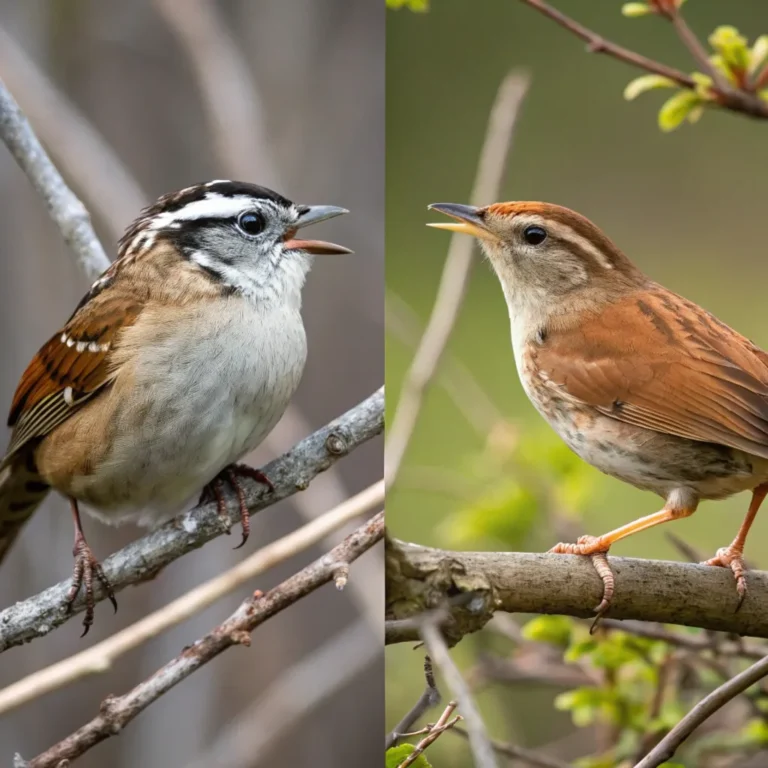

Orange and Blue Birds: A Look at Colorful Avian Species
When you see orange and blue birds, their bright colors grab your attention. But those colors mean more than just looking pretty. Birds use these colors to talk to each other, find mates, and protect their homes. Learning about why they have these colors can teach us about how they survive and grow.
Sadly, these beautiful birds face many problems that put their lives at risk. To help them survive, we need to think about ways to protect their homes and the environments where they live. It's important to act now so future generations can continue to enjoy seeing these amazing birds. What do you think we can do to help them?
A Quick Overview
Bright orange and blue birds are eye-catching! These colors help them find mates and show they are healthy. Healthy birds have a better chance of having babies.
On the other hand, birds with dull colors often use their feathers to blend in with their surroundings. This helps them hide from predators and stay safe in the wild.
Sadly, colorful birds face big threats. Things like habitat loss, climate change, and pollution are making their numbers go down. We need to take action to help them. This means restoring their homes and spreading the word about why colorful birds matter.
Watching colorful birds can be a fun way to appreciate nature. It reminds us how important it is to protect all kinds of animals and plants. By doing so, we can help keep our environment healthy.
The Importance of Color in Bird Species
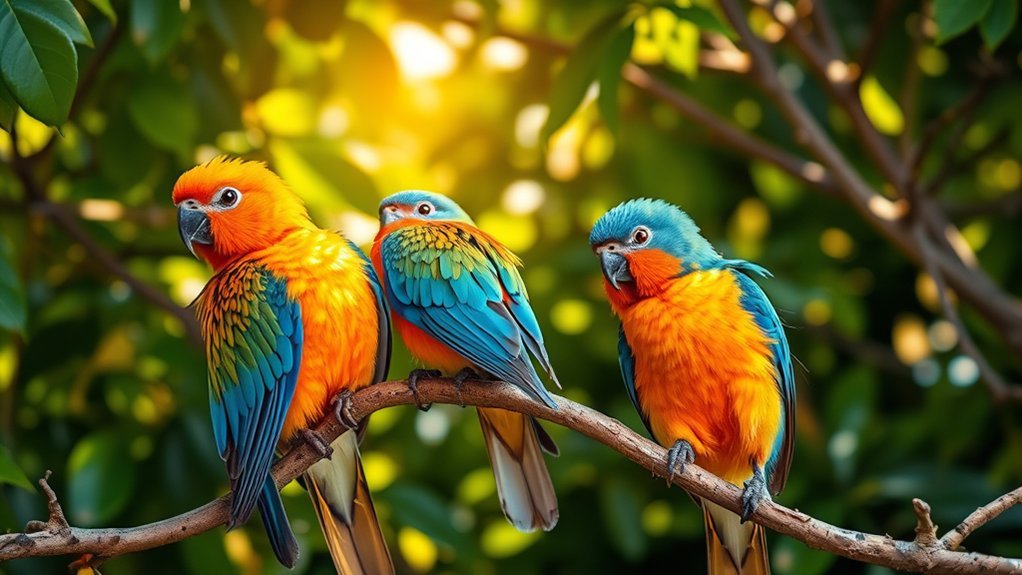
Colors are important for birds. Bright colors on their feathers help them survive. These colors play a big part in how birds live and behave.
For many birds, colors help them attract mates. Male birds with bright and beautiful feathers can get noticed more by females. This helps them find partners to have babies with. Healthy birds often show bright colors, which is a sign that they're strong.
But it's not just about standing out. Some birds need colors that help them hide. They blend in with their surroundings to stay safe from predators. This way, they avoid being seen and eaten.
Understanding how colors work in bird life is important. It helps us see how birds connect to nature. Learning about these colors makes us appreciate the beauty of birds and their role in the environment.
Fascinating Orange Birds

Birds come in many bright colors, and orange is one of the most interesting! Some orange birds, like the American Robin and the Baltimore Oriole, have unique behaviors. These behaviors often show how they interact with their surroundings and each other.
The bright colors of these birds are vital during mating. The orange feathers help show off their health and strength to attract a mate. They also use their colors to establish territory, letting other birds know where they belong.
When orange birds look for food, they choose places that help them blend in. This way, they can stay safe from predators while still being visible to their friends.
Learning about orange birds helps us appreciate these incredible creatures even more!
The Stunning Blue Birds of the World

Blue birds are fascinating creatures found all over the globe. There are many kinds of blue birds, each with special traits and habits. For example, the Eastern Bluebird likes to live in open fields where it can easily find food and build nests.
Many blue birds travel long distances every year. They move to different places to find better food and nesting spots as the seasons change. The indigo bunting is a great example. It flies from North America all the way to Central America for the winter.
Watching these birds can be exciting. It helps birdwatchers feel a special connection as they follow the birds on their journeys. Each blue bird adds to our love for nature and its beauty.
Habitats of Orange and Blue Birds
Orange and blue birds need special places to live, which helps them survive and act normally. Each type of bird likes different homes. For example, orange birds like open woodlands and savannas. These areas have plenty of fruits and insects for them to eat.
Blue birds, on the other hand, prefer thick forests and places near water. These spots give them safe places to feed and build their nests.
The temperature, types of plants, and food in these areas are very important. They help decide where these birds can live and how well they can adjust to their environment.
If we learn about where orange and blue birds like to live, we can appreciate these beautiful birds even more. Understanding their homes helps us connect with them and the nature around us.
Behavior and Mating Rituals
When you watch orange and blue birds in nature, you see interesting behaviors and fun dances they do to attract mates.
These courtship displays include flashing their colorful feathers, dancing around, and making sweet sounds. Males often show off to claim their space, acting boldly to keep other males away. This helps them show they're strong and can take care of their territory.
During mating season, their behaviors become even more exciting as they compete for attention and show what they can offer.
The Role of Color in Attracting Mates
Color plays an important role in how birds find their mates. Bright colors like orange and blue help birds show off their health and strength. These colors send clear signs that attract mates.
When a male bird has bright feathers, it often means he's healthy and has good genes. Female birds look for these traits because they want strong partners. For example, a male with colorful plumage might be better at finding food or fighting off parasites. These skills are attractive to female birds.
By displaying bright colors, male birds communicate their worth as a mate. This helps them find partners more easily.
Plus, the bright colors help birds recognize each other. In the world of birds, looking good is a key part of attracting a mate.
Challenges Facing Orange and Blue Birds
Orange and blue birds are facing big challenges that make it hard for them to survive and raise their young. One major problem is habitat loss. When cities grow, they take away places where these birds can nest and live. This also means more dangers from predators.
Climate change is another issue. It changes the environment, making it tough for these birds to find food. They rely on insects and seeds, and if those become hard to find, it affects their health and ability to raise chicks.
Pollution hurts their food and water. Chemicals can mess up their homes and make it difficult for them to breed. All these problems contribute to fewer orange and blue birds over time.
To help these beautiful birds, we need to understand their struggles. By spreading the word in our communities, we can take action to protect them and the places they need to live.
When we work together, we can make a real difference for these colorful species and ensure they've a brighter future.
Conservation Efforts for Colorful Avian Species
Colorful birds face many threats, but we can help them survive. Together, we can take action to protect these amazing creatures. Here are some simple ways you can get involved.
First, help keep their homes safe. Clean rivers, parks, and forests give birds a place to live and find food.
Next, spread the word! Talk to your friends and family about why these birds matter. The more people know, the more they'll care.
You can also support breeding programs. These programs help raise baby birds to grow their populations.
Another way to help is by encouraging laws that protect birds and their habitats. Laws can keep them safe from harm.
Lastly, keep an eye on bird numbers. Tracking how many colorful birds are around helps us understand what they need.
Notable Examples of Orange and Blue Birds
When you look at colorful birds, you'll see some that are bright orange and blue. The Baltimore Oriole is a great example. It has bright orange feathers that grab the attention of birdwatchers in North America.
The Eastern Bluebird shines with its beautiful blue feathers. This bird makes many people feel happy.
The Blue Jay is another striking bird. Its blue color, mixed with white and black, creates a fun appearance.
These birds use their colors for special reasons. They attract mates and hide from predators.
Tips for Birdwatching and Identification
To enjoy birdwatching, it's important to identify birds well. First, get some good gear. Find binoculars with at least 8x magnification. This will help you see birds clearly. Also, pick a field guide that shows birds in your area.
Next, learn how to spot different birds. Look at their colors, size, and behavior. These details can help you tell one bird from another. Pay attention to where you find birds too. Some like forests, while others prefer open fields. Knowing where they like to hang out can help you find them faster.
Don't forget to carry a notebook. Write down what you see. This will help you remember and understand the birds better. Over time, you'll learn more about them and have fun sharing your findings with other birdwatchers who enjoy the same hobby.
The Connection Between Color and Avian Adaptation
Color is very important for birds. It helps them with many things like finding mates and staying safe from predators. Birds use colors to communicate with each other. Bright colors can attract mates and show them that a bird is healthy and strong. This helps them have babies.
On the other hand, birds with dull or muted colors blend in with their surroundings. This makes it harder for predators to see them, which keeps them safe. Each bird species has its own colors that help them survive in their homes.
Understanding how color affects birds helps us see how they live and thrive in nature. Learning about this makes us appreciate the beautiful birds around us even more!
Frequently Asked Questions
What Are Some Common Food Sources for Orange and Blue Birds?
Orange and blue birds like to eat a variety of foods. They often enjoy sweet nectar from flowers. This gives them energy, and they like the taste.
Many orange and blue birds also eat seeds. They have favorite seeds that help them stay healthy. These birds search for food in their homes, which helps them survive and grow.
It's fun to watch these colorful birds while they eat. You might see them flitting from flower to flower or pecking at seeds on the ground. Remember, providing food for them in your yard can help attract them to visit!
How Can I Attract Orange and Blue Birds to My Backyard?
To attract orange and blue birds to your backyard, start by placing bird feeders in your garden. Fill them with seeds and fruits that these birds love. Also, plant native trees and shrubs. These plants give birds a safe place to rest and hide.
Make your backyard a friendly and fun spot for birds. This way, you will see more colorful visitors flying around! It's a great way to enjoy nature. So, get your bird feeders ready and add some plants. You'll be amazed at how many birds come to visit!
Are Orange and Blue Birds Found in All Continents?
Orange and blue birds are not found on every continent. These birds live in certain areas where their favorite foods and homes are available. Their colors come from nature and help them survive. Different places have different birds, and that's why you won't see orange and blue birds everywhere. Some areas have lots of trees, while others might be too dry or too cold. This affects where these colorful birds can live.
Which Orange and Blue Birds Are Known to Migrate?
When we look at birds that migrate, two bright examples are the Indigo Bunting and the American Robin. These birds move from one place to another as the seasons change. Their journeys help them find food and safe places to live.
Indigo Buntings are small, blue birds that look bright and beautiful. They fly long distances to stay warm and find food during the winter. You can see them in many areas during spring and summer.
American Robins are also known for their orange color. They are one of the first birds you hear in the morning. In the colder months, they travel south to find warmer weather and more food.
Both of these birds show us how nature helps animals survive by moving to different places. Watching them can be fun and teaches us about their lives!
How Do Weather Conditions Affect the Visibility of These Colorful Birds?
Weather affects how easily we can see colorful birds. On cloudy days, their bright colors may blend in with the background. This makes it harder to spot them. But when the sun shines, their colors pop! This makes it much easier and more fun for us to find and watch them.

Joyce is the passionate founder of Chirping Hearts, a website dedicated to sharing her love for birds and providing valuable information about avian life. With a background in ornithology and years of experience in birdwatching, Joyce aims to inspire others to appreciate the beauty and diversity of birds. Through her engaging articles and guides, she hopes to foster a community of bird enthusiasts who share her enthusiasm for these incredible creatures. When she’s not writing, Joyce enjoys exploring nature trails and observing birds in their natural habitats.