
Identifying Small Birds in Ohio: A Quick Reference
Identifying small birds in Ohio is fun and easy if you pay attention to their special features. Each bird has its own look and sound. For example, the American Goldfinch has bright yellow feathers that catch your eye. The Black-capped Chickadee is known for its friendly behavior and cheerful call that everyone can recognize.
To enjoy birdwatching even more, try to learn how these birds behave and where they like to live. This way, you can guess which bird might come next. Keep looking and listening, and you'll be amazed by the different birds you can spot in Ohio!
A Quick Overview
Here's what you need to know about some small birds you might see in Ohio:
- The American Goldfinch has bright yellow feathers. It likes to eat seeds from flowers like sunflowers and thistles.
- Black-capped Chickadees have a black cap on their heads and white cheeks. They are friendly and often make a "chick-a-dee-dee-dee" call, especially in the winter.
- House Sparrows are short and stocky. They live in cities and love to hang out in groups, sharing food and chattering with each other.
- Tufted Titmice are cheerful birds with little tufts on their heads. They are curious and like to use soft materials to line their nests in tree holes.
- Blue Jays are easy to spot with their bright blue feathers. They can copy sounds and protect their nests while also storing food for later.
These birds add beauty and joy to our surroundings!
American Goldfinch: A Splash of Yellow
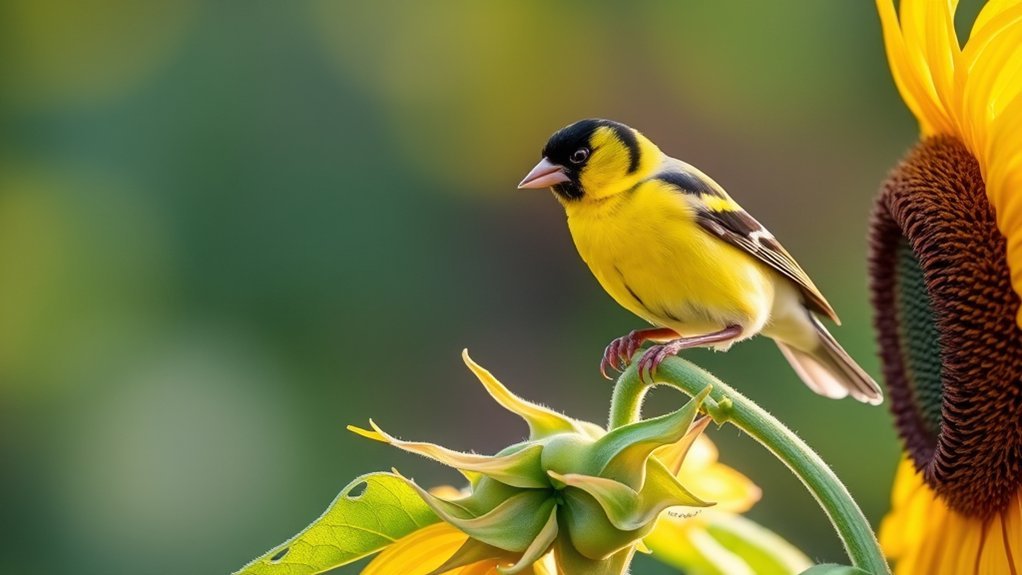
The American Goldfinch is a small bird known for its bright yellow feathers. It stands out in Ohio among other birds. This bird has some interesting habits, especially when it comes to eating and building nests.
You can often see American Goldfinches in gardens or fields. They like to eat seeds from flowers like sunflowers, asters, and thistles. They're very good at finding food, and this helps plants spread their seeds, which is important for nature.
American Goldfinches are different from other finches because they build their nests in late summer. They use plant fibers and spider silk to make strong nests.
This timing is clever because the baby birds are ready to leave the nest just when there's lots of food available. Watching these birds can help you enjoy Ohio's rich bird life even more.
Black-capped Chickadee: The Friendly Bird
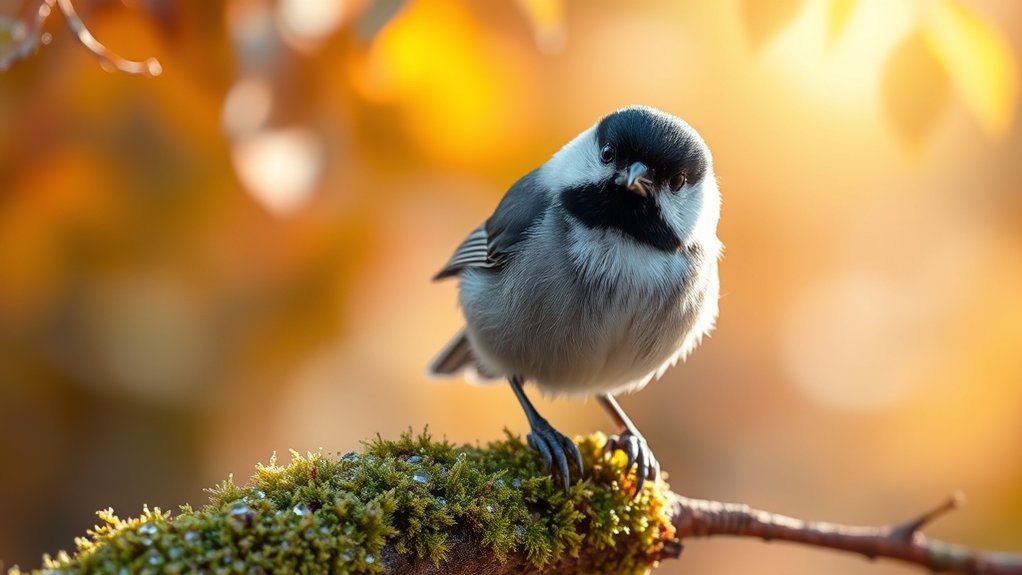
When you see a Black-capped Chickadee, you can easily recognize it by its black cap and white cheeks. This small bird stands out in Ohio.
Chickadees are friendly and often come close to people without fear. In winter, you can watch them hop from branch to branch while you listen to their unique "chick-a-dee-dee-dee" call.
These birds are social. They like to gather in groups with other birds, which makes birdwatching even more fun.
Chickadees mainly eat insects and seeds, allowing them to adjust to the changing seasons. By observing how they interact with each other, you can enjoy watching them while feeling connected to nature.
House Sparrow: The Common Companion
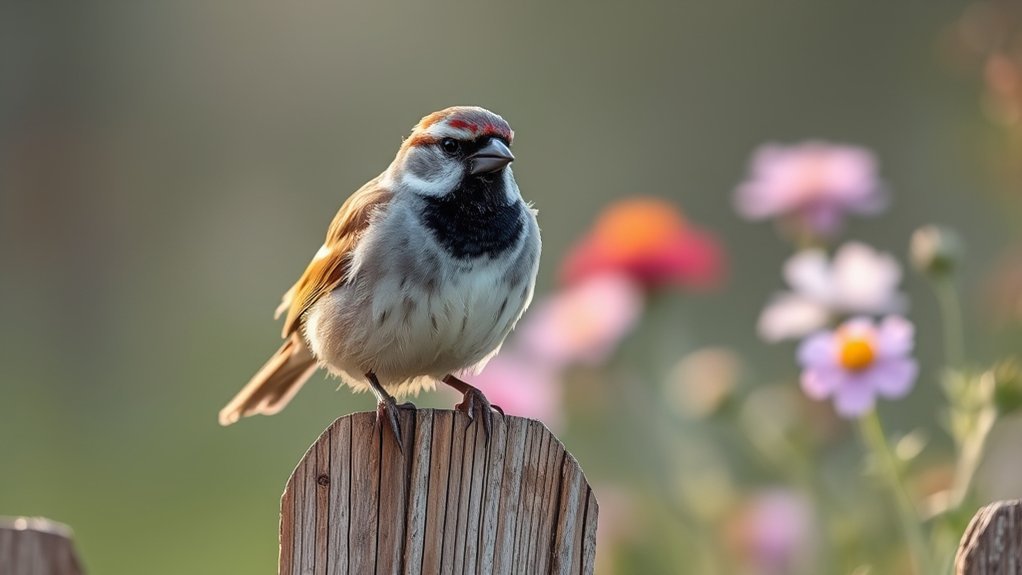
House Sparrows are common friends in cities and towns across Ohio. You can easily spot them because they've chunky bodies and lively movements. They love to fly around parks, eat near restaurants, and make nests in building overhangs. These birds are great at living in different places.
House Sparrows often share food with each other. They chatter and show who's in charge when they eat. This social behavior helps them stay strong and gives them a sense of community. They thrive where people are, from street corners to backyards.
Learning about how House Sparrows act and where they live can help you appreciate these fun birds. They fit right into our everyday lives, adding a bit of joy to our surroundings.
Tufted Titmouse: The Cheery Songster
Tufted Titmice are cheerful little birds that make Ohio's outdoor spaces lively and fun. They're easy to spot because of their cute tufted heads. Here are some things you might notice about them:
- Their tufted crown stands out and makes them look really cute.
- They love to flutter around and chat with other birds in groups.
- When it's time to make nests, they find holes in trees and line them with soft materials.
Tufted Titmice are curious and friendly. They usually lay eggs in tree holes and raise their young ones there, bringing joy to Ohio's woodlands.
Just listening to their happy songs can lift your spirits! Enjoy watching these delightful birds!
Blue Jay: The Bold and Beautiful
Blue Jays are beautiful birds that really stand out with their bright blue feathers and bold personalities. You can find them in many places, like oak forests, neighborhoods, and parks. They're very good at living in different habitats.
Watch how they act; Blue Jays love to be social. You often see them in small groups, and they can imitate the sounds of other birds.
They're also smart! They hide food, like acorns, so they can eat later.
During nesting season, Blue Jays become very protective of their area. They work hard to keep their home safe.
By learning more about Blue Jays and where they live, you can gain a better understanding of their role in nature. This can make your birdwatching fun and exciting!
Enjoy watching these fascinating birds.
Northern Cardinal: The Red Flash
The Northern Cardinal is a bright red bird that many of us notice, especially in winter.
Its colorful feathers help us identify this special bird all year long. Learning more about how cardinals act and where they live makes birdwatching even more fun!
Here are some important things to know about Northern Cardinals:
- Color: Male cardinals are bright red.
- Sound: They've clear songs that sound like whistles. You can hear these sounds in gardens and woods which lets you know they're nearby.
- Food: Cardinas love to eat seeds and fruits. You often see them at bird feeders, especially enjoying sunflower seeds.
Northern Cardinals like to live in areas with lots of bushes, parks, and neighborhoods.
They're often found in Ohio. Watching how they behave can help you appreciate these beautiful birds even more.
Downy Woodpecker: The Small Drummer
The Downy Woodpecker is a small bird that you can easily spot in Ohio's forests. It has unique markings that make it stand out. You'll often hear this bird drumming on tree trunks. This drumming helps it claim its territory and find a mate. The sound it makes is cheerful and connects you to nature.
These woodpeckers live in many places, including suburban yards. They like trees and shrubs, especially deciduous ones. This flexibility means you can see Downy Woodpeckers in your backyard, which can be a lot of fun.
When you watch them, you might notice their special habits. They often look for food on the underside of branches, searching for insects and larvae to eat.
Knowing where they like to live and what they do can make birdwatching more enjoyable. You'll appreciate Ohio's birds even more!
Indigo Bunting: The Brilliant Blue
In the summer, you might see the Indigo Bunting. This small bird shines bright blue and makes Ohio's land look colorful. It likes open spaces with some trees. You can spot them around fields that have bushes, which are their favorite spots.
Here are some fun facts about the Indigo Bunting:
- What They Eat: They mostly munch on seeds, bugs, and berries. This food gives them energy, especially when they're flying south for the winter.
- Where They Build Nests: They like to nest in bushes and low trees. This keeps them safe from animals that might want to eat them.
- Their Travel Habits: Every fall, they make an amazing trip from North America to Central America.
Seeing an Indigo Bunting in the summer is always a treat!
Song Sparrow: The Melodious Visitor
While you walk through the wetlands and fields of Ohio, you may spot the Song Sparrow. This small bird is charming and stands out with its brown, streaked feathers and happy personality.
The Song Sparrow sings a beautiful song that changes from place to place. This song helps it mark its territory and attract a mate.
Song Sparrows often build their nests close to the ground. They use grasses and reeds to create cozy homes.
These birds can have several families in one season, so you might see many of them around. Watching their behavior can help you connect with Ohio's wildlife and learn more about nature.
Frequently Asked Questions
What Is the Best Time to Spot Small Birds in Ohio?
If you want to spot small birds in Ohio, the best time is during spring migration. This is when they are very active and easier to see. You can also watch them in winter. Many small birds come to backyard feeders. This makes it a great chance to observe them closely. Enjoy watching these lovely creatures!
How Can I Attract Small Birds to My Yard?
To attract small birds to your yard, plant flowers, shrubs, and trees that provide seeds and shelter. These plants create a safe place for birds to hide and find food.
Adding a bird bath is a great idea too! It gives birds a place to drink and splash around. Having water nearby will make your yard feel like a cozy home for them.
With the right plants and a bird bath, you can enjoy watching these lovely little visitors every day!
Are There Any Migratory Patterns Specific to Ohio's Small Birds?
Ohio's small birds have clear migration patterns. In spring, they fly north to find places to breed. In the fall, they move south to warmer areas. Watching these birds during migration can help you feel more connected to nature. It's a fun way to enjoy the changing seasons. Look for them in parks or your backyard!
What Feeders Are Best for Attracting Small Birds?
If you want to attract small birds to your yard, try using different types of feeders. Tube feeders work great with mixed seeds. They help bring in a variety of small birds. You can also use thistle feeders filled with nyjer seeds. These are especially loved by birds like finches. Don't forget about platform feeders for sunflower seeds. They are perfect for species like sparrows and jays.
Using these feeders will make your backyard lively with birds. You can enjoy watching them come and go. Just fill the feeders regularly, and soon, you'll have a bird paradise right outside your window!
How Can I Differentiate Between Male and Female Small Birds?
To tell male and female small birds apart, look for signs that show differences. Many times, males have brighter colors than females. You might also notice size differences; males can be a bit larger than females. Sometimes, males have unique markings or patterns that females don't have.
Watching these traits can be fun! It makes birdwatching more exciting and helps you connect with the birds in your backyard or at the park. So, keep your eyes open and enjoy discovering these little details!

Joyce is the passionate founder of Chirping Hearts, a website dedicated to sharing her love for birds and providing valuable information about avian life. With a background in ornithology and years of experience in birdwatching, Joyce aims to inspire others to appreciate the beauty and diversity of birds. Through her engaging articles and guides, she hopes to foster a community of bird enthusiasts who share her enthusiasm for these incredible creatures. When she’s not writing, Joyce enjoys exploring nature trails and observing birds in their natural habitats.