Exploring Green and Yellow Birds: A Guide to Colorful Species
When you look at green and yellow birds, you see many different species. Each bird has its own home and way of living. These birds help us understand how healthy their habitats are. For example, the American Goldfinch has bright colors that show its environment is doing well. Birds like the lively Yellow Warbler and the smart Amazon Parrot also have important jobs in nature.
But why do these birds have such bright colors and beautiful songs? Their colors often help them attract mates and communicate with each other. Some birds use their colors to blend in with their surroundings, while others stand out to show off. The songs they sing can also have different meanings, like warning others or calling for friends.
Every bird plays a part in its ecosystem. Learning about them can be fun and helps us appreciate nature more!
A Quick Overview
The American Goldfinch likes open spaces and enjoys eating seeds, especially from thistles and sunflowers.
Green Jays are bright and social birds. They live in thick bushes and eat fruits, insects, and seeds.
Bright Yellow Warblers sing sweet songs in shrubby areas. Their songs make us connect more with nature during breeding seasons.
The Yellow-rumped Warbler is great at finding food. It eats insects, berries, and seeds in scrublands and forests.
Watching these colorful birds shows us how important it is to protect their homes and the nature around us.
The American Goldfinch: Nature's Cheerful Yellow Gem

The American Goldfinch is a bright yellow bird that many people love to watch. These cheerful little birds like to live in open spaces like fields and gardens. They really enjoy areas filled with thistles and sunflowers.
Goldfinches eat seeds from different plants. They especially like dandelion seeds and asters. If you watch them closely, you might see them hanging upside down to grab their food. This skill helps them find plenty to eat and stay safe in changing places.
Learning about where they live and what they eat can help you appreciate these joyful birds even more. They play an important role in nature, and their colorful presence brings a smile to anyone who sees them.
The Bright Yellow Warbler: A Melodic Performer

Bright yellow colors aren't just for American Goldfinches. The Bright Yellow Warbler is another beautiful bird with bright feathers and a lovely song. Bird watchers and nature lovers enjoy spotting this small bird in many different places.
You can find Bright Yellow Warblers in shrubby areas near rivers and lakes. During the breeding season, they sing sweet and fluttery notes that fill the air. Their songs add a cheerful sound to your outdoor adventures.
Watching these charming singers can help you feel more connected to nature. You'll admire their bright colors and understand how important they're for our environment.
Enjoy the beauty of the Bright Yellow Warbler and appreciate the joy it brings to the world around us!
The Green Jay: A Colorful Resident of the Southern U.S

The Green Jay is a colorful bird that lives in the southern United States. It has bright colors that make it easy to spot. These birds love to stay in places with thick bushes and subtropical forests. These spots give them a place to hide and build their nests during breeding season.
Green Jays usually hang out in small groups and have fun socializing. They communicate through chattering calls, which helps them stay connected with each other.
These birds eat a mix of foods. They enjoy fruits, insects, and seeds.
The Green Jay is doing okay overall, but losing their homes due to habitat loss is a concern. You can find them in warmer areas, where you can watch their beautiful colors and lively behavior in nature.
They truly add a splash of joy to their environment!
The Eurasian Golden Oriole: A Symbol of Summer
The Eurasian Golden Oriole is a bright yellow bird with black wings. It reminds us that summer is here in Europe and parts of Asia. These birds fly through trees and sing sweet songs in sunny places. They travel far each year to find their homes for nesting.
- They like to live in forests with trees and near water.
- They eat fruits, insects, and larvae.
- They mate from late spring to early summer and put on fun displays to attract partners.
As you watch them, you'll see their joyful movements and hear their lovely sounds, making summer feel even more special.
The Yellow-throated Vireo: A Small but Striking Songbird
The Yellow-throated Vireo is a small bird that's easy to notice because of its bright yellow throat and olive-green body.
This songbird lives in different places, like leafy forests and bushy areas. During spring, you can hear its lovely songs as it claims its territory and tries to attract a mate.
Look for this vireo perched in trees, where it searches for insects, fruits, and berries to eat.
The Yellow-throated Vireo shows us how adaptable birds can be. Watching these birds move gracefully and listening to their sweet calls can help you feel closer to nature. Connecting with these lively creatures can make you appreciate the variety of life around us.
The Olive-Sided Flycatcher: A Unique Green Spectacle
The Olive-Sided Flycatcher is a special bird found in North America. It has pretty olive-green feathers and makes loud calls that you can hear in the trees.
This bird likes to sit on tall trees where it can watch for insects. It often comes back to the same place every year for its home.
When it catches food, it does cool dives and swoops in the air.
Seeing the Olive-Sided Flycatcher is exciting. Its bright colors and fun behaviors show how important it's to nature.
Watching this bird helps you feel closer to the outdoors and notice the different birds around us.
The Green Cheek Conure: A Popular Pet Bird
If you're thinking about getting a pet bird, the Green Cheek Conure is a fun and colorful option. This bird needs good care to stay happy and healthy. You should feed it a balanced diet, spend time with it, and give it toys to keep its curious mind busy.
Green Cheek Conures are friendly and love to bond with their owners. They often show their playful side through funny tricks and sweet sounds. With the right training and socializing, they can be very social. They make great pets for people who want a close connection with their bird.
The Yellow-rumped Warbler: A Versatile Forager
Colorful birds aren't just for pets like the Green Cheek Conure. The Yellow-rumped Warbler is another bright example you can find in nature. This bird is great at finding food wherever it goes. It eats many things, so knowing where it likes to live helps us see why it's so flexible.
- It lives in places like scrublands and forests.
- It eats insects, berries, and seeds when it migrates.
- It has special ways to find food, like picking it off leaves.
The Yellow-rumped Warbler is happy in both leafy and pine forests. It often goes to the edges or open areas to look for food.
This ability to adapt helps it survive and also helps other animals in the area. By watching how it searches for food, you can learn more about how birds interact with their homes and each other.
This can make you feel more connected to nature.
The Amazon Parrot: Vibrant Colors and Intelligent Minds
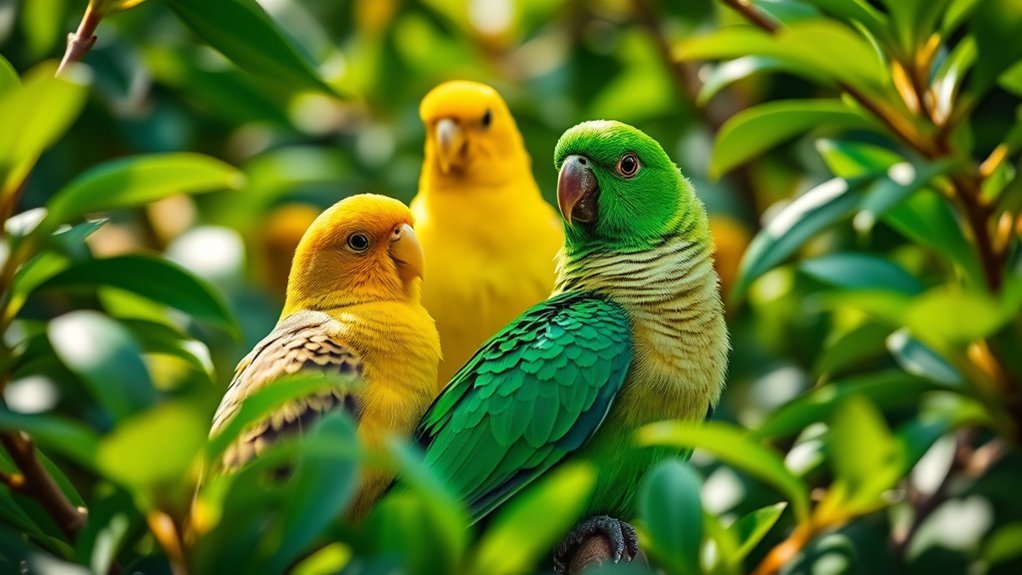
Amazon Parrots are colorful and smart birds that many people love. They've bright feathers that show off beautiful greens and yellows. Their fun personalities attract bird lovers from all over.
These parrots are very clever. They can solve problems and form close friendships. In the wild, you can find them in places like tropical rainforests and savannas.
They like to live in groups, where they look for food together. Their diet mainly includes fruits, nuts, and seeds. They also have many interesting sounds to communicate with each other.
In an aviary, seeing their bright colors is always a delight. They're more than just pets; they can bring joy and wonder into your life.
Understanding what they need helps you build a strong bond with these colorful birds. Enjoying their company can lead to a happy friendship with your Amazon Parrot!
The Australian Canaries: Colorful Companions
Australian Canaries are bright and cheerful birds that make great pets. They sing sweetly and enjoy being around people and other canaries. These colorful companions bring joy and liveliness to any home.
To keep your canaries happy and healthy, give them a balanced diet. They need seeds and fresh greens. It's also important to spend time with them. Canaries love company, so having a pair or a small group is best for their happiness.
You'll hear their lovely songs mostly in the morning and evening. These times are when they feel the most energetic and playful.
Taking care of Australian Canaries is simple. They thrive on social interaction and fun. When you create a loving home, you'll enjoy their beautiful songs and lively company every day!
The Common Yellowthroat: The Masked Marvel of Marshes
The Common Yellowthroat is a small bird found in wetlands and marshes all over North America. This bird is easy to recognize because of its black mask and bright yellow belly. It likes to keep close to water and nests in thick bushes. This gives it good cover and plenty of insects to eat.
You can watch how they find food. They quickly dart between tall plants and catch insects in the air or look under leaves for hidden snacks.
When it's breeding season, you'll hear their cheerful songs filling the air. These calls help mark their territory.
Seeing and hearing these lively birds makes you appreciate marsh areas more. You may feel inspired to help protect their homes.
The Crested Caracara: A Bold and Bright Bird of Prey
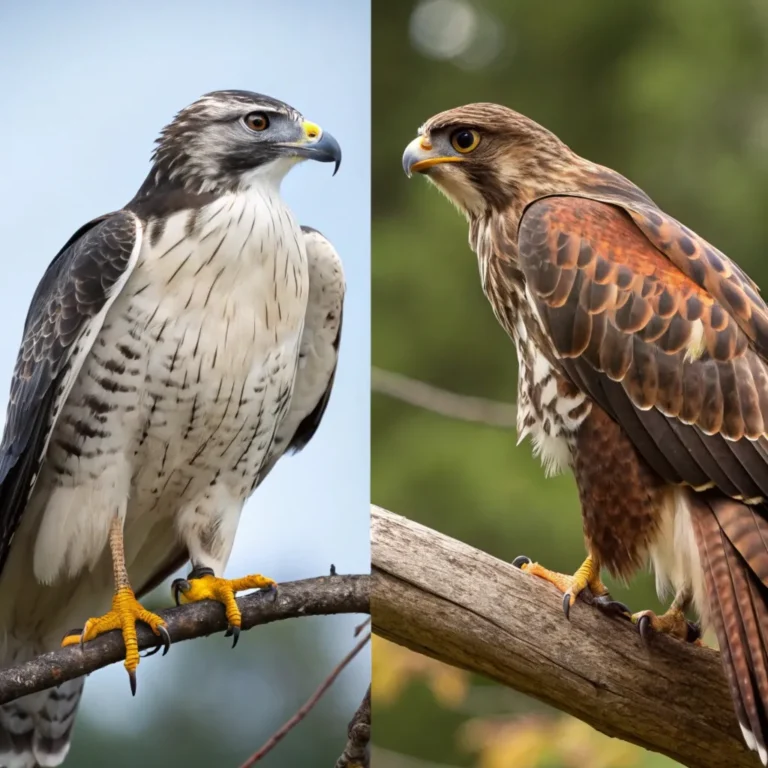
The Crested Caracara is a unique and colorful bird of prey that catches the eye. This bird is known for its bold behavior and bright plumage. You can see it in open spaces like fields and savannas, often in pairs or small groups.
The Crested Caracara is fearless. It hunts small animals and also scavenges for food. Its colorful feathers—black, white, and orange—make it one of the most vibrant raptors out there.
This bird is also adaptable, living in both city and country environments.
If you watch a Crested Caracara, you'll see why it fascinates many people. Its beauty and boldness make it a special bird to observe.
Frequently Asked Questions
What Is the Best Environment for Attracting Green and Yellow Birds?
To attract green and yellow birds to your yard, plant native plants that they like for nesting. These plants provide shelter and food. Pay attention to their migration times. Make sure you have food available when they pass through your area. This will help them feel welcome and want to visit your space.
How Can I Identify Juvenile Green and Yellow Birds?
To identify juvenile green and yellow birds, pay attention to their colors and patterns. Juvenile birds often have different markings than adult birds. Look for softer colors or unique feather patterns. These differences help show their age and growth stage.
When observing, note how they behave and where they prefer to stay. Juvenile birds may act differently compared to adults. This information can help you learn more about them. Enjoy watching these beautiful young birds as they grow!
Are There Any Endangered Green and Yellow Bird Species?
Yes, there are several types of green and yellow birds that are endangered. These beautiful birds need our help to survive. People work hard to save them by protecting their homes and starting breeding programs. This way, future generations can enjoy their beauty and understand how important they are to nature.
What Types of Food Do Green and Yellow Birds Prefer?
Green and yellow birds like to eat seeds, especially sunflower seeds and millet. They also enjoy fruits like berries and mango. These foods help keep them healthy and their feathers bright. If you want to take care of these birds, offer them a mix of seeds and fresh fruit. They will love it!
How Do Seasonal Changes Affect Green and Yellow Bird Sightings?
As the seasons change, you will see changes in green and yellow bird sightings. These birds often move from one place to another during migration. In spring and summer, they are busy breeding. You can spot them more often as they look for good spots to build nests and find food.
In fall and winter, many of these birds may leave and travel to warmer areas. This means you might see fewer bright green and yellow birds around. But when spring comes, they return, bringing their colors back to our skies.
Keep an eye out for these beautiful birds as the seasons shift! They add so much life and color to nature.

Joyce is the passionate founder of Chirping Hearts, a website dedicated to sharing her love for birds and providing valuable information about avian life. With a background in ornithology and years of experience in birdwatching, Joyce aims to inspire others to appreciate the beauty and diversity of birds. Through her engaging articles and guides, she hopes to foster a community of bird enthusiasts who share her enthusiasm for these incredible creatures. When she’s not writing, Joyce enjoys exploring nature trails and observing birds in their natural habitats.