
Does Bird Seed Expire? Understanding Seed Freshness and Storage
Bird seed can expire, and it's good to know that because it affects how healthy it is for your birds. Fresh seeds are better for their diet. The way you store bird seeds and the type of packaging can change how long they last.
To keep your birds happy and healthy, here are some tips for fresh bird seed:
- Check the Date: Always look for a date on the bag. This tells you how fresh the seeds are.
- Store Properly: Keep seeds in a cool, dry place. A sealed container works best to keep them fresh.
- Watch for Spoilage: If seeds smell bad, look funny, or have mold, throw them away. It's better for your birds.
By following these tips, you can make sure your birds get the best food possible!
A Quick Overview
Bird seed doesn't last forever. It usually stays fresh for 6 months to 1 year if it's sealed tight. Once you open the bag, try to use it within 3 months.
Old seeds can be bad for birds. They might have harmful germs, mold, or oils that have gone bad. You can tell if seeds are expired if they smell musty, look dull, have mold, or show signs of bugs.
To keep your bird seed fresh, store it in airtight containers. Put these containers in a cool, dry place. This helps prevent spoilage.
Make sure to label the containers with the date you bought the seeds. Check them often to make sure they are still good for your feathered friends.
The Shelf Life of Bird Seed

Bird seed can last different lengths of time depending on the type and how you store it. If you keep seeds in sealed packages, they can stay fresh for about six months to a year.
But once you open the bag, it's best to use the seeds within three months.
Look for "best by" dates on the packaging. These dates help you know if the seeds are still fresh and safe for birds. Old seeds can become bad, especially if the oils in them go rancid.
To keep your bird seed fresh for as long as possible, store it in a cool, dry place away from sunlight. This way, your feathered friends will always have tasty and healthy meals when they visit your feeder.
Plus, sharing this knowledge can help you connect with other bird lovers in your community!
Factors Affecting Seed Freshness

Many things can affect how fresh seeds stay, but two big ones are temperature and humidity. High temperatures can make seeds lose moisture quickly. This can cause the oils in the seeds to go bad and make them less healthy.
On the other hand, too much humidity can lead to mold, which can ruin the seeds.
Where you get your seeds is also important. Fresh seeds from good suppliers usually last longer than older seeds or those that weren't stored properly. To keep your seeds fresh, store them in a cool, dry place.
Common Types of Bird Seed and Their Longevity
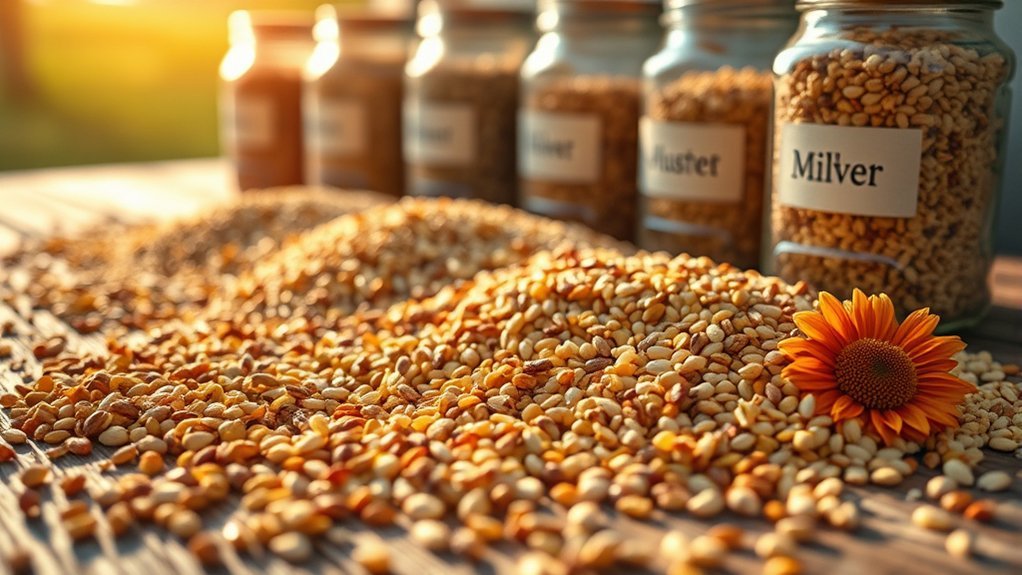
Different bird seeds last for different lengths of time. How long they last depends on what they're made of and how you store them.
Seed blends, which mix different seeds together, usually stay fresh for 6 to 12 months when kept in a good spot. On the other hand, organic seeds, which come from natural farming, can last up to 18 months if you keep them cool and dry.
A few things can make seeds go bad faster. For example, moisture and air can spoil them. Also, the oils in some seeds, like sunflower and safflower, can turn old and smell bad.
To keep your birds happy and healthy, check your bird food often. Use the oldest seeds first so your feathered friends get the best nutrition. It's a simple way to create a happy feeding time!
Signs That Bird Seed Has Expired
Keeping an eye on bird seed is important for your birds' health. Here are some simple signs that bird seed has gone bad:
- Smell: If the seed smells stale, it has probably expired. Fresh seed has a nice, nutty smell.
- Look for Mold: Check for any mold or strange colors. If you see these, it means the seed is spoiled.
- Pests: Look for tiny bugs or larvae in the seed. If you find any, throw the seed away right away. Pests can ruin all your seed.
- Color: Expired seed often loses its bright color. It may look dull or faded.
- Nutritional Value: Old seed may not be as good for birds. It can lose important nutrients.
By watching for these signs, you can make sure your birds eat well.
Healthy birds are happy birds!
Proper Storage Techniques for Bird Seed
To keep your bird seed fresh and healthy, you need to store it the right way. First, use airtight containers. This helps keep out moisture, bugs, and smells. Glass or safe plastic containers work best.
Next, find a cool place to store your bird seed. Heat can make the seeds go bad faster. A dark cupboard or pantry away from sunlight is a good choice.
Remember to label each container with the date you bought the seeds. This way, you can easily check if they're still fresh.
Try not to move the seeds to bigger containers too often. Every time you open a container, the seeds get more air, which can make them spoil faster.
The Impact of Humidity and Temperature on Seed Quality
Humidity and temperature are very important for the quality of bird seed. High humidity can cause mold to grow. Moldy seeds are bad for birds and can make them sick.
On the other hand, low humidity can dry out seeds. When seeds get too dry, they may not grow well.
Temperature changes also affect seeds. If you store seeds in places that get really hot or really cold, the seeds can spoil faster.
To keep your bird seed fresh, store it in a cool, dry place.
It's a good idea to check on these factors regularly. This way, you can make sure your bird seed stays nutritious. Fresh seeds are important for the health of your birds.
Plus, taking care of your seeds connects you with other bird lovers who want the best for their feathered friends!
How to Maintain Seed Freshness
Keeping seeds fresh is important for your birds' health. Here's how you can do it easily.
First, store your seeds in a cool and dry spot. Make sure they're away from sunlight and moisture. Use airtight containers to keep air and moisture out. This helps prevent spoilage.
When you buy seeds, look for vacuum-sealed packages or those with harvest dates. This way, you know they're fresh.
Also, try using older seeds first. This will help you reduce waste and make sure you always have good seeds.
It's also a good idea to keep your bird feeding areas clean. Clean spaces help avoid contamination, which can harm seed quality.
The Nutritional Value of Fresh vs. Expired Seed
Fresh bird seed is much better for your pet than expired seed. Fresh seeds keep important vitamins, minerals, and healthy fats that help your birds stay healthy. Over time, old seeds can lose these nutrients and may even get moldy. When this happens, birds mightn't want to eat them.
Stale seeds can also cause problems for your birds. They may not have enough energy or have trouble digesting their food. Plus, old seeds might've harmful bacteria or fungi that can make your birds sick.
By choosing fresh seed, you give your birds a balanced diet. Fresh seed helps them stay strong and live longer. This helps create a happy home for your feathered friends and strengthens the bond you share with them.
Always pick fresh seed to keep your birds healthy and happy!
When to Dispose of Old Bird Seed
How do you know when to throw away old bird seed? Look for some clear signs. If the seed smells musty or looks different in color, it's time to let it go. If you see mold or insects, you should definitely throw it away.
Old bird seed can also lose its nice smell and become less nutritious. This can affect the health of the birds visiting your yard. Generally, bird seeds stay fresh for about six months to a year if you store them right.
If you're unsure if the seed is still good, you can try a germination test. Just add some seeds to soil and see if they sprout.
Also, watch how your birds act. If they seem less interested in the food, that's a sign to toss the old seed.
Keeping your feeders full of fresh seed helps your birds stay healthy and makes your yard a great place for bird-watching. So, keep an eye on your bird seed, and enjoy watching the birds!
Tips for Buying Fresh Bird Seed
When you buy bird seed, pick the best quality. Fresh seeds are key for your birds' health. Older seeds lose nutrients, so check the packing date. Choose seeds with the longest expiration date.
Buy from trusted stores that focus on bird supplies. This way, you know the seeds are kept in good shape. Look for seeds that are clean and free of mold, dust, or bugs.
Mix different types of seeds to feed various bird species. This makes their meals more exciting and nutritious.
Following these simple tips helps you take care of your birds and keeps them happy and healthy.
Frequently Asked Questions
Can I Use Expired Bird Seed for Composting?
Yes, you can use expired bird seed in your compost. It adds nutrients that help your compost. This can make your soil healthier, help your plants grow better, and support more wildlife in your garden. So, if you have old bird seed, toss it in the compost! It's a good way to recycle it and boost your garden's health.
Is Bird Seed Still Safe After Freezing?
Freezing bird seed can help keep it fresh. If you store it the right way, the seeds stay good and safe for the birds to eat. This means you can keep feeding the birds and feel good about helping nature. So, go ahead and freeze that bird seed!
How Can I Tell if Bird Seed Is Stale?
To check if your bird seed is stale, look for a few signs. First, sniff the seeds. Fresh seeds smell nutty, while stale seeds have a musty smell. Next, check the color. If the seeds look dull or faded, they might be old.
Feel free to trust your senses. If something seems off, it's best to throw the seeds away. Keeping your feathered friends happy and healthy is worth it!
Does Bird Seed Mold When Stored Improperly?
Yes, bird seed can get moldy if you don't store it right. To keep your bird seed fresh, here are some easy tips:
- Store It Cool: Keep the seeds in a cool place. Heat can make them damp and encourage mold.
- Keep It Dry: Make sure the area is dry. Moisture is a big enemy for seeds.
- Check Regularly: Look at the seeds every so often. If you smell something weird or see any color changes, it's a sign you need to throw them away.
Can Expired Bird Seed Harm My Birds?
Expired bird seed can be harmful to your birds. When bird seed gets old, it can grow mold and lose important nutrients. This can make your birds sick. Always check the date on the bird seed before you feed it to your pets. Keeping their food fresh helps keep them healthy and happy. Take care of your feathered friends by giving them good food!

Joyce is the passionate founder of Chirping Hearts, a website dedicated to sharing her love for birds and providing valuable information about avian life. With a background in ornithology and years of experience in birdwatching, Joyce aims to inspire others to appreciate the beauty and diversity of birds. Through her engaging articles and guides, she hopes to foster a community of bird enthusiasts who share her enthusiasm for these incredible creatures. When she’s not writing, Joyce enjoys exploring nature trails and observing birds in their natural habitats.