Bird-X Reflective Scare Tape Review: Is It Worth The Hype?
Birds can ruin your garden in just one day. They peck at fruit. They scare away your peace of mind. If you grow apples or blueberries, you know this pain well.
Bird-X Reflective Scare Tape offers a simple fix. This tape uses light and movement to keep birds away. It works without hurting any animals.
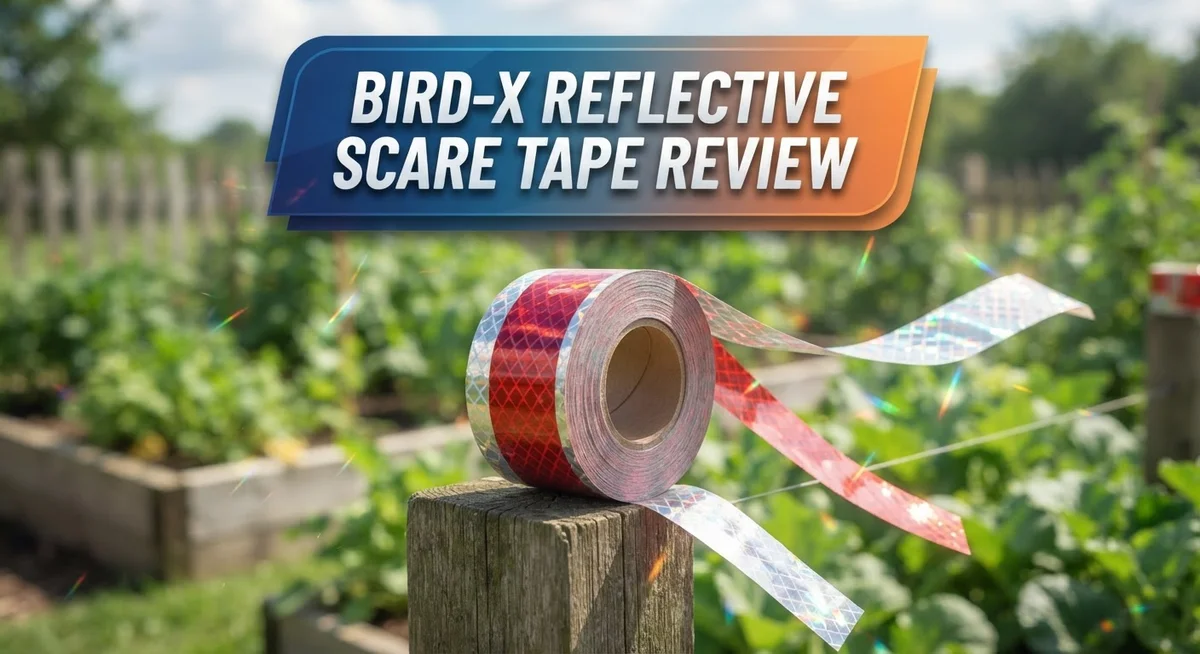
The tape has a double sided holographic design. It flashes light in many directions. This confuses and startles birds that come near.
You can use this tape almost anywhere. Wrap it around trees. Hang it on fences. Stick it near windows or patios. It adapts to your space with ease.
Many gardeners report real results with this product. Apple and blueberry growers have seen less bird damage. The tape feels thicker than many other brands too.
Of course, no tape works for every bird. Hungry or determined birds may still ignore it. But for everyday bird pressure, this tape gives your garden an extra layer of protection.
Let’s look closer at what makes this tape worth trying.
In a Nutshell
Here’s what you need to know about this tape at a glance:
-
Each roll runs long, giving you plenty of coverage for trees, fences, or patios without constant refills.
-
The material feels thicker than most competing tapes. This means it holds up better against wind and rain.
-
Birds react to two things at once: flashing light and sudden movement. This dual sensory trick keeps them on edge.
-
It’s completely non-toxic. Your family, pets, and local wildlife stay safe while the tape does its job.
-
Documented cases show it protects crops like apples and blueberries. Orchard owners have seen real drops in bird damage.
-
Keep in mind that hungry or determined birds may not scare off easily. Pairing this tape with netting gives you stronger backup protection.
-
Over time, some birds may get used to the tape. Moving it to new spots every few weeks keeps the surprise factor alive.
This tape works best as part of a bigger bird control plan. It’s a smart, simple layer of defense for your garden or orchard.
Material Quality and Weather Resistance
Bird-X Reflective Scare Tape holds up well against the elements. The material uses a durable, weather-resistant construction that survives rain, wind, and sun exposure. This matters because you need your bird deterrent to last through entire growing seasons without falling apart.
The tape comes in widths of 1.9 to 2.5 centimeters, which gives you a solid surface for light reflection. Longer rolls (80 to 328 feet per roll) mean fewer trips up ladders for replacements. You get 2 to 4 roll packs depending on your coverage needs.
Double-sided holographic design is the key to durability here. Both sides reflect light, so the tape works whether birds approach from above or below. The holographic pattern catches sunlight at different angles throughout the day. This constant movement and flashing creates the visual deterrent effect birds find unsettling.
The construction feels noticeably thicker than generic reflective tapes you find at big box stores. This extra thickness means the material resists tearing from wind or branch movement. Thicker tape also maintains its reflective properties longer before fading occurs.
Weather resistance comes from the material’s ability to resist UV damage and moisture. Outdoor conditions like intense sun, rain, and temperature swings break down cheaper alternatives quickly. Bird-X tape maintains its reflective shine even after months of exposure.
One real-world consideration: the tape’s effectiveness depends partly on local conditions. Hungry or persistent birds may ignore the deterrent if food sources are scarce. In those cases, combining this tape with physical barriers like netting gives you better protection.
The tape requires periodic inspection as seasons change. Branches move, wind can loosen edges, and accumulated debris might reduce reflection. Simple maintenance keeps the deterrent working at peak performance.
For orchards and gardens, this material quality means you can rely on consistent performance. The investment in thicker, weather-resistant construction pays off through reliable bird protection across multiple seasons without constant replacement.

- Multi-Sensory Attack: A multi-sensory approach to keep birds away, the Bird-X holographic Irri-Tape...
- Versatile Applications: This holographic tape can be tied to poles, hung from rafters, or even wrapped...

Last update on 2026-10-06 / Affiliate links / Images from Amazon Product Advertising API
Reflective Design and Dual Sensory Deterrent
How the Dual Sensory Design Works
Bird-X Reflective Scare Tape stops birds through two separate triggers at the same time. The first trigger is light reflection. When sunlight hits the holographic surface, it bounces back in unpredictable flashes. Birds find these sudden light bursts confusing and threatening.
The second trigger is movement. Wind causes the tape to flutter and twist. This constant motion mimics predator activity or danger signals that birds instinctively avoid. Together, these two sensory inputs create an environment that feels unsafe to most birds.
Why This Combination Matters
Single sensory deterrents often fail because birds adapt quickly. A bird might ignore steady noise or get used to a stationary object. However, combining light and movement makes adaptation much harder. The bird’s brain receives conflicting alarm signals from multiple senses at once.
This dual approach explains why Bird-X Reflective Scare Tape performs better than basic reflective ribbons or simple spinners. The holographic coating ensures consistent light reflection from every angle. The tape’s thickness and material quality allow it to move freely in gentle breezes while staying attached to branches or fencing.
Real World Application
Gardeners report success using this tape on fruit trees, vegetable gardens, and even around patios. The tape works particularly well in orchards where apples or blueberries need protection. Birds encounter both visual and tactile warnings the moment they approach treated areas.
Keep expectations realistic though. The dual sensory design works best when birds have other food sources available. A starving bird facing limited options may ignore both the flashing light and movement. Environmental factors like wind speed, sunlight intensity, and local bird species also affect results.
For maximum effectiveness, combine this tape with other strategies. Physical netting provides guaranteed protection for high value crops. Using the tape alongside netting, decoys, or sound deterrents creates layers of defense that birds find nearly impossible to overcome.
Application Versatility and Installation
Bird-X Reflective Scare Tape works on many surfaces around your home and garden. You can stretch it across tree branches, wrap it around fence posts, or hang it near windows and patios. The tape sticks easily to most outdoor materials without causing damage.
Installation takes just a few minutes. Cut the tape to your desired length, then secure it with the adhesive backing or tie it loosely to branches. The loose, dangling method often works best because movement amplifies the deterrent effect. Birds see the flashing light and feel startled by the sudden motion.
Trees and fruit crops benefit most from this tape. Wrap several strips around apple, blueberry, or cherry trees to protect your harvest. Space the strips about 12 to 18 inches apart for consistent coverage. Gardeners report strong results when they cover the upper and outer branches where birds typically land.
For fences and garden edges, attach the tape horizontally along the top rail or weave it through chain-link sections. This creates a visual barrier that birds avoid. The reflective surface catches sunlight throughout the day, maintaining constant visibility.
Window and patio applications require a different approach. Cut shorter strips and apply them vertically on glass surfaces or hang them from eaves. The tape won’t harm your windows and removes cleanly when you no longer need it.
Seasonal maintenance matters. Check the tape every few weeks, especially after heavy rain or wind. Replace any sections that curl, fade, or lose adhesion. Over time, UV exposure may dull the reflective finish, reducing effectiveness.
One practical tip: avoid placing tape in areas where it might tangle with power lines or create hazards for people or pets. Keep strips away from high traffic zones.
The versatility of this tape makes it useful for both small gardens and larger agricultural areas. Whether you’re protecting a few potted plants or an entire orchard, Bird-X Reflective Scare Tape adapts to your space. Combine it with netting or other deterrents for guaranteed protection against persistent birds.
Top 3 Alternatives
Aspectek Bird Spikes

- DURABLE POLYCARBONATE BUILD: Made with sturdy plastic polycarbonate prongs and a UV-protected base...
- 10 FT WIDE COVERAGE: Includes 10 individual 1 ft bird spike strips for a total of 10 ft coverage. Each...
Last update on 2026-10-06 / Affiliate links / Images from Amazon Product Advertising API
Aspectek Bird Spikes work by creating an uncomfortable landing surface for birds. These spikes don’t harm animals. Instead, they make perches feel unsafe. You install them on ledges, fences, and railings where birds usually land.
The spikes are made from stainless steel and polycarbonate. This combination makes them last through rain, snow, and sun. Birds simply avoid the area because landing becomes difficult. This method works without noise or chemicals.
Installation takes minutes. You use adhesive strips or screws to attach them. The spikes cover about 6 inches per strip, so you can customize coverage for your space.
Homescape Creations Bird Netting

- 【Perfect Size for Garden Protection】Avagiaforu bird netting for garden measures 13ft x 32ft with...
- 【Sturdy & Reusable Garden Netting】Made from durable PP material, this garden netting is lightweight...
Last update on 2026-10-06 / Affiliate links / Images from Amazon Product Advertising API
Homescape Creations Bird Netting creates a physical barrier birds cannot cross. You stretch the netting over gardens, patios, or open areas. The fine mesh keeps birds out while letting light and water through.
This option works best for protecting specific zones. Unlike tape, netting stays in place during wind and storms. The material is UV-resistant, so it won’t degrade quickly in sunlight.
Installation requires more effort than tape. You need to secure the netting edges carefully. Once set up properly, it provides reliable protection for months.
De-Bird Scare Balloons

- Comprehensive Bird Control: De-Bird offers a versatile bird deterrent balloon solution, ideal for keeping...
- Durable Weatherproof Protection: Constructed to endure extreme outdoor conditions, these bird balloons...
Last update on 2026-07-11 / Affiliate links / Images from Amazon Product Advertising API
De-Bird Scare Balloons use visual deterrence to frighten birds away. Each balloon features large eye-like patterns. Birds mistake these patterns for predator eyes and avoid the area.
You hang the balloons from trees, fences, or structures. The balloons move with wind, creating unpredictable motion. Birds find this movement threatening and stay away. The balloons work during day and night.
These balloons are lightweight and easy to position. They require no installation tools or special skills. Simply hang them where birds gather most often.
Effectiveness Against Common Garden Pests
Bird-X Reflective Scare Tape works against common garden pests through its unique dual sensory approach. The tape uses light reflection combined with physical movement to create an environment that birds find uncomfortable and unpredictable.
When sunlight hits the holographic surface, it produces flashes that mimic predator eyes or fire. Birds interpret these sudden light bursts as danger signals. The movement trigger activates when wind causes the tape to flutter and twist. This constant motion prevents birds from settling on branches or crops they might otherwise target.
The combination matters because birds adapt quickly to single deterrents. A stationary reflective object loses effectiveness after a few days as birds realize it poses no real threat. The dual approach keeps birds guessing since they experience both visual and tactile warnings simultaneously.
Real-world results show strong performance on fruit trees. Gardeners report reduced damage to apples, blueberries, and cherries when tape is properly installed. Vegetable gardens also benefit, especially when protecting young seedlings from foraging birds. The tape performs well around patios and seating areas where birds might otherwise land.
However, effectiveness depends on local conditions. In areas with high bird pressure or during migration seasons, determined birds may ignore the deterrent. Hungry birds searching for food sometimes push through the tape’s defenses. This is why combining the tape with netting provides guaranteed protection for your most valuable crops.
The tape works best as part of a broader pest management strategy. Using it alongside other methods like scare devices, netting, or habitat modification increases your success rate. Seasonal changes affect performance too. Winter months or breeding seasons may require adjusting tape placement or adding supplementary deterrents.
Installation location makes a difference in effectiveness. Placing tape on fruit trees produces better results than using it on open garden beds. The confined space of branches helps concentrate the visual and movement effects. For maximum impact, install the tape before birds establish feeding patterns in your garden.
Long-Term Performance and Bird Habituation
Bird habituation is the main challenge with reflective scare tape. Birds learn quickly. After a few weeks or months, they may realize the tape poses no real threat.
Why birds adapt so fast depends on hunger levels and local bird pressure. A starving bird ignores the tape. A bird with plenty of food sources elsewhere respects it longer. Your garden’s appeal to local flocks matters greatly.
The tape works best during early spring and fall migration seasons. Birds passing through your area have less time to figure out the tape is harmless. Resident birds that stay year-round develop resistance faster.
Rotating your deterrent strategy prevents habituation. Use the tape for 4 to 6 weeks, then remove it. Switch to netting or gel repellents for the next period. Bring the tape back later. This rotation keeps birds guessing and extends effectiveness.
Weather exposure also affects long-term performance. Sun, rain, and wind gradually fade the holographic shine. A tape that reflects brilliantly in month one may look dull by month four. Thicker construction like Bird-X uses slows this fading, but it still happens.
Maintenance extends tape lifespan. Check your installations monthly. Replace sections that show visible wear or loss of reflective coating. Clean debris from the tape surface so light reflection stays strong.
Combining the tape with physical barriers gives better results. If birds do habituate to the visual and movement triggers, they still cannot land safely. Netting works as your backup plan when tape alone fails.
The tape performs better in smaller, protected spaces like fruit trees or vegetable patches. Large open areas attract more birds and increase habituation pressure. Your garden size influences how long the tape stays effective.
Realistic expectations matter most. Plan for 6 to 12 weeks of strong performance before noticeable decline. Use this window to harvest vulnerable crops or establish other deterrents. Think of the tape as a temporary solution, not permanent protection.
Pros and Cons
Pros
- Double-sided holographic design reflects light and creates movement, giving birds two reasons to stay away
- Thicker construction holds up better against weather and UV exposure compared to standard reflective tapes
- Safe for all garden types, including vegetable patches, orchards, and areas where pets roam
- Works on multiple surfaces like tree branches, fence rails, window frames, and patio edges
- Proven results on fruit crops, with gardeners reporting less damage to apples, blueberries, and similar produce
Cons
- Birds may ignore the tape if they are hungry or if local bird pressure is very high
- Effectiveness decreases over time as birds learn the tape poses no real threat
- Works best as one part of a larger strategy, not as a standalone solution for serious infestations
- Requires regular checks and rotation with other deterrents to prevent birds from adapting too quickly
Who Should Buy It
Bird-X Reflective Scare Tape works best for specific gardener types and situations. Home gardeners with fruit trees are ideal customers. If you grow apples, blueberries, cherries, or similar crops, this tape delivers real results.
Orchards and small farms benefit most from this product. The tape covers multiple trees without overwhelming your setup. You get broad protection across your property with minimal installation effort.
Gardeners who prefer non-toxic solutions should consider this tape. It contains no chemicals, poisons, or sticky residues. Your pets, children, and beneficial insects stay completely safe.
Urban and suburban gardeners find this especially useful. Window protection, patio coverage, and fence lines all work well. The tape blends into most settings without looking industrial or harsh.
You’re a good fit if you combine multiple deterrent methods. The tape works best alongside netting, physical barriers, or rotation strategies. Solo use works, but layered approaches give stronger results.
Early-season planners see the best outcomes. Install the tape in spring before birds establish feeding patterns. This timing catches migrating birds and prevents damage before it starts.
Gardeners in areas with moderate bird pressure get consistent performance. Light to medium bird activity responds well to the reflective effect. High-pressure zones with very hungry birds may need additional support.
Patience-focused gardeners suit this product well. You understand bird habituation happens. You’re willing to rotate the tape every 4 to 6 weeks or combine it with other methods for long-term success.
Homeowners protecting specific zones benefit greatly. A vegetable patch, berry section, or small orchard responds better than protecting an entire large property alone.
You should skip this if you expect permanent, hands-off protection. The tape requires monitoring and occasional replacement. Birds may adapt if you leave it running unchanged for months.
Renters and temporary gardeners also find value here. Installation is quick and removal leaves no damage. You protect your garden without permanent modifications to the property.
Final Verdict
Bird-X Reflective Scare Tape earns its spot as a smart, simple tool for bird control. It gives gardeners a quick way to protect crops without chemicals or traps.
The build quality stands out. Its thicker material and dual sensory design make it a stronger choice than many basic tapes sold elsewhere.
Compared to Irri-Tape or generic store brands, this product feels more dependable. The holographic shine and flutter combination gives birds a clearer signal to stay away.
Bird Proof Gel works differently, using stickiness instead of visual deterrents. Some gardeners pair both products for layered protection, but the tape alone handles most light to moderate bird problems well.
This tape shines as a first line of defense. It will not replace netting in high pressure situations, but it adds a reliable layer of protection.
Think of it as part of a bigger plan. Pair it with other tools and rotate your methods for the best long term results.
Overall, this product delivers solid value for its purpose. It protects fruit, seeds, and seedlings without harming birds or other wildlife.
Setup takes minutes, and the tape fits almost any garden structure. That ease of use makes it a practical pick for busy gardeners.
Our final take: this tape works best as part of a smart bird control strategy, not a standalone fix. Gardeners who expect instant, permanent results might feel disappointed.
Those who understand its limits will see real benefits. Expect less fruit damage, fewer bird visits, and a safer garden space overall.
If you want a non-toxic, easy to install deterrent, this tape delivers. It earns a strong recommendation for home gardeners, orchard owners, and anyone tired of sharing their harvest with birds.
In short, Bird-X Reflective Scare Tape offers a dependable, humane way to protect your plants. Use it wisely, and it will reward you with a healthier, bird-free harvest.
Frequently Asked Questions
How long does Bird-X Reflective Scare Tape last outdoors?
This tape holds up well in most weather conditions. The reflective surface stays shiny for several months, though UV rays and rain gradually fade it. Most gardeners replace their tape annually or mid-season to maintain peak effectiveness. In harsh climates, you may need to refresh it sooner.
The real limit isn’t durability. It’s bird habituation. Birds learn over time that the tape causes no harm, so they ignore it. Rotating your deterrent methods keeps birds from getting comfortable.
Can I use this tape on vegetable gardens and food crops?
Yes, absolutely. The tape is non-toxic and safe for edible plants. You can wrap it around stakes, tie it to bean trellises, or drape it across garden beds without worry.
Apply it before birds discover your crops. Early placement works better than waiting until damage starts. Birds are easier to discourage than redirect once they’ve found a food source.
Does the tape work on all bird species?
The reflective flash and movement deter most garden birds. Crows, jays, starlings, and smaller songbirds typically react to it. However, hungry or desperate birds may ignore visual warnings. In areas with high bird populations competing for food, the tape alone may not stop damage.
This is why combining methods works best. Pair the tape with netting, decoys, or sound devices for stronger results.
Will birds get used to the tape?
Yes, they will. Birds are smart. After a few weeks, some birds realize the tape poses no threat and return to feeding. This habituation happens faster when bird pressure is high or food is scarce.
Rotate your deterrents every 2 to 3 weeks. Switch between the tape, different colored objects, or sound devices. This keeps birds uncertain and maintains effectiveness.

Joyce is the passionate founder of Chirping Hearts, a website dedicated to sharing her love for birds and providing valuable information about avian life. With a background in ornithology and years of experience in birdwatching, Joyce aims to inspire others to appreciate the beauty and diversity of birds. Through her engaging articles and guides, she hopes to foster a community of bird enthusiasts who share her enthusiasm for these incredible creatures. When she’s not writing, Joyce enjoys exploring nature trails and observing birds in their natural habitats.