
Blue and Yellow Parrot Bird: Characteristics and Care Tips
If you want to bring a Blue and Yellow Macaw into your home, you need to know about their special needs. These birds are beautiful and full of energy. They love to play and interact with people.
To keep your Macaw happy and healthy, pay close attention to its diet and living space. Macaws need a balanced diet that includes fruits, nuts, and pellets. They also enjoy plenty of toys to play with and a big cage where they can move around.
Taking care of a Blue and Yellow Macaw can be a lot of fun. They can be great companions and can even learn to talk! Just remember, they need love and attention. Make sure you give them time to bond with you. With the right care, these parrots can bring joy to your home for many years.
A Quick Overview
Blue and yellow macaws are big birds! They can grow from 30 to 36 inches long. Their wings are bright blue, and they have a sunny yellow belly.
These parrots have fun and playful personalities. They love to be around people and make strong friendships with their owners.
To keep your macaw healthy, feed it a balanced diet. This includes high-quality pellets, a mix of seeds, and fresh fruits and veggies. Avoid feeding them dangerous foods like avocado or chocolate.
Make sure their cage is large enough. It should be at least 24 inches wide, 24 inches deep, and 36 inches tall. Add perches, toys, and climbing areas to keep your macaw busy and happy.
Take your bird to the vet regularly to check its health. Keep an eye on what it eats and the space it lives in for the best care.
With the right care, your blue and yellow macaw will thrive and bring joy to your home!
Physical Characteristics of the Blue and Yellow Parrot

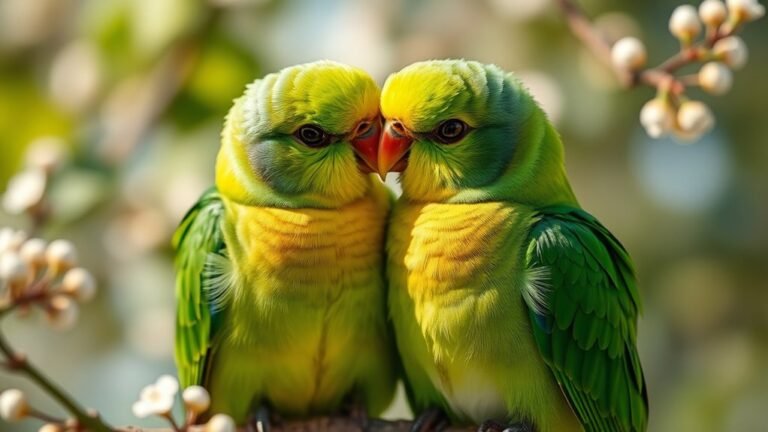
The blue and yellow parrot, also called the blue-and-yellow macaw, is a colorful bird that stands out in any crowd. Its wings are a deep cobalt blue, and its belly is a bright sunny yellow. This colorful mix makes it really eye-catching.
These macaws are pretty big, measuring about 30 to 36 inches from their beak to the end of their tail. They're one of the larger types of parrots. Their strong beaks and big, lively eyes match their size well.
When their feathers are taken care of, they look great and stay healthy. Knowing these details about their looks helps you take better care of them and enjoy their beauty even more.
Personality Traits and Social Behavior

Spending time with a blue and yellow parrot is always fun! These birds have bright personalities and love to socialize. They enjoy playing and interacting with their human friends. Your parrot might chat with you, mimic sounds, and even play games. They're smart and curious!
To keep your parrot happy, give them lots of toys and activities. They like to stay busy and need things to challenge their minds.
Parrots form strong bonds with their owners. They can become very attached and will want to spend time with you.
Diet and Nutrition Requirements

A balanced diet is very important for your blue and yellow parrot's health.
Start with good-quality pellets. These pellets give your bird the right nutrients.
Choose a seed mix that includes sunflower seeds, millet, and canary seeds. Avoid mixes that have too much fat.
Give your parrot fresh fruits and vegetables every day. Apples, carrots, and leafy greens are great options.
But remember, never feed them avocado or chocolate. These foods are toxic for birds and can make them very sick.
Always provide fresh water for your parrot. If your vet suggests it, you can also give some nutritional supplements.
Mealtime is a fun time! Enjoy watching your parrot try new foods. It's a great way to bond with your pet and keep them healthy!
Ideal Habitat and Living Conditions
To keep your blue and yellow parrot happy and healthy, it's important to create a good living space for them. Start with a cage that's big enough for your parrot to move around. A size of at least 24" x 24" x 36" works well. This gives them room to stretch their wings, climb, and play.
Next, think about how to make their environment interesting. Add perches at different heights so your parrot can hop around. Include toys that challenge them to think and play. You can also add swings or climbing structures. Remember to change the toys often to keep them excited.
Safe branches are great for chewing and exploring too.
Spend time with your parrot outside the cage. This helps build a close bond and makes your bird feel like part of the family. A fun and comfy home will keep your feathered friend happy!
Health Care and Veterinary Needs
To keep your blue and yellow parrot healthy, you need to take them to the vet regularly and watch how they behave. Make sure to schedule a vet visit at least once a year. This will help you catch any health problems early. Common issues for these birds include feather plucking, breathing problems, and not eating well.
At the vet, the doctor will check how your parrot is doing and may suggest vaccines or changes to their food. Keep an eye on how they act, what they eat, and their poop. If anything seems off, it could mean they need help.
Feeding your parrot a healthy diet, giving them toys to play with, and keeping their space clean are all important.
Frequently Asked Questions
What Is the Average Lifespan of a Blue and Yellow Parrot?
The average lifespan of a blue and yellow parrot is between 20 to 30 years. Their age can change based on how well they are cared for. A good diet, a nice home, and proper care are all important. Make sure your feathered friend has a healthy and happy environment to live in. This helps them live a longer life!
Are Blue and Yellow Parrots Good Pets for Children?
Yes, blue and yellow parrots can be great pets for kids! They are fun and love to play. These parrots enjoy being around people, which makes them lively friends. It's important for adults to watch over them. These birds have a lot of energy and need guidance. Having an adult around helps keep everyone safe and happy.
Can Blue and Yellow Parrots Learn to Talk?
Yes, blue and yellow parrots can learn to talk! They are great at copying sounds. If you spend time with them and reward them when they do well, they will get even better at talking. You will enjoy hearing their funny voices and learning about their unique personalities!
Do Blue and Yellow Parrots Require a Companion Bird?
Yes, blue and yellow parrots love social interaction. They really benefit from having a friend bird. When they have a buddy, they feel less lonely and happier. A companion can give them fun activities to do and make their lives better. So, if you have a blue and yellow parrot, consider getting another bird to play with!
What Are Common Behavioral Problems in Blue and Yellow Parrots?
Blue and yellow parrots can get bored easily. When they feel bored, they may start feather plucking. To help them stay happy and healthy, give them fun toys to play with. Spend time with them and let them socialize. Regular activities keep their minds busy. Your attention is important for their well-being. Keeping them engaged helps their emotions and physical health.

Joyce is the passionate founder of Chirping Hearts, a website dedicated to sharing her love for birds and providing valuable information about avian life. With a background in ornithology and years of experience in birdwatching, Joyce aims to inspire others to appreciate the beauty and diversity of birds. Through her engaging articles and guides, she hopes to foster a community of bird enthusiasts who share her enthusiasm for these incredible creatures. When she’s not writing, Joyce enjoys exploring nature trails and observing birds in their natural habitats.