Florida Blue Birds: A Guide to Local Species
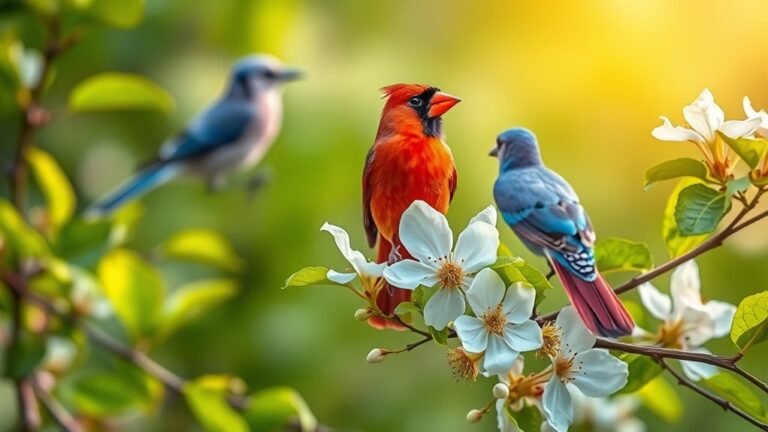
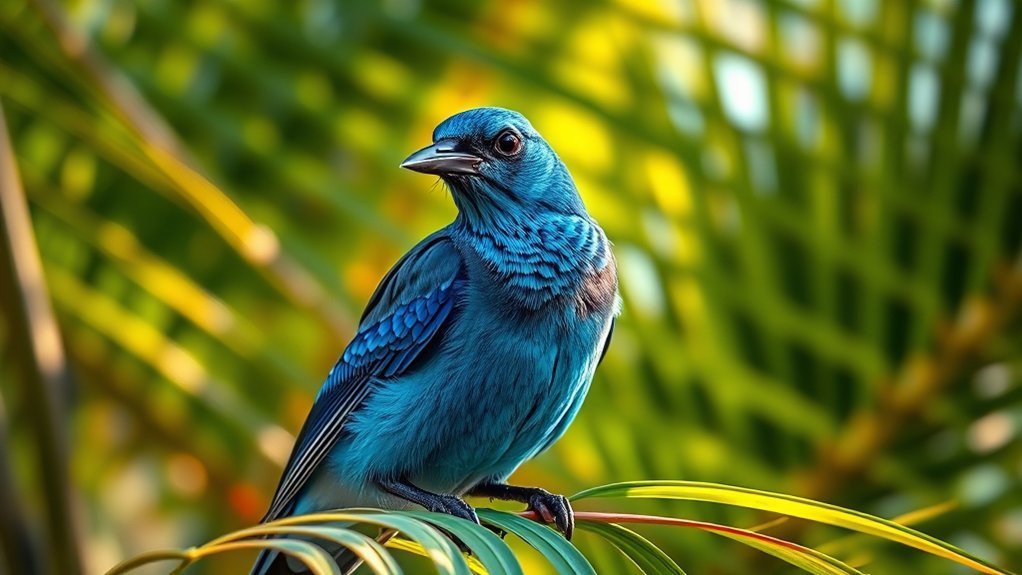
Florida has many blue birds. Each species is different and has special traits. Learning how to tell them apart and where they live is important for birdwatching.
One popular blue bird is the Blue Jay. This little bird is social and loves to hang around with friends. Another interesting bird is the Florida Scrub-Jay. It likes to hide, so you have to look carefully to find it.
These birds help their environment in many ways. They eat insects and help spread seeds for new plants. Watching how they move with the seasons can teach us a lot about nature.
If you want to see these birds, visit parks, gardens, or nature reserves in Florida. Remember, every bird counts! Protecting their homes is important for keeping them safe. Enjoying birdwatching and learning about these blue birds can make your outdoor experiences even better.
A Quick Overview
Florida has many beautiful blue birds. Some of the most common are the Eastern Bluebird, Blue Jay, Indigo Bunting, and Florida Scrub-Jay.
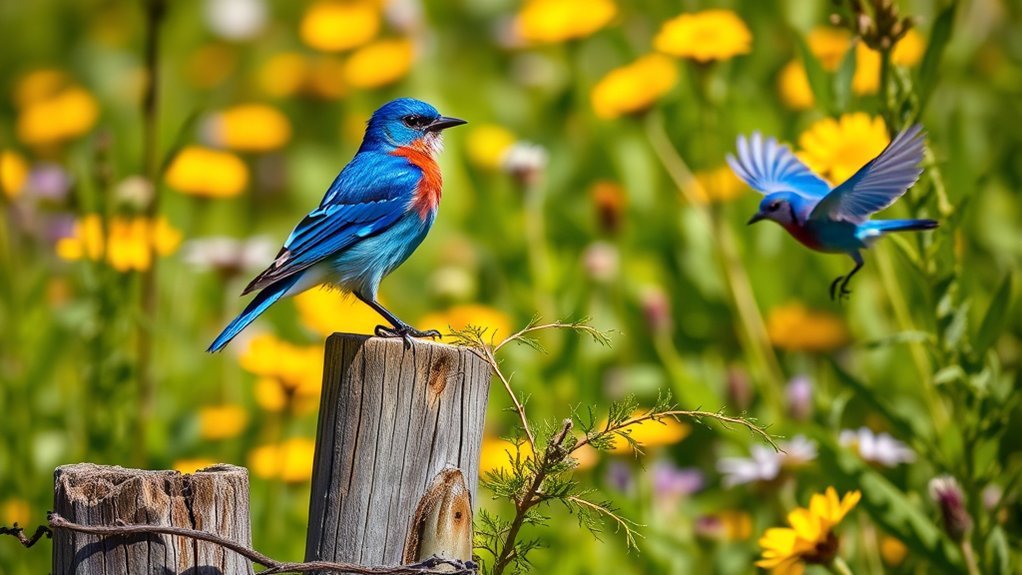
You can tell an Eastern Bluebird by its bright blue back and orange belly. The Blue Jay is easy to spot with its striking blue and black markings.
These birds like different homes. Eastern Bluebirds prefer open fields where they can hunt for insects. On the other hand, Florida Scrub-Jays like scrublands, which are low bushes and trees. This shows how important it is for birds to have the right place to live and find food.
Birds change their behavior with the seasons. They might move around to find food or build nests. Watching birds is exciting because you can see different ones at different times of the year.
You can help local birds by joining conservation efforts in your community. This not only helps the birds but also brings people together to support nature in Florida. So, grab your binoculars and enjoy observing these lovely blue birds!
Overview of Florida's Blue Bird Species
Florida has many amazing blue birds. Each type plays an important role in the state's bird community.
If you look at the habits of these blue birds, you'll see they move around differently based on the weather and where they can find food. For example, the Blue Jay and Eastern Bluebird change their locations with the seasons to find food and raise their young.
Learning about how these birds travel can help you appreciate them even more. It can also help you join local birdwatching groups.
Eastern Bluebird: Identification and Habitat
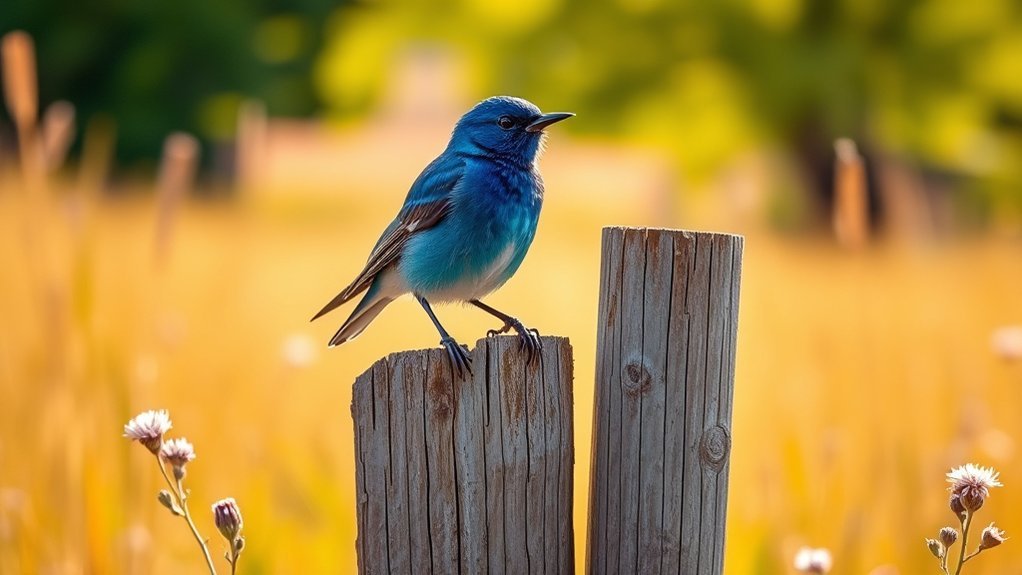
The Eastern Bluebird is a colorful bird. It has bright blue feathers and a rusty orange throat. You can often see it sitting on a fence post or a low branch, looking around. This bird sings a lovely song. It uses this song to attract a mate and to protect its nesting area.
When it comes to nesting, the Eastern Bluebird likes open fields or lightly wooded areas. It often uses old tree holes or artificial boxes to make its nest. These birds are social and often return to the same nesting sites every year.
Learning about the Eastern Bluebird helps us enjoy and connect with Florida's nature. These birds are beautiful and interesting, and watching them can bring joy to our days.
Blue Jay: Characteristics and Behavior
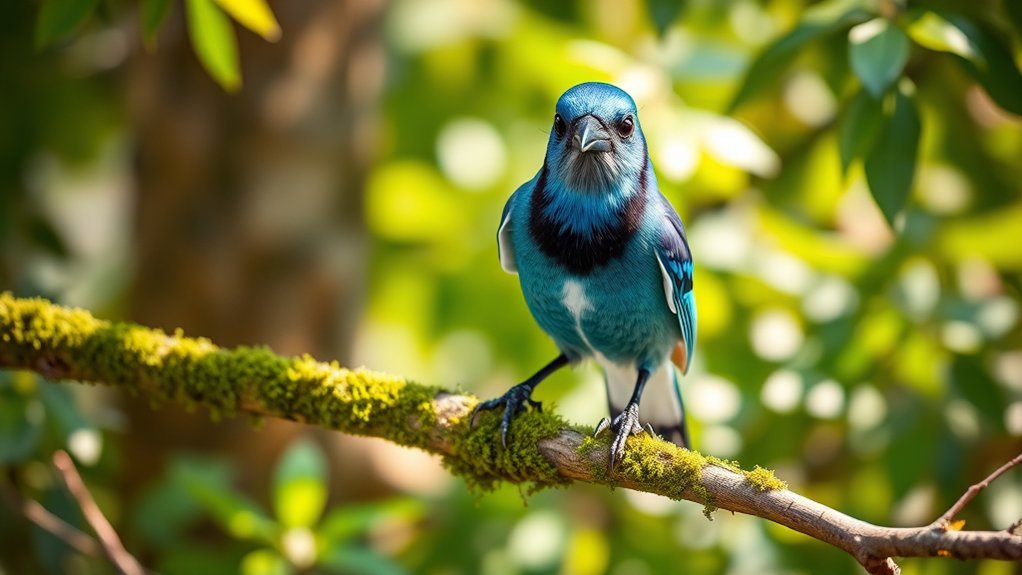
The Blue Jay is a beautiful bird with bright blue feathers and dark markings. You can find these birds in the forests and parks of Florida.
They're really interesting to watch because of their smart behavior. Here are some cool facts about Blue Jays:
- They live in family groups and have a social side.
- They make different sounds to communicate, like warning calls or songs for mating.
- Blue Jays eat a variety of foods, including nuts, seeds, and insects.
- They often hide food in different places to eat later when food is scarce.
These actions show how adaptable and clever Blue Jays are. Their communication skills and problem-solving abilities make them fun to study.
Watching Blue Jays can help you enjoy and appreciate the lively bird community in Florida.
Indigo Bunting: Appearance and Range
The Indigo Bunting is a beautiful bird you can spot in nature. Adult male buntings are bright blue, while the females have a more muted brown color.
You can find these birds in places like open woodlands, fields, and shrubs, especially in the eastern United States during migration.
Watch how these birds move! They're very energetic, flitting around and foraging close to the ground for insects and seeds.
Their song is sweet and cheerful, especially during the breeding season. This makes them a joy to listen to while you're out in the field.
Indigo Buntings can adapt to many different environments.
This adaptability makes them a fun bird to look for when you're birdwatching in locations like Florida.
Keep an eye out for these lovely birds and enjoy their vibrant colors and cheerful songs!
Tree Swallow: Nesting and Feeding Habits
After watching the bright Indigo Bunting, let's look at the Tree Swallow. This bird has some cool habits when it comes to nesting and eating.
- Tree Swallows build nests using plant fibers, feathers, and mud.
- They like to nest in tree holes or man-made places.
- They feed mainly by flying in the air and catching insects.
- They eat bugs and small fruits, which shows they can adapt to different foods.
When they look for building materials, Tree Swallows choose items that keep their nests warm and strong.
They're quick and skillful when catching insects mid-air or picking them off surfaces.
Watching their amazing behaviors can help you enjoy Florida's birds and connect with other bird lovers.
Barn Swallow: Migration Patterns
Barn Swallows are amazing birds that travel long distances every year. They migrate from their homes in North America to warm places in Central and South America for the winter.
In late August or early September, these birds start their journey south. They come back in late March or early April when the weather warms up. As they fly, they rely on the changing temperature and food sources to guide them.
Barn Swallows can cover thousands of miles with great skill. Learning about their migration helps us understand their role in nature. It also makes us appreciate their journey more.
Blue Grosbeak: Distinctive Features and Habitat
The Blue Grosbeak is a beautiful bird with bright blue feathers and a big, chunky beak. It often lives in fields and areas with lots of bushes. You can see these birds mainly during their breeding season, usually at the edges of thick vegetation. Their songs are catchy and clear, making them easy to recognize, especially in the morning.
- You can find them mostly in the southeastern U.S.
- They like shrubby areas and open woods.
- Their diet includes seeds and insects, especially when they've nests.
- Male Grosbeaks are bright blue, while females are a softer color.
Knowing more about these aspects helps you appreciate their role in nature and the beauty they bring to our surroundings.
Lazuli Bunting: Where to Find Them
If you love birds, you might want to look for the Lazuli Bunting! This pretty blue bird likes to live in open grasslands, shrubby spots, and near rivers. They love places with low plants and lots of seeds.
You can often find them where wildflowers grow, which attract tasty insects for them to eat.
Listen for their happy songs, especially in spring when the male Lazuli Buntings sing to mark their territory. They often search the ground for seeds and insects.
Their cheerful calls can help you find them among the colorful flowers. Keep your eyes and ears open, and you may spot these beautiful birds in their natural homes!
Florida Scrub-Jay: Conservation Status and Efforts
The Florida Scrub-Jay lives in the scrublands of central Florida. This bird is important for conservation in the area. Its numbers have gone down because it has lost its home and land use is changing. People are now working hard to protect these special birds.
The scrub-jay needs specific types of homes. It likes dry, sandy areas. These birds also take care of each other. They often live in family groups and help raise their young together.
To help the Florida Scrub-Jay, we focus on restoring and managing their habitats. More people are learning about these birds through public awareness campaigns. This helps communities get involved in conservation efforts.
Status of Blue Birds in Urban Areas
Bluebirds are making a home in many cities across Florida. You can see these bright and cheerful birds in parks and gardens. They're good at adjusting to life in busy areas, showing us how strong they can be.
In the city, bluebirds find what they need to live. They like nesting boxes and plants in gardens. These things help them feel safe and welcome.
But life in the city isn't always easy for them. Pollution, predators, and competition from other birds can make it tough.
To help bluebirds thrive, we can work on restoring their habitats and getting the community involved. Simple things like putting up nesting boxes or planting native flowers can make a big difference.
You can help make your neighborhood a better place for bluebirds. By doing this, you support their survival in urban areas. Let's come together to protect these beautiful birds!
Best Locations for Bird Watching in Florida
Florida has some of the best spots for bird watching in the U.S. People from all over come here to see amazing birds.
These places are perfect for watching different kinds of birds, especially when they're migrating.
- Everglades National Park: This place is a UNESCO World Heritage site. It has many different habitats which attract a wide range of birds.
- Bird Islands in the Gulf: These islands are great for seeing migratory shorebirds that stop here during their long journeys.
- Cades Cove in Great Smoky Mountains: This area has a rich variety of birds, especially during migration times when many birds pass through.
- Lake Okeechobee: This lake is home to many resident birds and also sees a lot of migratory birds.
Each location is special for bird watching. You can enjoy nature, meet other bird lovers, and learn more about Florida's amazing birds.
Whether you're a beginner or an expert, these hotspots will help you have a great experience!
Tips for Birding: What to Bring and How to Observe
Birding can be a fun and exciting adventure. To make the most of your time, bring a few important items.
Start with a good pair of binoculars. They let you see birds from far away. This is helpful for spotting rare or shy birds. A field guide about Florida's blue birds is also useful. It helps you know what birds you're seeing and learn more about them. Don't forget to bring a notebook or an app on your phone to write down what you find.
It's also important to be kind to the birds and their homes. Always keep a safe distance from nests and feeding birds so you don't scare them.
Wear clothes that blend in with nature. This way, the birds won't notice you as easily. Try to be quiet, too. If you stay calm and patient, you'll see amazing birds and feel closer to Florida's wildlife.
Enjoy your birding!
Engaging in Bird Conservation in Florida
Bird conservation in Florida is a great way for bird lovers to help the birds they care about. When you take part in conservation, you help protect bird homes and keep nature healthy.
Here are some simple ways you can get involved:
- Join local bird counts and surveys. These help us see how many birds are in the area.
- Volunteer for projects that restore habitats. These projects make safe places for birds to live.
- Support laws that protect endangered birds and their homes.
- Become a member of wildlife groups that work on bird conservation.
Getting involved helps keep bird populations strong.
Plus, it connects you with other birders in your community. Your efforts are important for making sure that future generations can enjoy Florida's beautiful birds.
Let's work together to protect our feathered friends!
Frequently Asked Questions
What Is the Best Time of Year to See Blue Birds in Florida?
The best time to see bluebirds in Florida is in spring, especially in April and May. During these months, bluebirds migrate and start their nesting. You will have a great chance to spot them as they become active in their bright, lively homes. Look for them in fields and open areas where they like to hunt for food. Enjoy the beauty of these colorful birds while they are around!
Are There Blue Birds Native to Florida That Are Not Commonly Known?
Yes, Florida has small blue birds that are native to the area. One such bird is the Blue Grosbeak. This bird is not very well-known, but it is beautiful and interesting. Blue Grosbeaks like to live in certain kinds of spaces, such as fields or shrubby areas.
If you want to see these lovely birds, try visiting different types of environments in Florida. You might spot a Blue Grosbeak if you look carefully! Enjoy your birdwatching adventures!
How Do Florida Blue Birds Impact Local Ecosystems?
Florida blue birds help local ecosystems in important ways. They spread seeds and help pollinate plants. This helps plants grow and stay diverse. When plants thrive, other animals and insects benefit too. Blue birds keep nature in balance and create healthy habitats where many creatures can live. You can see how these birds make our environment better!
Can I Attract Blue Birds to My Backyard in Florida?
Sure! Here's the modified text:
If you want to attract bluebirds to your backyard in Florida, here are some easy steps you can take.
First, set up bird feeders. Fill them with mealworms and seeds that bluebirds like. This food will catch their attention and make them want to visit.
Next, add native plants to your yard. These plants provide natural food and shelter for the birds. Bluebirds will feel safe and welcome if they find places to hide and build nests.
Creating a friendly environment will help bring bluebirds to your space. Enjoy watching them as they come and go!
What Predators Threaten Florida's Blue Bird Species?
Florida's bluebirds have some predators that can be a threat to them. These include hawks and raccoons. These animals can hunt and catch bluebirds, especially when they are trying to build nests or feed their young.
Along with these predators, there are other problems for bluebirds. Urban development, like building homes and shopping malls, can destroy their habitats. Pesticides used in gardens and farms can also harm them, making it hard for bluebirds to find food and stay safe.
To help these beautiful birds, we can create safer spaces for them. This means planting trees, providing birdhouses, and avoiding harmful chemicals. By doing this, we can protect Florida's bluebirds and ensure they thrive in their natural surroundings.

Joyce is the passionate founder of Chirping Hearts, a website dedicated to sharing her love for birds and providing valuable information about avian life. With a background in ornithology and years of experience in birdwatching, Joyce aims to inspire others to appreciate the beauty and diversity of birds. Through her engaging articles and guides, she hopes to foster a community of bird enthusiasts who share her enthusiasm for these incredible creatures. When she’s not writing, Joyce enjoys exploring nature trails and observing birds in their natural habitats.