
Female Blue Birds: Identifying Their Unique Traits
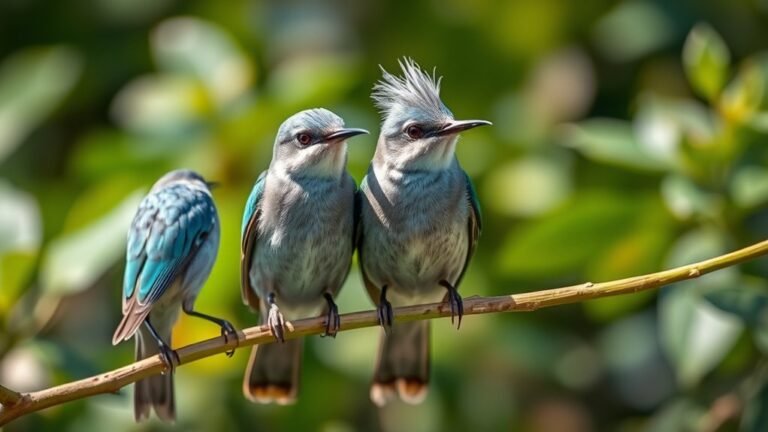
When you look at blue birds, you might notice how bright and colorful the males are with their vivid blue feathers. But don't overlook the female blue birds. They have special traits that help them survive. Their feathers are not as bright. Instead, they show softer colors like browns and grays. This helps them blend into their surroundings.
These differences are important. The female blue birds have unique behaviors that help their communities thrive. Watching them closely shows you how they survive and interact with each other. Understanding these traits can give you a deeper appreciation for these amazing birds. They play a vital role in nature, and their features help them stay safe and protect their families.
A Quick Overview
Female blue birds have special colors that help them blend in with their surroundings. They wear brown and gray feathers, unlike male blue birds, which are bright and colorful. These feathers can have soft streaks and lighter bellies that make it easier to tell them apart from the males.
When it comes to finding a mate, female blue birds are usually quieter. They focus on watching the behavior of males to choose the best partner. They are careful and want to make sure they pick someone who's a good fit.
Female blue birds also show strong care for their young. They build nests, keep the eggs warm, and look after the chicks until they can fly on their own.
Sadly, female blue birds face problems from lost homes and changes in the weather. This makes it important for people to protect their habitats. By taking care of their environment, we can help these beautiful birds survive and thrive.
Understanding the Female Blue Bird's Coloration
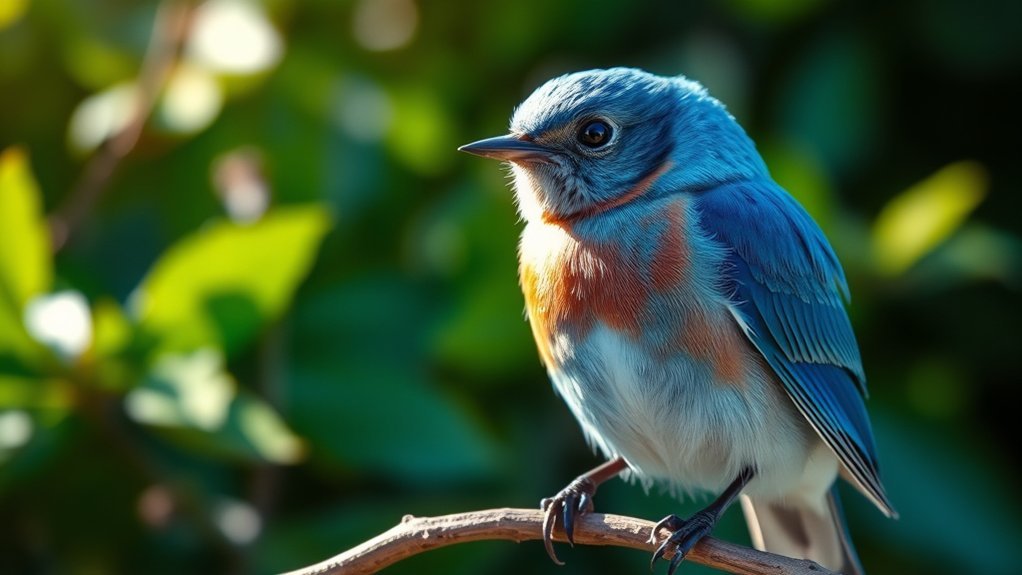
When you look at female blue birds, you'll see they don't have the same bright colors as the males. Instead of vibrant blues, females usually have shades of brown and gray. This difference in colors is very important for their survival.
The brown and gray colors help female blue birds hide in their surroundings. This is especially helpful when they're nesting and need to stay safe from predators. Understanding why their feathers are different helps us see how these birds adapt to their environment.
These color differences also show us how unique each bird is in its community. Each female blue bird brings its special qualities to the group, reminding us to appreciate every bird's uniqueness in nature.
Distinctive Markings and Patterns
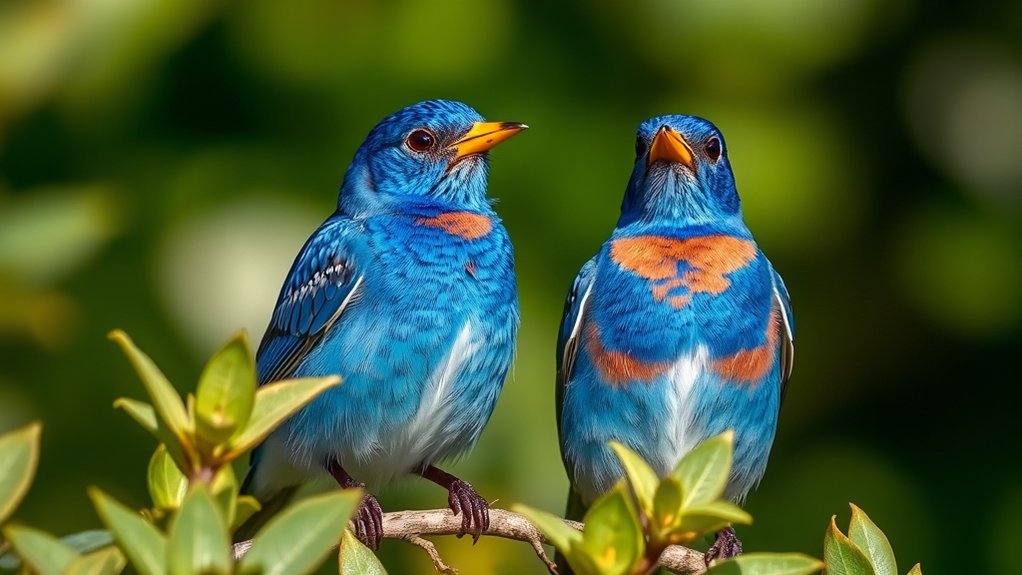
Female blue birds may not have the bright colors that males do, but they've special markings that make them unique.
When you see these birds, pay attention to their features. You might notice gentle streaks or tiny spots on their wings. Their underbellies are usually a bit lighter too, which helps you tell them apart.
The way their feathers change from gray to blue adds to their beauty.
These details are important for spotting female blue birds and understanding their differences. Appreciating these traits helps you connect with them better and enjoy the beauty of female blue birds even more.
The Role of Camouflage in Survival
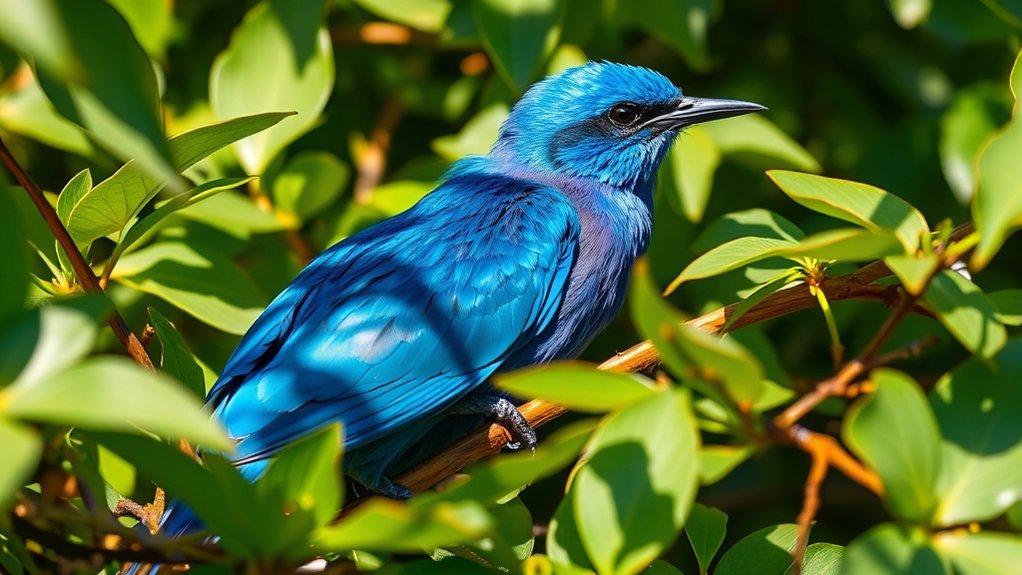
Camouflage is important for female blue birds. Their colors help them hide in their surroundings, which is very useful during nesting season. When they're sitting on their eggs, staying safe from predators is crucial.
Female blue birds use their feathers to blend in with nature. Their subtle browns and grays look like tree bark and leaves. This way, they can avoid being seen and caught. When they stay hidden, they protect themselves and their babies.
By staying safe, female blue birds can raise their young successfully. This helps keep the ecosystem in balance.
Learning about how they use camouflage helps us appreciate nature's beauty and the role these birds play in it.
Behavioral Differences Between Males and Females
Male and female bluebirds behave differently, and these differences help us understand how they live in nature.
Male bluebirds show off to attract females. They sing and do cool flying moves. In contrast, female bluebirds are usually quieter. They watch the males carefully to choose the best mate based on how well he shows off and how strong his territory is.
Once a pair is formed, males often act more aggressively to protect their territory. They chase away other males.
On the other hand, females focus on working together with their mate, especially when it comes to finding food.
These different behaviors are important for both breeding and survival. By learning about how male and female bluebirds act, we can see how each plays a role in their community.
Understanding this makes us appreciate bluebirds even more.
Nesting Habits and Maternal Care
When a female bluebird picks a place to build her nest, she looks for a few important things to help her babies survive. She needs a spot that keeps them safe from predators and is close to food.
Once she finds the right place, she works hard to collect materials like grasses, feathers, and twigs. She uses these to make a nice, cozy nest for her eggs.
During the time the eggs are hatching, she sits on them to keep them warm. This shows how dedicated she is.
After the baby bluebirds hatch, she continues to care for them. She feeds them and protects them from danger, showing them how to find food and stay safe.
This strong bond between the mother bluebird and her young ones is truly special.
Vocalizations and Communication
Vocalizations are really important for female bluebirds when they communicate with their mates and chicks. They've different sounds for different messages. For example, a soft chirp shows they're happy, while a louder, sharper call warns of danger.
These sounds help female bluebirds keep their families close and work together when feeding and nesting.
Habitat Preferences and Distribution
Communication is very important for female bluebirds. It helps them interact with each other. Their habitat choices also affect their lives a lot.
Female bluebirds like to live in open areas such as fields, forests, and even neighborhoods. These places provide them with food and safe spots to build their nests.
Bluebirds are found all over North America. They prefer areas with some trees because these trees give them places to sit and look for bugs to eat. If you watch these birds, you'll see how well they adjust to different environments. They can thrive in many different kinds of places.
Understanding where bluebirds like to live helps us appreciate their behavior and the ecosystem. By learning about their habitats, we can feel more connected to these beautiful birds and the places they call home.
Conservation Status and Challenges Faced
The number of female bluebirds is dropping because of several challenges they face. Keeping an eye on their conservation status is really important.
Let's look at a few main problems:
- Loss of Homes: As cities and farms grow, many bluebirds lose their nesting spots. This pushes them into areas that aren't as good for them.
- Climate Change: Changes in weather make it hard for bluebirds to migrate at the right times. This leaves them vulnerable to unexpected weather conditions.
- Use of Pesticides: Farmers often use chemicals that can harm bluebirds. These pesticides not only hurt the birds directly but also make it harder for them to find food, which can affect how well they breed.
These issues show how important it's to help protect female bluebirds and their habitats. We need to work together to ensure they've safe spaces to live and thrive.
Frequently Asked Questions
How Can I Attract Female Blue Birds to My Garden?
To attract female bluebirds to your garden, start by putting up bluebird feeders. Fill these feeders with mealworms and seeds. Next, plant native plants that grow berries. This mix of food and natural plants will make your garden a great place for bluebirds to visit.
Having a welcoming space will not only draw bluebirds but can also make your garden look beautiful. Watching these lovely birds can bring joy to your day, so give it a try!
What Do Female Blue Birds Eat During Different Seasons?
Female bluebirds eat different foods depending on the season. In spring and summer, they enjoy eating insects like beetles and grasshoppers. These tasty bugs are easy to catch when the weather is warm.
When fall and winter come, their diet changes. Bluebirds start to favor berries and soft fruits. This shift happens because there are fewer insects available during the colder months. By eating what's around, bluebirds stay healthy and full all year long.
Do Female Blue Birds Migrate Alone or in Groups?
Female bluebirds usually migrate in groups. This behavior helps them stay safe. When they travel together, they can face challenges as a team. They also have fun and make connections while flying together. So, instead of going alone, female bluebirds prefer the company of their friends during migration.
How Long Do Female Blue Birds Live in the Wild?
In the wild, female bluebirds usually live about 2 to 5 years. Their lifespan can change based on where they live and what challenges they face. These birds must find food, avoid predators, and stay safe in their homes. Each of these things can affect how long they live. It's a tough life, but bluebirds are beautiful creatures that bring joy to many people.
Are Female Blue Birds Territorial Like Males?
Female blue birds are not as territorial as males. However, when it is time for nesting, they change their behavior. They look for nesting spots they like and protect those spots very well. This shows their caring side but also their competitive nature.

Joyce is the passionate founder of Chirping Hearts, a website dedicated to sharing her love for birds and providing valuable information about avian life. With a background in ornithology and years of experience in birdwatching, Joyce aims to inspire others to appreciate the beauty and diversity of birds. Through her engaging articles and guides, she hopes to foster a community of bird enthusiasts who share her enthusiasm for these incredible creatures. When she’s not writing, Joyce enjoys exploring nature trails and observing birds in their natural habitats.