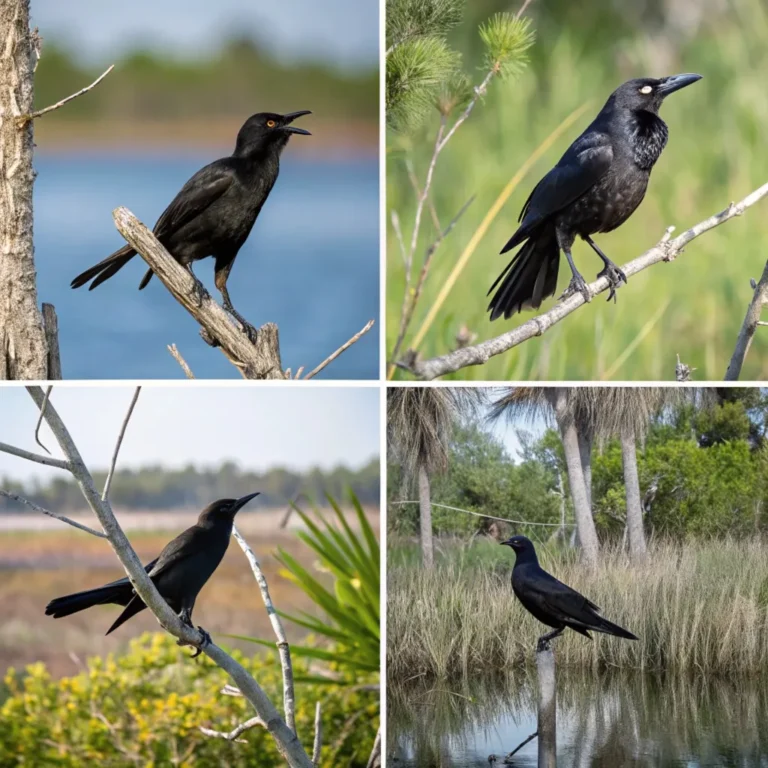

The Enigmatic Blue Robin Bird: Characteristics and Habitat
The Blue Robin is a beautiful bird that catches your eye with its bright blue feathers. These shiny feathers help it blend into the thick forests where it lives. You can see this bird playfully looking for food and hear its special songs.
The Blue Robin faces some challenges in its life, like danger from predators and changes in its home. Understanding how it lives and what it needs can help protect this lovely bird and the forests it calls home.
So, next time you're out in nature, keep an eye out for the Blue Robin! It's a special bird that adds color and joy to our world.
A Quick Overview
Blue Robins are beautiful birds known for their bright blue feathers. They have special wing patterns that add to their charm. These birds love to live in thick forests and lush green areas. The trees and plants help them hide and find food.
Blue Robins mainly eat insects, larvae, berries, and fruits. They often look for food on the ground by scratching and pecking. This is their favorite way to eat.
When communicating, Blue Robins use different sounds. They sing cheerful songs and make sharp calls. These sounds help them show where their territory is or warn others about danger.
It is important to protect Blue Robins and their homes. Conservation efforts focus on keeping forests and berry plants safe. This ensures Blue Robins have the habitat they need to thrive.
Physical Appearance of the Blue Robin

When you see a Blue Robin for the first time, you'll notice its bright blue colors and special features. This bird really shows off its name with its shiny blue feathers. Its wings and tail have unique patterns that make it different from other birds.
It's interesting to watch the Blue Robin because of its individuality. You might also see that younger robins look smaller and not as colorful as the adults. This shows how they change and grow over time.
The Blue Robin has a bright underbelly that looks great against its darker back. This contrast creates a beautiful look that catches your eye. Watching these traits can help you understand and appreciate this amazing bird even more!
Distinctive Plumage and Coloration

The Blue Robin has beautiful blue feathers that catch everyone's eye. These bright colors show that the bird is healthy and full of life. You can see how the patterns on its feathers mix together, making it even more attractive.
But there's a big reason for these colors. They help the Blue Robin hide from danger in trees and bushes. The blues and soft browns blend in well with the leaves, allowing it to escape from predators.
The strong blue and gentle gray colors also play a role in finding a mate. When you watch the Blue Robin in nature, you realize that its colorful feathers aren't just pretty; they help the bird survive and communicate.
It's amazing how something so lovely serves a real purpose!
Behavioral Traits and Habits

Blue Robins are interesting birds. They often sit quietly on branches, but they also show many fun behaviors that show how smart and adaptable they are.
During breeding season, male Blue Robins perform lively dances. They puff out their chests and show off their bright feathers. This helps them attract mates and also brings the flock closer together.
When you watch them, you'll see them foraging in groups. They hop energetically between trees and shrubs. Their playful nature stands out as they chase each other in games. This playful behavior helps them bond with each other.
These actions show how well Blue Robins can live in different places. They're a great subject for bird lovers like you!
Vocalizations and Communication
Blue Robins are great at talking to each other using different sounds. Their songs have different pitches and tones, making beautiful music in their homes.
These birds use specific calls to show they own a territory, find a partner, or alert others about danger. For example, if a Blue Robin makes a sharp call, it means there might be a threat nearby. This warning helps other birds hide quickly.
When you watch Blue Robins outside, listen closely to their sounds. Their calls are important for building friendships and sharing feelings. Their way of talking shows how much they care about being part of their group.
Feeding Habits and Diet
Watching a Blue Robin look for food can be really interesting! These birds use quick hops to search the ground for insects and larvae. They love to eat tiny creatures like bugs, but they also enjoy berries and fruits. This makes their diet pretty varied.
With their sharp eyesight, Blue Robins can find food that's hidden. They're good at adapting to different places. You'll often see them foraging alone or with a few friends. This helps them feel connected as they share the same feeding spots.
Breeding and Nesting Behaviors
When it's time for breeding, the Blue Robin shows interesting nesting behaviors. Male Blue Robins sing pretty songs and move around to catch the attention of female Robins. These actions help them form strong connections with their mates.
Once they pick a partner, they start building nests. They use things like twigs, leaves, and mud to make a safe place for their eggs.
Typically, the female sits on the eggs to keep them warm, while the male watches over the nest to keep it safe. This teamwork is very important for raising their young.
It helps them feel like a family and makes sure they succeed in bringing new Blue Robins into the world.
Preferred Habitats and Range
The Blue Robin loves to live in different places. These birds feel at home in places like leafy forests, bushy areas, and open fields. They choose their habitats based on where they can find food and good spots to nest.
Here's where you might find them:
- Leafy forests: These forests have lots of bugs and fruit for the birds to eat.
- Bushy areas: These spots give the birds shelter and good nesting sites.
- Open fields: These areas let the birds search for food easily.
- City edges: Sometimes, you can even see them in suburban neighborhoods.
The Blue Robin is adaptable but still prefers certain environments that help it thrive.
Seasonal Migration Patterns
As the seasons change, the Blue Robin starts an amazing trip. It migrates to find better places to live and raise its young. Things like temperature and food help the bird know when to leave its home.
You might find it interesting that these birds have natural skills passed down through many years to help them travel long distances.
But this journey isn't easy. The weather can be tricky, and losing their homes is a big worry during migration.
Even with these problems, Blue Robins show they're strong and can adapt. Watching them migrate can help you feel more connected to nature and the world around you.
Conservation Status and Threats
Blue Robins are tough birds, but they've a lot of challenges that threaten their numbers.
It's important to know these problems so we can help protect their homes and lives. Here's what you need to know:
- Loss of Habitat: Buildings and farms take away the places where Blue Robins live and find food.
- Climate Change: Changes in weather can make it hard for them to get enough food and find safe spots to nest.
- Invasive Species: New animals and plants from other places can take food and space away from Blue Robins.
- Pollution: Dirty water and chemicals in their homes can make them sick and hurt their chances to have babies.
Interaction With Other Bird Species
When you watch Blue Robins in their homes, you'll see them act in interesting ways with other birds. Sometimes, they work together, and sometimes, they compete.
For example, you might notice Blue Robins foraging next to small birds. They even share food sometimes, which shows how different bird species can connect.
But when it's time to guard their territory, Blue Robins can be quite strong and protective, especially against birds that are similar in size.
This mix of helping each other and being competitive makes their community special. Watching these behaviors can help you appreciate Blue Robins even more and see how they support many kinds of birds around them.
These interactions make the bird world feel closer and more exciting.
Cultural Significance and Symbolism
Blue Robins are special birds in many cultures. They represent hope and new beginnings. Their bright colors and sweet songs make people feel good.
Here are some important meanings they hold:
- Fertility and Rebirth: Blue Robins often symbolize spring and new life. They remind us that every end can bring a new start.
- Spiritual Messengers: Some cultures believe these birds connect us to the divine, helping us send our wishes to a higher power.
- Joy and Optimism: When people see Blue Robins, they often think good things are coming. Their presence signals fresh chances and happiness.
- Protection and Guidance: Many believe Blue Robins watch over us and help us find our way during tough times.
These birds have a unique place in our hearts and stories, inspiring us to believe in brighter days ahead.
How to Spot a Blue Robin in the Wild
Have you ever wanted to find a Blue Robin? Here are some easy ways to spot one!
First, look for their bright blue feathers. They really pop against green leaves. Check out their belly too; it's a light color that contrasts nicely with their blue wings.
Listen for their happy song. It sounds like a series of cheerful notes that can help you know they're nearby.
Also, watch how they move. Blue Robins like to hop on the ground and search for food in the leaves.
These birds love thick forests, especially around bushes or berry plants. To see one, try walking in these areas during early morning or evening. That's when they're most active.
Plus, Blue Robins often hang out in groups, so spotting one can lead you to more! Happy birdwatching!
Frequently Asked Questions
What Role Does the Blue Robin Play in Its Ecosystem?
The blue robin plays an important role in its ecosystem. It helps by eating insects and spreading seeds. This way, it helps plants grow and thrive. When blue robins eat fruits, they digest the seeds and drop them in different places. This helps new plants sprout.
The blue robin is also a part of the food chain. Other animals eat blue robins, and they, in turn, eat bugs and small plants. This shows how every creature depends on one another to stay alive. The blue robin is a key player in keeping the ecosystem balanced. It helps plants and animals live and work together.
Are Blue Robins Endangered or Threatened Species?
Blue robins are not labeled as endangered, but their situation is serious. They need safe habitats to live and thrive. Environmental changes are putting stress on their numbers. Protecting their homes is important for keeping blue robins safe and healthy. Let's work together to help them!
How Long Do Blue Robins Typically Live?
Blue robins usually live for about 4 to 7 years. Their lifespan can change based on where they live and how much food they find. Checking out the conditions in their habitat can help us learn more about how long they might live.
Do Blue Robins Have Any Natural Predators?
Blue robins have some natural predators. They can fall victim to birds of prey, like hawks and eagles. This predator-prey relationship is important for nature. It helps keep balance in the ecosystem. All animals, including blue robins, play a part in this interconnected system.
What Is the Historical Significance of Blue Robins in Folklore?
Blue robins are special birds found in many folk stories. People see them as symbols of hope and change. Different cultures use blue robins to show how nature connects us all. These tales help us feel close to each other and to the world around us. When we hear stories about blue robins, we can think about our own lives and the changes we want to make. They remind us that good things can happen when we believe in ourselves.

Joyce is the passionate founder of Chirping Hearts, a website dedicated to sharing her love for birds and providing valuable information about avian life. With a background in ornithology and years of experience in birdwatching, Joyce aims to inspire others to appreciate the beauty and diversity of birds. Through her engaging articles and guides, she hopes to foster a community of bird enthusiasts who share her enthusiasm for these incredible creatures. When she’s not writing, Joyce enjoys exploring nature trails and observing birds in their natural habitats.