
Large Birds of Ohio: A Look at Their Habitats
In Ohio, large birds live in different places. These birds show how well they can adjust to their surroundings. In the Great Black Swamp, they find good spots to nest. The Appalachian Hills are home to many raptors, like hawks and eagles. Even in cities, these birds find ways to use the resources available to them.
Each habitat is important for their survival. Urban areas let us see how clever these birds can be. Learning about where they live helps us understand how they interact with their environment. This knowledge gives us a glimpse into the exciting lives of Ohio's big birds.
A Quick Overview
Ohio has many great places for large birds.
The Great Black Swamp is important for waterfowl. Here, they find food and shelter during their migration.
The Appalachian Hills are home to raptors like hawks and eagles. They like to nest in high places where they feel safe.
In Ohio's coastal areas, shorebirds thrive. These birds have special features that help them live in changing environments.
Agricultural fields are popular with large birds. They help control pests and pollinate plants, which is good for nature.
In cities, large birds adjust well. They often nest on rooftops and look for food scraps left by people. This shows how flexible they can be.
Ohio's birds are fascinating and play important roles in their habitats!
The Great Black Swamp: A Haven for Waterfowl
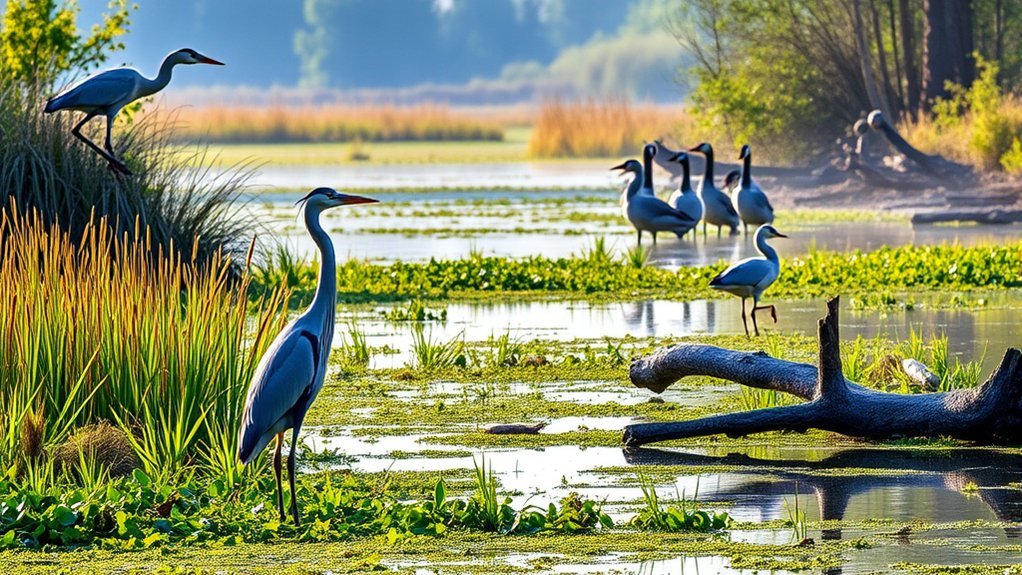
The Great Black Swamp used to be a huge wetland in northwest Ohio. Today, it's a very important home for many waterfowl. When birds migrate, they stop here to rest and eat. The swamp has many marshes and ponds that give birds food, shelter, and places to breed.
Experts say it's very important to take care of this habitat. By protecting the swamp, we help the birds on their journeys. This also helps all the plants and animals that live there.
When you learn about taking care of habitats, you can join your community in protecting this special place. Doing so helps create a bond with nature and teaches us to care for future generations.
Appalachian Hills: Nesting Grounds for Raptors
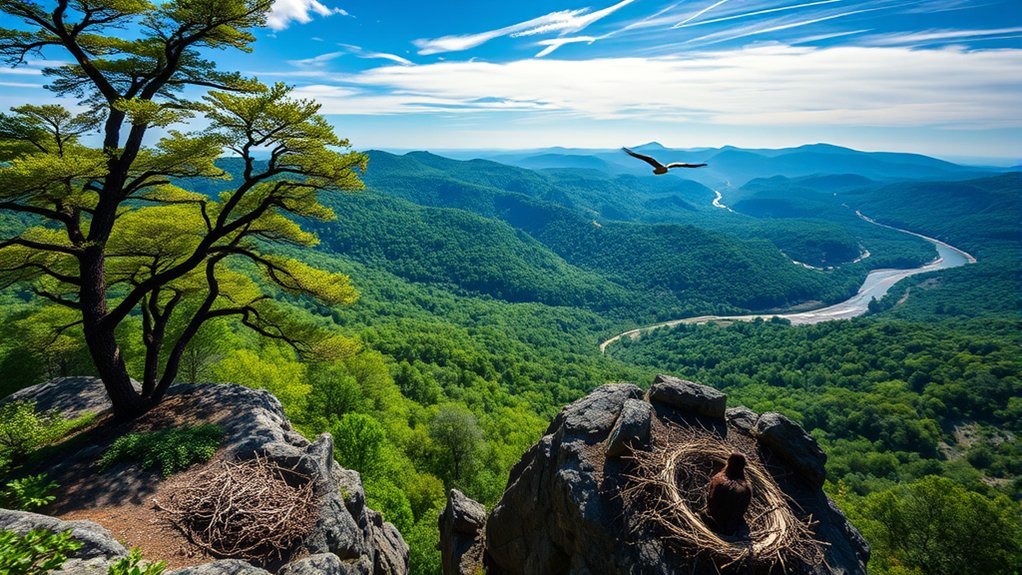
The Appalachian Hills in Ohio are important homes for many birds of prey like hawks, eagles, and owls.
These birds build their nests in high places that are hard to reach. This helps keep their young safe from other animals. The thick trees around these nests help them hide.
These birds choose to nest near places where they can easily find food, like small animals and other birds.
The hills create warm air currents that help these raptors fly high as they look for their next meal.
Protecting these habitats is key to keeping these amazing birds alive.
When we understand how valuable the Appalachian Hills are, we can help make sure these birds continue to thrive.
Coastal Areas: Shorebirds and Their Adaptations
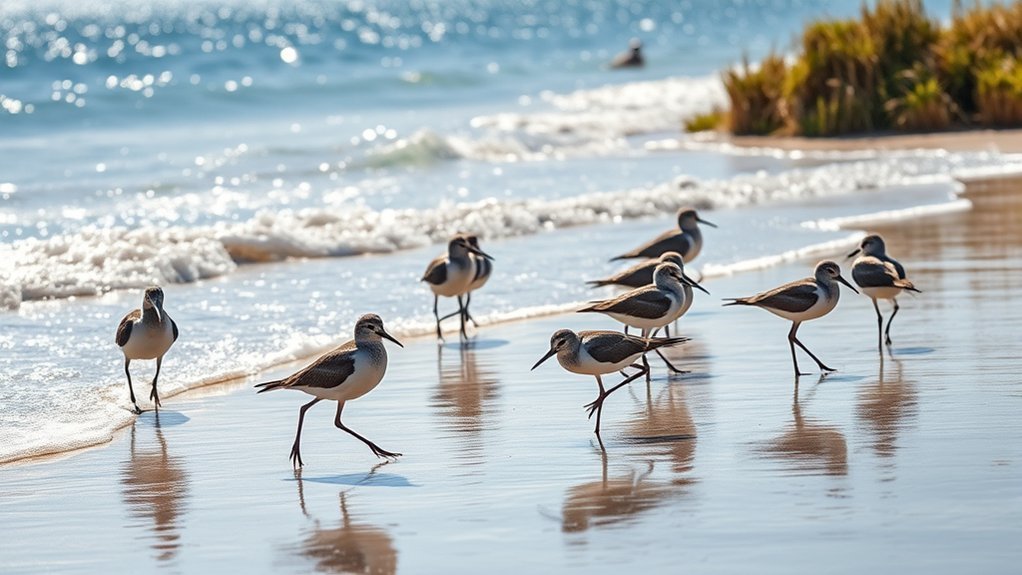
Ohio's coastal areas are home to many kinds of birds, especially shorebirds. These birds have special features that help them live and thrive in their homes by the water.
Shorebirds have long legs. This helps them walk through water and look for food in the sand. Their beaks come in different shapes and sizes. Some are long and thin to reach food in small spaces, while others are wider for scooping up tiny creatures like shrimp.
These birds also have sharp eyesight. This helps them spot danger and stay safe from predators. Plus, they can fly quickly to move around easily.
Learning about how shorebirds adapt to their coastal homes helps us understand the balance of Ohio's ecosystems.
These birds play important roles in nature. By appreciating them, we can connect more with nature and see why it's important to protect it.
Agricultural Fields: The Role of Large Birds in Ecosystems
When you visit agricultural fields, you'll notice that large birds are important for keeping the ecosystem in balance.
These birds help with crop health and farming in many useful ways:
- Pest Control: They eat bugs that can harm plants.
- Pollination: Some birds help flowers grow by moving pollen from one flower to another.
- Soil Health: While searching for food, they dig in the ground, which helps the soil stay healthy and full of nutrients.
- Biodiversity: Large birds make different areas in the fields, allowing many kinds of plants and animals to thrive.
Learning about these roles helps us see how everything in nature is connected.
Every part, including large birds, is important. They make our world better and remind us that we're part of something bigger.
Wetlands and Rivers: Fish-Eating Birds and Their Habitats
Big birds like herons and ospreys are important in wetlands and rivers. They eat fish and use different ways to catch their food, like diving or spear fishing. When you see these birds, it usually means the water is healthy. Healthy water helps many plants and animals live together.
These birds like to build their nests near places where they can find lots of food. By choosing spots close to wetlands and rivers, they make sure their babies get enough to eat.
Learning about these birds helps you see how all living things connect in Ohio's ecosystems. It also shows why we need to take care of these special places for future generations.
Urban Environments: Adaptations of Large Birds in Cities
As cities grow and become more crowded, many large birds are finding clever ways to live in these urban areas. Here are some of the ways they adapt:
- Nesting: These birds use rooftops and bridges to build their nests. They're flexible and choose places that work best for them.
- Food: Many birds eat food that people throw away. They're quick to find snacks in parks or on sidewalks.
- Sound: In noisy cities, birds call out louder to be heard. This helps them talk to each other even with all the sounds around.
- Socializing: Large birds often gather in bigger groups. More friends mean better chances of finding food and staying safe.
These smart adaptations help birds live well in the city!
Frequently Asked Questions
What Are Ohio's Largest Native Bird Species?
In Ohio, you can find some of the largest native birds. Two of the biggest are the bald eagle and the great blue heron. Both birds have impressive wingspans and heights that really catch your attention.
The bald eagle is known for its striking white head and tail. It soars high in the sky and is a symbol of strength. These birds can have a wingspan of up to 7 feet! You might spot one near lakes or rivers, where they fish for their meals.
The great blue heron is another amazing bird. This tall bird has long legs and a long neck. It can stand about 4 feet tall and has a wingspan of around 6 feet. Great blue herons are often seen by the water, waiting patiently to catch fish.
Both the bald eagle and the great blue heron show us the beauty of Ohio's wildlife. Keep an eye out for these magnificent birds next time you're outdoors!
How Can I Identify Different Large Birds in Ohio?
To spot large birds in Ohio, keep it simple. Start by looking at their size, colors, and how they act. Use binoculars to see them better, and pay attention to their movements.
Birdwatching can be exciting! You might see eagles soaring high or herons wading in shallow water. Take your time and enjoy watching the different birds around you. Each sighting helps you learn more about Ohio's beautiful wildlife. Have fun birdwatching!
What Are the Threats Facing Ohio's Large Bird Populations Today?
Ohio's big birds are facing some tough challenges. Their homes are getting smaller because of city growth and building. The weather changes and pollution also hurt where they live. They struggle to find enough food. Outdated rules about hunting make things even harder for them. These problems threaten their survival. It's important we work together to protect these amazing birds.
When Is the Best Time to Observe Large Birds in Ohio?
The best time to watch large birds in Ohio is during their migration seasons, which happen in spring and fall. This is when you can see many different kinds of birds moving around.
In spring, birds return from warmer places, and in fall, they leave for warmer areas. Watching them fly is exciting and shows that the seasons are changing. Grab your binoculars and find a good spot to enjoy this special time in nature!
How Do Habitat Changes Affect Large Bird Migration Patterns?
Habitat changes like fragmentation and climate change make it hard for large birds to migrate. These changes can affect where they find food and where they breed. As a result, you might see these birds moving to new areas. This shows us why we need to take action to help protect them.
We can support large birds by saving their habitats and making sure they have food and safe places to breed. By doing this, we help keep their migration patterns stable and ensure that they can thrive in their environment. Every effort we make counts and can make a big difference for these amazing creatures!

Joyce is the passionate founder of Chirping Hearts, a website dedicated to sharing her love for birds and providing valuable information about avian life. With a background in ornithology and years of experience in birdwatching, Joyce aims to inspire others to appreciate the beauty and diversity of birds. Through her engaging articles and guides, she hopes to foster a community of bird enthusiasts who share her enthusiasm for these incredible creatures. When she’s not writing, Joyce enjoys exploring nature trails and observing birds in their natural habitats.