What Bird Lays Green Eggs? Common Species Explained
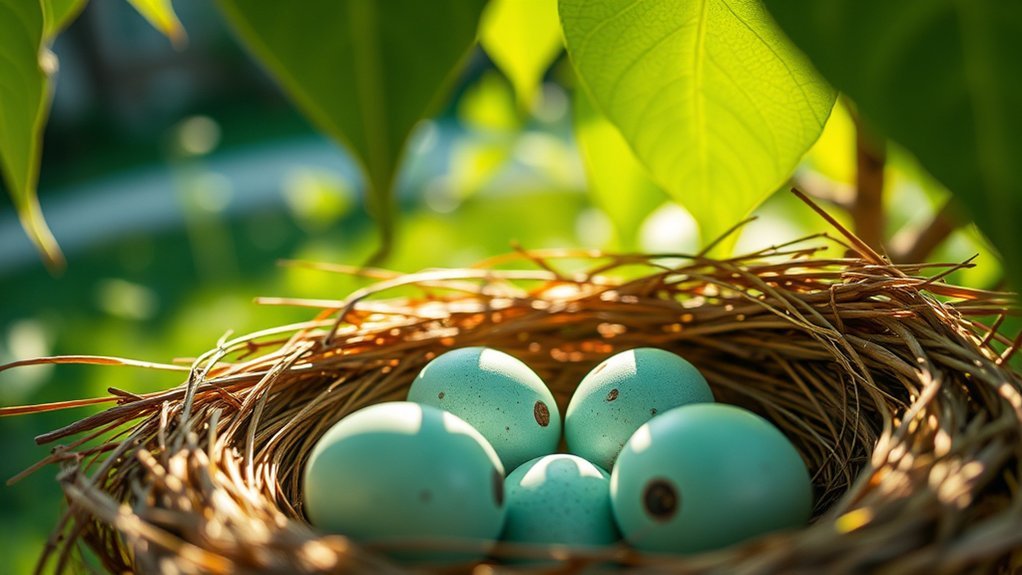
Birds that lay green eggs are quite interesting! Some popular ones are the Ameraucana and Araucana chickens. These chickens are often found on backyard farms and are loved for their colorful eggs.
There are also wild birds that lay green eggs. For example, the American Robin and the Blue Jay both have unique nest-building habits.
The color of a bird's eggs can come from their genetics, which makes it fun to learn about. It's exciting to think about why some birds lay green eggs while others do not. What else could influence this egg color? Exploring this can be really fascinating!
A Quick Overview
Some chickens, like Ameraucana and Araucana, lay green eggs. You can also find greenish eggs from wild birds like Blue Jays and American Robins.
Green eggs blend in with plants, helping to keep them safe from predators. The color of a bird's eggs can show how healthy the mother is, which can affect how birds choose their mates.
Things like climate and soil can change the color of the eggs. This shows how the environment can influence how birds breed.
The Fascinating World of Egg Coloration

Have you ever thought about why some birds lay eggs that are green? This is a cool part of bird life. Birds often use green eggs to hide from animals that might want to eat them. The green color helps the eggs blend in with leaves and grass, making it harder for predators to find them.
The color comes from special pigments like biliverdin. These pigments can show how healthy the mother bird is. This health can help other birds decide if they want to be her mate. So, the color of an egg isn't just pretty; it can help birds survive in their homes.
Domestic Chickens: The Ameraucana and Araucana

Chickens are really interesting animals, especially the Ameraucana and Araucana breeds. These chickens are famous because they lay beautiful green and blue eggs.
Ameraucana chickens have fluffy tufts near their ears, and they're usually calm and friendly. Many people like to keep them in their backyards because they not only lay colorful eggs but also come in different feather colors. This makes your chicken flock look pretty!
The Araucana chickens are special too. They don't have tails, which is called being rumpless. Like the Ameraucana, they also lay blue and green eggs.
Both of these breeds make backyard farming exciting. With their pretty eggs, they can help you connect with other chicken lovers.
Wild Birds: The Blue Jay and American Robin

Many people love watching colorful backyard chickens. But don't forget about wild birds like the Blue Jay and the American Robin. These birds are amazing to see and have interesting behaviors.
The Blue Jay has cool skills. They can copy the sounds of other birds, which is fun to hear. Blue Jays are also smart, which helps them find food and keep safe their nests.
On the other hand, the American Robin is known for how it builds its nests. They like to make their homes in trees or under eaves of houses. The Robin lays beautiful blue-green eggs. These eggs show how caring they're as parents.
Learning about these birds helps you connect with nature. You can enjoy watching them in your backyard. This makes you feel like part of a community of bird watchers and nature lovers.
Watching their behaviors can make your outdoor experience even better.
The Role of Genetics in Egg Color
Egg color in birds is a fun topic to explore. The color of an egg, whether green, blue, or brown, comes from specific genes and the pigments that make up the shell.
Here are some simple factors that affect egg color:
- Genetic Changes: Certain genes can change how eggs get their color.
- Pigments: Different pigments, like protoporphyrin and biliverdin, create different egg colors.
- Adaptations: Birds have evolved specific colors to fit in with their surroundings and protect their eggs.
- Parent Genetics: The colors of the eggs can be linked to the genetic traits passed down from the parents.
Understanding these basics helps us see why bird eggs look the way they do.
It's interesting to learn about the variety of bird species and how their eggs have adapted to their environments.
Other Birds With Green Eggs: Parrots and Finches
Parrots and finches are colorful birds. They can also surprise you with their green eggs! Some parrots, like the Eclectus and some Cockatoos, lay eggs that are green. This color helps them blend in with their surroundings. It keeps their eggs safe from predators. Plus, these colors show how different these birds can be.
Finches, like the Green Finch, also lay eggs that are a light olive-green. This makes them unique too! Different egg colors in these birds show how they've adapted to their homes.
Learning about these green eggs helps us understand how birds live and thrive in nature. It's a neat way to connect with these amazing creatures!
How Egg Color Affects Nesting Success
When birds lay eggs, the color of those eggs can really help them survive. The right color can make it harder for predators to see the eggs. Here are some ways that egg color affects nesting:
- Blending In: Colors like green help eggs hide better in grass and bushes. This makes it tough for predators to spot them.
- Different Colors for Different Birds: Each bird species lays eggs in colors that match their homes. This helps them stay safe.
- Scaring Off Predators: Some dark-colored eggs can make certain predators think twice before coming close.
- Keeping Eggs Warm: The color of the egg can change how much heat it gets from the sun, which is important for keeping baby birds warm while they grow.
Understanding these points shows just how important egg color is for birds. It helps them protect their eggs and ensures that they can raise baby birds successfully.
The Significance of Green Eggs in Bird Biology
Green eggs in birds are more than just a fun color. They've important benefits that help birds survive. One reason is their color can help the eggs hide from animals that might want to eat them.
Birds that lay green eggs often live in places with lots of leaves and plants. The green eggs can blend in well with the greenery. This helps protect the eggs, allowing parent birds to raise their young without losing them to hungry predators.
This interesting feature shows how birds change to fit their environments. Understanding green eggs helps us appreciate these birds and the smart ways they survive.
Cultural Significance of Green Eggs
Green eggs are special and they've interesting meanings in different cultures.
Let's take a look at some of the reasons why people value these eggs:
- New Beginnings: Many people see green eggs as symbols of fertility and new starts. They remind us of growth and fresh starts in life.
- Nature Connection: The green color connects to nature. It helps us feel balanced and encourages us to care for the environment around us.
- Art and Creativity: Artists often use green eggs in their work. They represent life, renewal, and our connection to the earth, making art even more meaningful.
- Stories and Myths: Different cultures have stories about green eggs. Often, these tales involve lucky creatures or good fortune, showing how much people value them.
Overall, green eggs connect us to nature and reflect parts of cultural identity.
They remind us of our values and beliefs, enriching how we experience the world.
Environmental Factors Influencing Egg Color
Bird egg colors can change due to many factors, especially the environment. One big factor is climate. For example, when it gets warmer, birds might make more pigments that add color to their eggs.
Where birds build their nests also matters. Birds living in green, leafy areas may lay green eggs. This helps the eggs blend in so predators can't find them easily.
The minerals in the area can also affect egg colors. Some minerals help create different pigments, which can change how the eggs look.
The Process of Egg Production in Birds
Birds make eggs in a special way, and it's pretty interesting! Here's a simple look at how it works:
- Making Ova: Female birds have small eggs called ova in their ovaries. This is the first step for making eggs.
- Creating the Egg: The ovum moves to the oviduct. Here, the bird adds parts to the egg, like the white and the shell.
- Laying Eggs: When it's time to lay eggs, birds look for the best spot. They think about the weather and what's safe for their eggs.
- Keeping Eggs Warm: After laying, many birds sit on their eggs to keep them warm. This helps the baby birds inside grow.
These steps show how birds reproduce and care for their future young. Learning about this makes us appreciate birds even more!
Conservation of Birds That Lay Unique Eggs
Bird conservation is very important, especially for species that lay unique eggs with green shells. These birds live in special places and need healthy environments to breed and raise their young.
Conservation efforts focus on protecting their habitats. If these birds don't have enough safe nesting sites or food, their numbers can go down. You can help by joining local conservation efforts or initiatives. Doing this helps protect their homes and keeps their populations strong.
It is also crucial to talk about how important biodiversity is. When we understand the role these birds play in nature, we learn more about them. This knowledge helps us support community efforts to keep our feathered friends safe and healthy.
Together, we can appreciate and protect the unique beauty of birds that lay green eggs!
Frequently Asked Questions
Do All Green Eggs Come From the Same Bird Species?
Not all green eggs come from the same bird species. Different types of birds lay eggs in various colors, including green. The shade of green can change based on the bird's genetics. Some birds, like certain chicken breeds, lay beautiful green eggs, while others do not.
Learning about these differences can help you appreciate the variety of birds and their egg-laying habits. Each type of bird has its own special traits that make it unique. So, next time you see a green egg, remember that it could come from many different kinds of birds!
How Can I Tell if an Egg Is Fertile?
To check if an egg is fertile, look for a few signs. First, see if the shell is slightly darker than usual. Second, after you incubate the egg for a while, see if you can spot little veins inside.
Using the right way to incubate the egg helps you hatch healthy chicks. This process can help you create a closer bond with your flock. Enjoy your time raising them!
Are Green Eggs Safe for Human Consumption?
Yes, green eggs are safe to eat if they are fresh. They have similar nutrients to regular eggs. Enjoy their fun color! Just remember to store them properly to keep them fresh and good to eat.
What Do Green Eggs Taste Like Compared to White Eggs?
Green eggs and white eggs taste very similar. The main difference is in the nutrients they have. If you taste them side by side, you likely won't notice much difference in flavor.
However, the nutrients can change depending on the chicken's breed. So, while the taste is alike, some eggs might have more vitamins or other good stuff than others. If you're curious, checking the nutrition label can help you see what each type offers.
Can Green Egg-Laying Birds Thrive in Any Environment?
Green egg-laying birds can live well in many different places. They help the environment by supporting the plants and animals around them. When we learn what they need to be happy, we can help them stay healthy in various habitats. This way, we all can enjoy these birds together.

Joyce is the passionate founder of Chirping Hearts, a website dedicated to sharing her love for birds and providing valuable information about avian life. With a background in ornithology and years of experience in birdwatching, Joyce aims to inspire others to appreciate the beauty and diversity of birds. Through her engaging articles and guides, she hopes to foster a community of bird enthusiasts who share her enthusiasm for these incredible creatures. When she’s not writing, Joyce enjoys exploring nature trails and observing birds in their natural habitats.