Small Blue Birds: Types and Identification Tips
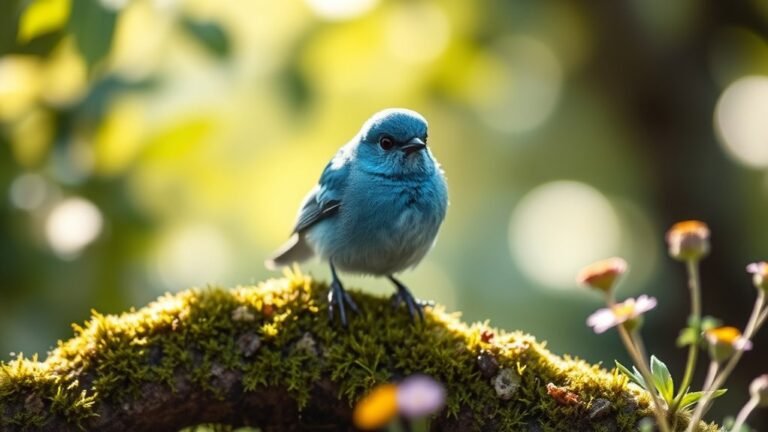
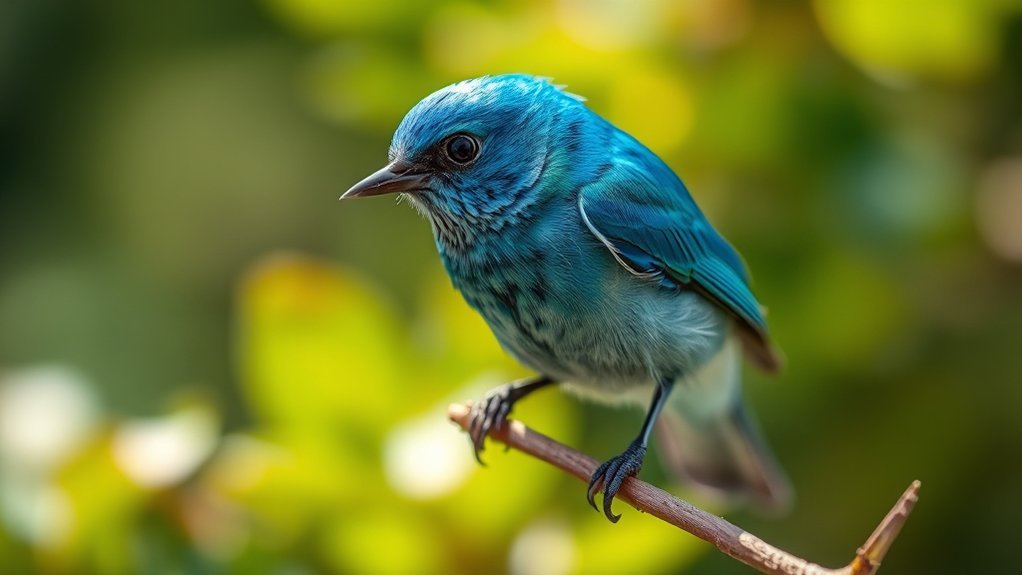
Small blue birds are fascinating to watch and easy to spot once you know what to look for. Each bird, like the Eastern Bluebird or the Indigo Bunting, has its own colors, sizes, and fun behaviors.
To identify these little birds, pay attention to where you find them. Some like to live in woods, while others prefer parks or gardens. Their songs and calls are also helpful clues. Listening closely can make birdwatching even more exciting.
Whether you're walking in a forest or near your home, keep your eyes peeled. Exploring nature can reveal the beauty of these charming blue birds. Are you ready to find them?
A Quick Overview
Here are some small blue birds you might see in your area:
- The Indigo Bunting is a small bird that shines bright blue. You can often hear it singing from tall branches in open woods and fields.
- The Tree Swallow has shiny blue-green feathers. It's a great flier and likes to nest in holes made by woodpeckers or in boxes made by people.
- The Violet-green Swallow is easy to spot because of its shiny colors and smooth flying. This bird prefers to nest in tree holes or buildings.
- The Blue Grosbeak stands out with its deep blue feathers and rusty wing bars. You can find it in shrubby areas and open fields near water.
- The Barn Swallow has a sleek body and a long forked tail. It flies quickly and builds nests from mud in safe spots.
These birds are not just pretty to look at; they play important roles in the environment, like catching insects and spreading seeds. Looking out for these small blue beauties can add fun to your day!
Eastern Bluebird: A Delightful Color Splash

The Eastern Bluebird is a colorful bird with bright blue feathers and a sunny orange chest. You can find these birds in open fields, orchards, and even in neighborhoods. They sing sweet songs that fill the air and help them mark their territory and find mates.
When eastern bluebirds hunt, they do something special. They hover in the air for a moment before diving down to catch bugs or small insects.
In winter, they like to hang out in groups, showing how well they adapt to different places.
Learning about these birds can help you appreciate the beauty of nature. It can also help you feel more connected to the wonderful world of birds.
Blue Jay: The Bold and Beautiful
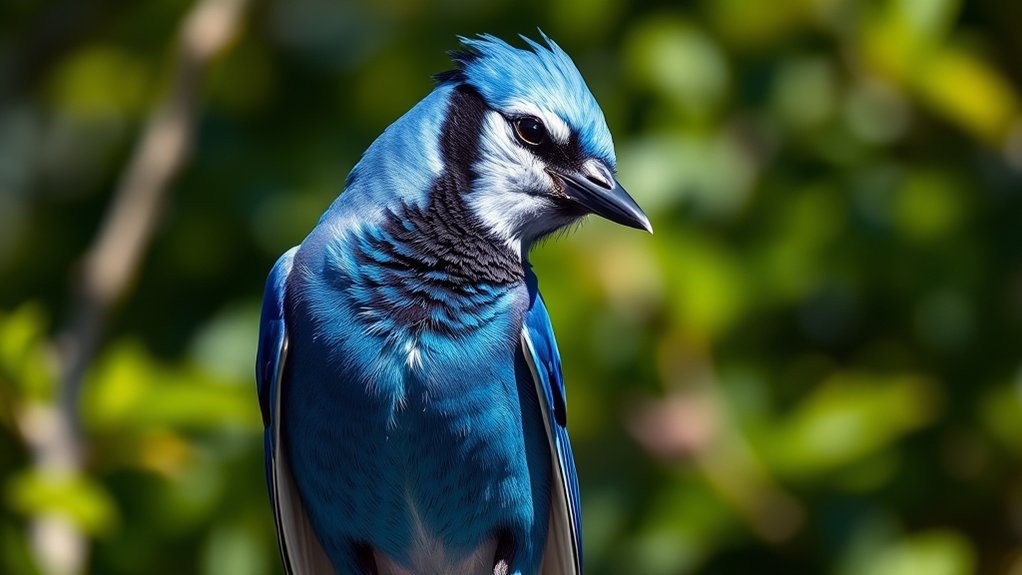
The Blue Jay is a striking bird that really stands out. Its bright blue feathers and tall crest catch your eye right away. These birds live in many places, like forests and backyards. They thrive where they can find food like acorns, seeds, and insects.
If you watch Blue Jays, you'll notice how they act. They often hang out with their families and make different sounds, like loud cries and whistles.
They're smart and can be a little cheeky, sometimes stealing from other birds' nests. Learning about where they live and how they behave can help you appreciate these bold birds even more.
It can also deepen your connection to nature all around you.
Tree Swallow: The Aerial Acrobat

Tree Swallows are amazing flyers! They glide through the air with ease and are great at catching insects while flying. You'll notice their slim bodies and shiny blue-green feathers, which make them look even more beautiful.
These birds love to nest in open areas close to water. They often use old holes made by woodpeckers or nest boxes that people put up for them. When building their nests, Tree Swallows gather soft materials like grass and feathers to make a cozy home for their babies.
Watching Tree Swallows can be a fun experience. By learning more about how they fly and build their nests, you can enjoy birdwatching even more.
These little birds can help you connect with nature and appreciate the great outdoors!
Indigo Bunting: The Brilliant Blue Gem
The Indigo Bunting is a small bird with bright blue feathers that catches the eye of many birdwatchers in North America. You can usually find this lovely bird in open woodlands, fields, and brushy areas. The Indigo Bunting blends well into its surroundings.
Watching these birds can be a lot of fun. Male Indigo Buntings sing a pretty song from high places to attract females. When they migrate, you might see them flying in groups, moving quickly just above the ground.
Look out for their sturdy bodies and short, cone-shaped bills while you watch them. Seeing the Indigo Bunting makes your time outdoors more enjoyable. Each time you spot one, it helps you feel connected to nature and appreciate its beauty.
Barn Swallow: Graceful and Agile
The Barn Swallow is a small and easy-to-spot bird in North America. It has a sleek body and a long, forked tail that helps it fly very well. You might see it swooping through the air as it catches insects.
These birds are great at flying, performing cool tricks to catch their food. When it's time to nest, Barn Swallows like to make their homes using mud. They build nests in safe places like under rooftops or bridges.
They often live in groups, which helps them build strong friendships with each other. By learning about how Barn Swallows act and look, you can see just how graceful and quick they are.
This makes it easier to appreciate these amazing birds!
Violet-green Swallow: A True Sky Dancer
When you watch the fast flying of the Barn Swallow, you might also see the Violet-green Swallow. This bird is beautiful with shiny green and blue feathers that make it stand out. You can often see them flying smoothly as they catch insects in the air.
Violet-green Swallows like to nest in holes in trees or in buildings. They build their nests from mud and grass.
If they nest near you, listen for their cheerful chirps and watch how they interact with each other. Watching these swallows can make birdwatching more fun and help you feel connected to others who love birds too!
Blue Grosbeak: The Rare Beauty of the Field
Spotting a Blue Grosbeak in a sunny field is an exciting moment for birdwatchers. These beautiful birds are bright blue and have rusty wing bars that make them easy to spot.
They like places with lots of bushes and open fields, often near water. You usually see them when they migrate from Central America to the U.S. during the warmer months to breed.
To find them, look for Blue Grosbeaks sitting on low branches or searching the ground for seeds and bugs.
Their sharp and pretty song makes it even easier to recognize them. Watching these gorgeous birds connects you to nature and brings birdwatchers together.
Enjoy the beauty of the Blue Grosbeak and the joy of birdwatching!
Frequently Asked Questions
What Habitats Do Small Blue Birds Prefer?
Small blue birds like to live in open fields and along the edges of woods. They often nest in tree holes or in boxes made by people. They prefer spots where they can find food nearby and where it's quiet.
How Can I Attract Small Blue Birds to My Yard?
To attract small blue birds to your yard, try these simple tips:
- Use Bird Feeders: Set up bird feeders filled with good seeds like sunflower seeds or millet. These seeds are tasty for blue birds.
- Install Nesting Boxes: Put up nesting boxes. This gives the birds a safe place to stay and raise their young.
- Choose Quiet Spots: Place the feeders and nesting boxes in quiet and sheltered areas. Birds feel safer in calm places.
- Keep It Clean: Regularly clean the feeders and boxes. A tidy space makes birds feel welcome and healthy.
What Do Small Blue Birds Typically Eat?
Small blue birds usually eat insects, seeds, and berries. They love to find tasty snacks in your yard. If you want to attract these lovely birds, you can plant some berry bushes or put out bird feeders with seeds. This way, you'll create a cozy place for the blue birds to visit and enjoy their meals. Watching them feed can be a fun and relaxing experience!
Are Small Blue Birds Migratory Species?
Yes, many small blue birds are migratory. They move from one place to another based on the seasons. These birds travel long distances to find food and warmer weather.
Watching these birds during their migration can be a fun and exciting experience. You get to see them arriving in spring and leaving in fall. Understanding where they go and when can help you enjoy birdwatching even more. You can connect with nature by observing their journeys.
How Can I Identify Juvenile Blue Birds?
To identify juvenile bluebirds, look at their feathers and colors. Young bluebirds usually have duller colors and different patterns. As they grow, their feathers change and start to look like the bright colors of adult bluebirds. Keep an eye on these changes to tell them apart. It's like watching a young star become a bright star!

Joyce is the passionate founder of Chirping Hearts, a website dedicated to sharing her love for birds and providing valuable information about avian life. With a background in ornithology and years of experience in birdwatching, Joyce aims to inspire others to appreciate the beauty and diversity of birds. Through her engaging articles and guides, she hopes to foster a community of bird enthusiasts who share her enthusiasm for these incredible creatures. When she’s not writing, Joyce enjoys exploring nature trails and observing birds in their natural habitats.